





Introduction — Crickets, Goats & Cedars: Crete’s Hidden Biodiversity
Crete, the Mediterranean’s flagship island, is often celebrated for its pink-sand beaches, dramatic gorges and archaeological treasures like the palace of Knossos. But beyond the usual tourist snapshots, a rich—and sometimes surprising—biodiversity fills every inch of this long, mountainous land. Venture inland from the crowded coasts and you’ll find a different world of sound and texture: the sharp chirp of grasshoppers across the garrigue, the clatter of goats’ hooves on stony tracks, and the ancient shade of cedars and pines surviving in forgotten valleys. These elements—bugs, caprines and trees—shape Crete’s ecosystems and tell a story of millennia-long coexistence between people and nature.
Heading into Crete’s interior means slowing down. Fields of thyme and oregano unleash powerful scents by midday; grasshoppers, more active in the heat, weave a constant soundscape that follows hikers and shepherds alike. Goats grazing on rocky slopes and in olive groves are more than livestock: they are part of a landscape molded by transhumance, the making of traditional cheeses—mizithra, graviera, anthotyro—and pastoral practices that influence local vegetation. Cedars and rockroses, sometimes twisted by wind and drought, are living proof of plant resilience in often harsh Mediterranean conditions.
This journey into Crete’s biodiversity is also about pinpointing the places where these interactions are most visible: the Samaria Gorge offers unique geological and biological panoramas; Mount Psiloritis (Mount Ida) shelters endemic species and isolated oaks and cedars; the Omalos plateau and the Rouvas and Kera forests present a mosaic of habitats. Crete is equally a human mosaic: craftsmen, shepherds, beekeepers and naturalist guides who pass on knowledge about plants, animals and seasonal rhythms. Understanding Cretan biodiversity is like reading a book where fauna, flora and local culture are tightly interwoven.
In this article we’ll dig into: grasshoppers and other noisy insects of the garrigue; the role of goats in shaping the landscape; the history and status of Cretan cedars; exact spots to see these elements—addresses, opening times and prices where applicable—and practical tips for responsible travel in Crete. Lace up your hiking boots, grab a hat and bring your curiosity: Crete has more natural secrets than you might expect if you look up and listen closely.
 Click here to book a day trip to the Samaria Gorge
In this article we’ll dig into: grasshoppers and other noisy insects of the garrigue; the role of goats in shaping the landscape; the history and status of Cretan cedars; exact spots to see these elements—addresses, opening times and prices where applicable—and practical tips for responsible travel in Crete. Lace up your hiking boots, grab a hat and bring your curiosity: Crete has more natural secrets than you might expect if you look up and listen closely.
Grasshoppers and Insects: The Garrigue Orchestras of Crete
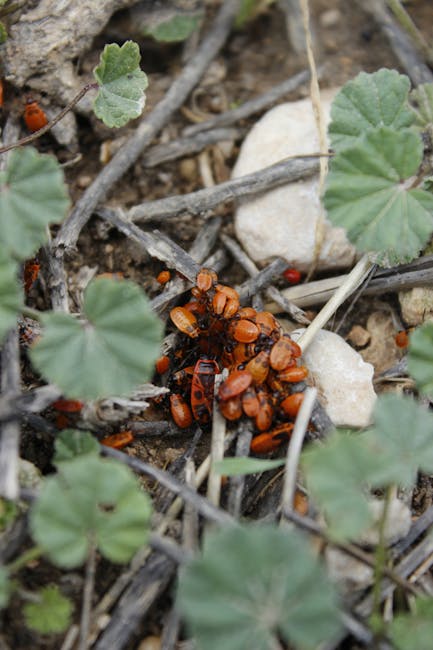
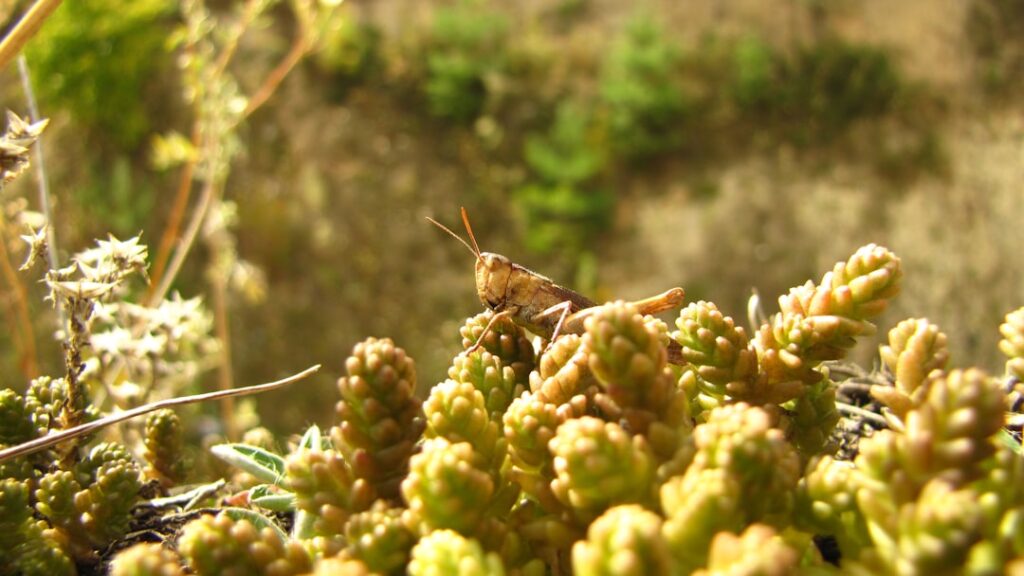
The Cretan garrigue is a landscape of sound: you’ll hear the constant rasp of grasshopper wings (family Acrididae) and the hum of hoverflies and bees. These insects play essential ecosystem roles—pollination, recycling organic matter, and serving as food for reptiles, insectivorous birds and small mammals. Watching grasshoppers and other orthopterans is especially rewarding in spring and late summer, when vegetation dries and temperatures range from about 20 °C to 35 °C.
Where to go to listen and photograph these insects? The Rethymno Nature Reserve, particularly around the village of Anogeia (Psiloritis Plateau), is a good starting point. Anogeia (Address: Main Square, Anogeia 740 52, Rethymno) is reachable by car from Rethymno and offers pastoral paths where aromatic herbs attract pollinators and grasshoppers. Another recommended zone is the Lassithi peninsula and the wild hills near Agios Nikolaos (Address: Agios Nikolaos, 72100, Lassithi), where meadows and stone terraces create microhabitats favorable to orthopterans.
Practical tips for observing: bring a hand lens or a spotting scope, wear closed shoes and lightweight but covering clothing (to avoid stings and brambles). The best times are early morning and late afternoon; at high noon many insects shelter under stones. National parks such as Samaria National Park (entrance at Xyloskalo, Omalos) offer natural listening experiences but demand silence so as not to scare wildlife. Check with local teams (tourist offices in Chania and Rethymno) for naturalist guided walks—many run from April to October, with typical costs of €10–30 per person depending on duration.
A note on ethics: don’t collect insects without permission. Many orthopterans and pollinators are sensitive to disturbance. Photograph or record sounds if you wish, but leave habitats intact. Patient, non-invasive observation often yields unexpected finds: a camouflaged praying mantis, an odonate larva beside a stream, or a cluster of spiders weaving webs among rockrose shrubs.
Goats and Shepherds: Traditional Herding and the Landscape
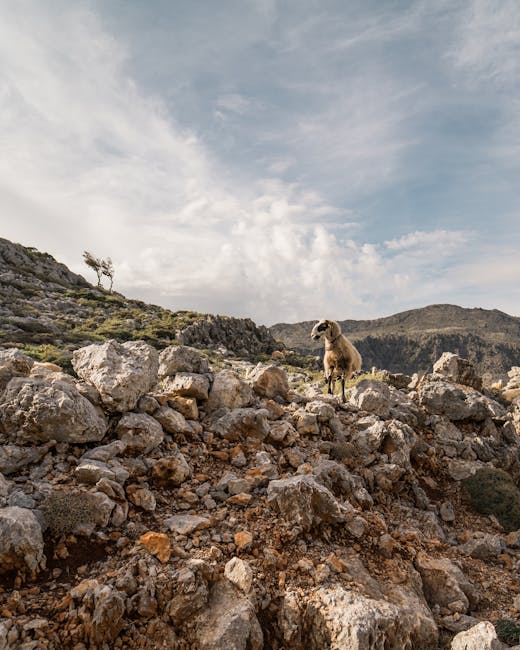
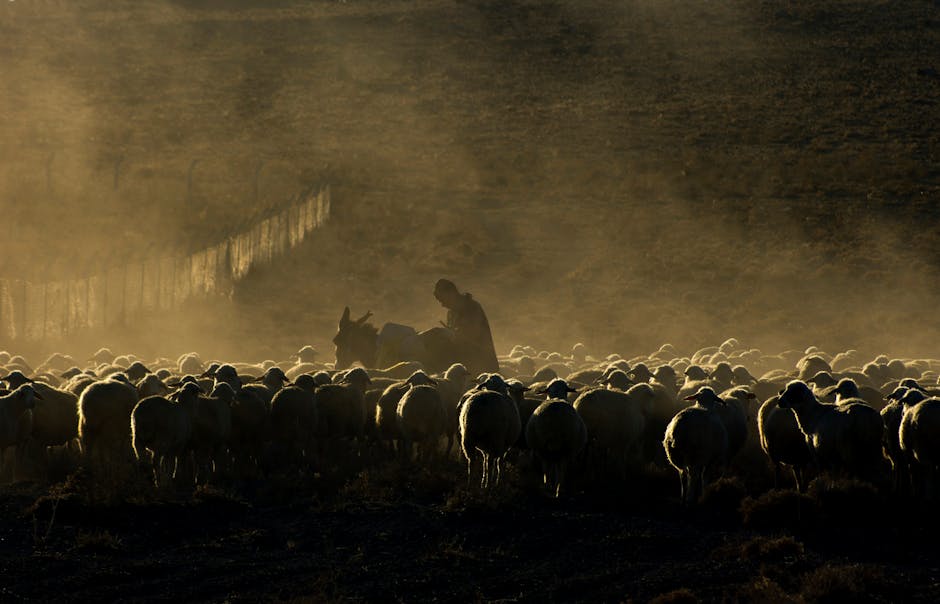
Goats (Capra hircus) are a living emblem of the Cretan mountains. You’ll see them across most terrains—from the slopes of Mount Psiloritis to the edges of the White Mountains (Lefka Ori) and the hills of Sfakia. Goat herding deeply shapes vegetation: grazing, shrub trimming and terrace maintenance create open landscapes that favor certain plant species and can reduce fire risk in some contexts. Cretan shepherds preserve ancient know-how: herding techniques, cheese-making (formage, graviera, anthotyro), and shepherding structures adapted to rugged terrain.
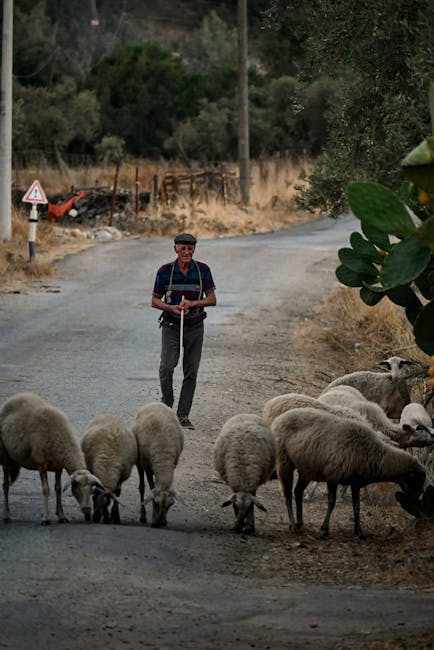
To get close to these practices, several farms and villages welcome visitors and run tastings. For example, the family-run “Kalivaki Farm” near Archanes (Address: Kalivaki, Archanes 701 00, Heraklion; visits by reservation) offers cheese‑making workshops and tastings for around €12–20 per person. In Anogia (Main Square, Anogeia 740 52, Rethymno) you can ask local tavernas to arrange meetings with shepherds: often free but it’s courteous to buy a local meal (taverna prices: €10–20 per person).
Times and etiquette: shepherds work early in the morning and late afternoon. If you want to accompany pastoral activity, suggest a visit between 08:00–11:00 or 16:00–19:00; always ask permission before approaching a herd. Stick to tracks and avoid startling animals—goats can panic and trample vegetation. Guided visits organised by local tourist offices (Chania Tourist Office: Plateia 1866, Chania 731 00; Heraklion Tourist Information: Eleftherias square, Heraklion 712 02) often offer experiences from €25–50.
Click here to join a Cretan cooking class in Arolithos
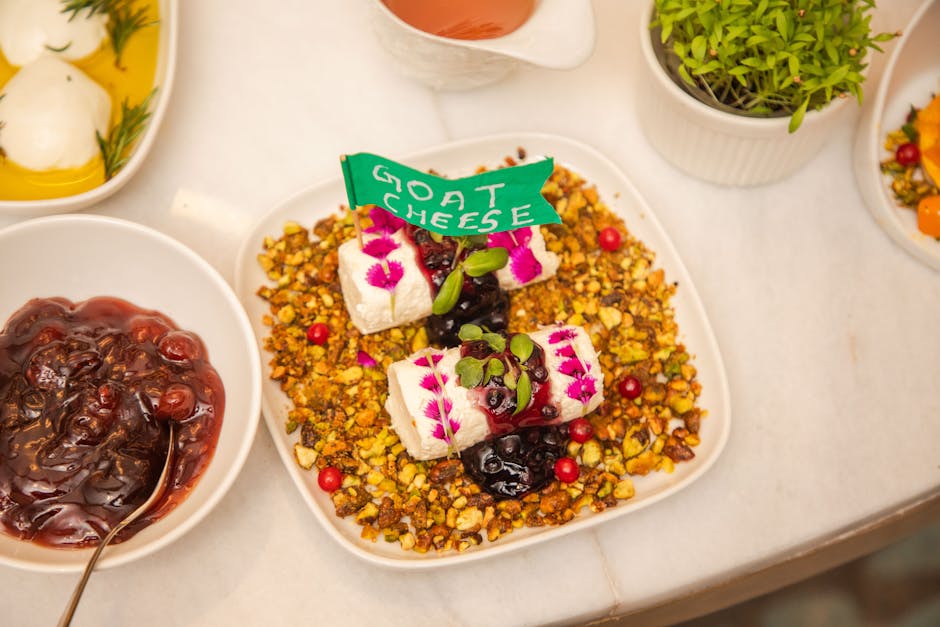
Watching goats also helps understand conservation challenges: overuse of some areas, introduction of non-native species and intensive farming practices can sometimes threaten local biodiversity. Cooperation projects between herders and NGOs (e.g., Cretan Wildlife & Habitat Association) implement sustainable grazing routes, training sessions and eco‑labels for environmentally friendly cheeses. By choosing local products (certified cheeses, Cretan honey), travelers support these initiatives while tasting authentic flavors.
Cedars, Forests and Botanical Relics: Where Ancient Trees Grow
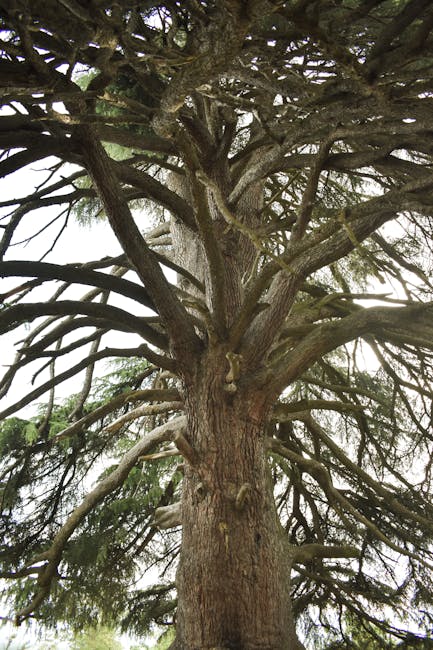
Cedars and other species—pines, holm oaks, elms and terebinths—form forest patches often isolated within the Cretan landscape. Many are highly adapted: growing in clumps, deep roots, leaves built to resist drought. Remarkable cedars can be found in areas like Rouvas Forest (Rouvas Forest Reserve) near Mount Psiloritis, and in pockets of the White Mountains. These groves create cooler microclimates that allow mosses, ferns and insects less tolerant of heat to persist.
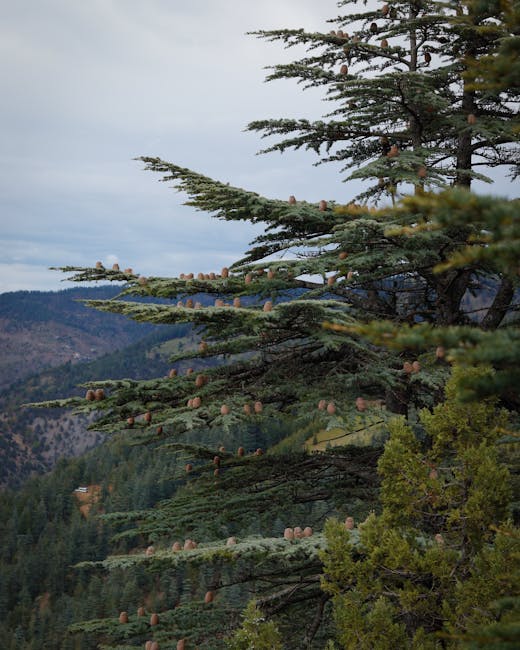
Rouvas Forest (Address: Rouvas Forest, Anogeia Road, Amari 740 57, Rethymno) is a protected area known for its cedars and oaks. Access is generally open, but it’s recommended to check with the Forestry Service of Rethymno (Forestry Service Office, Plateia Eleftheriou Venizelou, Rethymno 741 00). The best times to walk there are spring and autumn, when temperatures are moderate (15–25 °C). In summer heat and fire risk restrict access to some zones, so always verify with local authorities.
Another notable spot is Kourtaliotiko Gorge near Plakias (Address: Kourtaliotiko Gorge, Plakias 740 60, Rethymno). The carbonate cliffs host tree stands and rock-dwelling plants that benefit from valley moisture. For botany enthusiasts, the Botanical Park & Gardens of Crete near Agios Myronas (Address: Botanical Park & Gardens of Crete, Agios Myronas 700 11, Heraklion; Opening hours: April–October 09:00–18:00, November–March 10:00–16:00; Entry: around €10–12) offers a collection of Mediterranean species, marked trails and multilingual information panels.
Click here to take a day trip into the White Mountains
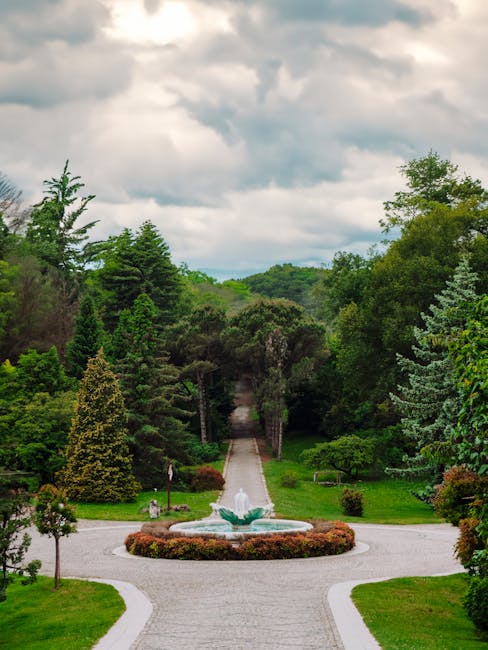
Tips: contact the local Forestry Service to learn about marked routes and protection rules. Wear sturdy shoes (for rooty terrain), carry at least 1.5 L of water per person and don’t pick protected plants. Macro photography and long lenses are ideal for capturing bark texture, an insect on a cedar, or light filtering through foliage. Finally, help preservation by joining educational guided walks—often offered by local associations at various prices (from €8 for a short stroll to €40 for a full‑day immersion).
Flagship Species and Where to See Them: Routes and Practical Addresses
Crete is home to several endemic or iconic species: Hermann’s tortoise (Testudo hermanni), the ocellated lizard (Timon lepidus), the Egyptian vulture (Neophron percnopterus) in certain massifs, and rare plants like the Cretan edelweiss (Leontopodium creticum). To increase your chances of sightings, here are precise locations with practical details:
-
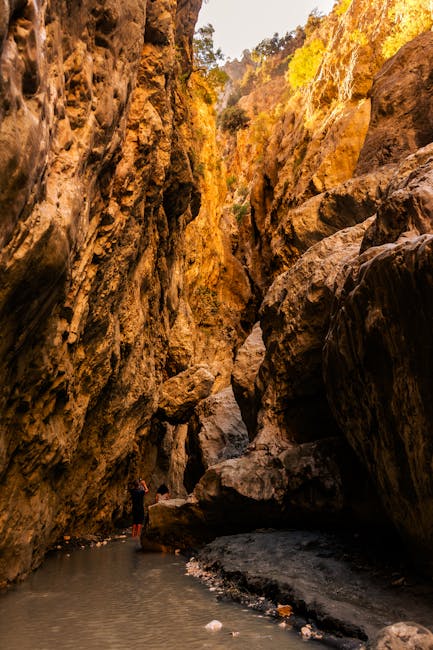
Samaria Gorge (Samaria Gorge) — Entrance: Xyloskalo, Omalos, Chania 73011; Opening hours: generally 07:00–16:00 in season (April–October), closures possible due to weather; National park entrance fee: around €5 (variable); Note: the trail descends to the village of Agia Roumeli where you must take the ferry back. Best period: May–October.
-
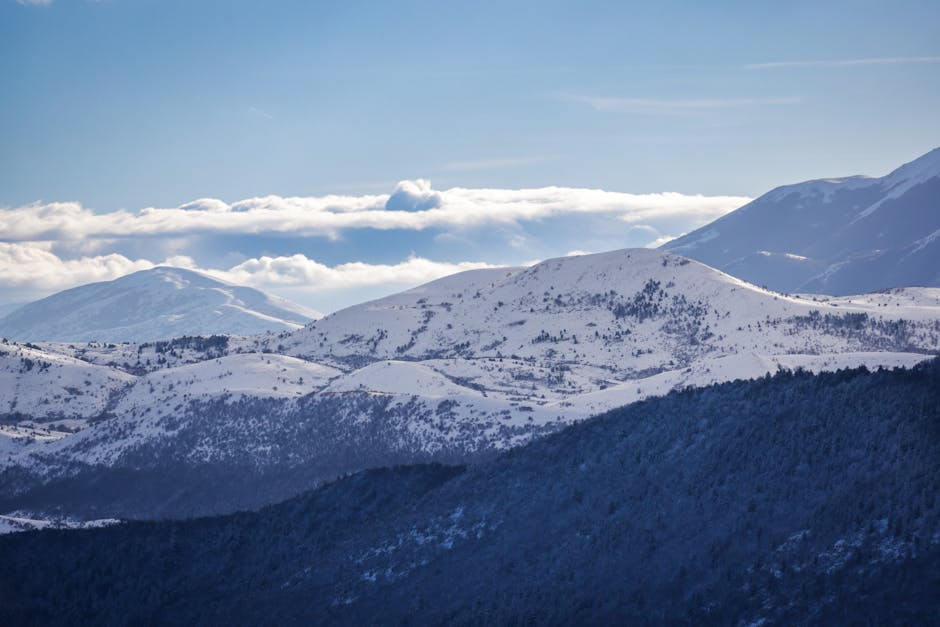
Omalos Plateau and the White Mountains (Lefka Ori) — Road access from Chania (Omalos Plateau Road); activities: hiking, watching Cretan wild goats (Capra aegagrus creticus) in remote zones; hire a local guide for difficult areas.
-
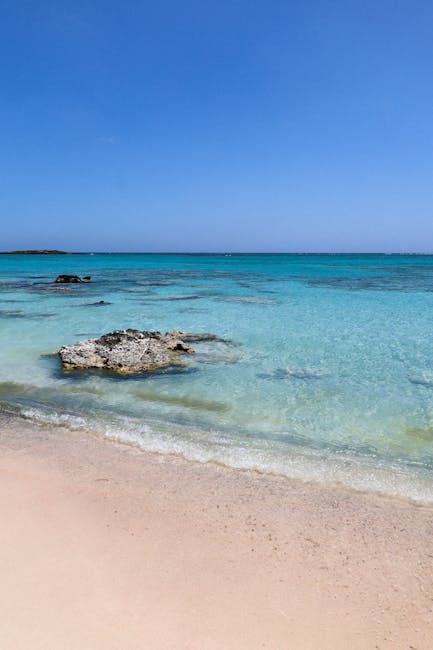
Elafonisi Beach — Elafonisi, Chania 730 01; Access: coastal road from Chania or Kissamos; Hours: beach open year-round (services in high season); Particularity: dunes, a lagoon and migratory birds in nearby marshes.
-
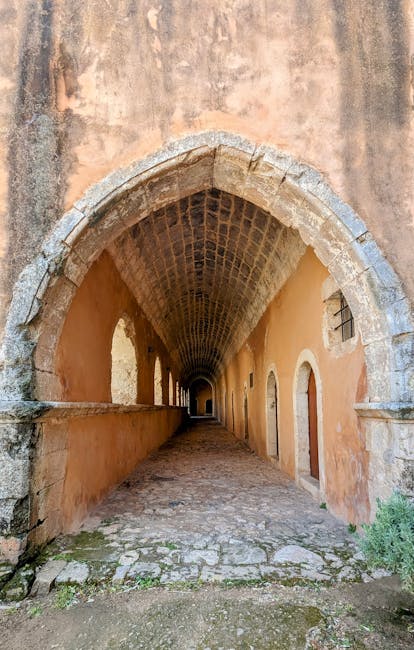
Arkadi Monastery and surroundings — Monastery of Arkadi, Arkadiou 740 55, Rethymno; Hours: Monastery museum 08:00–15:00 (check seasonality); Museum entry: around €2–5; The surrounding hills host Mediterranean flora and pastoral trails.
-
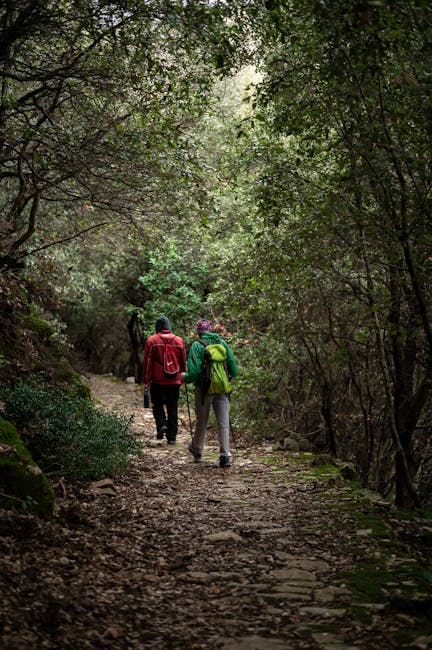
Rouvas Forest Reserve — Rouvas Forest, Anogeia Road, Amari 740 57, Rethymno; Access generally allowed but signed; Ideal for cedars, forest birds and spring/autumn mushrooms.
For each site, check ahead: official hours and fees can change (especially off-season). Ferry ports, for example between Agia Roumeli and Sougia/Chora Sfakion, run seasonal departures; tickets vary from €10 to €20 depending on route and season. Municipal tourist offices (Chania, Rethymno, Heraklion) provide maps, lists of naturalist guides and sometimes permits needed for research or collection.
Click here to discover Elafonisi’s pink sand beach on a tour
Practical and Ethical Tips for Responsible Travel in Crete
Traveling to observe Crete’s biodiversity requires responsible choices. Here are concrete recommendations, indicative times and prices, and local best practices to adopt:
- Best seasons: spring (April–June) and autumn (September–October) for mild temperatures, blooms and animal activity. In summer, focus on coastal areas early morning or late evening to avoid the heat.
- Gear: hiking boots, hat, sunscreen, lightweight rain jacket, binoculars and a camera. Carry 1.5–3 L of water per day depending on route difficulty.
- Access and transport: a rental car is often essential to reach interior areas. Rental desks in Heraklion or Chania (average €30–60/day depending on season) offer suitable vehicles. Public buses (KTEL) serve many villages but run infrequently.
- Local guides: for wildlife and plants, choose certified naturalist guides: day tours typically cost €30–70 per person depending on duration and focus (ornithology, botany, geology).
- Respect and safety: don’t feed wildlife, don’t pick protected species, pack out your trash and stay on marked trails. In case of fire, follow local directives (area closures, detours).
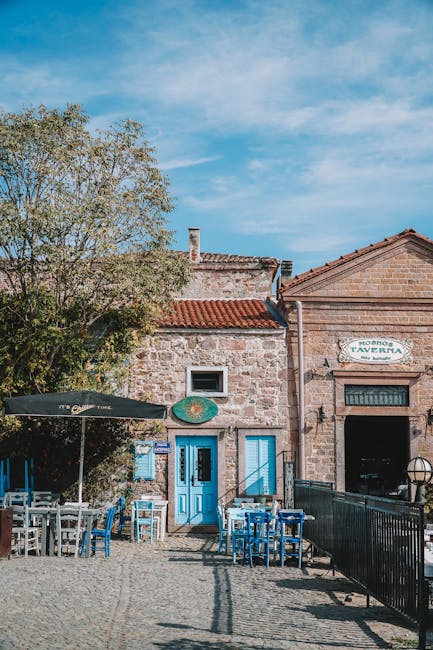
- Local spending: favor family-run tavernas, certified products and farmers’ markets (e.g., Rethymno Municipal Market, Plateia Rimondi 741 00, hours vary) to support rural communities.
Consider dedicating a day or two to environmental volunteering if your stay is long: local groups organise beach cleanups, tree planting and bird monitoring. These activities deepen your immersion and make a tangible contribution to protecting the places you came to admire.
Conclusion
Crete reveals its riches beyond the popular beaches. Crickets, goats and cedars are threads that weave a living, historic and fragile landscape. The insect songs in the garrigue, the routes of herds along age‑old tracks and the forest islets where ancient cedars persist give the island a natural dimension that any curious traveler should make time to explore. Careful observation—respecting local hours, reserve access rules and shepherding practices—turns a simple visit into an authentic encounter with an ecosystem at the heart of the Mediterranean.
To get the most from this experience, favor the mild seasons, equip yourself properly and engage with local actors: tourist offices (Chania Tourist Office, Plateia 1866, Chania 731 00; Rethymno Tourist Office, Plateia Eleftheriou Venizelou, Rethymno 741 00; Heraklion Tourist Information, Eleftherias square, Heraklion 712 02), naturalist guides and educational farms. Book guided visits and ferry crossings (e.g. Agia Roumeli) in advance during high season. Expect reasonable prices: park entries around €5–12, cheese workshops €12–20, guided outings €25–70 depending on duration and specialty.
When you leave Crete, take home not only photos and flavors but a deeper understanding of how people and nature coexist on this island. Respecting local biodiversity—from tiny grasshoppers to the shade of cedars and the mountain goats—helps preserve these landscapes for future generations. So next time you hear the wingbeat of an orthopteran or the clap of a hoof on stone, you’ll be able to read the signs of a living, resilient ecosystem that is inseparable from Crete’s soul.