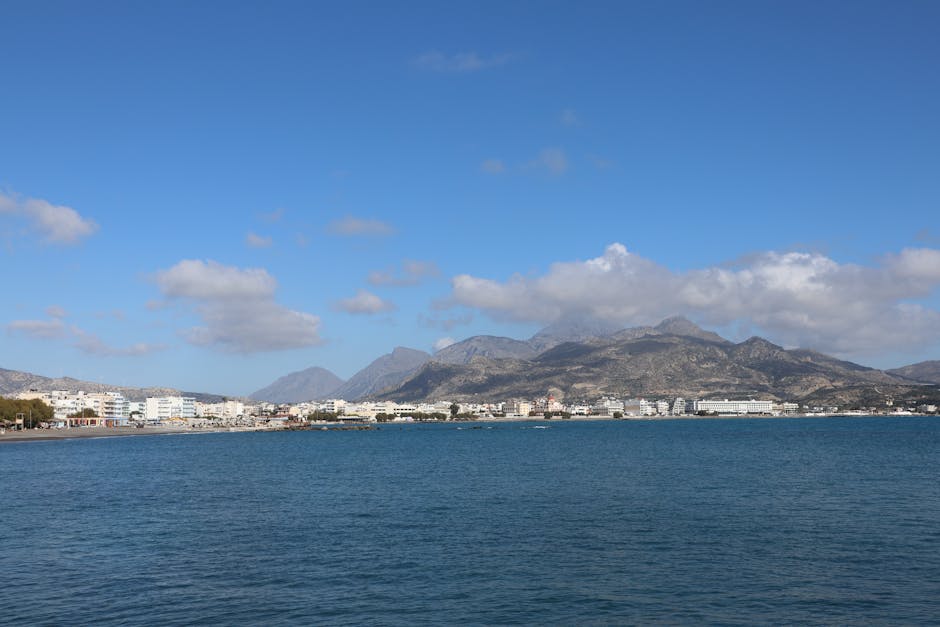






Introduction: Crossing Samaria — a timeless Cretan experience
Walking the Samaria Gorge is often billed as a must-do for anyone seeking an authentic Crete experience. Located within the Samaria National Park, between the Omalos plateau and the coastal village of Agia Roumeli, this 16-kilometre trek is both a physical challenge and a deep dive into wild landscapes, abandoned hamlets, limestone cliffs and lush Mediterranean vegetation. For many, crossing Samaria is more than a hike: it’s a meeting with the soul of Crete — its shepherds, the wild kri-kri goats and the unexpected sea views that appear as you emerge from the gorge.
Setting off for Samaria means committing to a sequence of varied experiences: an early start from Chania or Omalos, the descent from the famous Xyloskalo (the initial viewpoint), the narrow sections like the «Iron Gates», and finally the exit onto Agia Roumeli beach where the Libyan Sea greets the exhausted hiker. Every step composes a new scene: deep ravines lit by shafts of sun, limestone walls polished by millennia of erosion, shaded canyon stretches where the air remains cool despite the blazing summer heat that dominates Crete.
Yet beyond the romance, crossing Samaria requires preparation and respect for the environment. Trails are marked but can be rocky; there are technical sections and the average walking time is 5 to 7 hours depending on your pace. Logistically you’ll often need to coordinate buses, taxis and ferries to get back to Chania or your accommodation. Knowing the opening season, transport timetables and local amenities (water points and small cafés at the entrance and exit) is essential before you go.
In this guide I offer a complete overview, mixing practical info — exact addresses, typical schedules and prices in euros — with an immersive description of the route to help you picture and plan your crossing. Whether you’re an experienced hiker, a curious traveler or a photographer chasing Cretan light, you’ll find concrete tips here to turn the legendary Samaria hike into a safe, unforgettable adventure.
Preparing the crossing: logistics, gear and access
Preparation is key to enjoying Samaria to the fullest. A common starting point is the Omalos plateau (Omalos Plateau, 730 11 Chania). Access is usually from the KTEL Chania bus station (KTEL Chania, Kolokotroni 47, 731 32 Chania). KTEL ticket office address: Kolokotroni 47, 731 32 Chania. Indicative prices: Chania → Omalos ticket around €5–8 depending on the season. Typical departure times: buses between 06:00 and 08:30 in the morning (check seasonal timetables at the KTEL ticket office or the official site).
Park entry: the formal trailhead is at Xyloskalo on the Omalos plateau. Approximate start address: Xyloskalo, Omalos Plateau, 730 12 Chania. In 2024 there may be a park contribution required at the entrance — plan on about €5 per person (rates subject to change by park authorities). Park opening hours: generally 06:00–17:00 during high season (May to October). The Samaria National Park Information Office is often open 08:00–16:00 and is located on the Omalos plateau near the car park.
Recommended gear: sturdy hiking boots with good grip, sun hat and sunscreen, plenty of water (minimum 2–3 litres per person in summer), trekking poles for the descent, a basic first-aid kit, maps or an offline GPS app. For the Agia Roumeli exit, carry cash for small tavernas and your ferry ticket: ferry Agia Roumeli → Sougia or Chora Sfakion typically costs €7–15 depending on destination and season. Agia Roumeli port address: Agia Roumeli, 730 11 Chania. Ferry schedules vary — first departures outside high season are often between 15:00 and 17:00; in summer there are multiple crossings, so check with local operators.
Local practical tips: leave early to avoid heat and crowds, tell your accommodation you plan to do the crossing (some places will call local taxis if needed), and avoid bad-weather days — the gorge can be dangerous in rain. Stick to the marked trails: some cliffs are unstable. Pack a pair of light sandals for Agia Roumeli beach if you plan to go straight to the sea after finishing.
 Click here to book a guided Samaria Gorge hike
The route, step by step: stages, scenery and rest stops
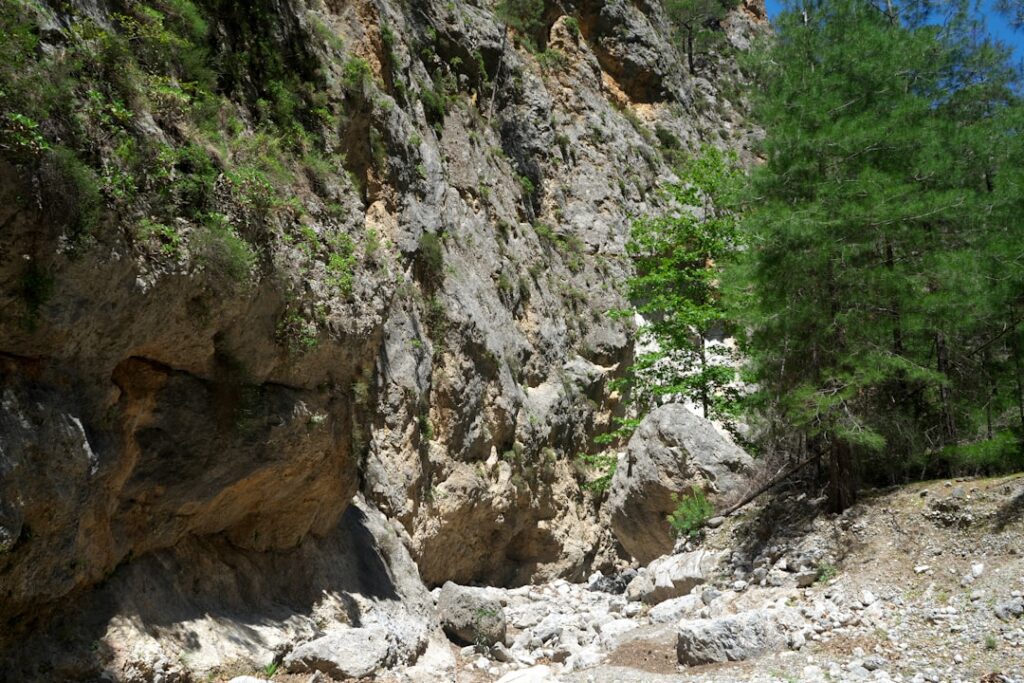
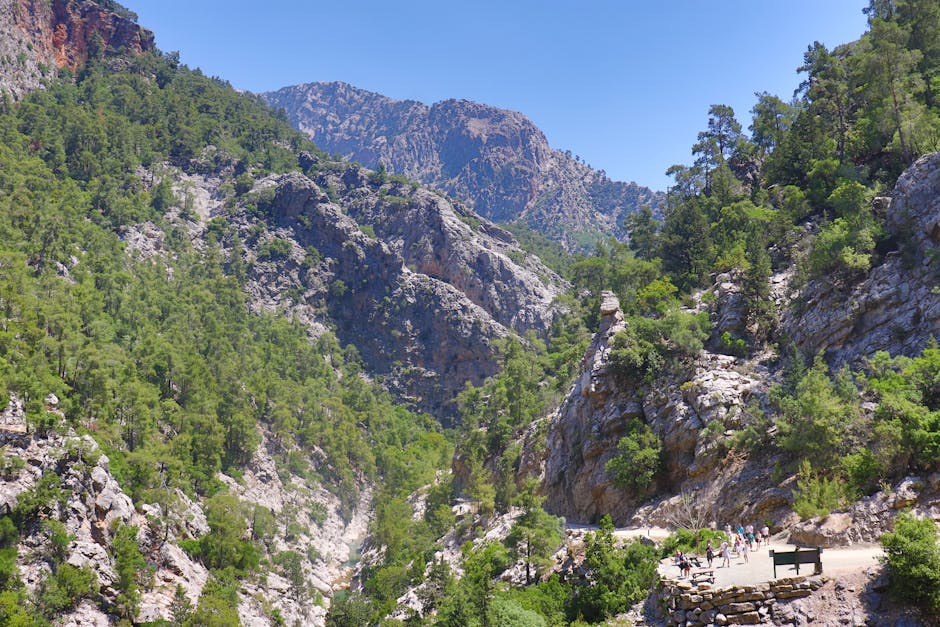
The classic Samaria crossing is typically done in a single day, but it naturally breaks down into distinct sections, each with its own atmosphere. Starting from Xyloskalo (approx. 1,250 m): the first ten kilometres wind through broad slopes and pine forests, offering sweeping views down the gorge. This section is gradual but demanding: mostly downhill on rocky paths with places to stop for rest and photos.
The area known as Gria (or “Old Lady”) sometimes contains remains of old settlements and dry-stone terraces. Continue into the middle section where vegetation thickens: oaks, strawberry trees and oleanders form natural tunnels. Around kilometres 9 to 11 the gorge narrows and the air feels cooler. You’ll find most of the informational panels about local flora and fauna here. Take regular breaks to hydrate and admire the limestone walls that can rise over 1,000 metres.
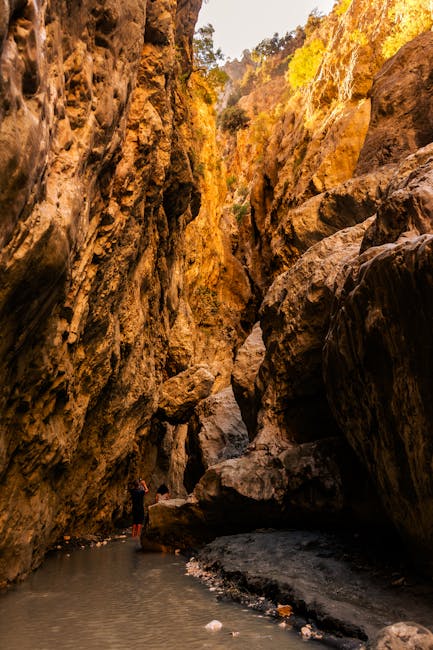
The Iron Gates is the most spectacular and narrow passage: in places the gorge is only 3–4 metres wide at the base while the cliffs soar over 300 metres. This spot is fantastic for photography in side-light; be cautious if you’re prone to vertigo. After the Iron Gates the trail widens and gently slopes down to Agia Roumeli, the coastal village where tavernas await. Useful address: Taverna O Nikos, Agia Roumeli, 730 11 Chania — a typical local taverna where a moussaka or Greek salad will usually cost between €8 and €15. Opening hours: most tavernas in Agia Roumeli open around 10:00 and close after the last ferry (often around 20:00 in high season).
Walking time: 5–7 hours depending on pace and photo stops. Distance: approximately 16 km. Difficulty: moderate to hard for those unaccustomed to uneven terrain and the length. If you get tired, you can shorten the route by taking a water taxi from reachable coves, or plan to overnight in Agia Roumeli (a few mini-hotels and guesthouses — prices vary, roughly €25–60 per night depending on comfort).
Click here to book a day hike from Rethymnon
Points of interest, landmarks and villages along the way
Although Samaria is primarily a natural monument, several cultural spots and historical features line the route and are worth noting. The Omalos plateau itself is historic territory with scattered Bronze Age tombs and remains across the area. Reference address: Omalos Village, 730 11 Chania. Nearby, the chapel of Agia Paraskevi, often used as a meeting point for hikers, makes a symbolic stop — chapels are generally open for visits, but be mindful of any religious services.
Within the gorge small stone constructions testify to an ancient human presence: shepherd huts and terraces. Informational panels identify protected plant species (e.g. Busycus calliopsis local) and the presence of the Cretan wild sheep (kri-kri); observe wildlife from a distance and do not feed animals. Administrative park contact for naturalist information: Samaria National Park Office, Omalos Plateau, 730 11 Chania. Office hours in season: 08:00–16:00.
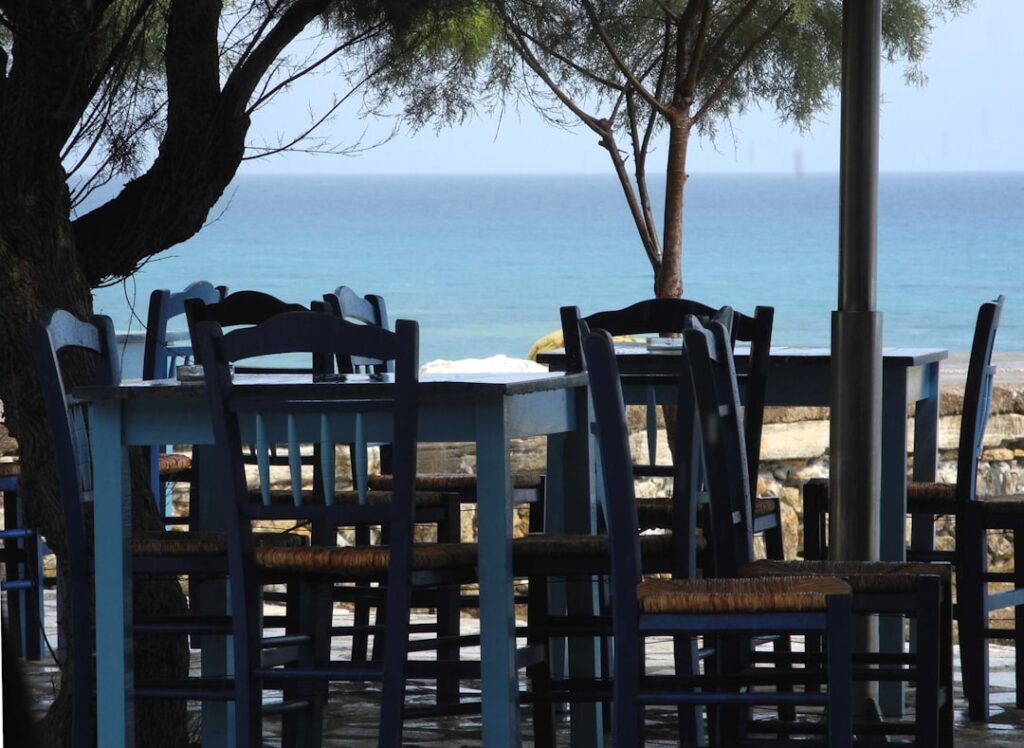
The beach at Agia Roumeli is a special place: pebbles, clear water and family-run tavernas. It’s also the starting point for visits to Gouverneto Monastery and other coves accessible by boat. Port address: Agia Roumeli Port, Agia Roumeli, 730 11 Chania. For history fans, the ascent out of the gorge towards Anopoli and Aradena reveals Venetian castles and historic bridges (example: Aradena Bridge). A recommended side trip is the village of Anopoli, Anopoli 730 11, where local cafés serve raki and regional specialties (a pre-dinner drink costs around €3–6).
Practical tips, safety and environmental respect
Safety in Samaria Gorge relies on common sense and preparation. Before you go, check local weather: rain or storms can make the route hazardous. Emergency services in Crete can be reached via 112. Bring a copy of your ID, some cash (card payments aren’t accepted everywhere), and inform your accommodation of your itinerary. For injuries, basic first aid (bandages, disinfectant, compresses) can make a difference while waiting for evacuation.
Respecting the environment: the national park asks visitors to leave no trace. Carry out your waste, do not light fires and do not take plants or stones. Wildlife, including the kri-kri, must be observed from a distance. Park regulations include fines for breaches — plan to follow the rules. Possible fines vary but can range from €20 to €150 depending on the offense.
In summer, start very early (departing before 08:00 is often recommended) to avoid the hottest hours. Hydration: drink regularly and avoid alcohol before and during the hike. Footwear: closed, grippy shoes are essential. Phone coverage can be patchy in the gorge; download an offline map and carry a power bank. Finally, to minimize stress, consider booking your return ferry and, if needed, a night in Agia Roumeli or a transfer by bus/taxi to Sougia/Chora Sfakion (port transfers roughly €7–20 depending on distance).
Conclusion: Why crossing Samaria is a journey worth making
Crossing Samaria is a pact with nature: simplicity, effort and wonder. Each stage of this hike reveals a different side of Crete — from the massive Omalos mountains to the vertiginous cliffs of the Iron Gates and the calm sea of Agia Roumeli. It’s not just another item to tick off your travel list; it’s an experience defined by changing landscapes, human history and the deep sense of achievement at the finish.
Practically speaking, your success depends on good preparation: KTEL bus schedules (Kolokotroni 47, 731 32 Chania), appropriate gear, ferry bookings if needed, and following guidance from the Samaria National Park Office (Omalos Plateau, 730 11 Chania). Costs are reasonable but variable: bus €5–8, park contribution ~€5, ferry €7–15, meals €8–15. These modest expenses help protect the site and support local services.
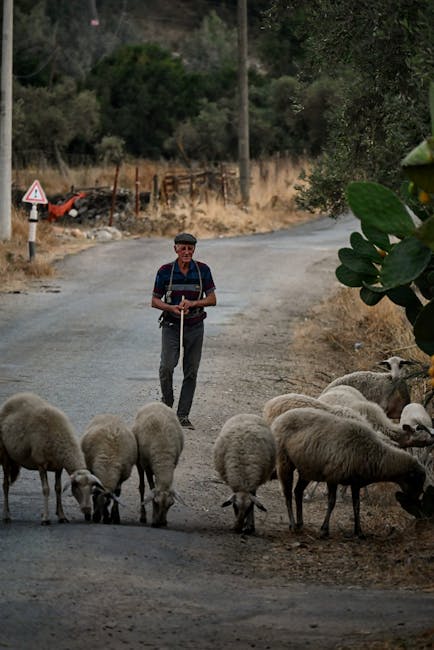
Finally, crossing Samaria is as much an ethical choice as a physical one: respect the natural environment, the residents and local traditions. Take time to chat with Agia Roumeli tavern owners, watch the shepherds at work and extend your discovery by visiting nearby villages — this turns the hike into a cultural, human journey. Whether you’re a photographer, hiker or contemplative traveler, Samaria offers a palette of emotions and discoveries that linger long after you’ve left.
To finish, remember: go prepared, respect the place and leave it as you found it — ready to amaze the next generations of visitors. Have a great crossing and wonderful encounters in Crete!