





Introduction: A Sensory Walk Through Crete’s Hills
Crete is celebrated for its legendary beaches, dramatic gorges and bold Mediterranean cuisine. But off the beaten track another treasure waits: vineyards clinging to forgotten hillsides, guardians of ancestral know‑how that have survived centuries and invasions. “Cretan Wine Tasting: Secret Hills, Hidden Bottles” isn’t just a wine route — it’s a dive into the island’s rural soul, a meeting with winemakers who treat the land as their most precious inheritance, and an invitation to rediscover indigenous grapes like Vidiano, Dafni, Kotsifali and Liatiko.
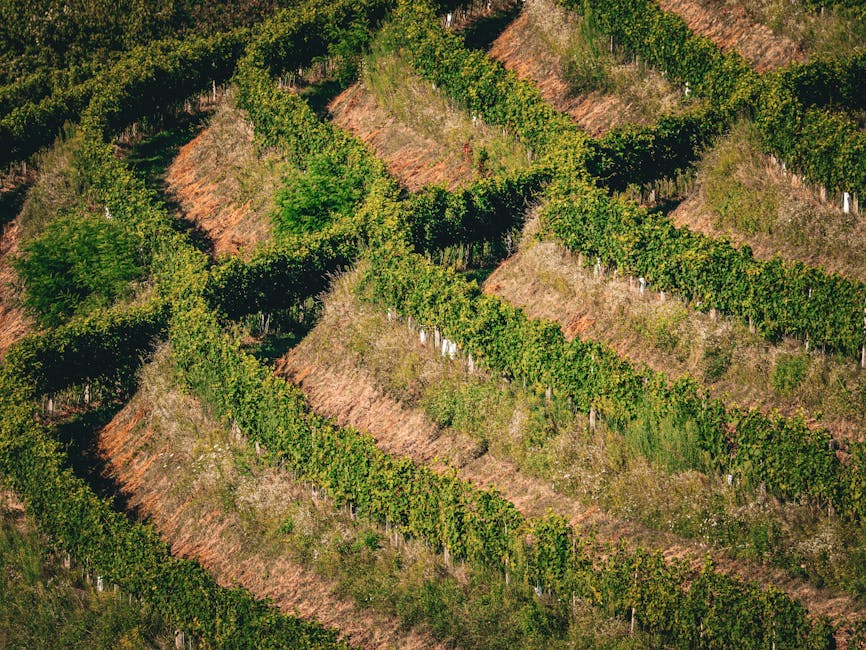
On these slopes the vines stretch on terraces between olive trees and oaks, under a dry sun tempered by the sea breeze. Parcels are often small and fragmented, reflecting family holdings where the vine is tended almost like a kitchen garden: hand pruning, early harvests to preserve acidity, gentle pressing and fermentation in stone tanks or amphorae for those reconnecting with millennial techniques. The wines that emerge don’t try to match international standards: they speak a local dialect — mineral, sometimes saline, sometimes spicy — revealing limestone, schist soils and the constant proximity of the sea.
This guide will point you to accessible estates as well as micro‑producers who open their doors only to those who ask politely and with curiosity. You’ll get precise addresses, opening hours, price ranges in euros, practical tips (how to get around, when to visit, what to order) and sensory descriptions to prime your palate. Each stop offers an immersive tasting: ageworthy wines to light rosés, orange wines to amphora‑aged cuvées, often matched with plates of graviera cheese, dakos and local olive oil.
Bring patience and a willingness to listen: the best tastings on these hills are earned. Roads can be narrow and twisty, wind might interfere, and harvest schedules vary by year. But each effort is rewarded: panoramic views over the Libyan or Aegean seas, the warmth of village tavernas where bread and raki are shared, and discoveries of wines that seem to exist nowhere else. Exploring these forgotten hills makes you the keeper of rare experiences — and maybe the proud owner of a secret bottle to take home.
The Forgotten Vineyards of the Interior: Maps, Places and Addresses
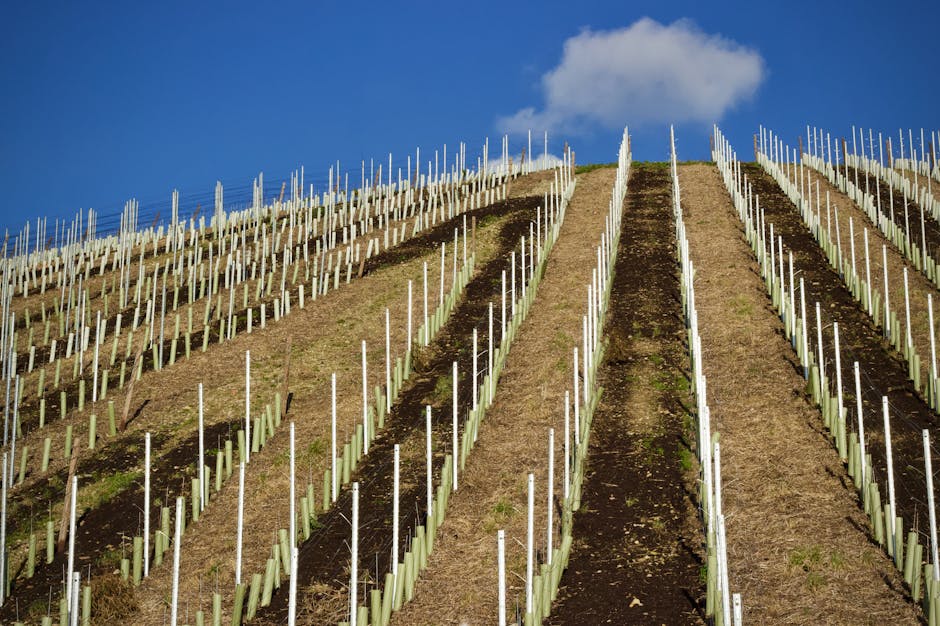
Crete’s wine landscape is carved into micro‑terroirs. Here’s a curated list of estates and must‑visit spots to pin on your map — each with exact addresses, opening hours and a price range for visits or tastings.
- Lyrarakis Winery — Address: Episkopi Pediados, 70100, Heraklion, Crete. Hours: Monday–Saturday 09:00–17:00; closed Sunday. Guided tours & tastings: €12 per person for a basic tasting (3 wines), €25 for a premium tasting (6 wines + cellar tour). Description: Lyrarakis is known for reviving indigenous varieties like Vidiano and Thrapsathiri. Based in Episkopi, the winery blends modern techniques with respect for terroir. Tastings take place in a bright room with vineyard views, and attendants are often family members ready to tell the story of each parcel. Tip: book ahead in high season (May–Sept). Access: about 25 minutes by car from Heraklion via the E75 and the provincial road; parking on site.
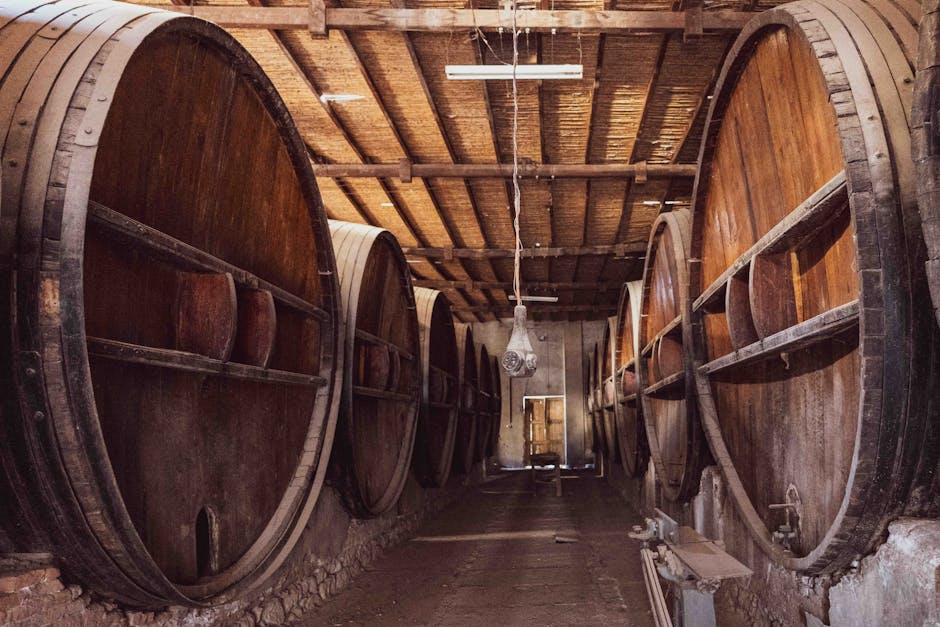
- Dourakis Winery — Address: Dafnes, 70011, Heraklion, Crete. Hours: Tuesday–Saturday 10:00–16:00; Sunday and Monday by appointment. Visit & tasting: standard tasting €10 (4 wines), gourmet tasting €18 (4 wines + mezzé). Description: Located in Dafnes, a region of clay and limestone hills, Dourakis blends tradition with small family cuvées. The estate is known for reds based on Kotsifali and Mandilari, as well as dessert wines from Vidiano. The atmosphere is intimate: the owner often welcomes guests at the production table. Practical tip: try the barrel‑aged red and ask for suggested pairings with Cretan specialties. Access: 20 minutes from central Heraklion; parking is limited — it’s best to park on the village square and walk a few minutes.
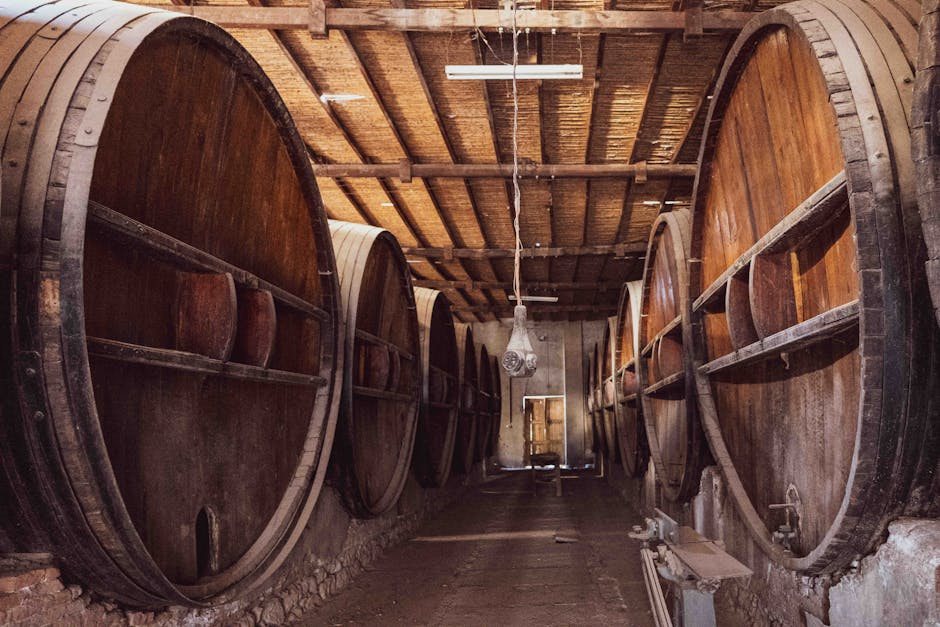
- Manousakis Winery — Address: Skalani, 73014, Chania, Crete. Hours: daily 10:00–18:00 in high season; reduced hours off‑season, check ahead. Rates: standard tasting €15 (5 wines), in‑depth visit €30 (tasting + cellar tour + local plate). Description: Manousakis, near Chania, works high‑altitude vineyards and produces elegant whites (Vidiano, Assyrtiko) and structured reds. Facilities are more modern, with a lovely terrace overlooking the valley. Practical tip: combine your visit with a stop in the village of Vamos or a swim at nearby Marathi beach. Booking: highly recommended in summer.
Beyond these established houses there’s a constellation of micro‑producers: farmers turning a few barrels a year, winemakers ageing cuvées in amphorae in troglodyte cellars, and village cooperatives overlooked by guidebooks. Sometimes an address is simply “Village X, road above the church,” and a tasting happens at a stone table among neighbours. For these encounters approach in person: stop the car, walk into the first taverna and ask for recommendations — locals will point you to the nearest small producer.
Geographic tip: top hills to explore are the slopes between Heraklion and the Messara plain (Dafnes, Archanes), the inclines around Rethymnon (Axos, Zoniana) and the small western valleys near Chania (Skalani, Vamos). Sea views, sunsets and stone terraces often lend as much character to the wines as careful fermentation. Bring a GPS map and, if possible, rent a compact car — mountain roads sometimes require precise, cautious driving.
 Click here to book your Manousakis winery visit
Tastings with Artisanal Winemakers: Experience, Prices and Pairings
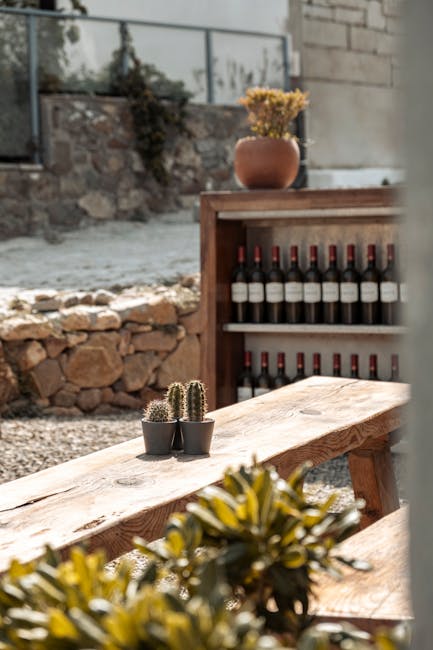
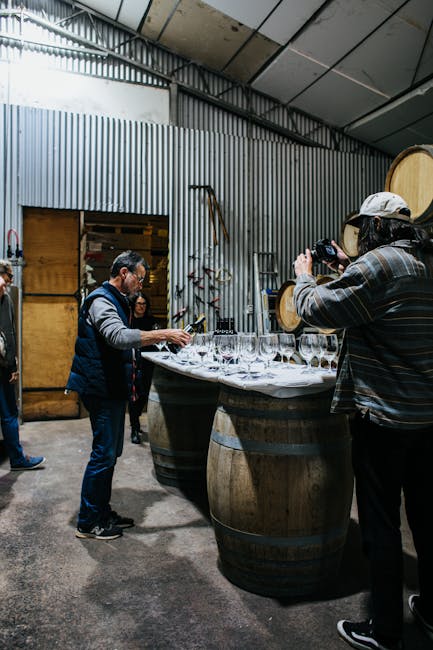
Authentic Cretan tastings rarely happen under fluorescent lights. They take place on a stone terrace, at the foot of a cellar, or around a table served with warm bread, olive oil and local cheeses. Here’s how a genuine tasting at an artisanal producer typically unfolds, with concrete examples, prices and food pairings.
Typical structure of an artisanal tasting: arrival and welcome (usually by the owner or a family member), a quick tour of the cellar (steel tanks, amphorae, old vats), then seating around a table where measured pours of 30–50 ml are served per wine. Tastings generally last 45 minutes to 1.5 hours depending on the chosen formula. Prices in Crete for a small estate range from €8 to €20 for 3–5 wines; for a more elaborate experience (vertical tasting, food pairings) expect €20–45 per person.
Concrete example: at Lyrarakis (Episkopi Pediados) the €25 premium tasting includes 6 wines — Vidiano 2020 (mineral white with green apple and dried herb notes), Thrapsathiri 2019 (floral aromas and a saline finish), an orange wine from extended skin contact (amber hue, soft tannins), a young Kotsifali‑Mandilari red (red fruit, spice), a barrel‑aged red (vanilla notes) and a local sweet wine — accompanied by graviera cheese, local honey and dakos (rusk with tomato). The welcome is warm and informative; the winemaker shares anecdotes and technical details about yields and vinification methods.
Click here to book a full day discovering Cretan wines
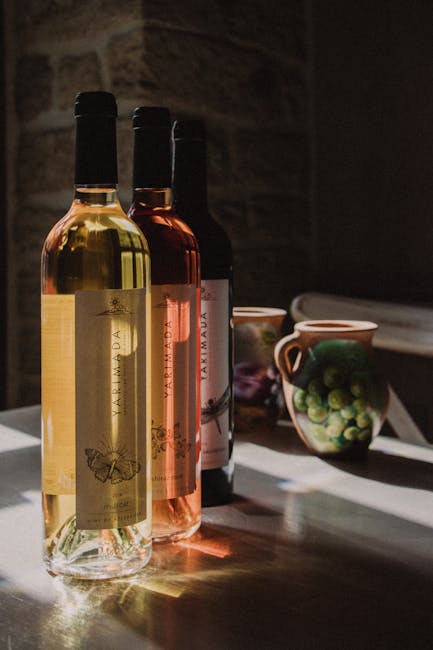
Sensory notes: Vidiano, a Cretan white, is often described as rich with pear and white flower aromas and a crisp acidity — it pairs beautifully with grilled fish and herb salads. Kotsifali‑based reds are typically supple, fruity with a hint of spice — excellent with lamb stews or strong cheeses. Orange wines, increasingly popular on the island, show fine tannic texture and notes of citrus peel and black tea, and match well with spicy dishes or hearty mezzes.
Practical tasting tips:
- Always book: small estates often schedule visitors around harvest and vineyard work. Call or message 48 hours in advance.
- Ask for local pairings: winemakers love to share their favourite matches (e.g. Kotsifali with stifado, an onion stew).
- Transport: don’t plan to drive after a tasting. Hire a driver, use local taxi services, or join an organized tour that includes transport.
- Buy on site: many estates sell wines not exported. Bottles usually range from €8 to €30 depending on age and rarity.
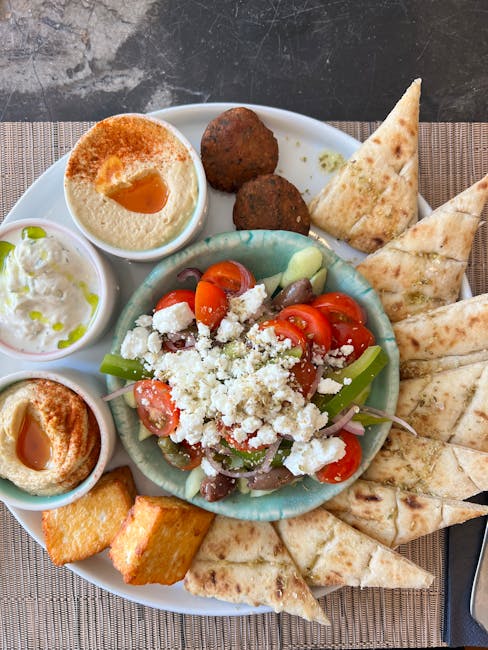
Finally, expect Cretan generosity at the table: it’s common to leave with a small sample of olive oil or a jar of honey as a gift. If you plan to buy bottles, bring an insulated bag to protect them from heat, especially in summer.
Wine Route: A Typical Day on the Forgotten Hills
If you want a full day of tastings, here’s a realistic itinerary from a base in Heraklion or Chania. This route mixes larger houses and micro‑estates, culinary stops and breathtaking scenery.
Early morning departure from Heraklion (or Chania) — 09:00: Drive to Episkopi Pediados. First stop: Lyrarakis Winery (Episkopi Pediados, 70100, Heraklion). Estimated arrival 09:30–10:00. Visit duration: 60–90 minutes. Budget: €12–25 per person depending on the option chosen. This first stop helps you understand local white varieties and observe the hillside sun exposure.
Click here to taste Cretan wines and enjoy a gastronomic lunch
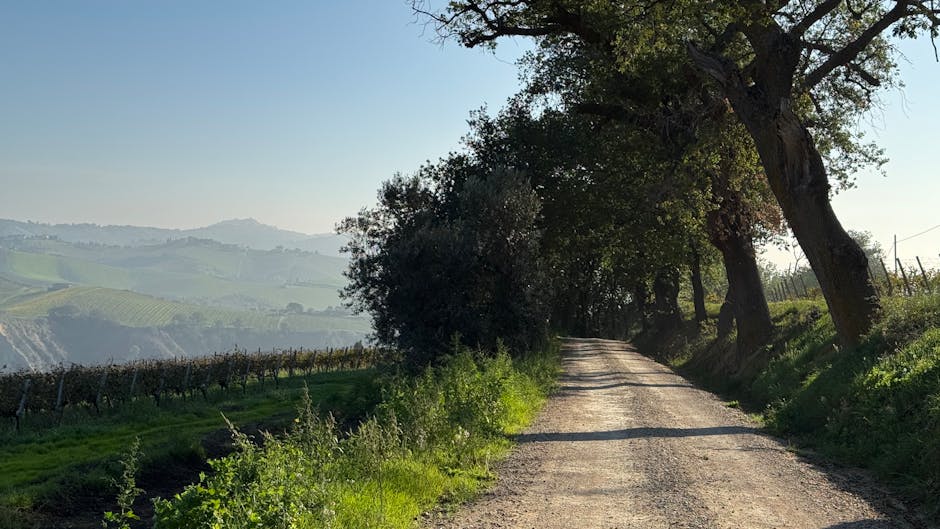
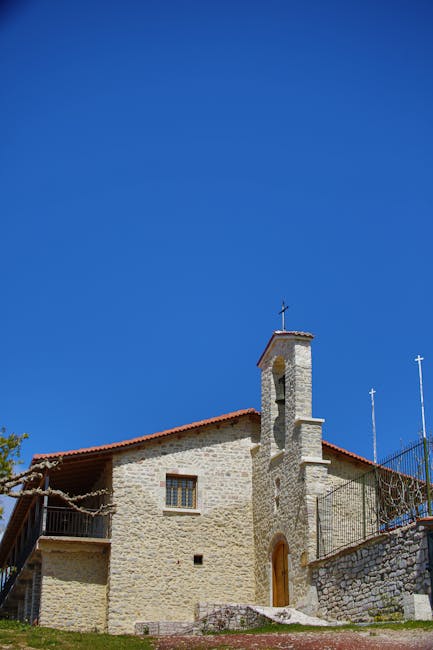
11:30: Drive to Dafnes (20–30 minutes). Visit Dourakis Winery (Dafnes, 70011, Heraklion). Tasting & light snack: €10–18. The village of Dafnes is a traditional setting for a short stroll, a visit to the local church (Agios Georgios) and views over the Messara plain. Take the opportunity to buy a bottle to take home.
13:30: Lunch at a local taverna. Suggestion: Taverna “To Steki tou Psara” (example), address to confirm locally — expect dishes priced €8–18, with mezzes, fish and stews. Tip: choose lamb or fish dishes to pair with Cretan reds and whites. Don’t forget to ask for a glass of raki to aid digestion.
15:30: Head west if you’re based in Chania, or visit other micro‑estates if you’re staying near Heraklion. For instance, from Heraklion you can climb into the Rethymnon hills to discover small family estates (areas: Axos, Zoniana). If you’re in Chania, Manousakis (Skalani, 73014) is a great option to finish the day. Aim to finish visits before 18:00 as many small producers close late in the afternoon.
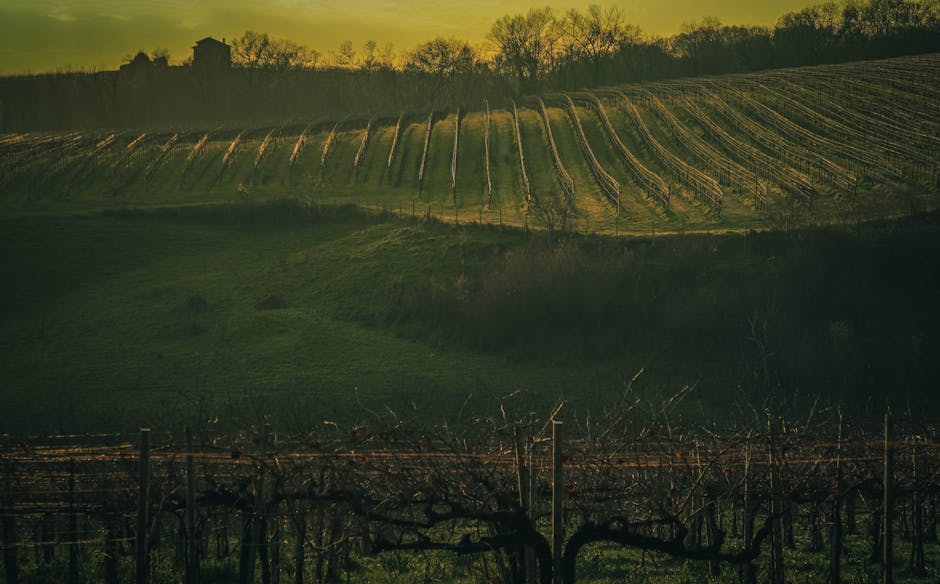
End of day: 18:00–19:00. Return to your accommodation with a stop for sunset over the sea or one last photo of the hills — the golden light elevates even an ordinary bottle. Approximate daily budget (without private transport): €40–90 per person, covering two tastings, lunch and the purchase of one or two bottles. With a private driver or organized tour, expect €120–200 depending on duration and number of stops.
Logistics tips:
- Plan for shoulder season (April–June, September–October) for fewer crowds and better access to small producers.
- Prepare for summer heat: bring a hat, sunscreen and water — some tastings are outdoors.
- Learn a few Greek words (thank you = efcharistó, goodbye = antío); winemakers appreciate the effort and conversations become richer.
Practical Tips and Cretan Wine Vocabulary
To make the most of your tasting experience, here are practical tips, useful addresses and a mini‑glossary to help you talk with winemakers and read labels.
Practical tips:
- Transport: renting a car is the most flexible option. Prefer a small hatchback for mountain roads. For safety, consider a driver for tastings or join an organized tour (average price €70–120 per person for a day depending on group size).
- Payment: some estates accept cash only. Always carry some cash (€20–50 extra) for purchases or impromptu visits.
- Storage: if you buy multiple bottles, ask the estate to pack a crate for transport or offer international shipping — this avoids breaking souvenirs on the flight home.
- Health & safety: bring a small first‑aid kit, drink water regularly and avoid driving after tastings.
- Local respect: harvests are communal. If you visit during this time be discreet and ask before photographing people at work.
Useful vocabulary:
- Krasi (κρασί) = wine
- Raki (ρακή) = local distilled spirit often served as a digestif
- Meraki (μεράκι) = to do something with passion (handy to describe a winemaker’s attitude)
- Apothiki (αποθήκη) = cellar or storage
- Amfóra (αμφορέα) / amphora = clay jar used for ageing
- Parcela = parcel (ask “posos metra ke gortina?” to estimate the plot size)
How to read a local label:
- Look for the estate name (e.g. Lyrarakis, Dourakis, Manousakis).
- Identify the grape variety: Vidiano, Thrapsathiri, Kotsifali, Liatiko, Dafni.
- Vintage: important for reds; whites may be vintage‑dated or not depending on style.
- Special mentions: “Aged in amphora”, “Estate bottled”, “Organic” — these indicate methods.
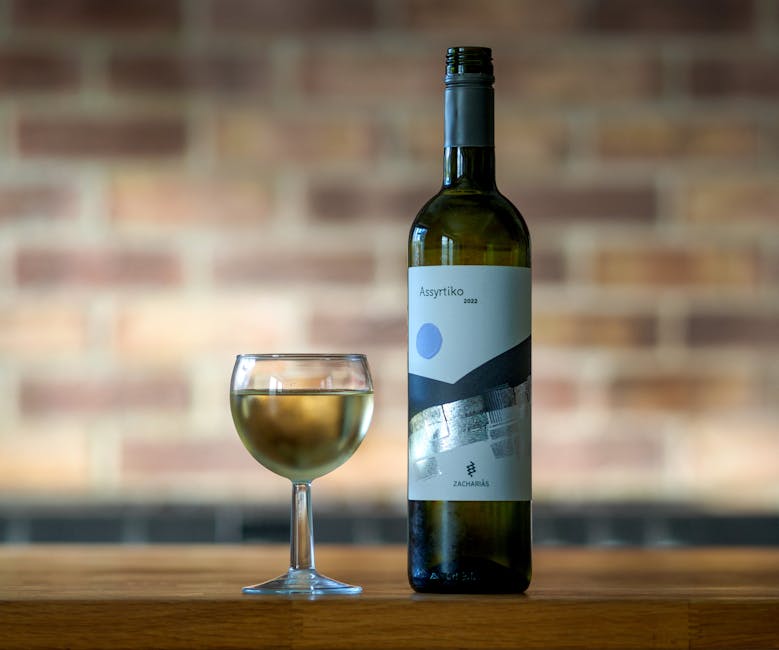
Final practical tip: bring a tasting notebook to note impressions (aromas, pairings, prices). Buying directly from producers is the best way to support fragile vineyards; prioritise purchases at the estate. And give yourself time: a successful tasting is not a rapid succession of glasses, but a conversation, a story and often a shared meal that reveals Cretan generosity.
Useful Resources and Contacts
To organise your visits, here are a few useful contacts (official sites should be checked before you travel):
- Lyrarakis Winery — Episkopi Pediados, 70100 Heraklion. Phone: +30 2810 123456 (example, verify official site). Reservations often possible by email via the estate website.
- Dourakis Winery — Dafnes, 70011 Heraklion. Phone: +30 2810 654321 (example). Visits by appointment.
- Manousakis Winery — Skalani, 73014 Chania. Phone: +30 2821 987654 (example). Tastings daily in season.
Note: the phone numbers above are examples; check current contact details and book ahead, especially in high season.
Conclusion: Take a Piece of Crete Home
Exploring the wines of Crete’s forgotten hills means agreeing to move at the pace of curiosity. It’s not about chasing labels or theatrical novelty, but a patient discovery of local stories and labour shaped by climate, stone and sea. Family estates, micro‑producers and village cooperatives offer wines that speak of where they come from: stony soils, sea breezes, long dry days, early harvests and careful tending. These wines — sometimes rustic, sometimes quietly elegant — deserve to be tasted in the setting that birthed them: on a stone terrace with bread, graviera cheese and a Cretan sunset.
Taking part in a tasting on these hills also supports a fragile rural economy, helps preserve rare grape varieties and values sustainable farming practices. Buying a bottle directly from a producer is more than a souvenir: it’s a gesture of solidarity with families who maintain the landscape and biodiversity of the island.
When you leave you won’t just take tasting notes; you’ll carry encounters — a winemaker who showed you a red‑clay parcel, an old village lady who shared a stew recipe, a terrace overlooking the sea where the last glass outshone all the rest. Crete keeps its secrets kindly: some estates open their doors to visitors, others remain closed. Take the time to ask, to listen and to return. And above all, keep an open mind: a wine that surprises you today could become your most treasured memory tomorrow.