





Introduction
Crete, the largest Greek island, is famed for its golden beaches and whitewashed villages — but if you look down and pay attention to the ground level, it hides another treasure: an extraordinary flora, often endemic, that colonizes cliffs, dry stream beds and shady niches inside the gorges. A botanical hike through Crete’s canyons is more than a walk: it’s a sensory immersion into a world of subtle scents, bold colors and tiny microhabitats, where every square meter can shelter a unique species. You’ll find carpets of crocuses in spring, brilliant Cretan tulips, fleeting orchids flirting with the light and small shrubs that seem to exist nowhere else.
This guide invites you to follow botanical routes, understand flowering seasons, locate rare species and prepare outings that respect these fragile ecosystems. We’ll cover iconic gorges like Samaria and Imbros, but also lesser-known spots such as Kourtaliotiko and Richtis — each offering different landscapes, exposures and soils, all major drivers of plant diversity. You’ll also get practical information (access points and opening hours, fees, safety tips) plus recommendations on gear, the best seasons and local operators for guided trips.
Field botany requires patience and respect: observe without uprooting, photograph without trampling and keep your distance to avoid disturbing pollinators. This piece will also give concrete pointers to spot emblematic Cretan species — Tulipa bakeri (Cretan tulip), Crocus oreocreticus (mountain crocus), Cyclamen graecum (cyclamen), Ophrys cretica (bee orchid) — and explain their preferred habitats within the gorges. Finally, we’ll share useful local tips: info centres, seasonal opening times, entrance or crossing fees, and how to get there and where to stay from Chania or Heraklion.
Whether you’re an amateur naturalist, a keen photographer or a curious hiker, this article will help you plan rewarding, responsible outings. Crete’s gorges are a natural stage where geology, climate and human history have carved unique ecological niches: walking them in time with the blooms will reveal a less-visited, equally memorable side of the island.
The Must-Visit Botanical Gorges of Crete
Crete has dozens of gorges, but some stand out for their rich plant life and accessibility for botanical hiking. Here are the gorges to prioritize, with access addresses, hours and practical fees to help you plan in the field.
Samaria Gorge (Samaria National Park)
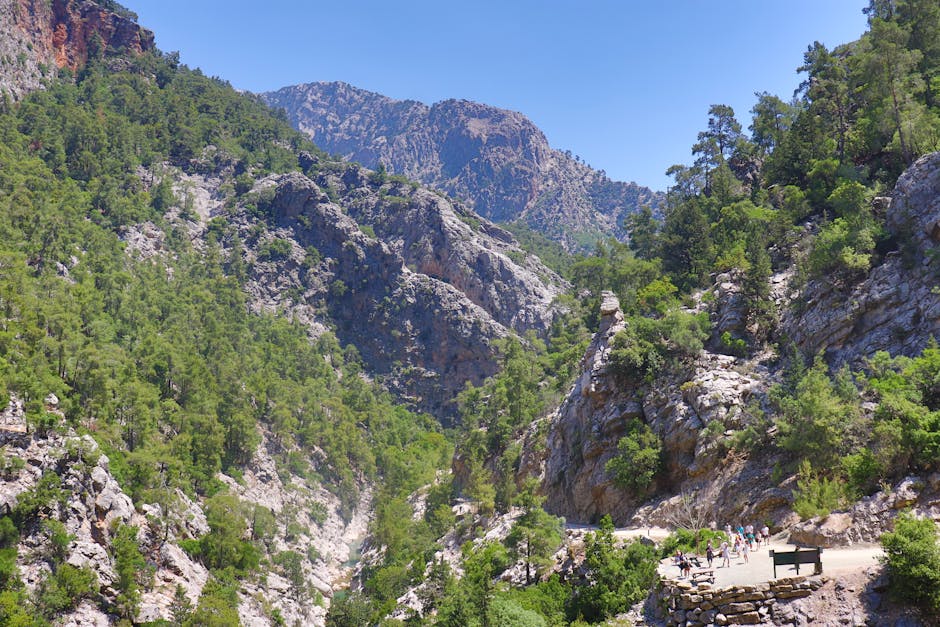
Description: Samaria Gorge, managed as Samaria National Park, is the island’s most famous gorge and one of the longest in Europe. It stretches from the Omalos Plateau down to the village of Agia Roumeli, cutting through the dramatic cliffs of the Lefka Ori (White Mountains). The gorge floor, made of limestone rock and sheltered shade, hosts beds of cyclamens, Cretan tulips in late spring and a variety of wild orchids. The main trailhead sits at Xyloskalo on the Omalos Plateau.
Access address (administrative point): Samaria National Park Management Agency, Omalos Plateau, 730 11 Chania, Crete, Greece.
Fee: Park entrance ticket approximately €5.00 per person (indicative, seasonal).
Hours: Generally open from May 1 to October 31; recommended entry times are in the morning between 07:00 and 10:00 to avoid heat and crowds. The park can close earlier due to adverse weather or during winter months.
Practical tips: Wear sturdy hiking boots (the trail has slippery stones and steep sections), carry water (at least 2–3 litres per person in summer) and a hat. Main vehicle access is via the national road between Chania and Omalos; park at the Xyloskalo parking area (GPS coordinates available at the information centre). At the exit, Agia Roumeli has ferries to Sougia or Chora Sfakion; ferry fares range from €10 to €20 depending on destination and season.
 Click here to book a day trip to Samaria Gorge
Imbros Gorge (Imbros Gorge)
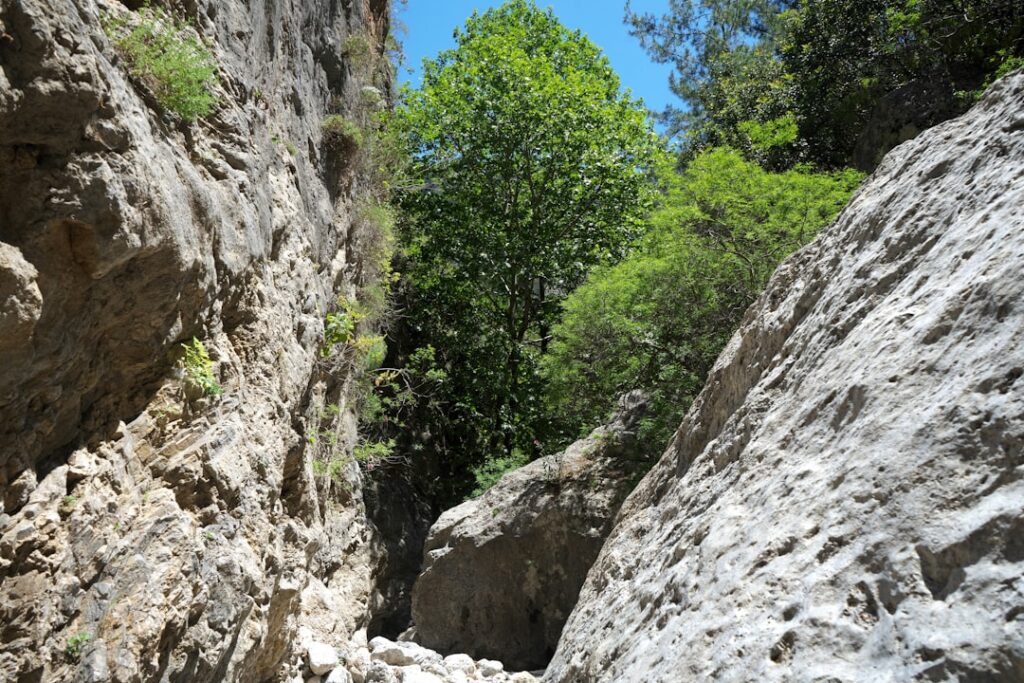
Description: Shorter and less demanding than Samaria, Imbros Gorge features spectacular cliffs and a diverse Mediterranean flora — perfect for a half-day botanical outing. Sunny slopes favor Limonium (statices), local asters and several late-flowering orchids. Its more intimate feel allows close observations away from the bigger crowds, especially in spring.
Access address: Trailhead at the village of Imbros, 730 08 Imbros, Kissamos, Chania, Crete, Greece.
Fee: Free (no official entrance charge); however local guides offer accompanied hikes from €25–45 per person depending on duration.
Hours: Accessible year‑round; best times for botany are 08:00–11:00 and late afternoon outside heat waves.
Practical tips: The path is well marked but narrow; avoid heavy rain which can make descents slippery. For spotting plants, start in the morning to enjoy low-angle light on the cliffs and more active pollinators. The village of Imbros has a few tavernas (e.g. Taverna Panorama, Imbros Village) for a post-hike lunch.
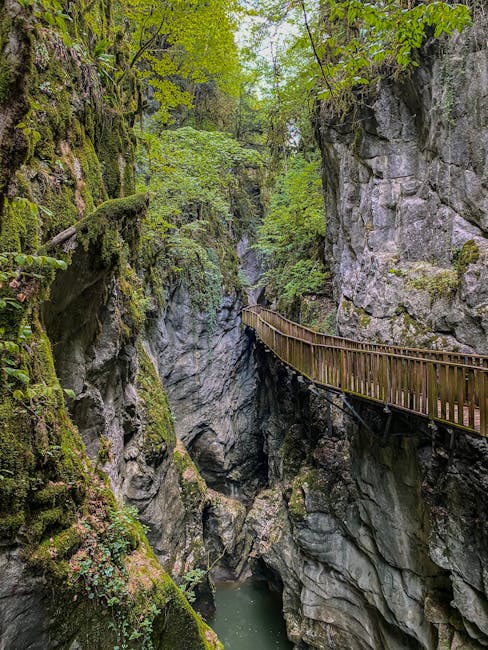
Kourtaliotiko Gorge (Kourtaliotiko Gorge)
Description: Located near the southwest coast, Kourtaliotiko Gorge (close to Preveli Beach and the Preveli Monastery of Agios Nikolaos) combines steep cliffs and humid microclimates that create a refuge for ferns, aromatic shrubs and coastal wildflowers. Sea breezes create a contrast between typical Mediterranean flora and rarer species linked to the constant humidity of the deep ravines.
Access address: Kourtaliotiko Gorge entrance near Koxare Road, Plakias–Rethymno area; nearest village: Koxare, 740 52 Plakias, Rethymno, Crete, Greece.
Fee: Free access; some private areas or parking lots may charge €2–5 for parking.
Hours: Accessible year‑round; best periods are spring (March–May) and autumn (September–October).
Practical tips: Combine the hike with a visit to Preveli Monastery (Preveli Monastery, Preveli Beach area, 740 60, phone local offices) and Preveli Beach to observe the transition from land to sea flora. Watch for signage and rockfall zones; wear a lightweight helmet if you plan to explore narrow sections.
Click here to book an adventurous guided hike in Kourtaliotiko
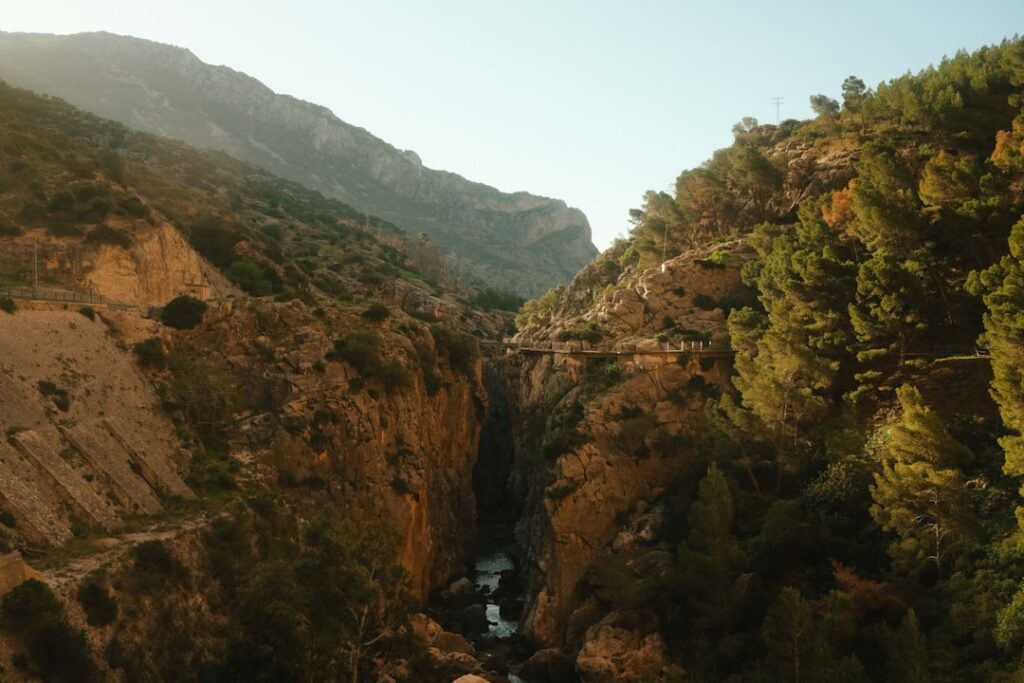
Richtis Gorge (Richtis Gorge)
Description: Located in eastern Crete near Agios Nikolaos, Richtis Gorge leads to a beautiful waterfall and cuts through oak and maple woodlands. The relative humidity and shaded areas encourage mosses, ferns and understory species that are rarer in the drier western gorges. It’s an ideal spot for comparative studies of island flora.
Access address: Richtis Gorge Trailhead, Exo Mouliana, Sitia, 723 00, Lassithi, Crete, Greece.
Fee: Free (open access); parking and local services are either free or donation‑based (depending on local management).
Hours: Accessible year‑round; the waterfall is most spectacular after winter rains and in spring. Recommended start time: early morning up to 15:00.
Practical tips: The trail finishes near Richtis Beach; bring swimwear and sandals for a dip after the hike. Watch for side trails that lead to vegetated ledges rich in endemic plants. Check in Exo Mouliana village for the latest trail condition updates.
Rare and Endemic Flowers to Look For
Crete is a genuine Mediterranean hotspot for endemics. The gorges, with their microclimates, provide niches where rare species thrive. Here’s a selection to watch for, with descriptions, flowering periods and preferred gorge habitats.
Tulipa bakeri — the Cretan tulip
Description: Tulipa bakeri, commonly called the Cretan tulip, produces small cup-shaped flowers in pink to purple tones. It’s found in alpine meadows and rocky slopes at higher elevations, notably on the Omalos Plateau and around Samaria Gorge. Flowering: late March to late April.
Habitat: well-drained soils, subalpine grasslands, limestone scree.
Observation tips: Look for it on sun-exposed meadows after snowmelt. Never pick them: leave the bulbs in the ground to ensure future reproduction. Shoot close-ups at dawn to capture the morning dew.
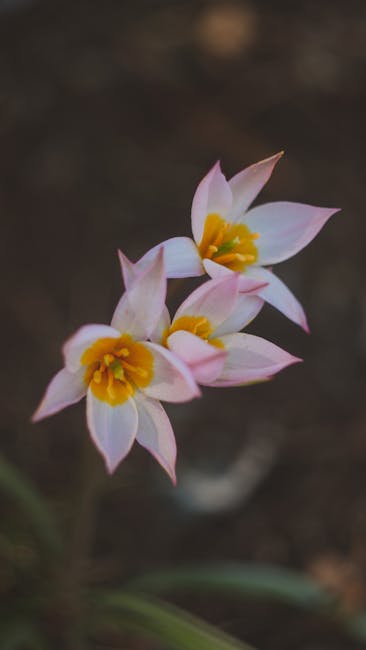
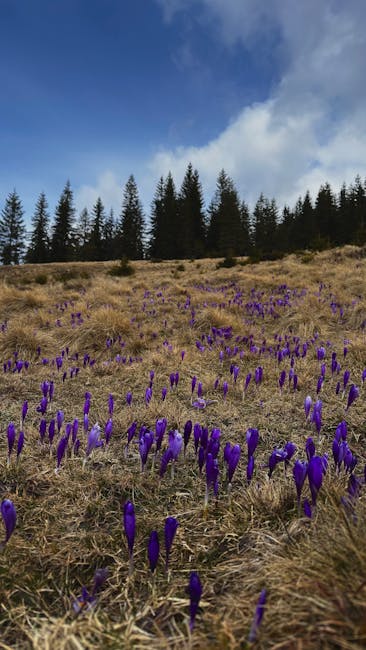
Crocus oreocreticus — the Cretan crocus
Description: This mountain crocus, white with lilac shades, is endemic to some of Crete’s higher areas. It appears very early in spring, often before most other plants wake up, lighting up the rocks with sudden splashes of color.
Habitat: rocky slopes, limestone cracks, mid-to-high elevations (1200–1900 m).
Period: February–April, depending on altitude.
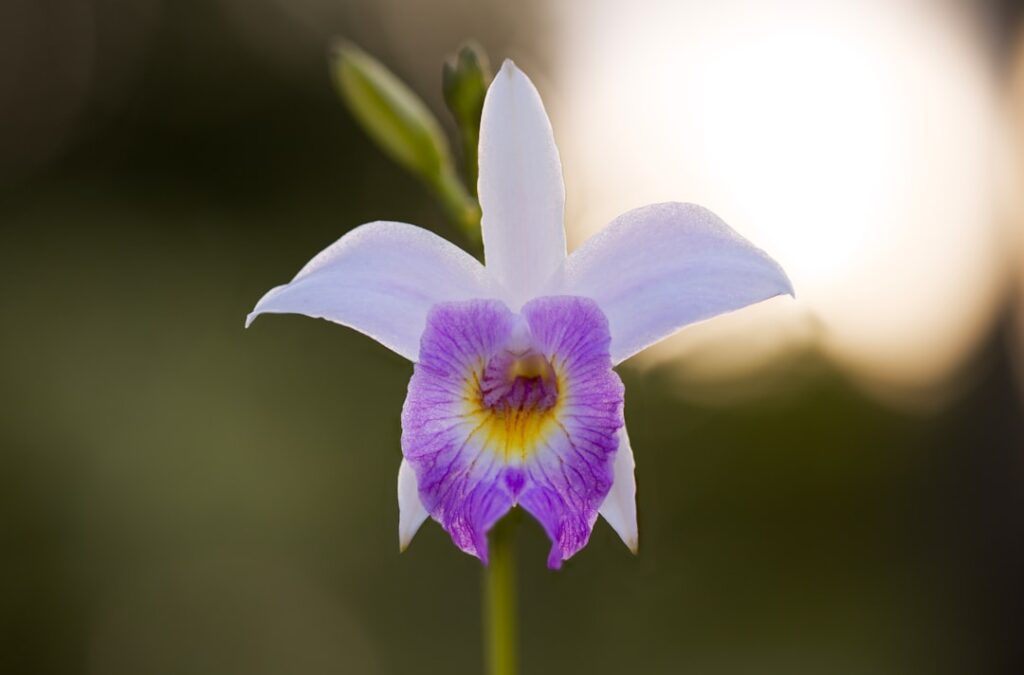
Tips: Approach carefully — crocuses are often surrounded by fragile grasses. Backlighting makes their translucent petals reveal beautiful textures.
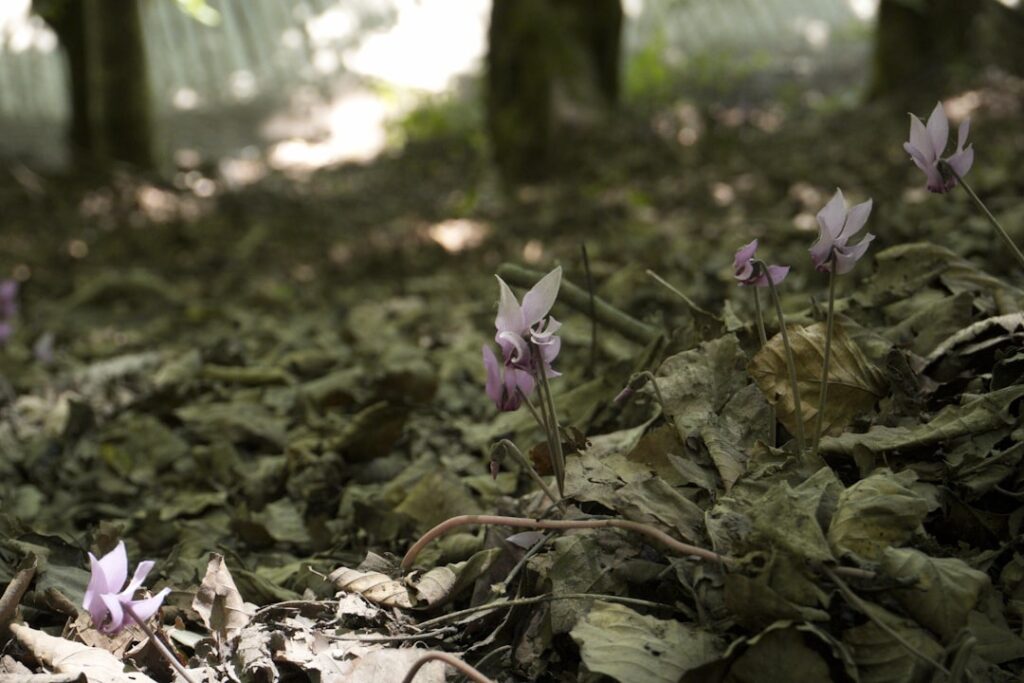
Cyclamen graecum — the Cretan cyclamen
Description: Wild cyclamens often form part of the floral carpet in shaded woodlands and gorge undergrowth. Cyclamen graecum has delicate upswept petals and marbled foliage. They emerge in autumn and can flower through late winter, making shady gorges like Richtis an ideal time to visit.
Habitat: woodland understory, damp crevices, shaded banks.
Tips: For ethical viewing, avoid trampling leaf litter and never dig up tubers. The contrast of flowers against mossy rock is especially photogenic at dusk.
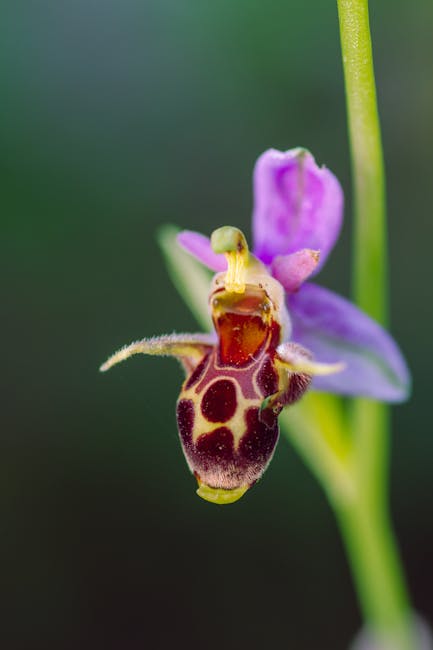
Ophrys cretica and other wild orchids
Description: Orchis and Ophrys species (bee orchids and relatives) compete to attract pollinators through mimicry. Ophrys cretica, a local orchid, displays intricate patterns that mimic an insect’s abdomen. They often hide in grassy tussocks near cliffs or along trail edges.
Period: April–May (some taxa may bloom into June).
Habitat: poor grasslands, limestone meadows, woodland edges.
Tips: Orchids are extremely sensitive; observe from a distance and avoid close-range flash or intense strobes that can disturb pollinators. Use a macro lens to capture details without getting too close.
Other notable species
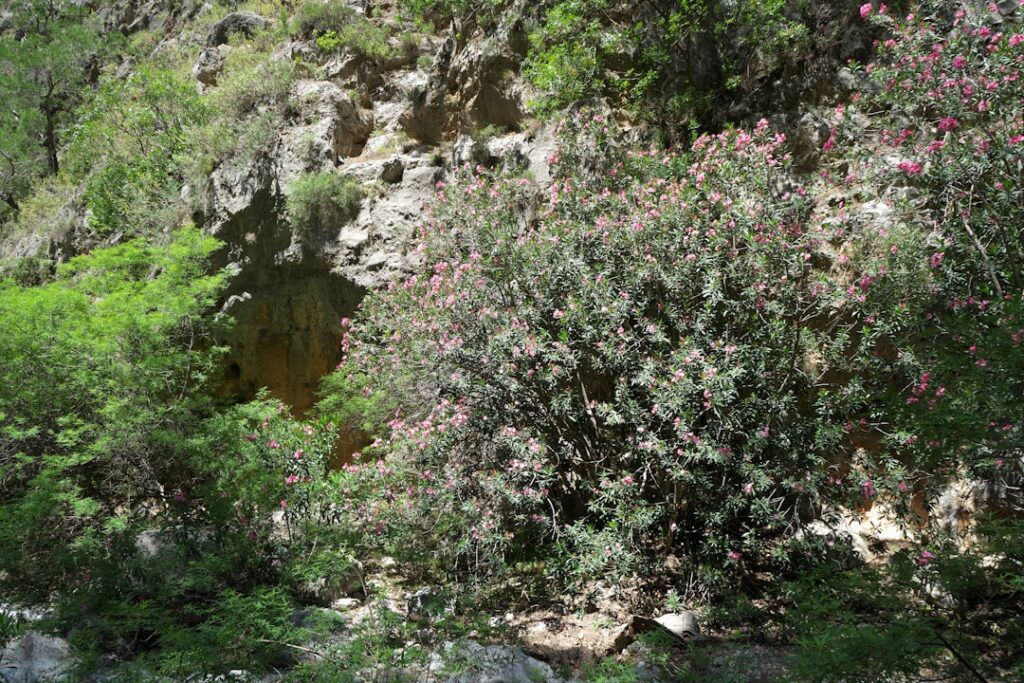
Other plants worth noting include aromatic species (Thymus capitatus, Origanum dictamnus), Limonium creticum (cliff statice) and several endemic subspecies of saxifrages and carnations (Dianthus spp.) found on ledges. Coastal zones of gorges exposed to sea spray sometimes host Pancratium maritimum (sea daffodil) on sheltered beaches, notably at Agia Roumeli and around gorge mouths.
Practical Tips for a Successful Botanical Hike
Planning, gear, environmental respect and local contacts: to make the most of the gorges and their rare flowers, follow these concrete recommendations.
Best seasons and times
Season: Spring (March–May) is the prime time to see most blooms — crocuses, tulips, orchids and aromatic plants are at their peak. Autumn (September–November) brings secondary blooms and milder temperatures, ideal for south-facing gorges like Kourtaliotiko. At high elevation (Omalos, Lefka Ori) flowering can be delayed into June.
Times: Start early (07:00–09:00) for optimal light, cooler temperatures in summer and higher pollinator activity. Late afternoon brings low-angle light for dramatic photos.
Recommended gear
- Sturdy hiking boots, mid- to high-cut, grippy soles.
- Breathable layering; a lightweight windproof for gorges exposed to sea winds.
- Hat, sunglasses, sunscreen and a lightweight insect net depending on season.
- 2–3 litres of water per person (more in summer) and energy snacks.
- First aid kit, paper map or GPS, external battery for your phone.
- Local botanical guide or a plant ID app (e.g. iNaturalist) for responsible recording.
Environmental respect: Do not pick plants, do not dig up bulbs, and stay on marked trails to avoid erosion and habitat destruction. Most rare species are protected under local regulations and fines can apply for removal.
Local guides and excursions
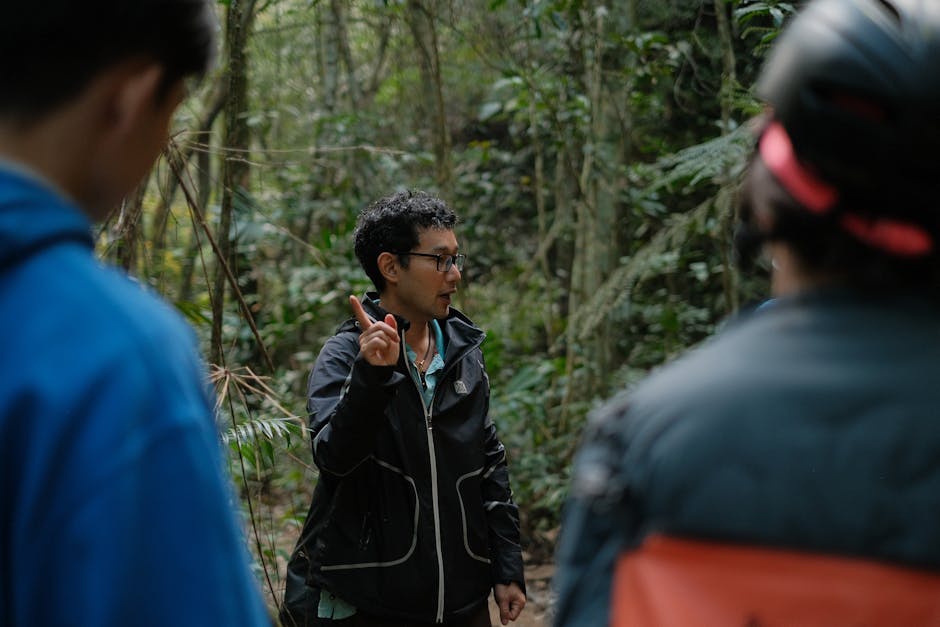
Hiring a naturalist guide is highly useful: they’ll help identify plants, explain microhabitats and ensure a safe hike. Here are a few contacts and suggestions:
– Samaria National Park Management Agency (Omalos Plateau, 730 11 Chania) provides brochures and free information; visit the park office.
– Local hiking agencies in Chania: Crete Hiking Adventures (office: 30 Chalidon Street, Chania 731 32 – verify opening hours), independent guides in Anogia (Anogia Village Center, 740 60) offer botanical tours on request (indicative rates €40–70 per person for a half-day depending on group size).
Fees: Guided excursions vary by duration and specialization (from €25 for a short walk to €100+ for a private multi-day trek including transfers).
Transport and recommended places to stay
From Chania: Renting a car is recommended for access to plateaus and gorge trailheads (rental prices vary €30–70 per day depending on vehicle and season). Regional buses (KTEL Chania) serve some villages like Omalos and Imbros; check local timetables.
Accommodation: To explore Samaria, stay in Omalos (basic guesthouses) or in Chania for more options:
– Voukolies Guesthouse, Omalos Plateau, Omalos 73011 (indicative nightly rate €35–60 depending on season).
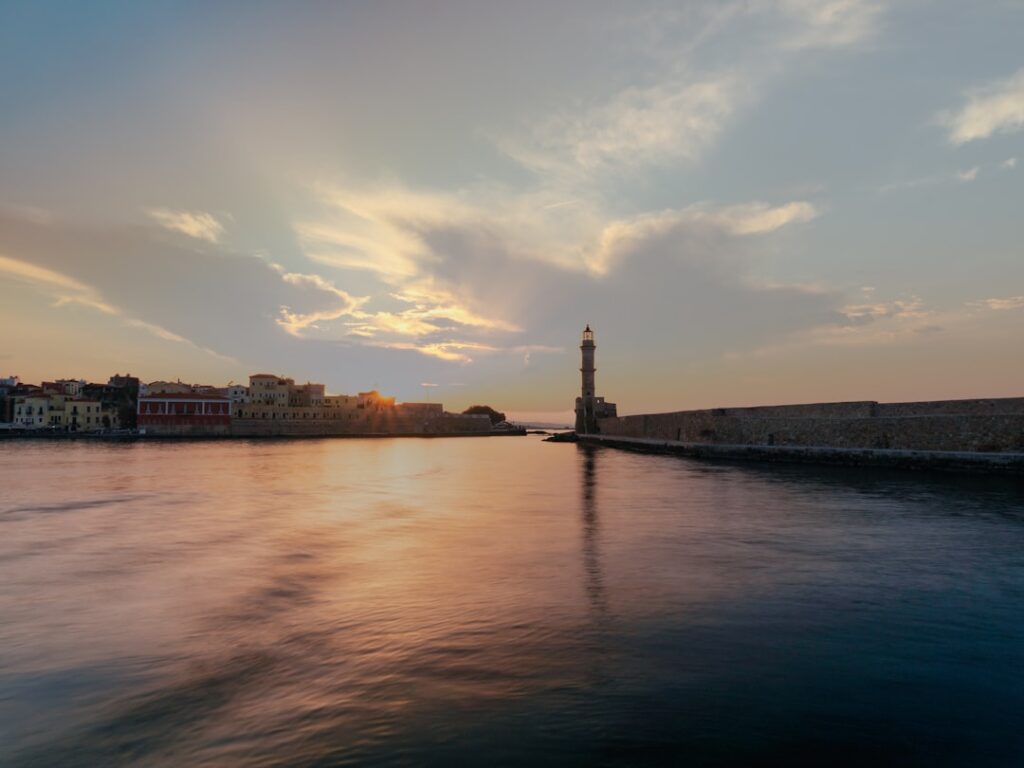
– Casa Delfini Hotel, Old Harbour, Chania, 73100 Chania (rates €70–150).
For the south (Rethymno/Plakias):
– Plakias Bay Hotel, Plakias, Rethymno 74060 (rates €60–120).
Logistics tips: Book ferries from Agia Roumeli to Sougia/Chora Sfakion the day before your Samaria hike during high season; schedules can change and boats often have early morning departures and late-day returns.
Useful addresses and numbers
– Samaria National Park Management Agency, Omalos Plateau, 730 11 Chania, Crete. Phone (local office): +30 28210 (check with local tourist offices for the full number and hours).
– KTEL Chania Bus Station, Vas. Georgiou 20, 73131 Chania Town, Crete — ticket office for regional bus timetables.
– Tourist Information Centre – Chania, Plateia 1866 (1866 square), Chania Old Town, 731 00 Chania — typical hours: 09:00–17:00.
Note: Official numbers and opening hours are seasonal and subject to change; always confirm before you set off.
Conclusion
Botanical hiking in Crete’s gorges combines scientific discovery with pure aesthetic pleasure. From the limestone cliffs of Samaria to the intimate channels of Imbros, the humid microclimates of Richtis and the marine mouths of Kourtaliotiko, each gorge offers its own plant micro-universe to explore. Learning to observe — recognizing habitats, keeping an eye on flowering windows and behaving respectfully — transforms a simple hike into a lasting, rewarding discovery.
Practically speaking, a successful outing depends on preparation: knowing flowering calendars, choosing the right gear, checking ferry and road schedules and considering a guide to deepen botanical understanding. The information here (access points, indicative fees and local tips) will help you plan with confidence, but keep in mind seasonal variability in schedules and conditions. Check with Chania tourist offices and park managers for official updates before you go.
Finally, remember that Crete is not just a backdrop — it’s a living habitat. By following protection rules, photographing without disturbing and choosing responsible providers, you help preserve the rare species you came to admire. Take home photos, notes and, above all, the memory of seeing flowers found only here — on an island shaped by sea, stone and wind, where biodiversity still surprises at every turn.