




Introduction — Imbros: the hidden gorge for curious hikers
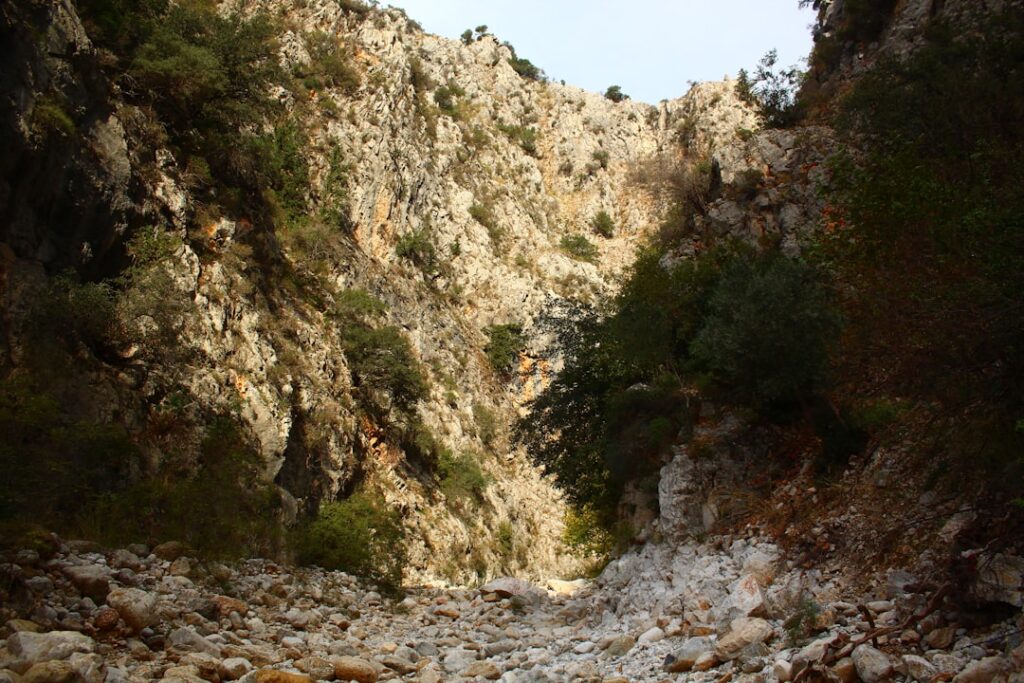
South of Chania on the island of Crete lies a lesser-known gorge that’s every bit as captivating as the famous Samaria, but more intimate and easier to access: Imbros. About 8 kilometres long, the Imbros Gorge (Imvros Gorge in Greek) winds through warm-hued limestone walls, gnarly olive trees and narrow passages that delight hikers looking for something authentic. Unlike the summer crowds that flock to Samaria, Imbros keeps a quieter, almost confidential atmosphere where every bend offers a fresh take on the area’s geological and human story.
If you enjoy half-day hikes, classic Mediterranean scenery and the feeling of stepping into wild landscape without straying far from Cretan villages, Imbros is made for you. The trail links Komitades (the village of Imbros) to the coastal village of Hora Sfakion, crossing ravines, shaded stretches and viewpoints that plunge toward the Libyan Sea. For the curious hiker, the gorge also reads like a social document: old terraced fields, remnants of mule paths and traces of a mountain life shaped by farming and herding.
This article walks you through the route step by step — from the trailhead and practical directions to the must-see viewpoints and what to expect at the finish — and gives precise tips: addresses, prices, opening times, recommended gear and local tricks to make the most of your visit. We’ll also flag interesting options to extend your day: castles, beaches and museums nearby that pair perfectly with an Imbros outing. Whether you plan to hike independently or include Imbros in a broader Crete itinerary, you’ll find an immersive, practical guide to prepare your adventure.
Before you set off, remember that although Imbros Gorge is accessible to many visitors, it remains a natural environment. Seasons, weather and fitness levels strongly affect perceived difficulty. We’ll outline the best times to hike, daylight hours, water points and transport options to join or leave the trail. Finally, we’ll share local tips — from the recommended taverna at the finish to a small gesture to help preserve the site — so your visit is both enjoyable and responsible.
 Click here to book a guided Samaria Gorge tour
The trail and the hiking experience — step-by-step description
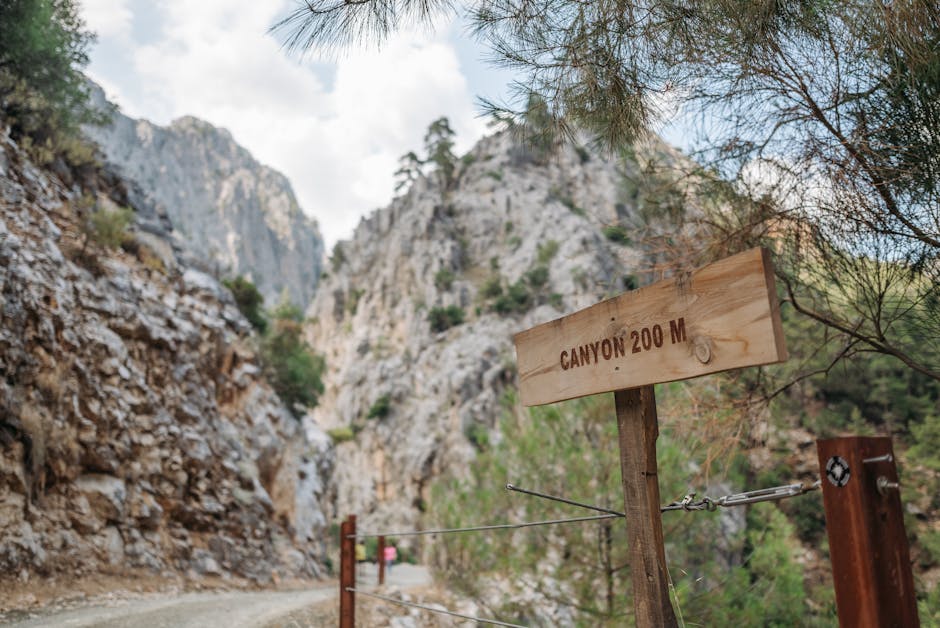
The Imbros route officially starts at the village of Komitades (also called Imbros), with the approximate location: Komitades, 730 11 Sfakia, Chania, Crete, Greece. The trail runs about 8 km and typically takes 2 to 3 hours depending on pace and breaks. The trailhead is easy to spot: a small car park and an info hut usually mark the entrance. Some visitors report a small symbolic entry fee (around €2 per person) that goes toward trail maintenance — a modest amount but it can vary, so bring some change. The path is well-defined, alternating rocky sections, cut steps and narrow passages where the gorge tightens and you may need to walk single-file.
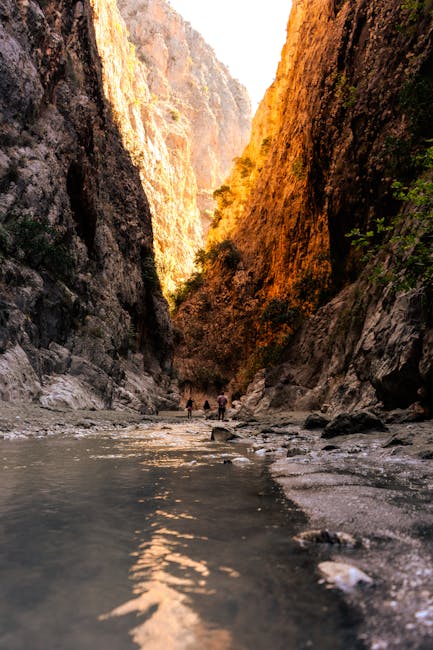
The first few hundred metres immerse the hiker in a Mediterranean canyon atmosphere: ochre cliffs, lone pines and the scent of scrubland. Soon the trail becomes a succession of natural platforms, stone stairways and sunlit banks. Around halfway, you may pass areas where the path squeezes between low cliffs — perfect moments to slow down, study the geology and take photos. The route gently descends toward the sea, which means the return ascent will feel a bit more demanding if you choose to hike back up.
The trail is graded easy to moderate: suitable for hikers with a reasonable fitness level but not recommended for people with reduced mobility because of steps and tight spots. Families with teenagers will enjoy the variety, while very young children may require a baby carrier or a sturdy off-road stroller. Lightweight hiking shoes or trail runners with good grip are recommended year-round. In summer, carry plenty of water (at least 1.5–2 litres per person), sun protection, a hat and energy snacks.
The traditional end point is the harbour of Hora Sfakion (Chora Sfakion), address: Main Street, Hora Sfakion, 730 11 Sfakia, Chania, Crete, Greece. The reward at the finish is immediate: a quiet beach, fresh fish tavernas and sometimes a boat to reach other secluded coves. If you prefer not to walk back, you can arrange transport from Hora Sfakion to Komitades (local bus, taxi or organized shuttle). Transport timetables are seasonal; in summer a regular KTEL bus connects Sfakia and Chania several times a day. Aim to start early if you want to avoid the heat and catch the best light for photos.
How to get there and practical information (times, fees, parking)
Accessing Imbros is straightforward from the main departure points in western Crete. From Chania, plan about a 1-hour drive (roughly 45 km) via the E65 main road and the Daskalogianni-Komitades secondary road. From Heraklion it’s longer (around 3 hours). Most travellers rent a car for flexibility; however, regional KTEL buses (intercity company) also serve the area from the Chania bus station (KTEL Chania) at 37 Daskalogianni Street, 731 32 Chania. Bus schedules: during high season morning departures to Sfakia are frequent, but check timetables in advance on the official KTEL Chania site or at the station.
Parking: at the gorge entrance in Komitades there’s a small free or voluntary-contribution car park (sometimes €1–3 for the day depending on the season and whether an attendant is present). A handy GPS address is Komitades, 73011 Sfakia. Note that spaces are limited in high season; arriving early (before 9am) will almost guarantee a spot and cooler walking conditions. At Hora Sfakion there’s a car park near the harbour where most visitors leave their vehicles if they’ve taken a shuttle or bus back.
Fees and opening hours: Imbros Gorge is a natural site that is generally free to access. Some years a local management hut requests a small contribution of around €2 per hiker (indicative and subject to change). There are no strict opening hours — the trail is accessible 24/7 — but hiking at night is strongly discouraged. If you want to visit nearby sites, here’s some useful info:
- Frangokastello (Frangokastello Fortress) — Address: Frangokastello, 730 11 Sfakia, Chania, Crete, Greece. Open 24/7, free entry. Free parking. The fortress overlooks a sandy beach and is particularly photogenic at sunset.
- Chania Archaeological Museum — Address: 1 Chalidon Street, 731 32 Chania. Opening hours: usually 08:30–15:00 (seasonal variation; closed on some holidays). Admission: around €6 (reduced rates and free entry sometimes available).
- Hora Sfakion (harbour) — Address: Main Street, Hora Sfakion, 730 11 Sfakia, Chania, Crete, Greece. The harbour has tavernas like « To Limani » (check the local sign) serving fresh fish and Cretan meze. Typical taverna hours: 09:00–22:30 in low season, extended in summer. Average meal cost: €12–20 per person depending on choices.
For return transfers, ask about local taxis in Hora Sfakion (local number available at the harbour) or private shuttles offered by some hiking agencies. In high season boat taxis also link isolated beaches and Loutro, a village only reachable by sea. Carry a paper map or an offline copy of your route: mobile coverage can be patchy in the gorge and surrounding mountains.
Points of interest, viewpoints and nearby sites
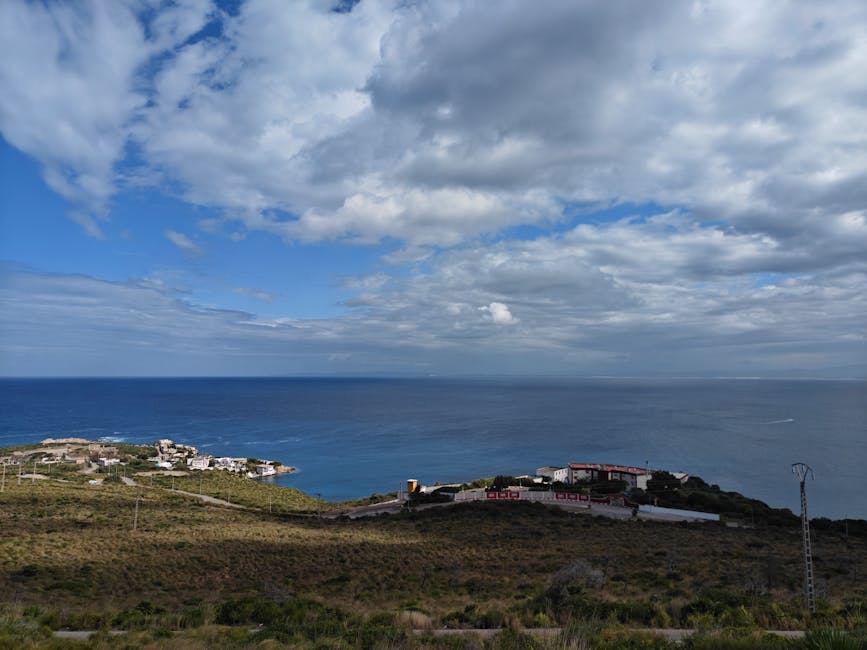
Imbros Gorge is more than a rocky corridor: it sits in an area rich in history and remarkable sites. Here’s a selection of spots worth visiting around the gorge, with addresses and tips.
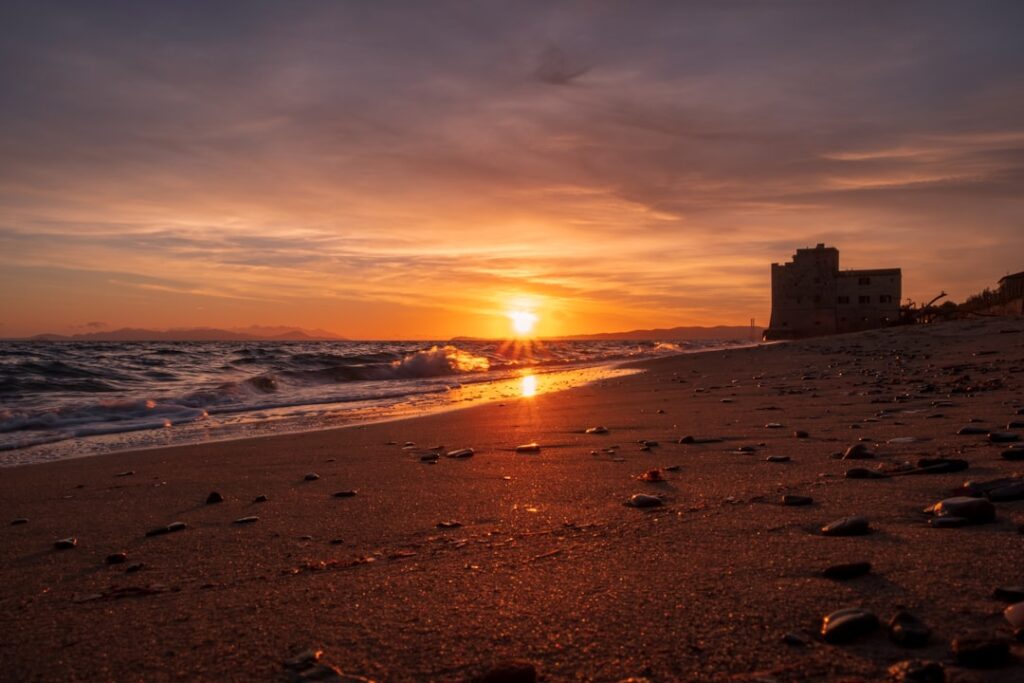
- Frangokastello (Frangokastello Fortress) — Address: Frangokastello, 730 11 Sfakia, Chania, Crete, Greece. This 14th-century Venetian fort, restored and firmly set on a sandy beach, is perfect for a swim after your hike. Access is free and the site is open all day; enjoy the sunset over the fortress, a popular photo moment. The waters are clear and shallow — ideal for cooling off.
- Hora Sfakion (harbour) — Address: Main Street, Hora Sfakion, 730 11 Sfakia, Chania, Crete, Greece. The harbour has tavernas like « To Limani » (check the local sign) where fresh fish and Cretan meze are served. Typical opening hours: 09:00–22:30 in low season, longer in summer. Average meal price: €12–20 per person depending on dishes.
- Komitades village (Imbros) — Address: Komitades, 730 11 Sfakia, Chania, Crete, Greece. A small traditional village at the trailhead. You’ll find guesthouses, a small grocery and occasionally a local taverna serving frappé coffee, dakos (Cretan salad) and a friendly welcome. It’s the perfect spot to stock up on water and supplies before the hike.
- Secluded beaches and coves — If you extend your day from Hora Sfakion you can take a boat taxi to Loutro or Glyka Nera (Sweet Water). Connections are seasonal; indicative fares: €10–20 per trip depending on destination. These coves offer turquoise waters and rare tranquillity.
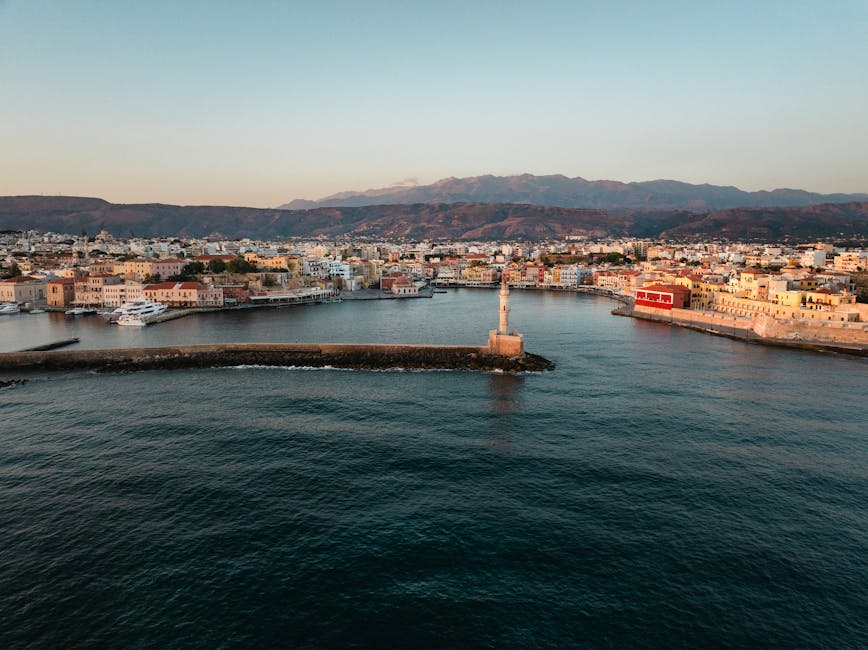
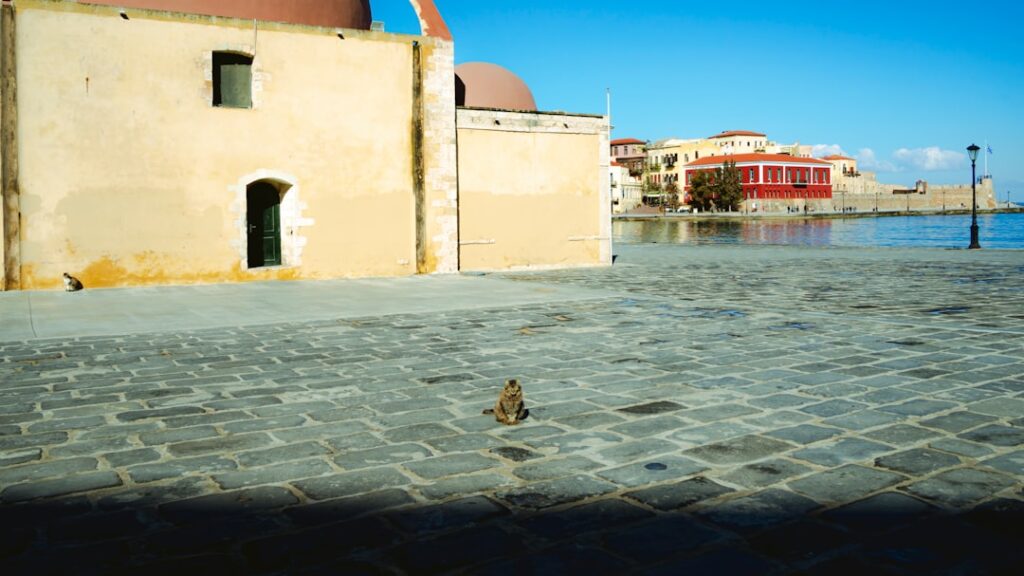
- Museums and heritage near Chania — To round out your visit, see the Chania Archaeological Museum (1 Chalidon Street, 731 32 Chania), with collections covering prehistory to the Roman period. Opening times: generally mornings; admission around €6. For an urban panorama, the Old Venetian Harbour in Chania is especially photogenic at sunrise or sunset.
Each of these places complements the Imbros experience: after effort comes the reward of a beach, the history of a castle or the warmth of a village taverna. Photographers should plan to hike early for low-angle light on the cliffs or late afternoon for warmer tones and dramatic silhouettes.
Click here to book your Loutro visit with boat ticket
Local tips, safety and the best time to hike
To enjoy Imbros safely and comfortably, follow a few practical tips trusted by locals and regular hikers on Cretan trails. First rule: check the weather. Southern Crete has a hot, dry Mediterranean climate in summer, but storms or strong winds can make the path slippery or unpleasant. Avoid the gorge after heavy rain: limestone channels can become hazardous and the risk of rockfall increases.
Best time: late spring (May–June) and early autumn (September–October) offer pleasant temperatures (roughly 20–28°C) and still-green vegetation. July–August is hot (30°C+): start very early, hydrate frequently and take shady breaks. Winter can be wet and cool; some sections may be muddy or impassable.
Recommended gear:
- Hiking or trail shoes with grippy soles.
- At least 1.5–2 litres of water per person in summer, more if you sweat heavily.
- A hat, sunglasses and SPF 30+ sunscreen.
- A lightweight wind/rain jacket depending on season.
- Energy snacks (dried fruit, cereal bars) and a small first-aid kit.
- A headlamp if you think you might finish late, although daytime hiking is preferred.
Safety and responsible behaviour:
- Stay on the marked trail: it protects vegetation and reduces rockfall risk.
- Don’t leave rubbish: carry your waste to village bins.
- Respect locals and their property: some fields and side paths are still used by shepherds.
- Tell someone your plan if you hike alone and give an estimated return time.
Practical local tips: start before 9am in summer to beat the heat; if you want a full meal at the finish, tavernas on Main Street in Hora Sfakion serve fresh fish and Cretan meze for €12–25 per person. For the return, book a local taxi in advance during high season (number available at the harbour or through your hotel). If you want to extend your hiking, contact local tourist offices (Tourist Office of Sfakia, Hora Sfakion) for nearby routes and guided services.
Conclusion — Why Imbros deserves a spot on your Crete itinerary
Imbros is the ideal gorge for the curious hiker who wants a genuine immersion without sacrificing the convenience of a doable half-day outing. It offers a rare combination: spectacular yet accessible scenery, views toward the Libyan Sea and close contact with life in small Cretan villages. Unlike longer, more demanding gorges, Imbros suits a wide range of visitors: active families, solo hikers, photographers chasing golden light and travellers seeking a mix of nature and cultural authenticity.
Logistically, its accessibility from Chania, the option to combine the hike with a swim, a visit to Frangokastello fortress or a boat trip to Loutro make the outing highly flexible: you can do a concentrated half-day or include it as the nature leg of a longer Crete route. Costs remain reasonable — access is typically free or a small contribution — and basic infrastructure (parking, tavernas, bus links) makes planning easy.
Finally, Imbros’ strength is its human scale. You’ll meet shepherds, villagers from nearby hamlets and fellow travellers who, like you, want to feel the true heartbeat of Crete. Respect the place, come prepared and take the time to enjoy the transition from stone to sea for a complete experience: effort, contemplation and a tasty reward by the water. If you leave wanting more, pair Imbros with a visit to the Chania Archaeological Museum (1 Chalidon Street, 731 32 Chania — roughly €6 entry) and a stop at the Venetian harbour for a striking contrast between wild nature and historic townscapes.
To sum up: start early, pack the right gear, bring water, leave no trace and keep your camera ready for the moments when the gorge opens unexpectedly onto the sea. Imbros promises an authentic Cretan hike — secret only to those who haven’t set foot there yet.
Click here to explore Chania Old Town with a guide