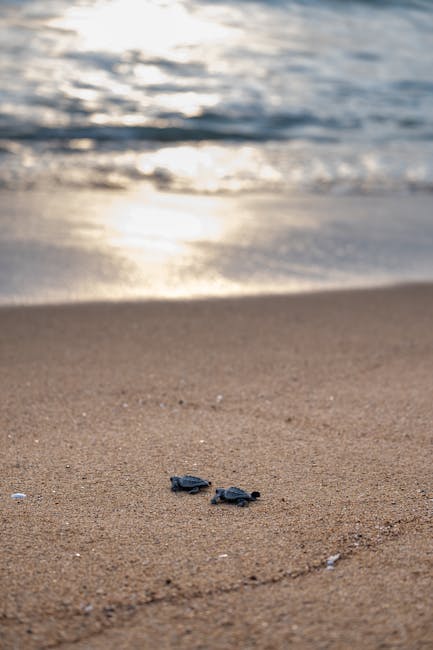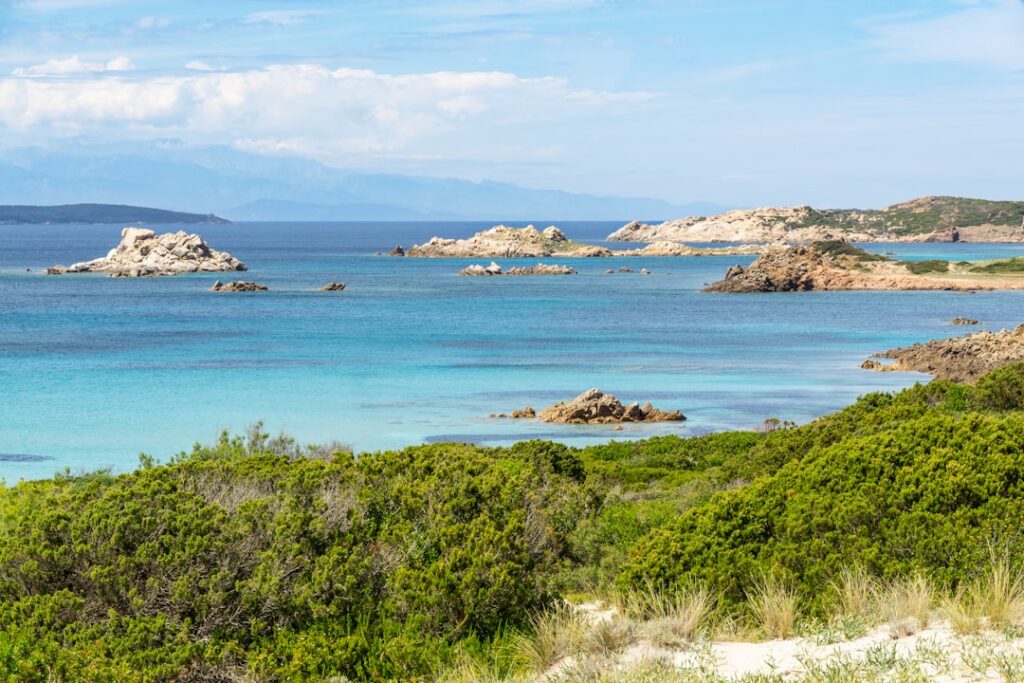






Introduction: Sea Turtles and Wild Beaches — Crete’s Coastal Sanctuaries
Crete, the largest island in Greece, is a living stage where ancient history, rugged terrain and pristine coastlines meet. Beyond Byzantine monasteries and dramatic gorges, it’s on the island’s wild beaches that nature puts on one of its finest shows: every year loggerhead sea turtles (Caretta caretta) come ashore on remote Cretan beaches to nest, turning stretches of sand into genuine sanctuaries. These areas aren’t mere tourist backdrops; they are sensitive habitats, vital nesting sites and witnesses to a fragile marine biodiversity.
In this article I’ll take you on a detailed, practical tour of those beaches where the sand keeps turtle tracks and where a careful ear reveals a nocturnal world most holidaymakers never see. We’ll cover specific spots like Kommos, Elafonissi, and Matala Bay, giving addresses, opening hours for local institutions, indicative prices for tours and services, and local tips on how to watch without disturbing. The goal: help you plan a responsible, informed trip that maximizes your chances of witnessing a natural miracle — a nesting event or hatchlings making their way to the sea — without ever jeopardising their survival.
Watching a turtle lay eggs is a rare, often nocturnal experience that demands patience, discretion and strict respect for protection rules. Crete’s wild beaches offer the setting, but they also require preparation: choosing the right time (season and hour), bringing the right gear (red light torch, low-profile clothing), and knowing local regulations. We’ll also list local support structures — museums, marine centres and conservation groups — where you can get up-to-date information, join volunteer programmes or report an injured turtle.
Finally, Cretan landscapes come in many moods: golden dunes swept by the Meltemi, turquoise lagoons sheltering posidonia beds, red cliffs plunging into the Aegean. These features all play a role in making beaches suitable nesting sites. This article will give you a practical mental map to explore them while adopting behaviours that help protect them — from sticking to marked paths to managing waste and controlling artificial night lighting. Lace up your hiking shoes, pack your patience and your ecological awareness: the Cretan coast awaits, quiet and alive.
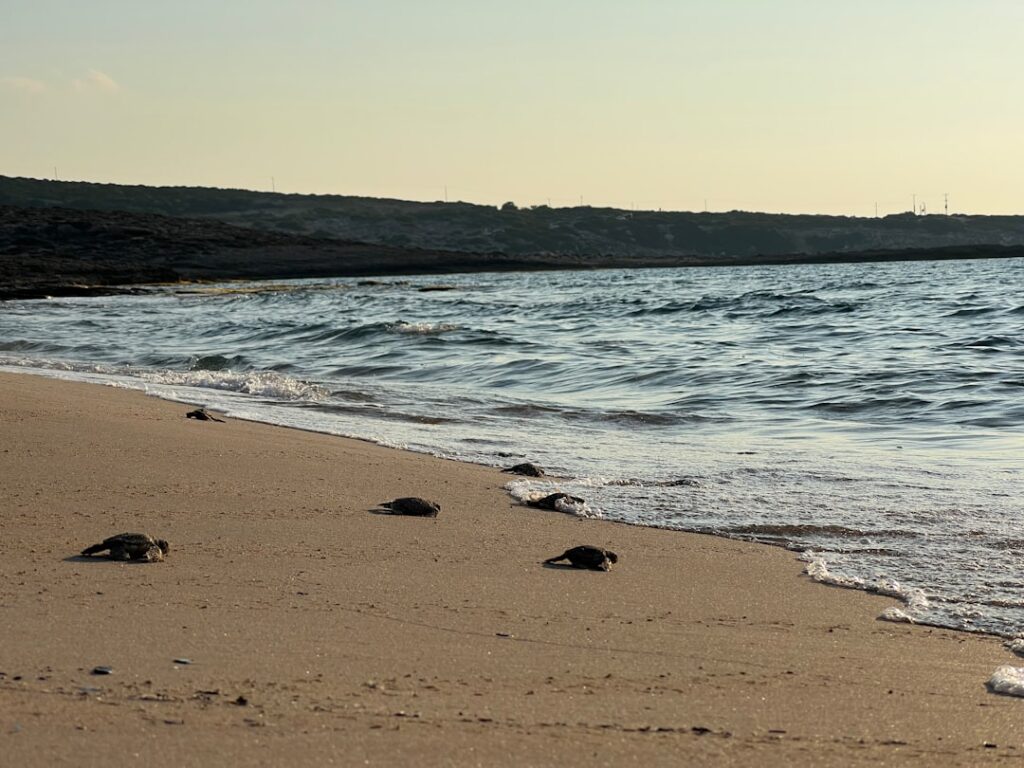
Kommos (Municipality of Gortyn): Historic Beach and Nesting Ground
Kommos, located on the island’s south coast in the Municipality of Gortyn, is one of Crete’s best-known sites for turtle watching. Exact address: Kommos Beach, 700 12 Pitsidia, Municipality of Gortyna, Heraklion Prefecture. The site combines a long stretch of fine sand, protected dune areas and an archaeological hinterland — Minoan-era ruins — that add a unique cultural dimension to the visit. Turtles nest at Kommos between May and August, with a nesting peak often in June and July.
Access and parking: Kommos is reachable by car from Pitsidia (about a 10-minute drive). There’s a small public car park at the main entrance (GPS coordinates are often shown on local signs). Parking is free but minimally equipped; parking fees may apply for tourist vehicles during high season (expect €1–3 per day depending on local management).
Visiting rules: the nesting zone is strictly protected. Walking through dune areas marked with posts and ribbon is prohibited. Observations must be made from a distance and without flash. In the evening, walking on the beach is tolerated if lighting is minimised: a red headlamp is recommended to reduce disturbance. Local authorities and volunteers typically mark discovered nests.
Nearby services and institutions: for information, the closest museum is the Natural History Museum of Crete — University of Crete (Nikiforou Foka 1, Voutes, 713 06 Heraklion; phone +30 2810 398173). Indicative opening hours: Tuesday–Sunday 09:00–17:00, closed Monday. Entry fee: around €6–8 for adults, reduced rates for students and seniors. Hours and prices can change, so it’s wise to check before you go.
Local practical tips: aim to visit early in the morning or after sunset to encounter wildlife without disturbing it. Bring enough water (there aren’t always stands open at night), protect yourself from the wind and sign volunteer registers if you want to help with monitoring. Also pay attention to camping bans: Kommos is often subject to strict rules to avoid light and noise pollution.
 Click here to book a sailing trip to southern Crete
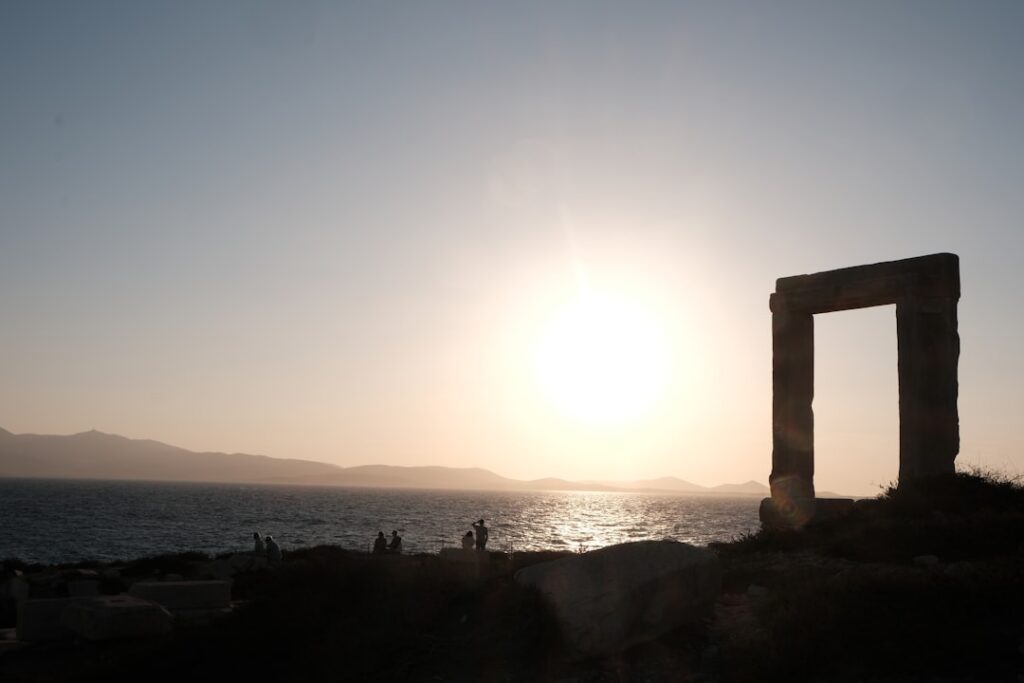
Elafonissi and Kedrodasos (Chania Prefecture): Dunes, Lagoons and Pink Sands
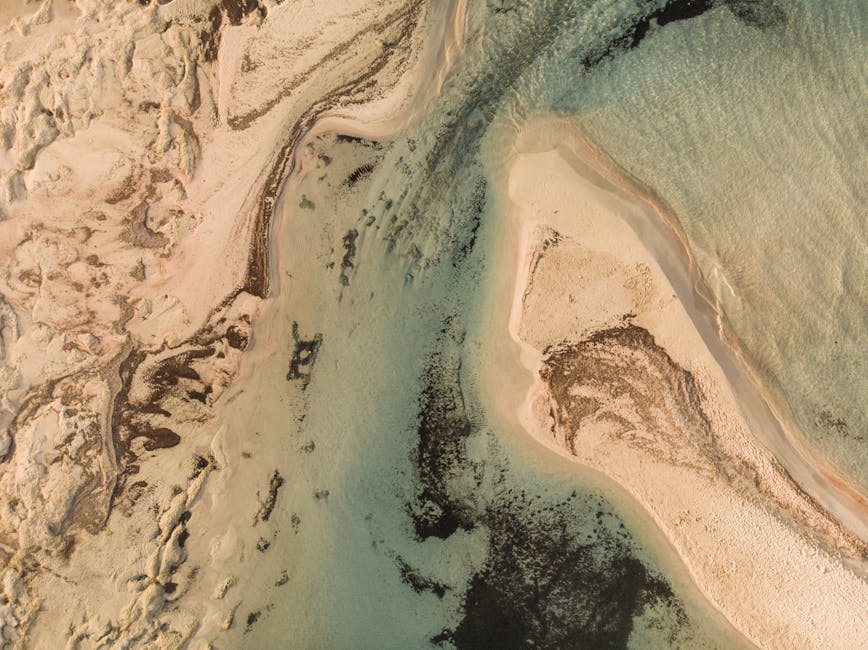
Elafonissi is famous for its pink-tinged sand and turquoise lagoons — a highly photographed image of Crete. Address: Elafonissi Beach, Elafonissi, 730 11, Municipality of Kantanos-Selino, Chania Prefecture. Nearby is the wilder, less crowded Kedrodasos beach, where a coastal cedar grove creates ideal nesting habitat. Turtles use these beaches between May and August; Elafonissi sometimes sees nests in June and July, while the more tranquil Kedrodasos provides an important refuge when tourism is heavy.
Access and parking: Elafonissi is reachable by car from Chania (roughly 75–90 minutes depending on the route). Official parking for Elafonissi: Kato Elafonisi Parking, Elafonissi, 730 11 — fees vary (in high season €2–5). Kedrodasos is a 10–20 minute walk from Elafonissi; the trail is well marked, but good shoes and water are recommended as shade is limited.
Rules and protection: Elafonissi is a protected area covered by local environmental regulations. Driving on the beach, camping outside authorised zones, and using strong lights at night are prohibited. Nests are often marked by volunteers or forest guards; never touch them. If you find an injured turtle, contact CRETAquarium Thalassocosmos (Address: Gournes Pediados, 710 14, Heraklion), or the local Chania municipality hotline: Municipality of Kantanos-Selino, 14, Square of Chania (town hall opening hours should be checked).
Additional activities: enjoy the coastal walks to observe endemic vegetation like twisted pines and sea sandwort. Elafonissi also offers kayak trips and guided walks led by naturalists (prices vary: typically €20–50 per person depending on duration). For an educational experience, CRETAquarium (Gournes, 715 00) has exhibits on marine biology and sea turtles: indicative opening hours 09:00–17:00, entry around €9–12 for adults.
Click here to join a premium catamaran trip to Elafonissi
Matala and the South Coast (Heraklion Prefecture): Caves, Cliffs and Turtle-Friendly Beaches
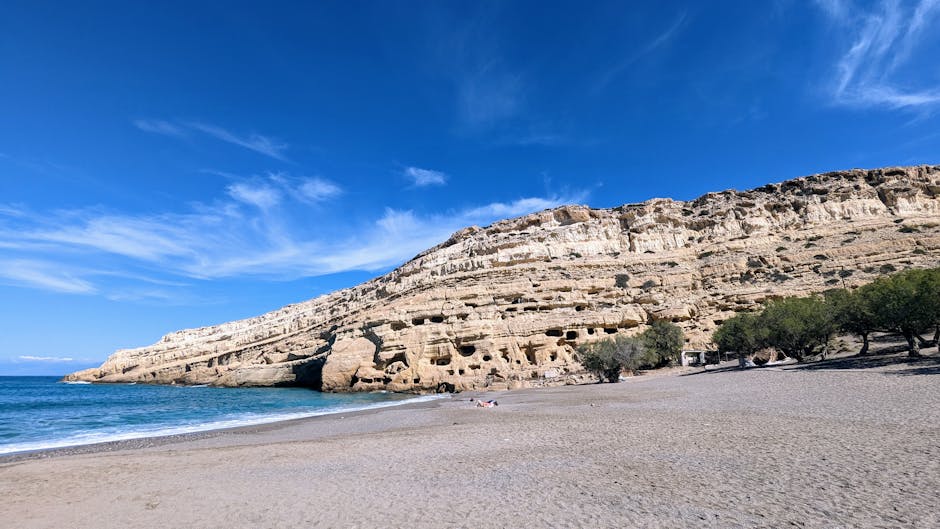
Matala, famous for its hippie-era caves carved into the cliffs, sits on the south coast of Heraklion Prefecture. Address: Matala Beach, 702 00 Matala, Municipality of Festos, Heraklion Prefecture. Matala and neighbouring sectors (Komos, Agia Galini, Triopetra) form a coastal arc rich in nesting sites for Caretta caretta. Matala blends cultural appeal with ecological sensitivity: heavy summer tourism means visitors must behave responsibly to protect turtle nests.
Access and parking: Matala is accessible from Heraklion via the national road (about a 1 h 15 drive). There’s a large car park near the beach (Matala Beach Parking, often paid in high season, around €1–3). From Matala you can hike along the coast towards Komos using marked coastal paths — a walk of 30 to 60 minutes depending on your starting point.
Observation and safety: nesting takes place at night; low-red light remains the only recommended illumination for rare nocturnal observations. The Matala caves are a protected archaeological site (Ancient Roman and Hellenistic tombs), so access to some areas is regulated: Archaeological Site of Matala — Matala Archaeological Site, 702 00 Matala (managed by the Ephorate of Antiquities of Heraklion). Opening hours and site fees vary by season; typical local site fees range from €2–8.
Local practical tips: avoid campfires and wild camping on the beaches during nesting season. If you want to help, check with the local tourist office: Office of Tourism, Municipality of Festos, Matala Tourist Information Point (often open 09:00–17:00 in season). Report any injured turtle to the town hall emergency number or marine rescue organisations (contact details are usually posted in tourist offices and on beaches).
Click here to book a day trip to Matala
Conclusion: Travel Responsibly to Protect Coastal Sanctuaries
Seeing sea turtles on Crete’s wild beaches is an experience that feeds both wonder and responsibility. Sites like Kommos, Elafonissi, Kedrodasos and Matala offer outstanding scenery — sandy shores, dunes, lagoons and cliffs — but they are also fragile ecosystems, essential for Caretta caretta reproduction. As a traveller, your role is not just to admire but to protect: respect marked zones, minimise night lighting, don’t leave rubbish and follow guidance from local authorities and conservation centres.
To prepare your trip, take the time to contact the local institutions mentioned (Natural History Museum of Crete, CRETAquarium Thalassocosmos, municipal tourist offices and Ephorates of Antiquities) to check current opening hours and prices. Pack a red light torch for night observations, bring water and clothing suitable for wind and sand. If you want to go further, look into volunteer programmes and nest-monitoring days: these initiatives let you contribute directly to conservation while learning from experts.
Finally, remember that encountering a turtle is a privilege and must happen without disturbing the animal. Photograph without flash, keep your distance, and favour guided trips run by local organisations for a richer, more respectful experience. Crete offers unique coastal sanctuaries — let’s protect them so future generations can also hear the shore’s silence broken by the slow breath of a sea turtle coming to nest.