





Introduction — Imbros Express: an easy hike through wild Cretan scenery
Crete is an island of dramatic contrasts: limestone mountains that plunge into the sea, whitewashed villages that overlook fertile valleys, and water-carved gorges that reveal a wild, intimate world. Among these wonders, Imbros Gorge (or Imvros Gorge) stands out as an accessible, fairly quick and incredibly photogenic hike: here you get the thrill of a Cretan canyon without committing to a full-day expedition. Hikers often call it the “Imbros Express”: a 1.5–2.5 hour walk (depending on pace and breaks) that threads through narrow cliff corridors, natural arches, fragrant pines and bright plateaus. It’s perfect for anyone who wants a taste of Crete’s wild side without dedicating a whole day or hauling heavy technical gear.
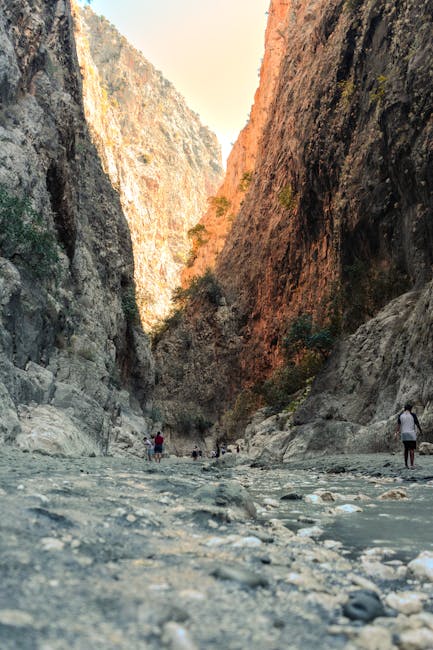
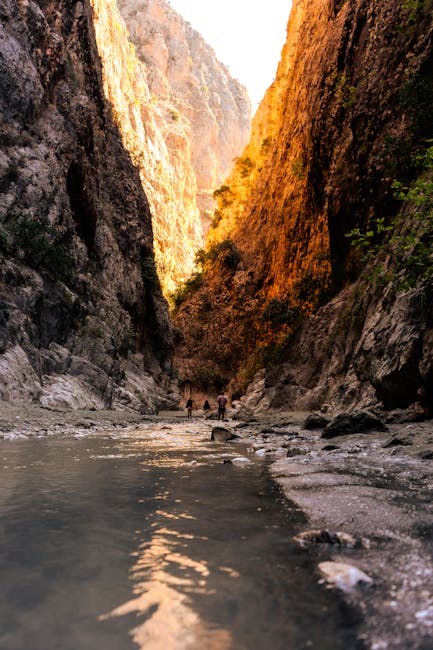
Starting from the village of Imbros and descending to the coastal hamlet of Komitades, the trail follows a mostly dry riverbed dotted with pebbles, polished slabs and easy rocky sections. The route is fairly well-marked and made safer by a few installed passages; nevertheless it retains an authentic, often deserted feel. The views alternate between tight carved limestone walls, light-filled gaps and glimpses of the Lefka Ori range (the White Mountains). The scents of thyme and acacia, the calls of redstarts and the silhouettes of wild goats complete this sensory immersion.
What makes the Imbros Express so appealing is its accessibility: families with teens, occasional walkers and travelers short on time will find the perfect compromise between moderate effort and scenic payoff. Unlike the better-known Samaria Gorge, which needs more preparation and sometimes permits, Imbros offers a shorter hike that is often doable outside high season, with the chance to stop at small local tavernas at the end. It’s also a great reintroduction to hiking in Crete for people who have just flown into Heraklion or Chania, or for travelers staying in Sfakia or along the coast.
In this article I offer a complete, immersive guide: trail description, geological and botanical highlights, practical info (addresses, opening hours, costs), transport tips (KTEL buses, car, taxis), safety advice and a selection of nearby places to visit around Imbros. By the end you’ll have everything you need to turn this “wild walk” into an unforgettable half-day along Crete’s south coast.
 Click here to book a full-day Samaria Gorge trip
The trail and scenery: a step-by-step immersion
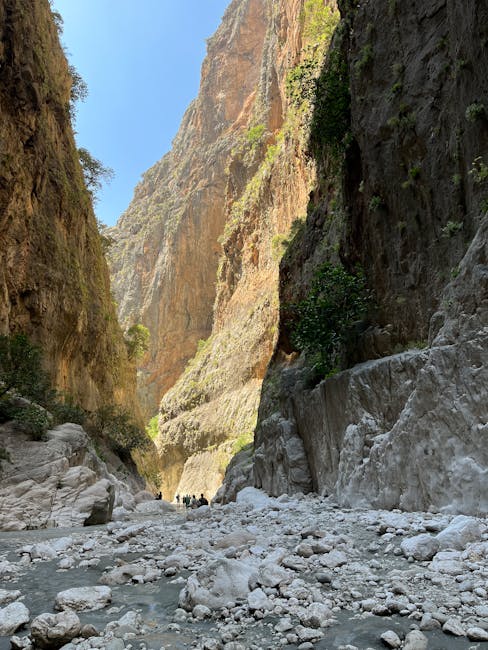
The official start is in the village of Imbros (Imvros), a small settlement perched on the edge of the plateau, dominated by terraced gardens and stone houses. The gorge entrance is easy to spot: a crack in the rock, an information sign and sometimes a small barrier where visitors leave a symbolic contribution. The path drops quickly, switching between shaded stretches and exposed sections, with natural steps carved into the rock and wide passages where the gorge opens onto the valley.
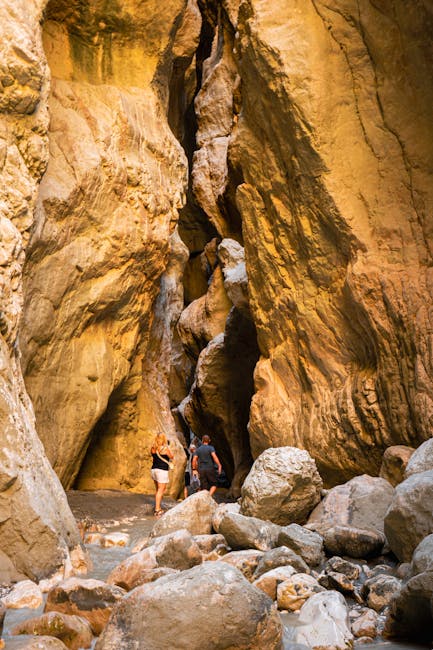
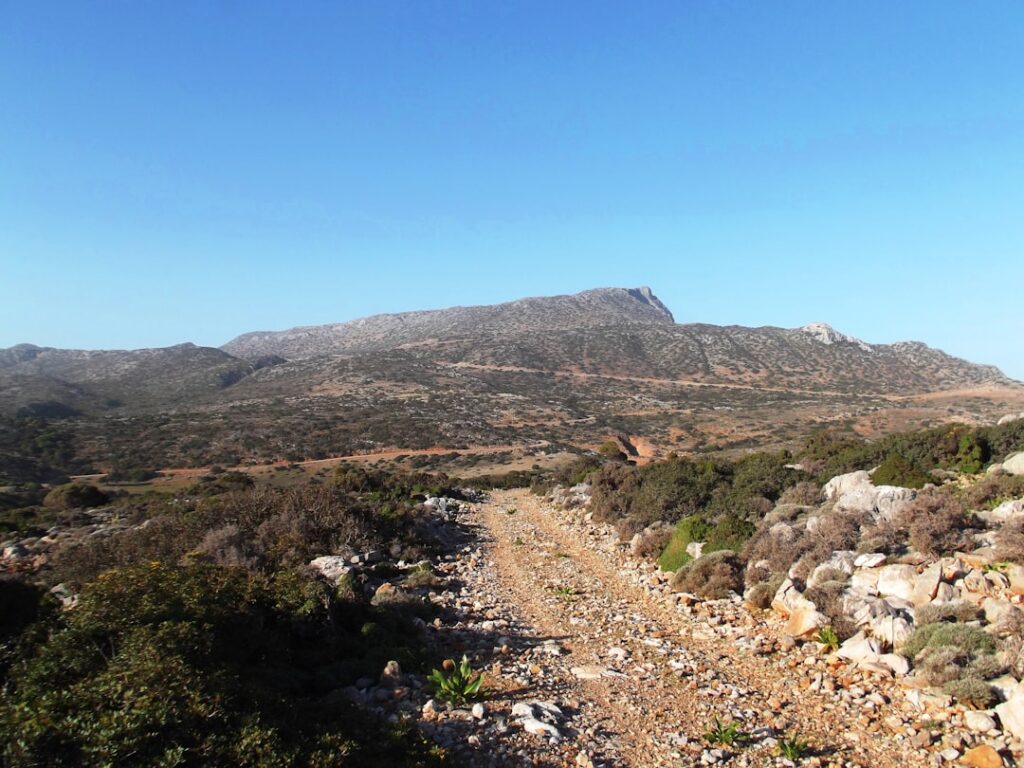
Physically, the hike follows an ancient streambed; expect to walk on a mix of pebbles, slabs and fine sand in some basins. The walls can reach several dozen metres high and show limestone strata in ochre and white hues, sometimes punctuated by small cavities and arches. Around halfway you’ll often find a natural arch formed by erosion — a perfect photo stop and a moment of wonder. Further down, the gorge widens gradually, offering views across scrubby hills and olive groves, before emerging in the peaceful village of Komitades, where a few welcoming tavernas await hungry hikers.
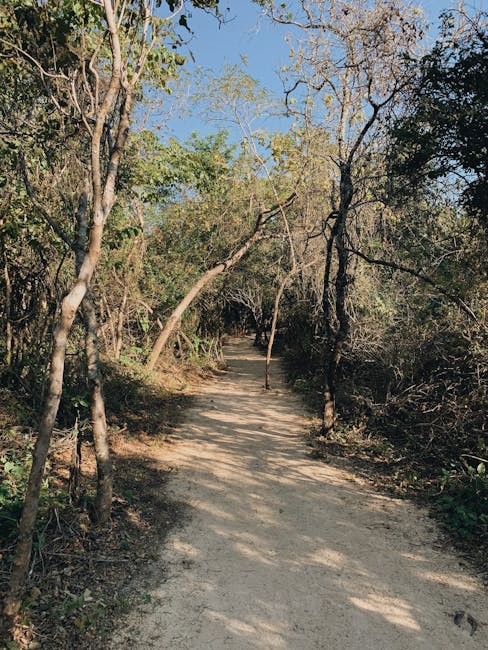
The vegetation is typically Mediterranean: Aleppo pines, strawberry trees (arbutus), rosemary and thyme bushes, and ancient olive trees along the trail. In season the gorge is speckled with wildflowers — asphodels, scillas and discreet orchids — that cling to the limestone. A shy fauna inhabits the area: lizards bask on sun-warmed rocks, passerines flit through the bushes and, occasionally, wild goats (Capra aegagrus cretica) scale the steep walls. The resinous and thyme-scented air, combined with the muffled sound of wind in the pines, creates an almost sacred atmosphere.
For photographers the best times are often early morning, when light grazes the walls and creates strong contrasts, or late afternoon, when golden tones emerge. If you hike in high summer, favor the cooler hours (start around 7:30–8:00) to avoid heat and capture softer light. The trail is family-friendly, but be cautious with children near narrow sections: keep them close. Finally, plan regular breaks to enjoy the geological details and the small windows onto Cretan landscapes.
Practical planning: access, addresses, opening times and costs
Getting to Imbros Gorge is straightforward from most of the island. Here are the most useful practical details to plan your outing.
- Trailhead address (Imbros village): Imbros Village, 730 11, Chora Sfakion, Chania Prefecture, Crete, Greece. Approximate GPS: 35.2679° N, 24.0888° E.
- End point address (Komitades village): Komitades, 730 11, Chora Sfakion, Chania, Crete, Greece. The trail exits onto Komitades’ small central square near the local taverna.
- Opening hours: The gorge is generally accessible every day. Popular hours are 07:00–19:00 in summer. There are no official fixed opening times, but it’s recommended to hike between 07:00 and 17:00 outside of peak heat.
- Entrance fee: A small symbolic contribution is often requested at the entrance, usually around €2.00 per person (cash). Collections go towards trail maintenance and visitor information. Check locally as the amount may vary slightly.
- Public transport: The KTEL bus company serves the Sfakia area from Chania and Heraklion. A single ticket from Chania to Imbros costs about €6.00–9.00 depending on season and route. Check KTEL Chania timetables (central bus station, address: Plateia Agoras, 73100 Chania) to plan. Buses run more frequently in summer.
- By car: From Chania follow the E65 national road southeast toward Sfakia. Imbros village is signposted. Parking is available near the trailhead — free but limited in high season.
- Taxi: Expect roughly €35–60 from Chania depending on season and negotiation. Arrange through local taxi offices or via your accommodation.
If you want to combine the hike with a local loop, here are some useful nearby spots:
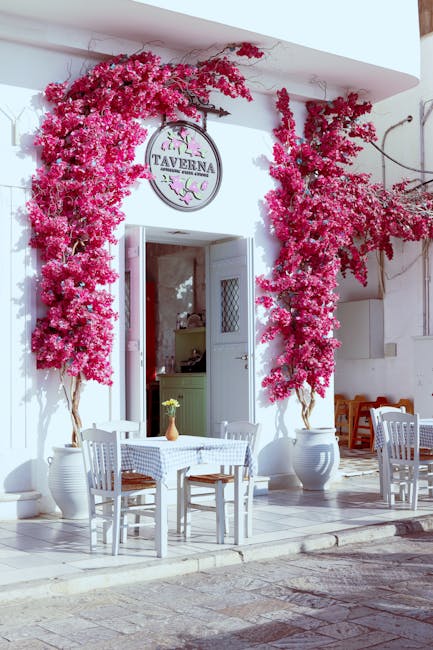
- Taverna To Perasma (Imbros village) — Address: Imbros, 73011 Chora Sfakion. Hours: 12:00–22:00. Popular dishes: moussaka and dolmades. Main course price: €8–12.
- Taverna Giannis (Komitades) — Address: Komitades Square, 73011 Chora Sfakion. Hours: 10:00–23:00. Great for a post-hike refreshment — mezzé plates from €6.
- KTEL Chania office — Bus station, Plateia Agoras, 73100 Chania. Ticket office hours: 06:30–20:00. Phone: +30 28210 25200 (check before travel).
Practical organization tips: bring water (at least 1.5 litres per person in summer), carry a map or download the GPS track for offline use, wear closed shoes (trail trainers or light hiking shoes) and protect yourself from the sun (hat, sunscreen). If you plan to catch the bus back from Komitades, check return times the day before; alternatively some taxis wait in Komitades to return hikers.
Safety, gear and local tips to make the most of it
Although the Imbros Express is considered an easy hike, mountain terrain and Mediterranean heat require respect and preparation. Here are practical tips based on local knowledge and standard hiking practice in Crete.
Essential gear: closed shoes with good soles (avoid sandals), a light pack, a windproof layer for chilly mornings or breezy conditions, hat and sunglasses, sunscreen, a basic first-aid kit with blister plasters, a minimal headlamp if you start early or finish late, and a safety whistle. Even on a short trail bring an extra water bottle — you may drink more than expected. For navigation, a topographic map or a GPS app (Maps.me, Komoot, AllTrails) with the route saved offline is recommended.
On-trail safety: watch out for smooth rock sections where shoes can slip, especially after rare rains. Children should be supervised in narrow parts. Avoid the gorge during heavy rain: the bed can become a powerful, dangerous torrent. If hiking alone, tell someone your plan and your expected return time.
Responsible behavior: the gorge is a fragile environment. Don’t pick protected plants (some orchids are protected in Crete), take all your rubbish with you, and respect local quiet. Shepherd dogs may appear on the hillsides — keep your distance and avoid sudden movements. If you meet a herd of goats, step aside and observe from a distance.
Emergency services and contacts: the European emergency number in Greece is 112, but for mountain rescues contact local police (Chania Police, +30 28210 22222) or the nearest mountain rescue station if available. Note down the nearest address (Imbros village, 73011 Chora Sfakion) and your accommodation’s contact details before setting off.
Local practical tips: learning a few words of Greek opens doors. “Kalimera” (good morning), “parakaló” (please) and “efcharistó” (thank you) are much appreciated. Buy supplies in Chania or at a supermarket before heading to Sfakia — coastal villages have limited shops. And treat yourself to regional food after the hike: olive oil-based dishes, mizithra cheese, fresh tomatoes and grilled fish are a great reward after moderate effort.
Extra visits and top picks around Imbros
The Imbros hike pairs nicely with several other attractions along Crete’s south coast. Here’s a shortlist of places not to miss if you want to extend your day or stay longer in the area.
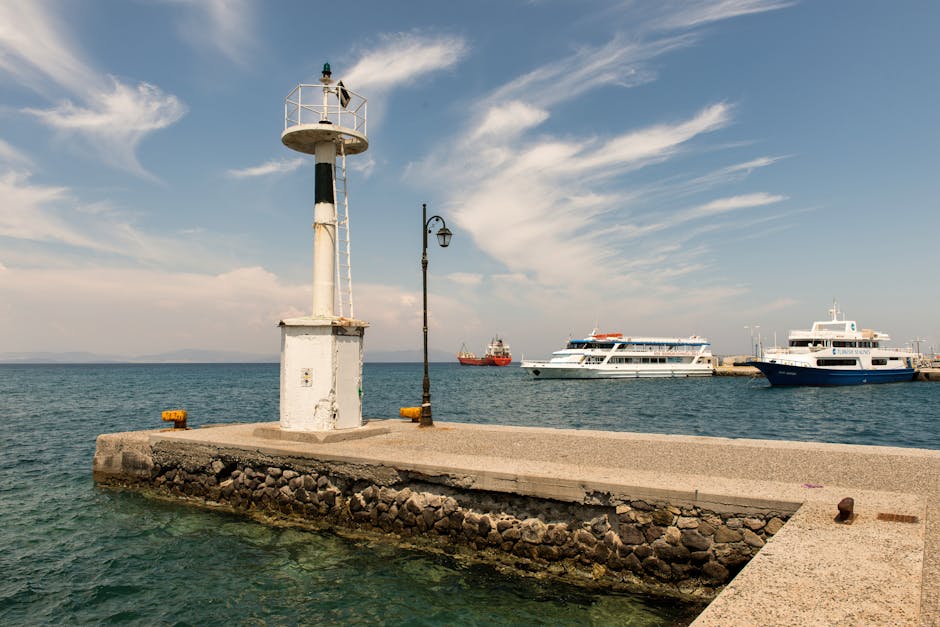
- Chora Sfakion (Hóra Sfakíon) — Address: Chora Sfakion, 73011, Chania. A small, peaceful port offering ferries to Loutro and Agia Roumeli. Port timetables vary by season; tavernas open roughly 08:00–23:00. Don’t miss the grilled calamari (€10–14).
- Agia Roumeli — Reachable by boat from Chora Sfakion or via the Samaria trail (end point of the trek). Port address: Agia Roumeli, 73011 Chania. A remote village vibe with a pebble beach and fresh water springs — ideal for a well-earned swim after a long hike.
- Aradena Bridge — Location: Aradena Gorge, near Agia Roumeli / on the road towards Loutro. The bridge is dramatic and a favorite photography spot; access involves narrow roads. Access is free.
- Archaeological Museum of Chania — Address: Kydonias 6, 73100 Chania. High season hours: 08:00–15:00; approximate entry fee: €6. It’s a nice cultural add-on to understand the Minoan and post-Minoan history of the area after your nature escape.
Click here to book a guided trip to Loutro with boat ticket
Recommended places to eat and stay:
- Taverna Byzantio, Chora Sfakion — Address: Plateia, Chora Sfakion 73011. Hours: 11:00–23:00. Dishes: fresh fish, roasted aubergines. Average main: €9–15.
- Hotel Sfakia Village — Address: Sfakia Village Resort, Chora Sfakion 73011. Amenities: family rooms, restaurant, pool. Approximate double room price in high season: €60–120 depending on period.
- Loutro seaside tavern — Accessible by boat from Chora Sfakion. A tranquil setting, perfect for extending the feeling of isolation and calm.
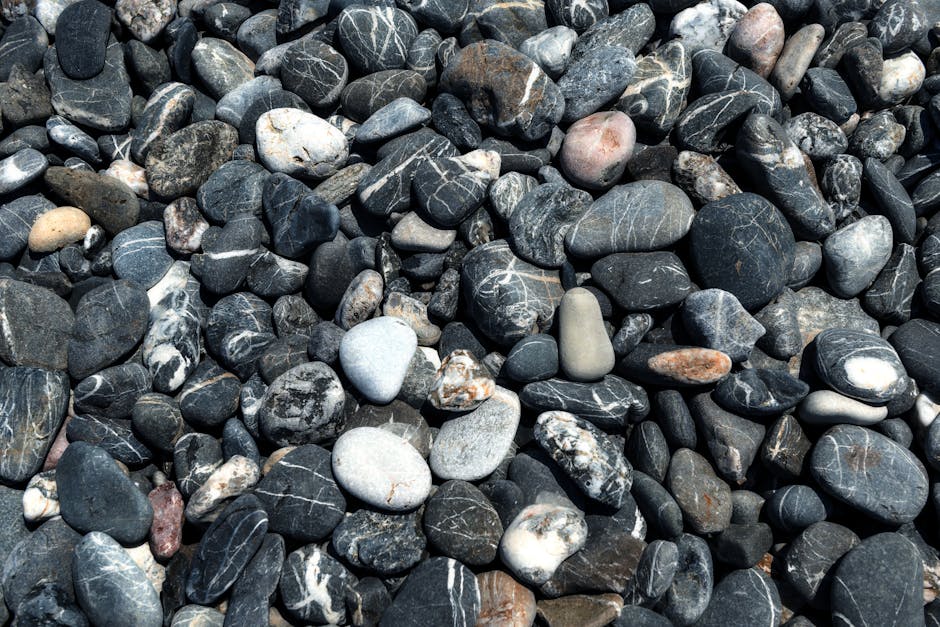
For activity lovers, consider kayaking along the south coast, snorkeling in the coves, or a boat trip to secluded beaches. Local operators often run boat shuttles from Chora Sfakion to Loutro and Agia Roumeli (prices roughly €5–15 depending on distance and season).
Conclusion — Why choose Imbros for a wild day in Crete
The Imbros Express is the ideal hike for anyone seeking a quick yet authentic immersion into Crete’s wild landscapes. It combines accessibility, geological beauty and a Mediterranean atmosphere without the logistical or physical demands of the island’s larger gorges. In half a day you cross a sculpted canyon, breathe the maquis-scented air and enjoy views of the White Mountains — all with the option to end the day at a Komitades taverna or head to Chora Sfakion for a cooling swim.
Careful preparation — water, suitable shoes, and attention to bus timetables if needed — will turn this short adventure into a lasting memory. Low costs (entry contribution, local meals) and transport connections make Imbros a practical choice for travelers on a tight schedule. Finally, encounters with villagers, the generous simple cuisine of the tavernas and quiet trails add a human touch to the wild experience.
Whether you’re a photographer hunting dramatic light, a family after a memorable walk, or a hurried hiker wanting a taste of Cretan soul, Imbros delivers: sculpted nature, thyme-scented air and panoramas that require little effort but offer abundant feeling. Bring respect for the place, a few euros for the local contribution, and a willingness to observe — Imbros Gorge will reward you with beauty and calm.