





Introduction: Cretan Medicinal Herbs, Trailside Treasures
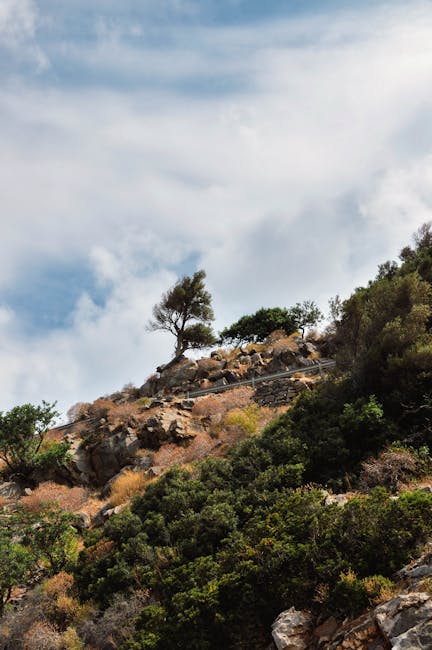
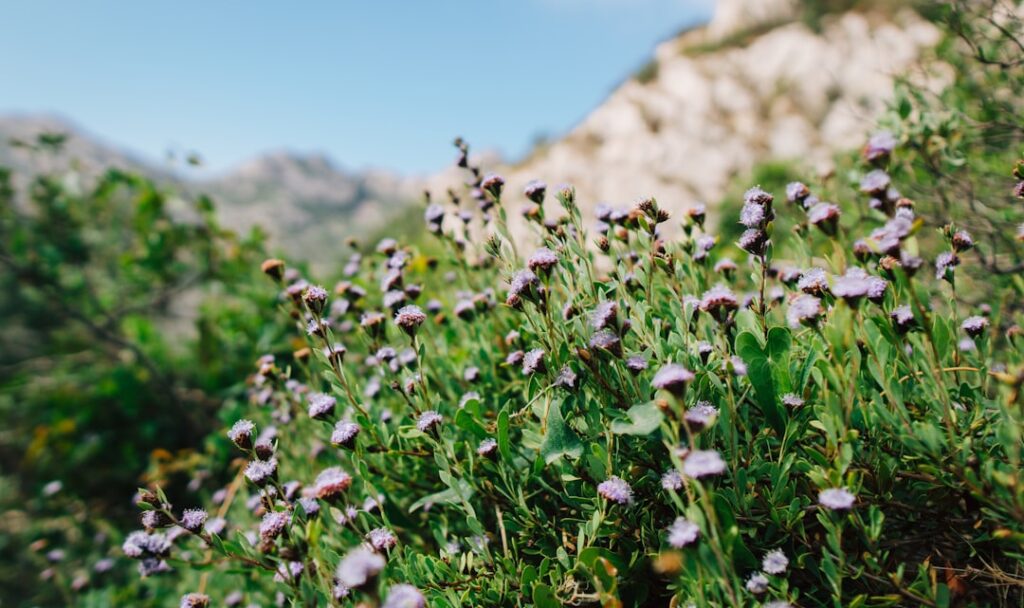
Crete, Greece’s largest island, is famed for its dramatic landscapes, pristine beaches and Mediterranean cuisine. Less obvious at first glance—but equally central to the island’s identity—is the rich plant life that carpets its trails: an aromatic, medicinal flora that has fed folk practices and the traditional Cretan pharmacopeia for centuries. Walking the gorges, plateaus and plains of Crete, you’ll come across endemic herbs, tough shrubs and wildflowers whose uses range from digestive teas to soothing poultices. This guide aims to lead you along those paths, introduce the most notable local species, point out the best places to spot them, and list practical addresses for learning more out in the field.
The approach here is both naturalist and practical: each plant is placed in its landscape context—sun-baked garrigue, coastal cliffs or mountain understory—and linked to specific sites where you can find it. We give concrete information about emblematic trails in Crete (routes, access times, potential fees), markets and herb shops where you can buy local preparations, and museums and botanical gardens for a cultural and scientific complement. The goal is to enable hikers and curious visitors to recognize and appreciate these plants while respecting local rules on harvesting and biodiversity protection.
This guide also includes local tips: best seasons for spotting plants (spring and late summer), ideal times for an aromatic walk in the garrigue, notes on preserving plant-based preparations, and practical advice for combining hiking with botanical learning without harming wild populations. You’ll find safe itineraries, suggestions for accommodations near areas of interest, and exact addresses of small shops and museums where you can deepen your knowledge. We also provide price ranges (euros) and opening hours so the guide can be used right away to plan outings in Crete, whether you want a half-day introduction or a deeper immersion.
Trails and observation areas: where to find Cretan medicinal plants
The variety of medicinal flora in Crete is explained by the island’s wide range of habitats. Three major zones are especially good for observation and study: the western gorges (including the famous Samaria), the central massifs (Mount Ida / Psiloritis), and the Lassithi plateau in the east. Each area hosts characteristic species—thyme (Thymus capitatus), dittany of Crete (Origanum dictamnus), Cretan sage (Salvia fruticosa), and many others—and trails that are reasonably accessible for informed hikers.
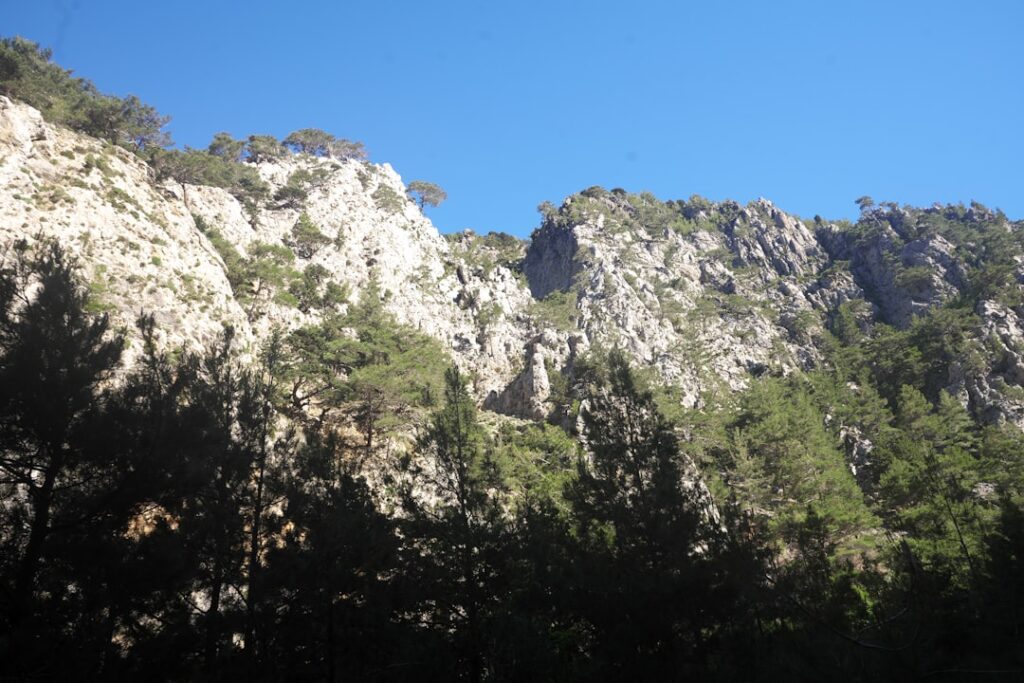
Samaria Gorge National Park is a must-see: official address « Omalos, Chania 730 11. » The park entrance is near the village of Agia Roumeli for the seaward exit; the main access begins at Xyloskalo near Omalos. Entrance fee: around €5–8 per person (seasonal and regulatory variations; tickets sold at the gate). Hours: typically open 06:00–19:00 in summer (reduced hours off-season). This long canyon descends from the Omalos plateau to the Libyan Sea and serves as an ecological corridor where creeping thyme, Phlomis (Phlomis cretica) and rockrose shrubs thrive. The best time for flora is late spring (May–June) when the garrigue is in bloom.
The Psiloritis massif (Mount Ida) and the trails around the village of Anogeia are great for mountain and endemic plants like Origanum dictamnus (dittany), which often clings to limestone outcrops. Useful info point: « Proteas Environmental Information Centre, Anogeia, 741 00 Rethymno » (local information centre, hours vary—call ahead). Trails around the Nida Plateau refuge and the Psiloritis summit offer high‑altitude walks where species adapted to harsh conditions (wind, thin soils) can be found.
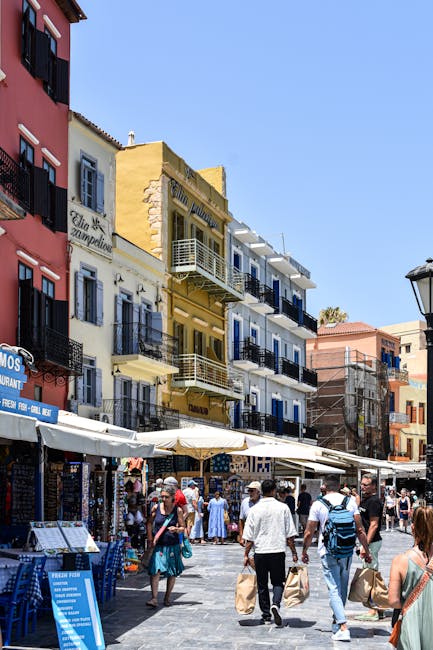
The Lassithi Plateau, around the village of Tzermiado (Address: Tzermiado 723 00, Lassithi), is another area rich in aromatic plants, where traditional farming has co‑evolved with wild flora. Terraced fields and meadow margins host useful species like Cretan marjoram and various mints. For a more urban angle, markets in Chania (Municipal Market of Chania – « Dimotiki Agora Chania », address: Skoufon 73, Chania 731 00) and Heraklion (Municipal Market of Heraklion, « Dimotiki Agora Irakleiou », address: 13 25th August, Heraklion 71202) offer stalls selling dried herbs, artisanal oils and tisanes. Market prices vary: packets of local herbs €3–6; artisanal essential oils €8–25 depending on volume and rarity.
 Click here to book your guided hike in the Samaria Gorge
Click here to explore the Lassithi Plateau and Zeus Cave
Click here to join a culinary tour of Heraklion’s markets
Iconic species and their traditional uses
Crete hides several emblematic medicinal plants, each playing a defined role in folk medicine. Among them, thyme (Thymus capitatus), dittany of Crete (Origanum dictamnus), Cretan sage (Salvia fruticosa), chamomile (Matricaria chamomilla) and stachys (Stachys cretica) are particularly well known. Understanding their habitats, properties and traditional preparations helps explain their cultural importance.
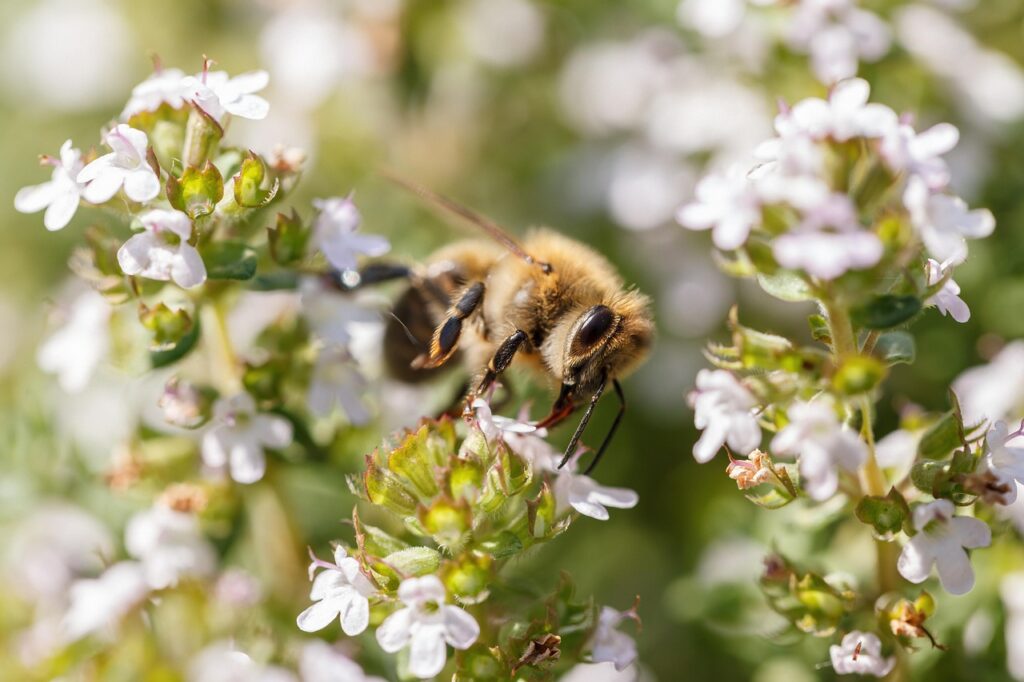
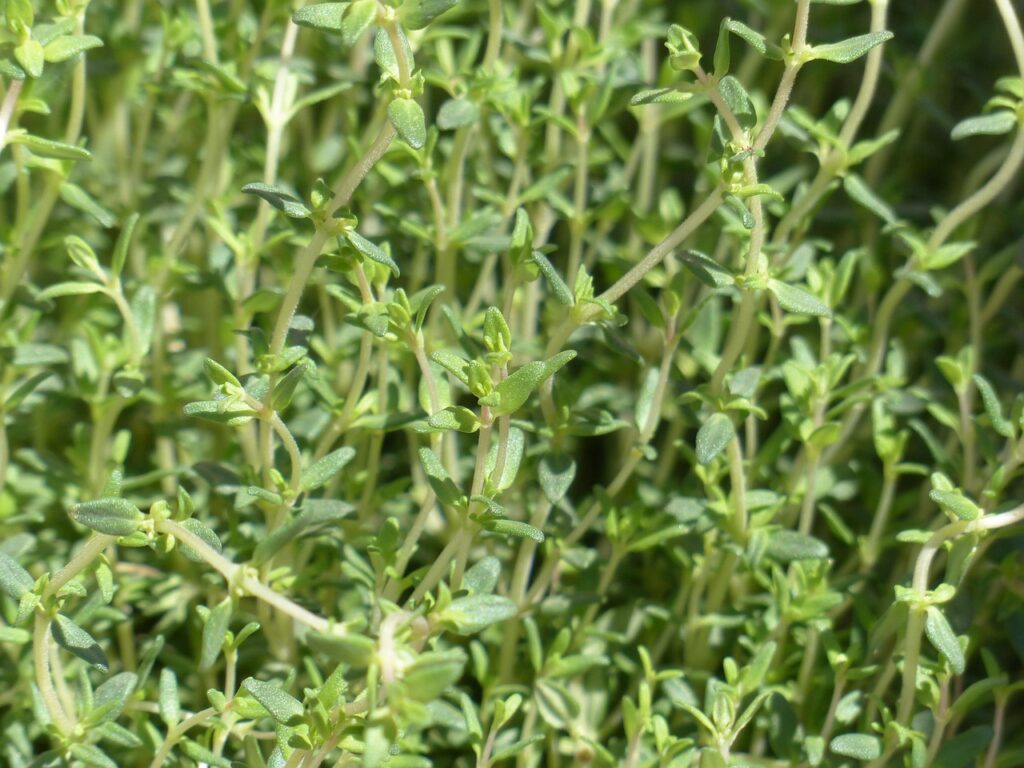
Thyme (Thymus capitatus): Found abundantly in sun-drenched garrigue, especially around Chania and the southern coast. Uses: antiseptic and digestive teas, oils for inhalation. Harvest: flower heads at peak bloom (May–June) have the best aroma. Local tip: dry thyme in the shade to preserve the essential oils. Typical market price in Chania: €4 for a 30 g packet.
Dittany of Crete (Origanum dictamnus): An endemic plant protected in some areas, often growing on limestone rocks in the Psiloritis massif. Uses: prized for wound-healing and stomachic properties; traditionally used in poultices or tisanes. Note: wild picking may be regulated. Buying from a certified herb shop is recommended. Useful address for controlled products: « Herbarium Crete – Vassilis K. Papadakis, 12 Eleftherias Street, Heraklion 712 02 » (example of a specialist shop, hours 09:00–14:00 and 17:00–20:00, closed Sunday). Prices: €12–20 for dried preparations or specialty infusions.
Cretan sage (Salvia fruticosa): An aromatic shrub common near villages and olive groves. Traditional uses: gargles, digestive infusions; dried leaves also used in cooking. Harvest: cut young branches at the start of summer, then dry. Local shops sell 30 g packets for €3–5.
Chamomile (Matricaria chamomilla): Common in meadows and along paths, ideal for calming infusions. Typical market price: €3–6 per packet. Stachys (Stachys cretica) and other labiates: used as infusions or topical balms for joint pain and skin irritations.
Tours, workshops and practical addresses to go deeper
If you want to go beyond observation, several places offer workshops, guided visits or exhibitions dedicated to Cretan plants. These organizations are great for learning sustainable harvesting techniques, how to make tisanes and oils, and traditional pharmaceutical uses.
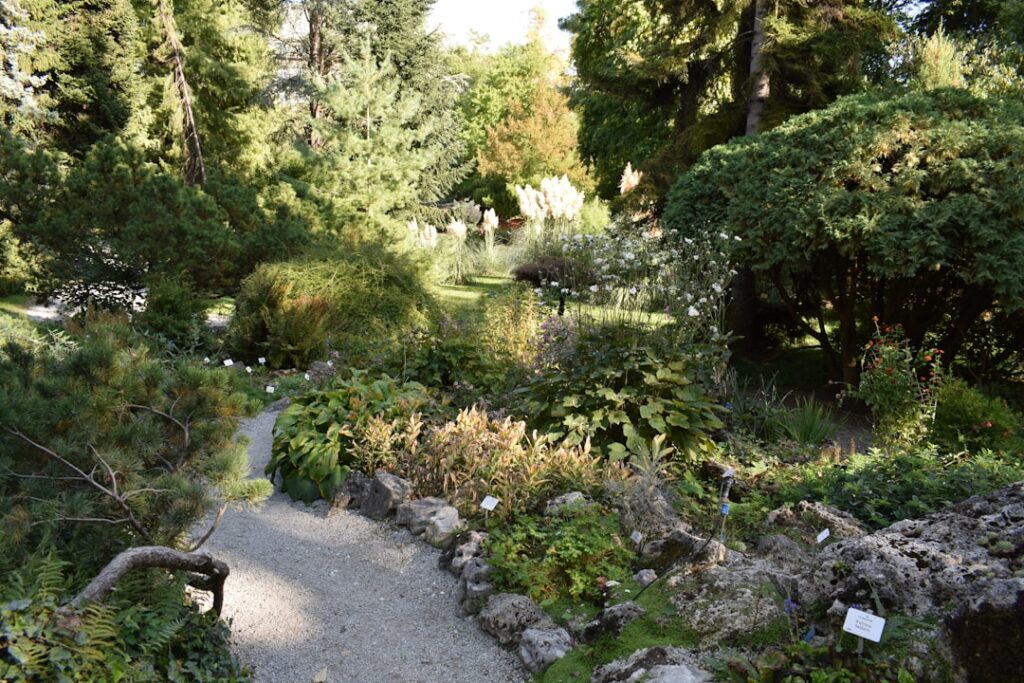
Botanical Museum and Garden (Botanical Museum of Crete / University of Crete): approximate address « Botanical Garden, University of Crete, Voutes, Heraklion 700 13. » Hours: generally open to the public on weekdays, 09:00–16:00 (check locally). Fees: self-guided visit €4–6; guided tours and workshops by reservation (variable €10–25 depending on duration). The botanical space houses collections of endemic plants, educational exhibits and themed trails on Cretan medicinal plants. Practical workshops include making tisanes and botanical identification.
Herbs workshop « Kriti Herbs Workshop » (local example): address « 23 Eleftherias Ave, Rethymno 741 00 »; hours 10:00–14:00 and 17:00–20:00; workshop prices €20–45 depending on length. Led by local herbalists, these sessions teach sustainable harvesting, folk remedy recipes and how to make oils and balms. They typically include a 1–3 hour botanical walk nearby.
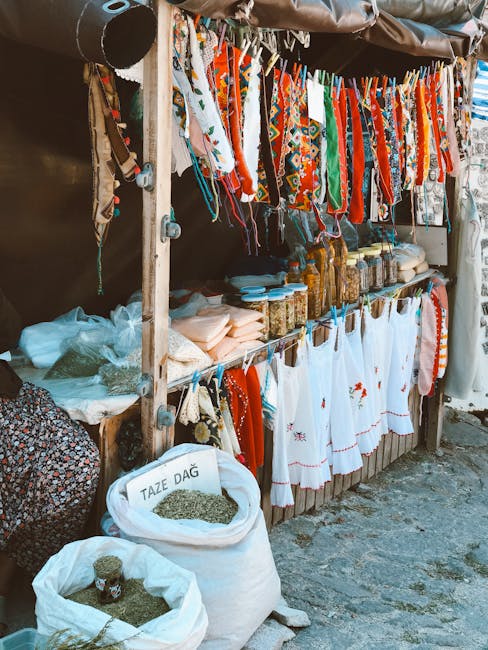
Municipal Market of Chania (Dimotiki Agora Chania): address « Skoufon 73, Chania 731 00. » Hours: 08:00–14:00 Monday–Saturday; closed or reduced on Sunday. Here you’ll find dried herbs, tisanes and local products (honeys, infused oils). Prices: artisanal tisanes €3–6; packets of rarer herbs €8–15. Tip: favour vendors who indicate origin (village name) and harvest date.
Practical tips for visits: book workshops in advance during high season (May–Sept), bring closed hiking shoes for garrigue walks, and carry paper bags for collecting small samples only if you’ve checked local regulations. Respect signs protecting endemic species and avoid collecting in protected areas without permission.
Local tips, safety and ethical practices
Exploring Crete’s medicinal flora is a rewarding adventure, but it requires respect and caution. Here are practical and ethical recommendations to get the most out of your experience without harming the environment or local culture.
Regulations: some species, notably Origanum dictamnus (dittany), are protected or subject to restrictions. Before harvesting, check with local tourist offices or forest rangers. Example info point: « Forest Service Office, Chania Regional Directorate, Knossou 22, Chania 731 00 » (hours 08:00–15:00 on weekdays). In protected areas like Samaria, picking is generally prohibited to preserve the ecosystem.
Sustainable harvesting practices: only take a small portion of a population (10–20%), avoid harvesting flowering individuals if they are rare, and favour clean cuts with shears rather than uprooting. Dry plants in the shade to preserve active compounds, store them in labeled glass jars (with date and place), and use breathable paper bags during transport.
Health and safety: some plants can cause allergic reactions or interact with medications. Never consume a medicinal plant in large doses without medical advice. For personalized consultations, contact a qualified herbalist or local pharmacist: example address « Pharmacy of Chania, 10 Kyriakou Matsi Str., Chania 731 00 » (open 09:00–13:00 and 17:00–21:00, closed Sunday afternoon). Carry a first-aid kit on hikes and follow mountain weather guidance.
Local practical tips: join a guided walk early in the morning (06:30–10:00) to avoid heat and enjoy the strongest plant aromas; prioritize spring and late summer for observation; ask villagers (for example Archanes, address: Archanes 70100, Heraklion) for trail recommendations and local producers. Finally, support the local economy by buying artisanal preparations at the market rather than imported goods—this ensures traceability and a positive impact on rural communities.
Conclusion: between ancient knowledge and modern discoveries
Crete offers a living laboratory for anyone wanting to understand and experience the use of medicinal plants in a Mediterranean setting. The island’s trails and villages conceal botanical treasures that reflect a millennia-long relationship between people and nature: from simple tisanes to traditional remedies and culinary uses that blur the line between taste and therapy. Walking Samaria Gorge, the slopes of Psiloritis or the Lassithi plateaus, you don’t just admire the flora—you step into a cultural narrative where every species has a story, a use and local meaning.
This guide aims to be both practical and respectful: providing precise addresses (markets, museums, workshops), opening hours and price ranges to make planning easy, while reminding readers of best practices for harvesting and preservation. The botanical workshops and specialist shops listed offer safe routes to deepen your knowledge without harming wild populations. Locals, often eager to share their knowledge, remain the best gateway: a chat with a farmer in Archanes or a stallholder in Chania can turn a stroll into a living lesson on Cretan ecology and pharmacology.
Finally, discovering medicinal plants in Crete should be done responsibly: follow regulations, support local producers, and favor guided learning to avoid risky mistakes. With those precautions, every hike becomes a sensory immersion—scents of thyme and sage, bright wildflower colors, the textures of leaves—and a sustainable lesson that enriches your trip. Whether you’re a hiker, amateur herbalist or simply curious, Crete’s trails await, full of botanical treasures and stories to gather with care.