




10 Essential Tips for a Smooth Descent of Samaria Gorge
Samaria Gorge is without question one of Crete’s most iconic hikes, set in Samaria National Park in the Chania region. This dramatic descent runs roughly 16 kilometres from the Omalos Plateau down to the coastal village of Agia Roumeli and draws tens of thousands of walkers every year. To really enjoy it you need more than fitness: logistical planning, knowing bus and boat schedules, understanding park rules and the right mindset for the elements are all essential. This detailed guide packs ten practical, tried-and-true tips—from choosing footwear to timing transports, from water precautions to alternatives when the weather turns—so each stage of the descent is manageable and enjoyable.
A bit of useful context before you go: the gorge officially starts at the trailhead called Xyloskalo on the Omalos Plateau (alt. ~1,200 m) and finishes at the sea in Agia Roumeli (approximate address: Agia Roumeli, Sfakia 730 12, Chania, Crete, Greece). Entry and park management fall under the Samaria National Park Office, with an information point typically at Xyloskalo/Omalos or at an office in Chania for seasonal permits and updates. Access is mainly via KTEL Chania buses (KTEL Chania Bus Station, Koum Kapi, Chania 731 33, Greece) which run morning services in the tourist season (May–October), and by several local boat operators linking Agia Roumeli with Sfakia (Chora Sfakion), Sougia and Paleochora.
Why is this guide essential? Because the gorge can change quickly depending on weather, visitor numbers and hikers’ preparedness. A poorly planned descent can become stressful: slippery shoes, not enough water, missing the last boat or trouble finding accommodation. These ten tips cover the pragmatic and immersive sides of the experience: a clear route, useful addresses, indicative prices in euros, typical schedules, safety advice, local recommendations (where to eat, where to sleep, who to contact), plus photo tips and how to respect the park’s biodiversity, including the rare Cretan jackal and the protected flora.
Treat each tip as a checklist before you set off: pack your bags, note addresses and schedules, download offline maps and tell someone your plan. The Samaria descent can be a highlight of your Crete trip if approached with respect, caution and curiosity. The next sections lay out ten numbered, actionable tips, enriched with concrete examples (addresses, prices, timetables) and local recommendations to maximise both enjoyment and safety.
1. Plan the logistics: transfers, buses and boats
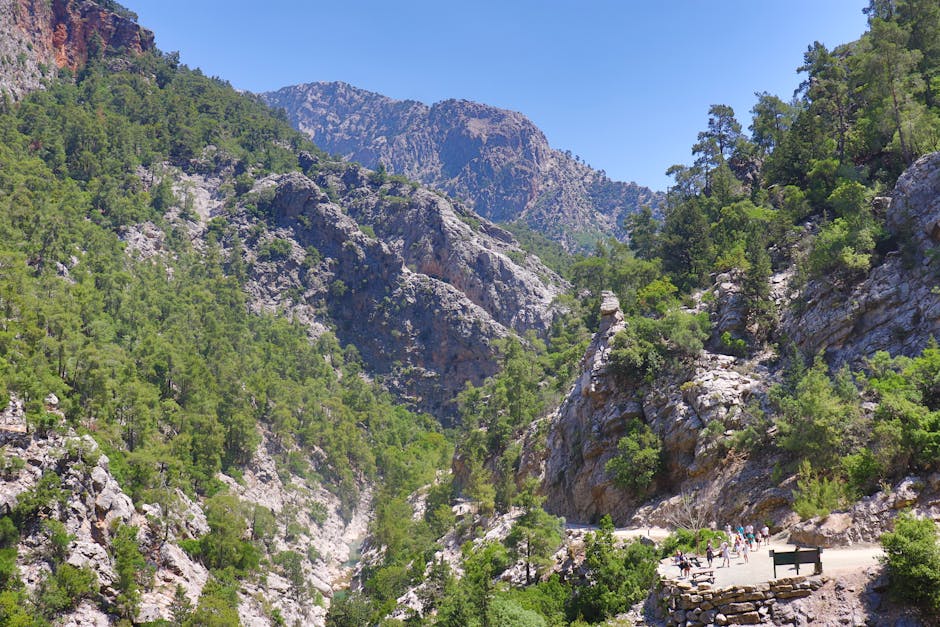
Logistics are the backbone of a successful day in Samaria Gorge. The unavoidable starting point is Xyloskalo on the Omalos Plateau (approximate coordinates: Xyloskalo, Omalos 730 11, Chania, Crete). If you’re based in Chania, allow around 1h15 to 1h45 by KTEL bus from the main bus station: KTEL Chania Bus Station, Koum Kapi, Chania 731 33. KTEL buses to Omalos depart early during high season (May–October), typically between 06:00 and 08:30. Indicative fare: €8–12 one way (check the KTEL ticket office for exact times and prices displayed on site).
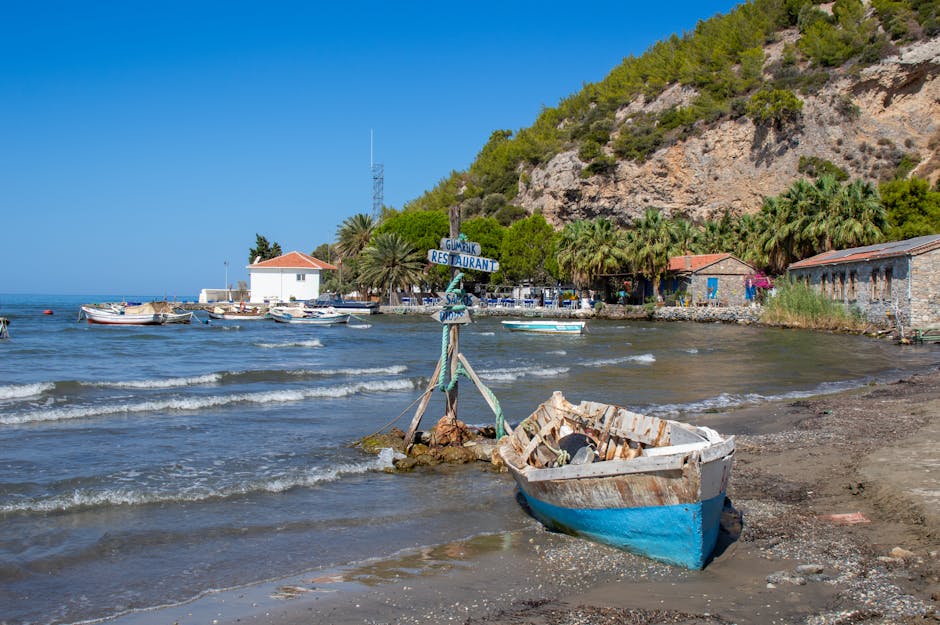
After the descent you’ll arrive in Agia Roumeli (Agia Roumeli, Sfakia 730 12, Chania, Crete). To get back up the coast you’ll need a boat: several companies offer crossings to Sougia (Sougia, Kantanos-Selino 730 12), Paleochora (Paleochora Port, Paleochora 730 01, Chania) or Chora Sfakion (Chora Sfakion Port, Chora Sfakion 730 11). Schedules vary widely with the season; typically the last boats to Sougia or Sfakia sail between 16:00 and 18:00 in high season. Indicative fares: Agia Roumeli → Sougia €12–18, Agia Roumeli → Paleochora €20–30, Agia Roumeli → Chora Sfakion €22–28.
Practical tip: check and, if possible, buy your boat ticket as soon as you reach Agia Roumeli to secure your place, especially in summer. Popular local operators include ANENDYK/Sfakia Lines and private companies (ticket offices in Agia Roumeli). If you prefer an all-in option, some agencies in Chania sell combined bus+boat transfers (e.g. KTEL bus + ferry) with package prices around €25–40 depending on the route. Also download KTEL timetables and local phone numbers (KTEL Chania +30 28210 56656) and build in margins: a delayed bus can jeopardise your boat connection.
 Click here to book a guided day trip to Samaria
2. Pick the right season and watch the weather
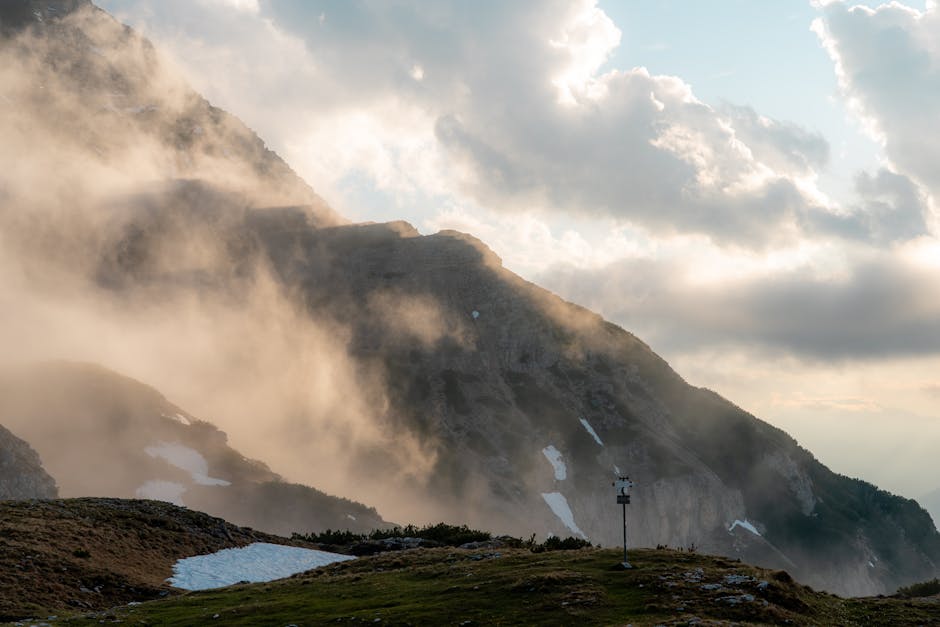
The best time to hike Samaria is mid-May through the end of September. Outside that window the park may be closed for safety (rain, rockfall risk, snow on the Omalos Plateau). The Samaria National Park publishes seasonal notices—check with the Samaria National Park Office or the park desk in Chania (possible address: National Park Service, Omalos Information Point, Omalos Plateau, Chania 730 11). The park usually opens in early May and closes in late October, but dates depend on weather conditions.
Cretan weather can be changeable: hot and dry on the lowlands in summer (30–35 °C) but chilly on the Omalos Plateau at dawn (10–15 °C). In wet periods the gorge floor gets muddy and hazardous: slippery rocks and temporary streams. Check local forecasts 48 hours before you go (Greek weather sites or apps like MeteoBlue or Windy) and postpone if thunderstorms are expected. Park rangers can close the gorge without notice if conditions demand it.
Local tip: start very early (bus departures between 06:00 and 08:00) to enjoy cooler temperatures and quieter trails. In high season the gorge can be crowded from 10:00–11:00 onwards: follow the lead of early hikers to experience the place in relative tranquillity.
3. Gear up correctly: shoes, poles and pack
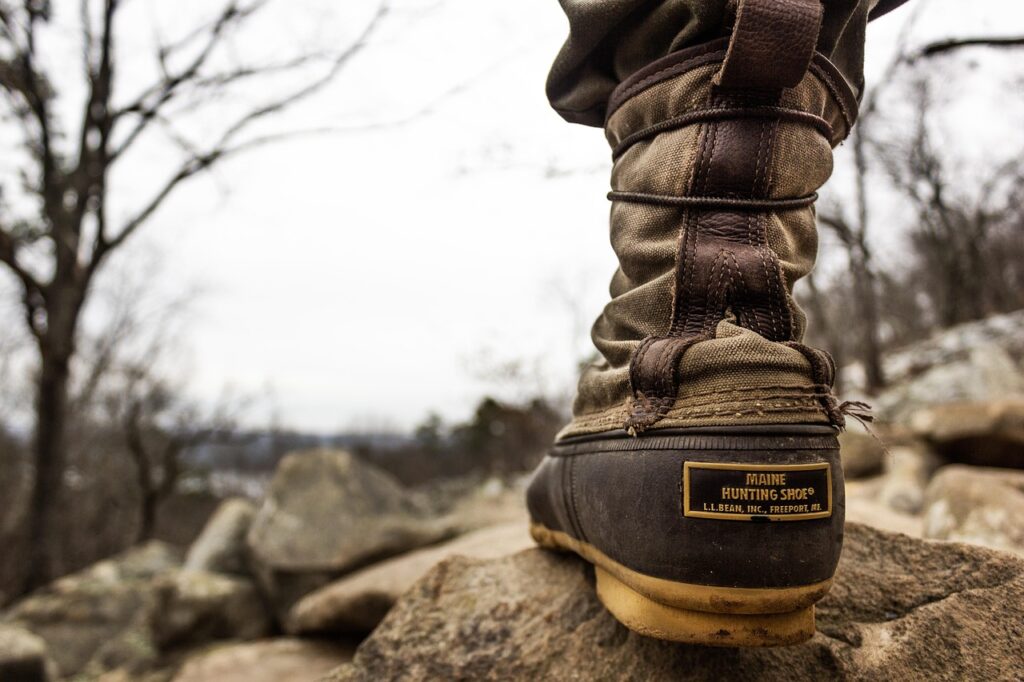
Footwear matters. Choose sturdy hiking boots with ankle support, grippy lugged soles and good resistance to stone and moisture—Gore-Tex or synthetic uppers are good options. Make sure the fit is right and wear them several times before the hike to avoid blisters. Flip-flops or sandals are strongly discouraged. Indicative price range: €70–160 depending on model.
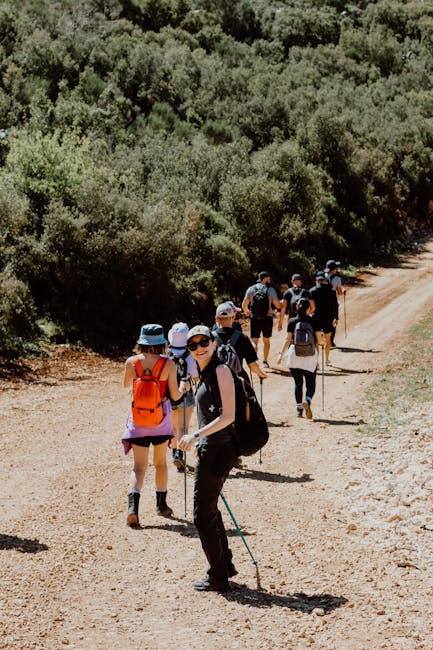
Trekking poles (one or two) are highly recommended: they reduce strain on the knees during the descent and help stabilise you on slippery slabs. A daypack of 20–30 litres is usually enough if you don’t carry a large picnic. Suggested contents:
- At least 2 litres of water per person (bottle + refillable flask, refills are not guaranteed);
- energy snacks (bars, dried fruit);
- light windproof jacket and hat;
- basic first-aid kit (plasters, antiseptic);
- headlamp if you leave very early or might finish late;
- paper map or offline GPS app (e.g. Maps.me, Komoot).
Indicative prices: poles €20–80; daypack €30–120.
Pro tip: pack heavy items close to your back and centred for better weight distribution. Break in new boots with short walks beforehand. Wear technical anti-blister socks and consider preventive taping if you’ve had past injuries.
4. Water and food management: don’t be caught out
One of the most common mistakes is underestimating water needs. The gorge is about 16 km long with a continuously descending but demanding profile; you need to sip regularly. Carry at least 2 litres per person for a summer day, and 2.5–3 litres if you’re prone to dehydration. Bring electrolyte sachets for very hot days.
For food, choose high-carb, easy-to-eat items: energy bars, sandwiches, bananas, oranges and dried fruit. In Agia Roumeli you’ll find several tavernas and small shops to buy water and eat after the hike—examples: Taverna « Anastasia », Agia Roumeli, Sfakia 730 12 (usually open 08:00–20:00 in season) and « Taverna Dionysos » (hours vary). Onsite prices: 0.5 L water ≈ €1–2; a simple meal (salad or daily special) ≈ €8–15.
Tip: keep some water for the final 30–60 minutes of the hike because Agia Roumeli can be busy (boat queues) and shops may close in the evening. Don’t rely solely on natural streams: although there are some channels and small torrents, the water is not always safe to drink without treatment.
5. Follow park rules and respect nature
Samaria National Park has rules designed to protect biodiversity and the fragile ecosystem. Obey warning signs (stay on the path, don’t pick plants, no fires, no camping). There’s usually an entry fee: park entrance ≈ €5 per person (indicative), payable at the gate or park office depending on the season. These fees help maintain trails and support park rangers.
Take your rubbish with you or use bins in Agia Roumeli. During bird nesting or rare plant flowering seasons, respect quiet zones. Stray dogs exist—don’t feed them; they can be friendly but are not always safe.
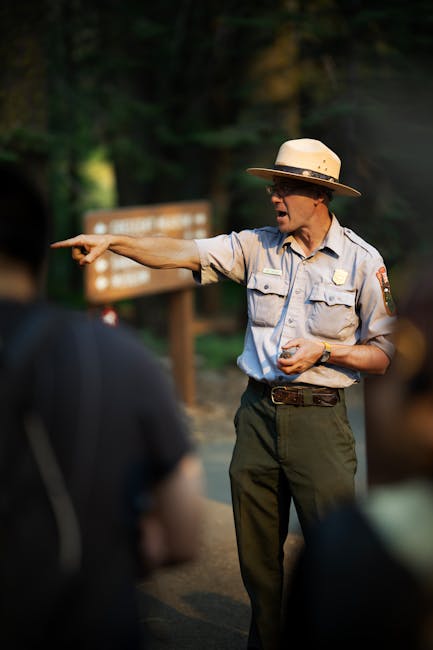
Local tip: talk to the park rangers at the Xyloskalo entrance for up-to-date advice—they often speak English and Greek and can give vital information on trail conditions.
6. Time management: start early and keep a steady pace
Timing is crucial. To avoid crowds and heat, aim to be at the Xyloskalo trailhead at first light: buses usually run between 06:00 and 08:00 depending on where you’re staying. The average descent takes 4–6 hours, depending on fitness and photo stops. If you start at 08:00 you’ll likely reach Agia Roumeli between 12:00 and 15:00, leaving time for the return boat.
If you walk slowly or take long breaks, plan for more time: start around 06:30–07:00. The trails are well marked but some sections require concentration; an average hiker will take about 5 hours without long stops. Check the Agia Roumeli boat timetable: several sail mid-afternoon, but the last departures are often around 17:00–18:00. If you miss the final boat your options are limited (overnight in Agia Roumeli or wait until the next day).
Tip: start with gear and clothing ready—don’t faff at the last minute. Let your accommodation know your expected return time and note local rescue numbers (available from the KTEL or park offices).
7. Know the highlights and the best rest spots
Samaria Gorge is full of photogenic spots and good places to pause. Notable points:
- Rouvas Springs (upstream wet areas): lush vegetation and a great early stop;
- The abandoned village of Samaria (old ruined hamlet): a glimpse into former rural life;
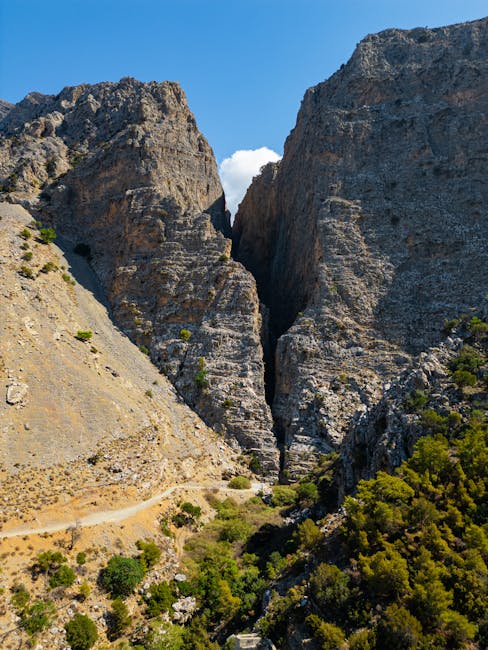
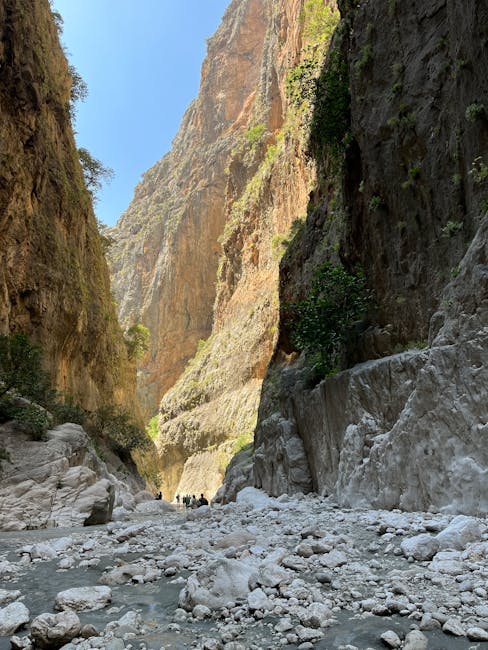
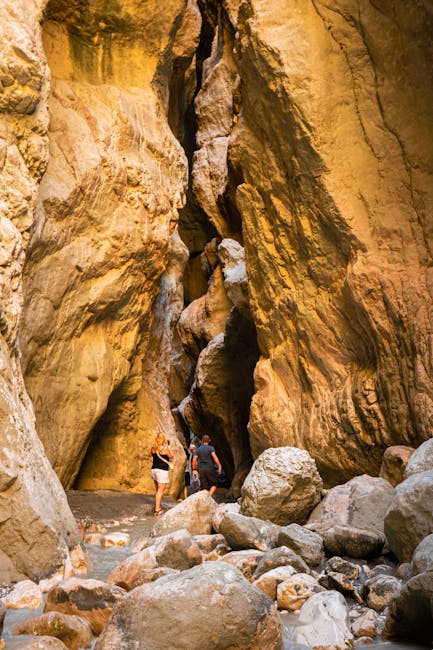
- The « Iron Gates » (Sideroportes): the narrowest stretch (about 3 m wide, cliffs ~300 m high), a must-see photo spot;
- Agia Roumeli beach: the final reward, pebbles and small tavernas for a well-earned meal.
Plan your breaks so you’re not rushed by the boat schedule. Take 20–30 minutes at mid-route for a light meal on a flat section. Photograph the gorge walls and cliff views—move away from the busiest lines and look for side angles.
Photo tip: don’t block narrow passages—let others pass. Respect wildlife and avoid approaching nests or wild animals.
8. Where to stay and eat before/after
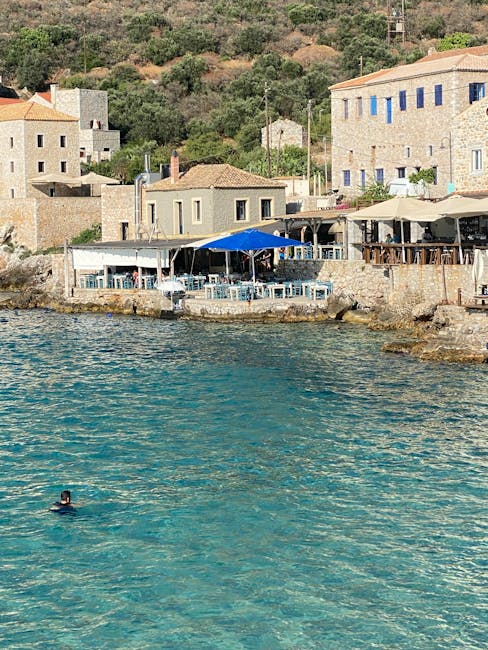
If you’d rather split the hike, you can sleep at Omalos or in Agia Roumeli. Omalos offers limited but comfortable lodging—example: « Hotel Omalos » (approximate address: Omalos Plateau, Omalos 730 11, Chania); rates ≈ €50–80 per night depending on season. In Agia Roumeli you’ll find family-run rooms and small guesthouses—e.g. « Pension Stelios », Agia Roumeli, Sfakia 730 12 (rates ≈ €30–60). Chania has a wide hotel selection: for a good pre-hike dinner try « Kydon The Heart City Hotel », 48 Tzanakaki, Chania 731 00 (prices vary).
Recommended eateries:
- Taverna « Anastasia », Agia Roumeli (open 08:00–20:00), dishes €8–20;
- Taverna « To Steno » (near the Iron Gates), Agia Roumeli, classic Cretan dishes €10–18;
- In Chania, for a quality dinner before the hike: « Tamam Restaurant », Pi. 1866, 2, Chalidon Str., Chania 731 33 (booking recommended).
Local tip: if you need to leave bulky luggage behind, some agencies in Chania and at the ports offer luggage storage or transfer services to Paleochora/Sougia (extra cost €10–30 depending on distance).
9. Prepare for the unexpected: injuries, closures, fatigue
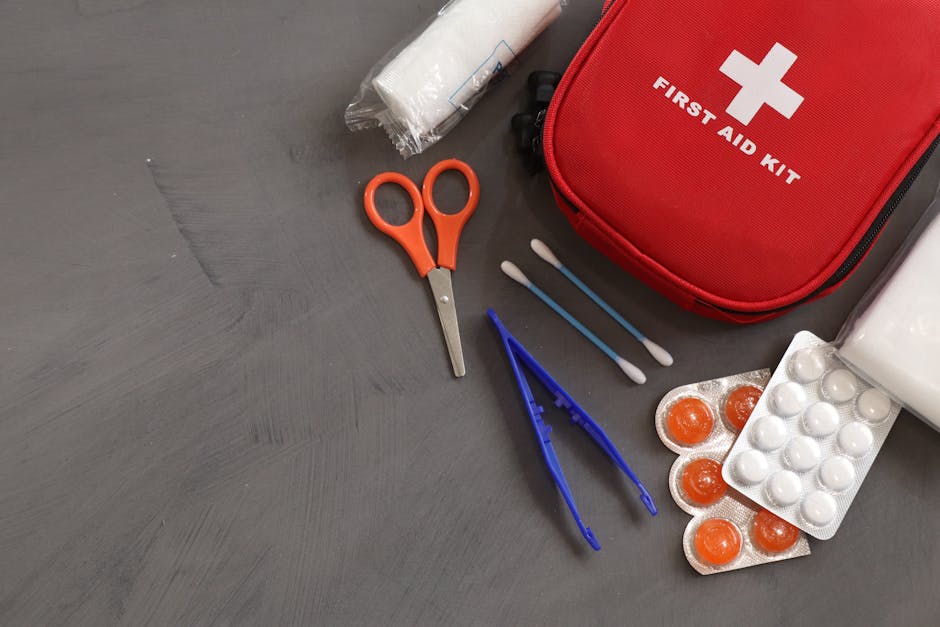
Even well-prepared hikers can face surprises: sprains, blisters, exhaustion or temporary park closures. Carry a first-aid kit (compresses, bandage, anti-inflammatory), blister-specific plasters and a charged phone plus a powerbank. Mobile signal can be weak inside the gorge—download offline maps and tell a contact your route.
If there’s a serious accident, identify possible access points for rescue: park rangers, meeting points marked on signs and, as a last resort, call Greek emergency services at 112. Rangers can coordinate evacuations, but response time depends on access.
Practical tip: hike with a group if possible or at least with a trusted partner. If you’re travelling solo, inform your hotel reception and note your estimated return time.
10. Local tips for a memorable and responsible experience
To finish on a high note, adopt a few habits that will turn the hike into a local and responsible experience. Chat with residents and taverna owners in Agia Roumeli—they often share stories about the gorge and current trail conditions. Support local businesses (buy drinks, meals, handmade souvenirs): this helps isolated communities that rely on summer tourism. Typical prices: small souvenirs €3–15; artisanal Cretan honey €6–12 for a small jar.
Respect local customs: a polite Greek greeting (« Kalimera » for good morning) goes a long way, and tipping modestly in tavernas is customary (5–10% if service isn’t included). Bring a small bag for your rubbish and pick up any stray packaging you find—the people of Crete are proud of their preserved nature, and every visitor plays a part.
Finally, to capture the day, the best photo light is in the morning (soft light between 07:00–09:30) and late afternoon at Agia Roumeli (sunset). Respect fellow hikers by keeping noise low at rest points and giving way in narrow sections.
Conclusion
Descending Samaria Gorge combines physical effort, nature immersion and cultural discovery. By following these ten tips—logistical planning (KTEL buses, boats from Agia Roumeli), choosing the right season, using appropriate gear, managing water and food, respecting park rules, timing your day, knowing the highlights, organising accommodation, preparing for the unexpected and adopting responsible local behaviours—you’ll maximise your chances of a safe and unforgettable day. The addresses and directions mentioned (KTEL Chania Bus Station, Koum Kapi, Chania 731 33; Agia Roumeli, Sfakia 730 12; Omalos Plateau) serve as a starting point for planning; always double-check timetables and prices before you leave, as they change with season and operators.
In practice: start early, walk at a pace that suits you, stay hydrated and take time to admire the « Iron Gates »—the narrow, dramatic passage that forms the emotional heart of the gorge. Afterwards, treat yourself to a family-run taverna in Agia Roumeli, fresh fish and a well-deserved drink of water. If time or fitness is an issue, consider the alternatives mentioned earlier (combined transfers, splitting the hike).
Remember that your behaviour affects the site’s future: by following regulations, supporting local communities and practising eco-friendly travel you help preserve Samaria for generations to come. Whether you’re a photographer, regular hiker or curious traveller, Samaria Gorge offers a unique natural spectacle—prepare well, stay safe and enjoy every step of the descent.
Click here to book a guided hike from Rethymno to Samaria