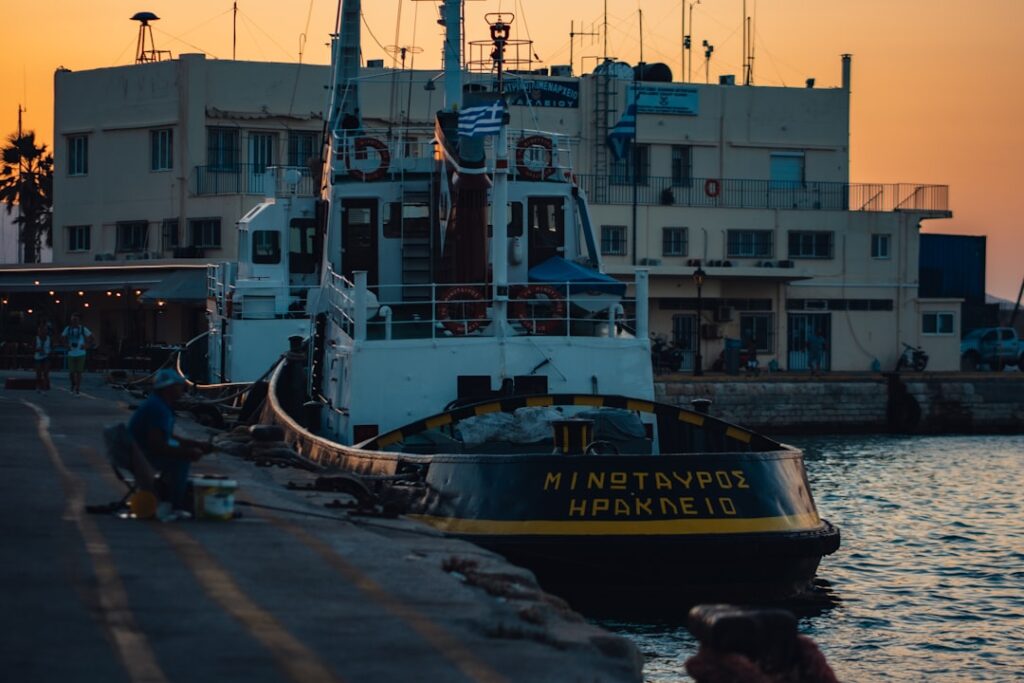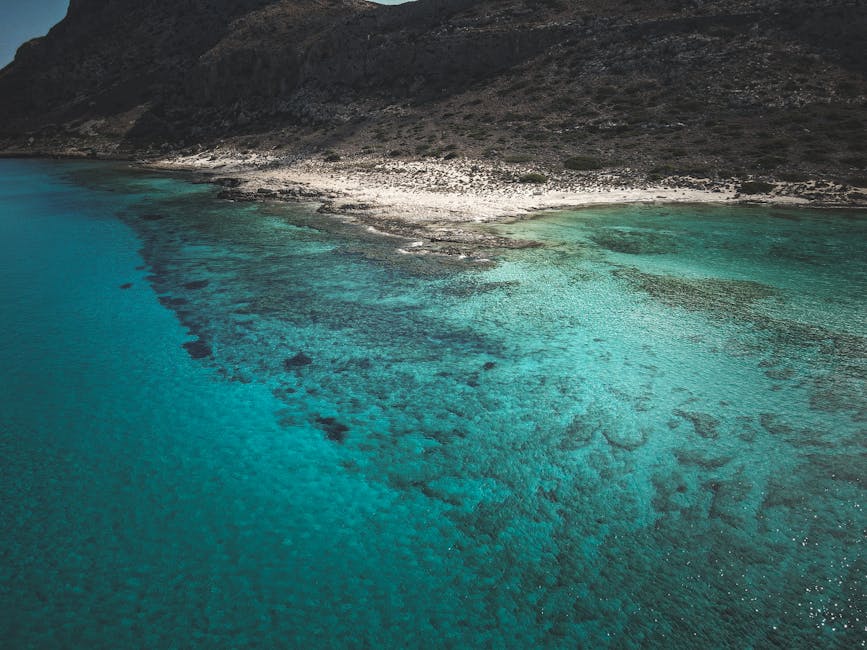






Introduction: Diving and conservation — why Crete’s marine reserves matter
Crete, Greece’s largest island, is a patchwork of dramatic scenery: cliffs plunging into deep-blue seas, protected lagoons, wild coves and reefs teeming with life. Beyond the famous beaches and archaeological sites, the coastline hides remarkable marine areas — often called marine reserves, marine parks or protected zones — where biodiversity is monitored and diving reveals largely intact underwater habitats. These areas are vital for protecting endemic species, supporting fish reproduction and helping ecosystems resist climate change and tourism pressure.
This practical guide offers an immersive tour of the best marine reserves and protected zones around Crete: where to dive, how to organize outings, which rules to follow, which operators to contact, and local tips to reduce your footprint. You’ll find concrete information — full place names, useful addresses (ports, dive centers and tourist offices), price ranges in euros, typical schedules and detailed site descriptions — so you can plan your dives safely and with ecological awareness.
Crete’s marine reserves are diverse in seafloor types (posidonia meadows, seagrass beds, pink sand beaches, rocky walls, wrecks) and in species: groupers, dentex, octopus, colorful nudibranchs and sometimes loggerhead turtles (Caretta caretta). Good observation spots include shallow bays with seagrass meadows, steep reefs that attract predators and underwater canyons where life concentrates. Reserves also serve an educational role: they act as living labs for scientists and outdoor classrooms for visitors.
This guide will also clarify local rules: some areas ban fishing, others restrict motorboat access or require permits for mooring. Respecting these rules protects habitats and preserves the quality of future dives. You’ll find practical recommendations on appropriate gear, best seasons, reputable dive operators and behaviors to adopt for sustainable diving.
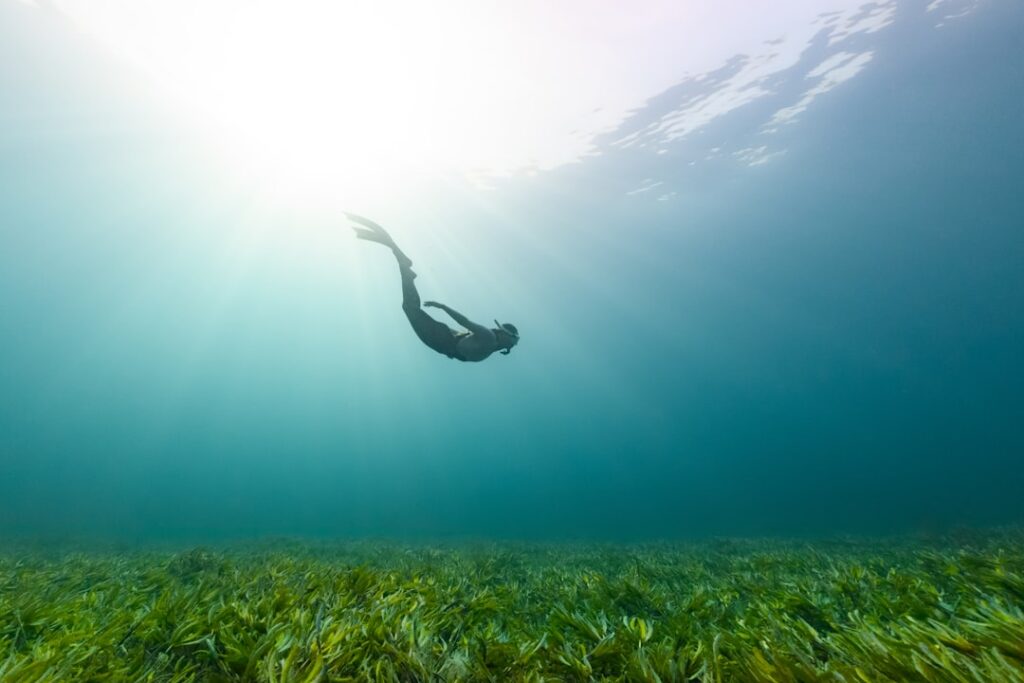
Finally, this isn’t just a technical manual — it aims to convey the feeling of diving in Crete. Expect underwater scenes where light slants across vibrant seagrass meadows, where schools of fish swirl around reefs, and where the deep silence is broken only by a diver’s breath. Pack your mask, regulator and sense of wonder: we’re heading into Crete’s marine reserves, into the heart of underwater life.
Must-see protected areas in West Crete: Gramvousa, Balos and Falassarna
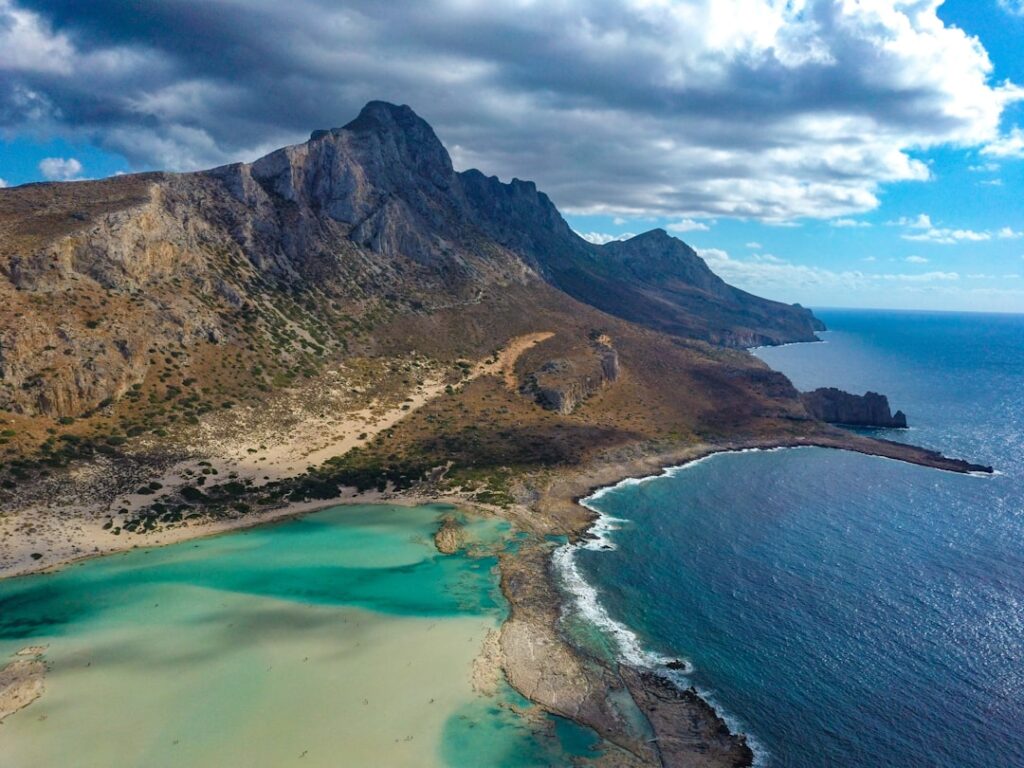
The northwestern peninsula around Kissamos (Kastelli) concentrates several coastal sites of high marine value, often managed as protected or tightly regulated local zones. Among them, the Gramvousa archipelago and Balos Lagoon draw visitors for their dramatic landscapes and varied seafloors. While Balos is best known for its beach and turquoise water, diving around Gramvousa (Gramvousa Island) uncovers rocky walls, underwater caves and posidonia meadows that are crucial fish nurseries.
How to get there: the main port for accessing Gramvousa and Balos is Kissamos (Porto Kissamos), addressed as follows: Porto Kissamos, 73400 Kissamos, Chania. Ferries and boat trips leave daily from Kissamos port (Schedule: in high season departures between 08:30 and 10:00; returns between 16:00 and 18:00). Prices: boat trips to Balos/Gramvousa around €25–40 per person for the transfer only (2026 indicative rates), while diving trips from Kissamos, half-day, range from €55–90 depending on the operator and number of dives (equipment may or may not be included).
Recommended dive centers:
- Gramvousa Diving Center — Kissamos Port, Porto Kissamos, 73400 Kissamos, Chania. Opening hours: high season 08:00–19:00. Prices: introductory dives €60–80, single certified dive €55–75, 2-dive package €90–140 (standard equipment included).
- Calypso Diving — Souda Road 12, Chania 73100 (mobile base in Kissamos for trips); contact: +30 28210 12345 (example). Hours: 09:00–18:00. Wetsuit rental €7–10 per day, regulator €15.
What to see underwater: Gramvousa walls (depths 10–30 m) are covered in sponges and anemones, caves accessible to experienced divers, occasional small wrecks and posidonia meadows full of pipefish and anemone life. Diving conditions can be influenced by the northerly Meltemi wind; aim for mornings or calm days for the best visibility (often 15–30 m in summer).
Local tips: bring water and a snack for Balos (few facilities on site), stick to marked trails to avoid erosion and don’t walk on posidonia meadows. During dives, avoid touching the seabed and maintain neutral buoyancy to protect habitats. Underwater photographers should limit flash use near anemones and soft corals.
The wild south: Gavdos, Koufonisi and protected zones of southern Crete
Crete’s southern coast is far less developed and retains marine areas of great authenticity. Gavdos Island, off Paleochora, and the small Koufonisi islets (Prasonisi / Koufonisi in the Libyan Sea) are known for clear waters, rocky shelves and deep walls. These zones are frequented by pelagic species and serve as migration corridors for sea turtles and some migratory fish.
Access points and useful addresses:
- Paleochora Port — Paleochora Port, Paleochora 73001, Chania. Ferries to Gavdos: in high season departures 2–3 times a week; schedules vary (check the port). Ferry price Paleochora–Gavdos: around €15–30 one way (rates vary by season and company).
- Ierapetra Port (for Koufonisi) — Ierapetra Port, Nik. Kazantzakis 1, Ierapetra 72200, Lasithi. Boat trips to Koufonisi: daily departures in summer; prices €25–45 per person for a day trip.
Local dive providers:
- Gavdos Dive Center — Chora Gavdos (main village), Gavdos Island 73010. Season: May–October, 08:00–19:00. Prices: guided dives €65–100 depending on site, equipment rental €20–30/day.
- Koufonisi Diving — Ierapetra Diving Center, Port of Ierapetra, Nik. Kazantzakis 1, Ierapetra 72200. Hours: 09:00–18:00 in summer. 2-dive package €120, snorkeling trips €20–30.
What you’ll encounter: the southern walls offer dramatic scenery, sponge- and gorgonian-covered walls and deeper caves and arches sheltering groupers and sometimes moray eels. Shallow posidonia meadows act as nurseries for juveniles. Divers may see loggerhead turtles (Caretta caretta), especially in spring and late summer — sightings should be passive and from a distance. Best diving conditions run May–October with visibility often over 20 m, but be wary of currents in certain passes; local guided dives are strongly recommended.
Practical advice: plan fuel stops and freshwater reserves on southern isles — facilities are limited. Bring a dive light for caves and a 5 mm suit for comfort at the season’s start and end. Respect local signs marking turtle nesting areas and avoid fishing in protected sectors.
East and northeast: Spinalonga, Elounda and Agios Nikolaos Bay — historic dives and posidonia meadows
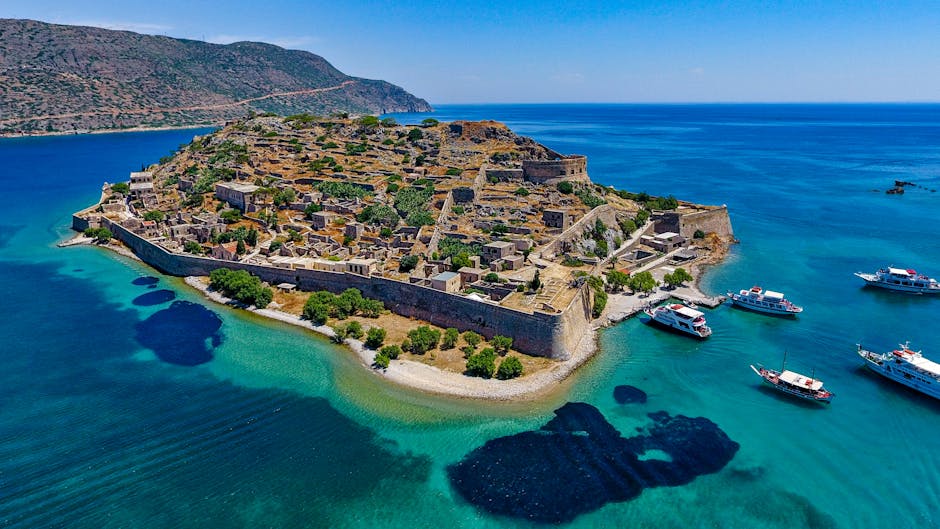
Along the northeast coast between Elounda and Sitia, marine areas blend history with underwater life. Spinalonga Island (Kástro Spinalonga), near Elounda, is famed for its historic fortress, but the surrounding waters host abundant fauna and significant posidonia meadows. Small local reserves and informal protected areas exist to safeguard these fragile habitats.
Access and practical info:
- Elounda Port — Elounda Port, Elounda 72053, Agios Nikolaos, Lasithi. Boats to Spinalonga run frequently in high season (departures 09:00–17:00 hourly). Elounda–Spinalonga tourist boat price: €8–12 return; snorkeling trips with gear €25–45.
- Agios Nikolaos Tourist Office: Plateia N. Plastira 11, Agios Nikolaos 72100. Hours: 09:00–15:00 (seasonal). They provide local maps and information on protected zones.
Dive centers and rates:
- Elounda Dive Center — Port of Elounda, Elounda 72053. Hours: 08:30–19:00. Prices: introductory dive €70, single dive €65, 2 dives €120 (equipment included), tank rental €10.
- Agios Nikolaos Scuba — Harbor Road, Agios Nikolaos 72100. Hours: 09:00–18:00. Full day package (2 dives + boat) €110–150.
Why dive here: the mix of historical sites (wrecks and artificial reefs near Spinalonga) and natural seagrass meadows makes for biologically rich spots. Posidonia beds near Elounda offer visually striking underwater landscapes and important ecological services: they filter water, serve as nurseries and stabilize sediments. Photographers will love the mosaics of small invertebrates (nudibranchs, shrimps) perched on posidonia blades.
Local tips: on Spinalonga, on-land visits are regulated (seasonal visiting hours, ticketing on site); avoid anchoring on seagrass — use mooring buoys if available. For diving, follow limits set by local guides; diving over seagrass requires excellent buoyancy control to avoid damaging leaves. Support local conservation initiatives if you have time: beach clean-ups and biodiversity surveys are sometimes organized by local groups.
Regulations, safety and practical tips for responsible diving in Crete
Diving in Crete combines pleasure with responsibility. A number of rules and best practices apply in marine reserves and protected zones, whether formally designated by authorities or informally enforced by local dive centers. Here’s a practical overview to keep in mind to protect ecosystems and dive safely.
General rules and habitat respect:
- Fishing and collecting: many coastal areas prohibit recreational or commercial fishing; check with local tourist offices (e.g. Agios Nikolaos Tourist Office, Plateia N. Plastira 11, Agios Nikolaos 72100) or harbor authorities for local regulations. When in doubt, don’t touch or remove marine specimens.
- Mooring: use mooring buoys when available; anchoring on posidonia meadows is strongly discouraged as it destroys plants that take decades to recover.
- Passive observation: when encountering turtles or large fish, keep at least 3–5 meters distance, switch off unnecessary lights and avoid chasing animals for photos.
Safety and practical information:
- Dive insurance: confirm that your insurance covers scuba diving; many centers will ask for a copy. Local centers often offer day insurance (€5–12) if needed.
- Certification and skill levels: some sites (walls, caves, wrecks) require an advanced open water certification or higher. Introductory dives are available for beginners, but avoid exposed or deep sites on your first dive.
- Weather and currents: the Meltemi (north wind) can make exposed areas challenging. Local guides adjust routes according to wind and currents; follow their advice and don’t push for a trip if it’s canceled for safety reasons.
- Equipment: wetsuit rental 3–7 mm depending on season (€7–15/day), dive computers often included at higher-end centers; bring your own mask if possible for best comfort.
Local tips for lasting impact:
- Support the local economy by choosing dive centers that respect the environment and employ guides trained in marine biology.
- Take part in information sessions and awareness workshops — several tourist offices and local associations run events about posidonia and turtles.
- Avoid chemical sunscreens harmful to corals and marine life; opt for mineral-based, reef-safe formulations.
In short, safety starts with good preparation, listening to guides, respecting local regulations and practicing eco-friendly habits. These efforts ensure both your safety and the long-term survival of Crete’s marine habitats.
Conclusion: dive mindfully to protect Crete’s underwater riches
Crete offers a wide range of underwater experiences: shallow turquoise lagoons, deep southern walls, historic wrecks and posidonia meadows. Whatever you’re after — macro photography, technical cave dives, encounters with migratory fish or a simple introductory dive — the island has sites for all levels, run by professional outfits. Marine reserves, whether officially designated or locally managed, form the living fabric that makes these experiences possible: they protect breeding grounds, regulate catches and provide anchors for sustainable tourism.
To make the most of diving in Crete, plan with reputable dive centers (examples above: Gramvousa Diving Center, Elounda Dive Center, Koufonisi Diving), check with local ports (Porto Kissamos — Porto Kissamos, 73400 Kissamos; Elounda Port — Elounda 72053) and follow protection rules: no anchoring on seagrass, keep your distance from wildlife and don’t collect specimens. Prices vary by operator and season — in 2026 expect introductory dives around €60–80, single dives €55–75, and 2-dive packages €90–150 — but these often include guides and basic gear. Always confirm rates and schedules before booking (ports and centers adjust seasonally based on weather and demand).
Finally, thinking “sustainable diving” also means supporting local initiatives: join beach clean-ups, attend marine education sessions and pick eco-minded providers. By doing so, you help ensure Crete remains a destination where underwater life continues to flourish for today’s divers and future generations. Bring curiosity, respect and your gear, and let Crete’s seabeds carry you into a vivid, fragile and unforgettable world — an experience that teaches as much as it amazes.