




Introduction — Extra-virgin olive oil in Crete: deconstructing the golden myth
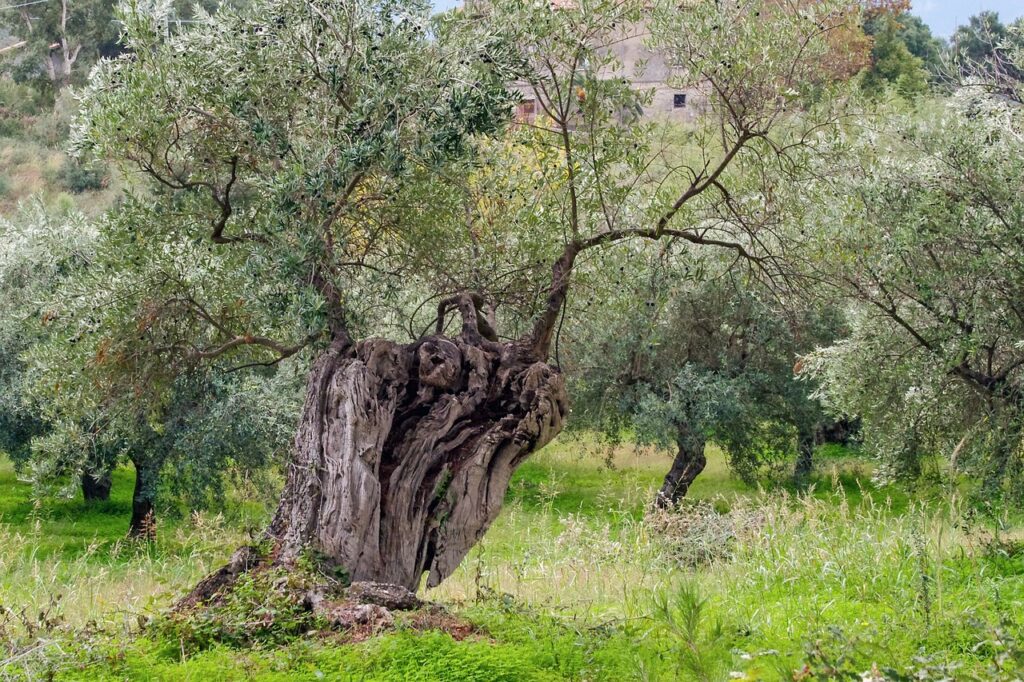
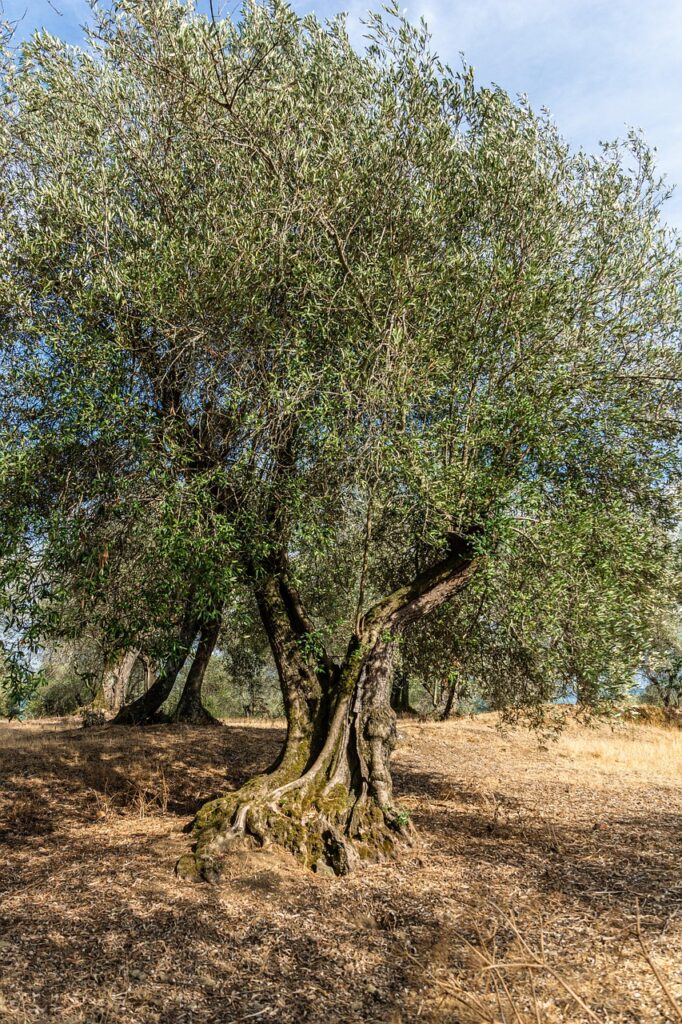
Crete sells a dream: silvered hills, thousand-year-old olive trees, jars of « artisan » extra-virgin oil that tourists clutch like vacation trophies. That narrative is powerful and partly true on a small scale — Crete does produce some of the world’s finest olives and oils. But mass tourism has turned the myth into an industry: quick tastings, bottles with no traceability, sanitized factory tours and, above all, assumptions that lead travellers to overpay for standardized products. This article doesn’t aim to discredit Cretan oil; it questions the dominant tourist experience and offers honest, practical, local alternatives worth seeking out.
Why a reality check? Because « extra-virgin » has become a marketing slogan repeated on labels in harbors and downtown shops. The term has a technical definition (acidity, extraction methods) but it can be used loosely by unscrupulous sellers. Many tourists go home with bottles that smell like olive oil but that, in the lab, reveal refined oil blended with olive extract—or simply an oxidized oil. Plus, tourist-oriented experiences are often standardized: a filmed tour of an « olive mill, » a speedy tasting of three oils and a shop nudging you to buy a big cheap can. You end up participating in a market machine that undermines genuine family producers.
Crete deserves better than these clichés. Small producers, transparent cooperatives and family mills still exist, practicing traditional methods (hand-harvesting, cold pressing, storage in stainless tanks inerted with CO2) and striving to preserve flavor and traceability. But these makers are often invisible to tourists following prefab routes. This anti-guide is for those who want to understand the myths, avoid tourist traps and, above all, taste an oil that tells its story on the palate—herbaceous, bitter, fruity, sometimes pleasantly peppery in the throat.
I’ll dismantle the most persistent assumptions, explain why certain experiences are overrated, and for each point offer a concrete alternative: the exact place, the address, price, opening hours and what you will actually experience. The tone is honest, nuanced and practical: the goal isn’t to demonize tourism, but to steer your choices so your encounter with Cretan oil is authentic, sensory and respectful of producers. Be ready to rethink your souvenir bottle: sometimes it’s better to buy less but buy better—directly from the source.
1) Myth: Extra-virgin olive oil is proven by a « BIO » or « Extra Vierge » label — Reality: traceability and tasting matter more
A « BIO » or « Extra Vierge » label gives a sense of guarantee, but in tourism those words often become marketing shortcuts. At a crowded market, a seller will assure you the bottle was « pressed this morning »; the happy buyer overpays for oil that has actually been stored for months in the light. The technical reality is straightforward: quality oil requires traceability (harvest year, olive variety, extraction method), freshness (recent harvest), and proper storage conditions (stainless tanks, absence of oxygen, controlled temperature). Without this information, the label is just packaging.
Why it’s overvalued? Because many tourist-facing outlets cannot guarantee freshness or prove provenance. They sell a narrative experience (« Cretan authenticity ») rather than a controlled product. For the traveller, this means: beware of downtown shops and roadside stalls. Instead, favor producers who clearly display vintage, variety (Koroneiki, Tsounati, Athinolia) and who offer a guided tasting, not a staged commercial show.
Concrete alternative: Terra Creta Olive Mill & Museum — Visitor Center, Kolymvari
- Name : Terra Creta Olive Mill & Museum — Visitor Center
- Address : Kolymvari Industrial Area, 73008 Kolymvari, Chania, Crete
- Price : Guided tour and tasting €7 per person (standard tasting), in-depth tasting workshop €20 (by reservation)
- Opening hours : Monday–Saturday 09:00–17:00, Sunday closed (seasonal hours, check website for workshops)
- Why go : Terra Creta offers transparency on lots, vintages and varieties, a modern mill with an explained tour and comparative tasting. It’s not the smallest producer, but it’s a solid starting point to understand traceability.
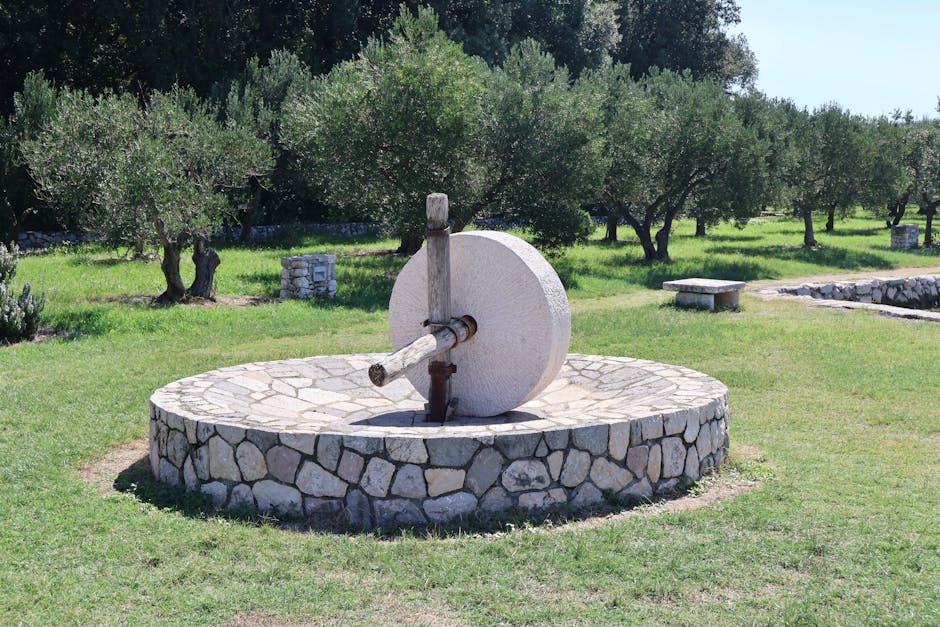
2) Myth: Tourist mills are always authentic — Reality: size doesn’t guarantee quality; family know-how matters
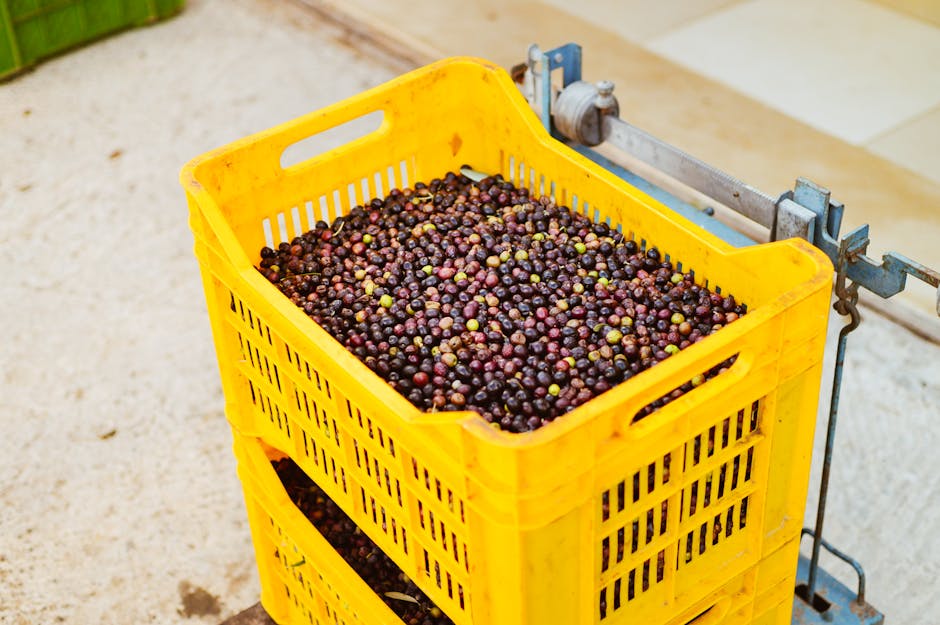
Tourist logic assumes « mill = authenticity. » You walk into a clean, sometimes crowded space with a machine on display and a shop. But the truth is nuanced: some historic mills have been turned into showrooms where the experience is tailored to please the mass public. Genuine artisanal practices can be hidden behind glass, especially when tourist demand pushes production to be standardized. Therefore, size or décor aren’t reliable indicators of taste quality. What makes the difference is the harvest method (hand or mechanical), how quickly the olives are pressed after picking, and the producer’s sensory knowledge.
Why it’s overvalued? Because tourist visits compress history and process into 30–40 minutes. You’re served a sweetened story: « we use ancestral methods, » then shown promotional prices. In that format, you don’t learn how to tell a well-made oil from a well-told story. Also, the ecological and social impacts of large, touristified production are often overlooked.
Concrete alternative: Agros Cooperative Olioskepseon — Small-scale cooperative tasting, Chania region
- Name : Agros Cooperative Olioskepseon (Cooperative of Traditional Olive Presses)
- Address : Village of Agioi Deka, near Chania (meeting point confirmed at the village square — coordinates provided on booking)
- Price : Tasting and mill visit €12 per person (includes local bread and two varietal oils)
- Opening hours : Visits by appointment, usually 09:00–15:00; call or book 48h in advance
- Why go : Local cooperative where producers share their knowledge, slow comparative tasting, possibility to buy small sealed quantities directly from families (250 ml–1 L).
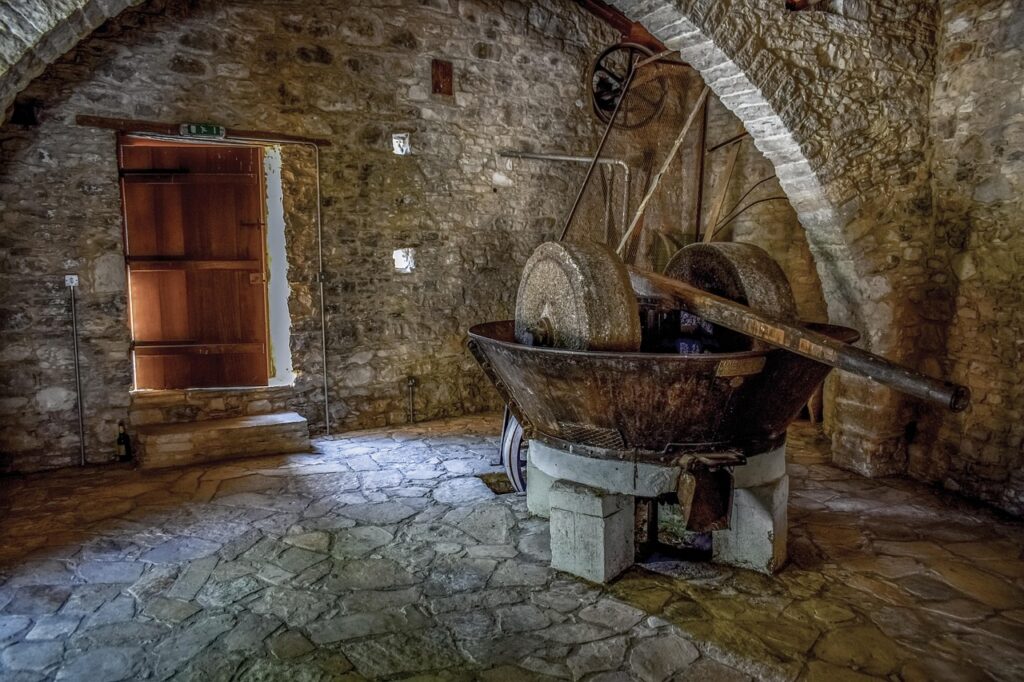
3) Myth: A low price guarantees a great souvenir — Reality: better to invest in a sensory experience and traceability
Many travellers buy big cheap cans thinking they’re getting a bargain. But a low price can hide blended oil, reheated oil, or oil that’s already oxidized. Oil deteriorates quickly if not stored correctly: exposure to light, heat and oxygen ruins the aromas. Buying three liters for €12 may seem smart, but if the oil was poorly stored you’re bringing home a mediocre product. Conversely, a small 250–500 ml bottle, properly labeled and bought from a trusted producer, will give you a genuine taste of Crete at home.
Why it’s overvalued? Because tourist circuits prioritize sales volume over quality: the more you buy, the larger the commission for the middleman. Consumers often leave disappointed—and Cretan oil’s reputation suffers. Another problem is transportation: carrying a large tin in a hot trunk for hours speeds up degradation.
Concrete alternative: Katerina Sitaras — Family producer, Kolymvari area (direct sale)
- Name : Katerina Sitaras Family Olive Farm
- Address : Sitaras Estate, Vori Kolymvari Road, 73008 Kolymvari, Chania (call ahead for directions)
- Price : 250 ml bottle €6, 500 ml €10, 1 L €18 (prices direct from farm, cash/card)
- Opening hours : Monday–Sunday 10:00–16:00, private visits by appointment (English spoken)
- Why go : Small family farm, walk the groves, explanations on harvest and pressing, slow tasting and the option to buy small sealed bottles for travel—better quality/price than tourist cans.
Conclusion — Choose quality over illusion: how to bring real Crete back to your kitchen
Crete offers exceptional oil, but the modern traveller must learn to discern it. The myths— »BIO = perfect, » « tourist mill = authentic, » « low price = bargain »—don’t hold up against production and preservation realities. The secret isn’t buying more, it’s buying better: prioritize traceability, freshness and transparency. Look for producers who display the vintage, the variety, the extraction method and who offer guided tastings rather than rapid showpieces.
On the ground, favor visits to local producers (families, cooperatives) or centers that genuinely explain the process (like Terra Creta for traceability and local cooperatives for hands-on know-how). Buy small sealed bottles, note the vintage and variety and store them away from light and heat. Finally, cook with the oil: quality extra-virgin oil is best tasted raw (salads, fresh bread) and holds up better in short cooking. One practical tip: always ask for a comparative tasting—a good oil stands out by its pleasant aftertaste, balanced bitterness and a slight peppery sensation in the throat.
In short: reject the mass-tourism illusion that turns oil into an interchangeable souvenir. Seek a real encounter with a producer, spend a little more on a bottle that will remind you of a specific moment—a hill, a family, a harvest season—not a canned tourist cliché. Crete has olive oil treasures to offer; you just need to know where to look and with whom to share an authentic tasting.