




Introduction — Samaria off-season: why choose the remote gorge outside the high season
Samaria Gorge on the island of Crete is one of the most famous hikes in Greece and Europe — a dramatic canyon that draws thousands of hikers every summer. Yet the off-season experience — early spring (March–April), late autumn (November) and even winter for the most experienced — reveals a different side of the place: often more authentic, more intimate. Outside peak season the crowds shrink dramatically, colors change under softer light, and local wildlife reappears among the rocks and pine trees. For travelers looking to stray from the beaten path while staying safe, visiting Samaria off-season can be a deeply rewarding experience.
This article is a practical, general guide designed to give you detailed information on the benefits and precautions when planning an off-season hike in Samaria Gorge. You’ll find concrete details: useful addresses, indicative timetables, prices in euros for essential services (shuttles, ferries, national park fees), immersive descriptions of the landscape, and local tips to help you prepare. We’ll also cover real constraints: unstable weather, possible park closures for safety reasons, reduced public transport and ticket office hours, and the essential gear you should bring.
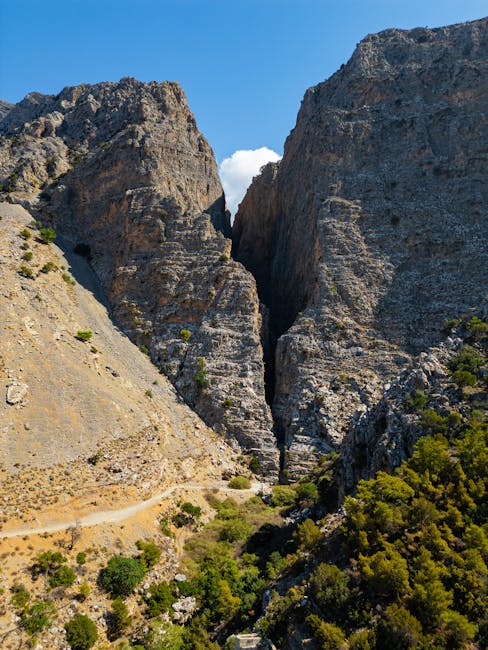
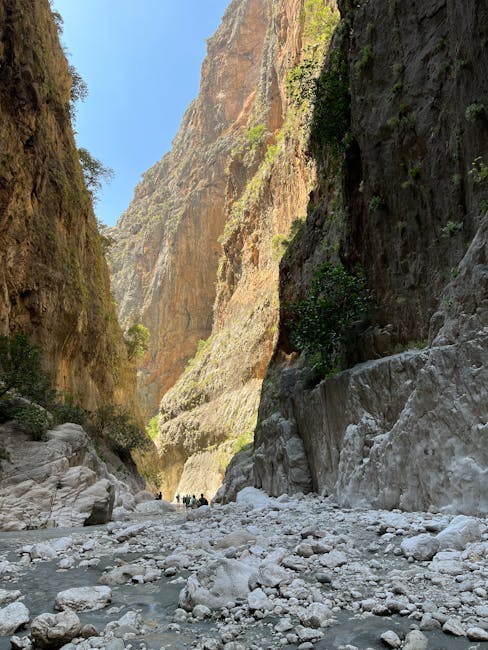
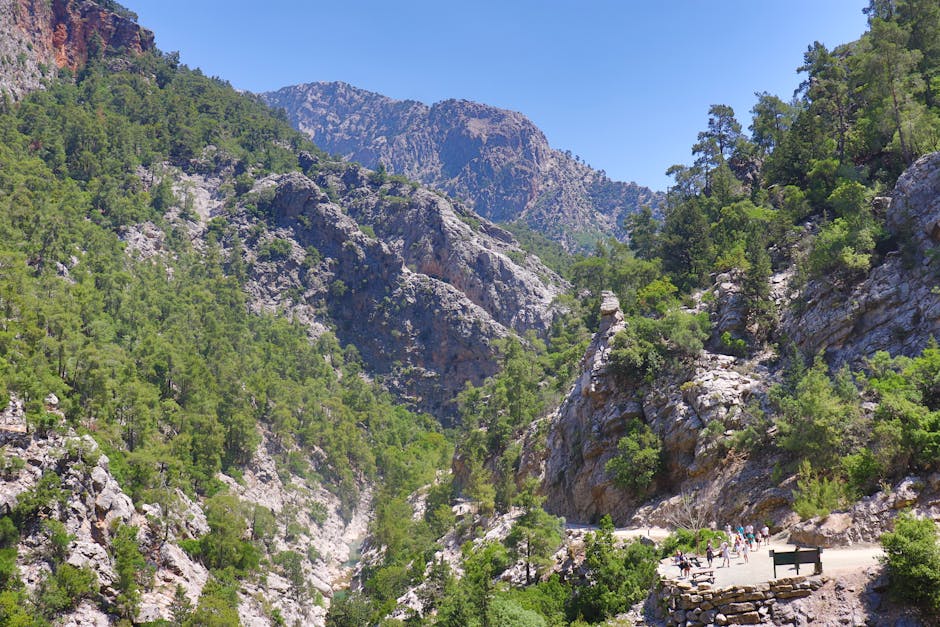
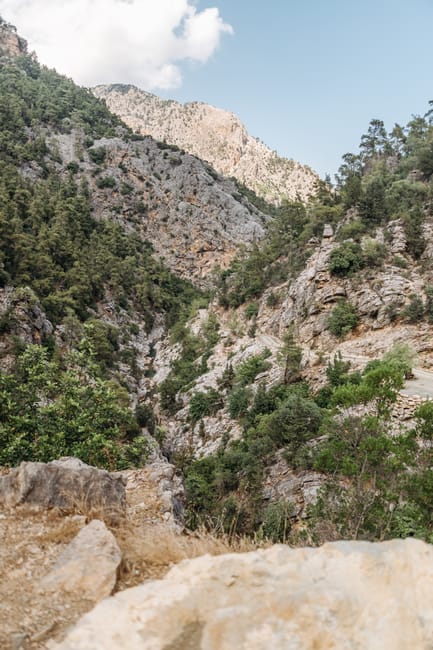
Off-season, the route typically starts on the Omalos Plateau and ends in the coastal village of Agia Roumeli. The full trail is about 16 kilometers, descending roughly 1,250 meters down to near sea level, and offers constantly changing views: pine forests, limestone cliffs, narrow ravines — culminating where the gorge narrows at the legendary « Iron Gates ». The colors of the Mediterranean scrub often look richer off-season, and paths carpeted with leaves and moss give the landscape an almost wintry charm.
However, before you set out outside the tourist period it’s crucial to know the park rules, your transport options for returning to your starting point, and what accommodation options exist if the weather forces a change of plans. In this guide you’ll find full addresses like Chania Bus Station, approximate bus and ferry times, prices for boat crossings and shuttles, and concrete recommendations on equipment and safety. We’ll also list alternatives if the gorge is closed: nearby hikes (Aradena Gorge, Imbros) and villages to visit (Sougia, Paleochora).
Finally, while this guide is packed with practical information, remember that local conditions change and some services (like ferries from Agia Roumeli or the national park ticket office) operate on strict seasonal schedules. Always check official sources or local tourist offices before you go for the latest info.
1) Benefits of visiting Samaria off-season
Hiking Samaria outside the high season brings several tangible benefits for trekkers and travelers seeking a calmer, more authentic nature experience. The first, and often most appreciated, is the huge reduction in crowds. In summer the gorge can host several thousand people a day; off-season you may walk for hours without meeting dozens of fellow hikers at once. That intimacy transforms the hike: the dominant sounds become birdsong, the murmur of streams, and the crunch of footsteps on stone.
Second benefit: the climate. The cooler months (October–April) bring milder temperatures, making the long 16-kilometer descent physically more comfortable. For example, in October daytime averages around 20–22 °C near Chania, versus 30 °C or more in mid-summer. Less heat also means reduced evaporation and sometimes fuller streams, making the ecosystem feel more alive.
Another plus: the light and photography. Off-season golden hours are longer and softer, yielding more dramatic canyon and cliff shots. Amateur photographers will find more varied scenes: morning mist in the gorge bottom, light playing through the pines, and autumnal or wintry hues in the maquis.
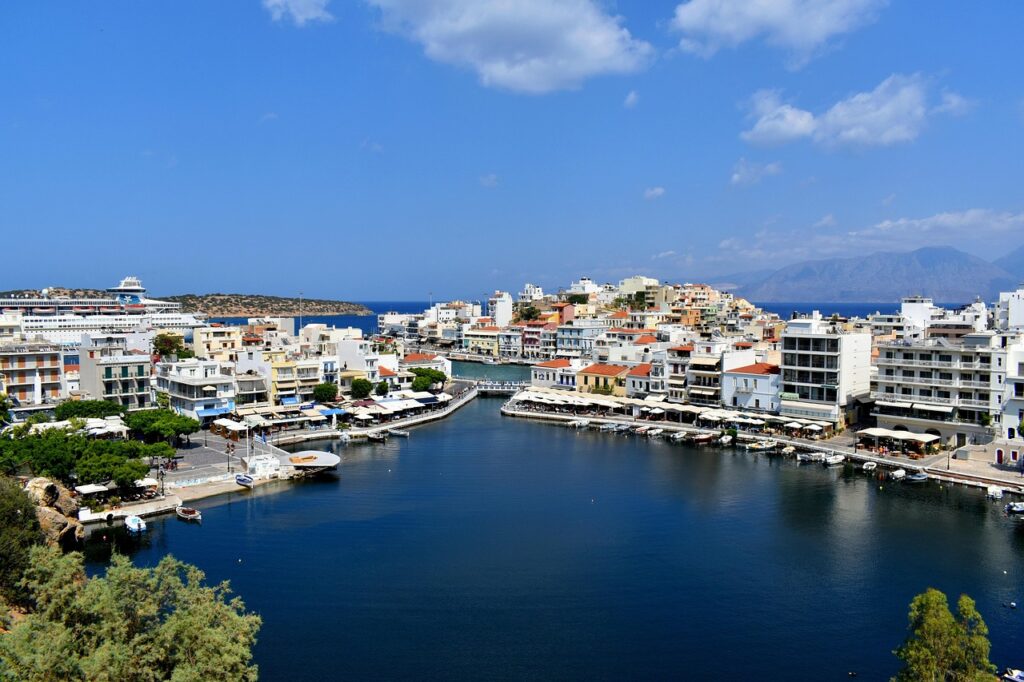
A practical advantage that’s often overlooked is accommodation and service availability. Villages like Agia Roumeli (Agia Roumeli, 730 12, Chania, Crete, Greece) and Sougia (Sougia, 730 12, Chania, Crete, Greece) tend to offer more room choices and often lower rates off-season. Many hosts also have more time to share local tips and to prepare home-style Cretan meals in small guesthouses.
Finally, there’s a safety dimension: without the pressure of huge crowds, rescue operations can sometimes be easier to organize (less traffic on roads), and park rangers are often more available to give detailed information and personalized advice. That said, this advantage comes with a responsibility: you must be well prepared, since assistance can be geographically more distant during winter.
- Fewer crowds: peace and immersion.
- Milder climate: more comfortable hiking.
- Better light: more beautiful photos.
- Accommodation: more availability and often lower prices.
- Local interactions: personalized advice from residents.
2) Access, transport and schedules off-season — how to plan your arrival and return
Getting to Samaria off-season requires a bit more careful planning than in summer. The classic starting point is the Omalos Plateau (Omalos Plateau, 730 11 Chania, Crete, Greece) and the hike ends in the seaside village of Agia Roumeli (Agia Roumeli, 730 12 Chania, Crete, Greece). Here are practical details including addresses and price ranges observed off-season.
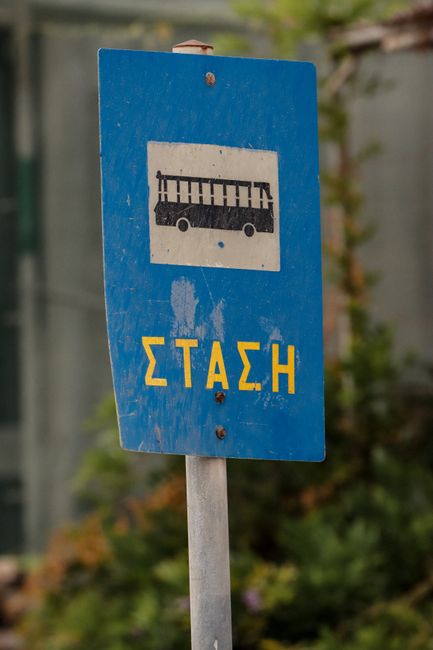
Main transport to Omalos: KTEL buses from the city of Chania (Chania Bus Station, Dimokratias Square, 731 00 Chania, Crete, Greece). Off-season frequencies are reduced. Timetables vary: typically there are two key morning departures around 07:00 and 09:00 in low season, but you must check the timetable at the bus station or online on the official KTEL Chania site. Indicative price: €4.00–€7.00 per trip (2024–2025 indicative fare).
If you’re coming from Rethymno or Heraklion, plan on changing buses in Chania. Useful long-distance hub address: KTEL Intercity Bus Station, Plateia Eleftherias, 712 02 Rethymno, Crete, Greece. Rethymno–Chania fares are roughly €6.00–€10.00. Again, in the off-season check departures closely as some routes do not run daily.
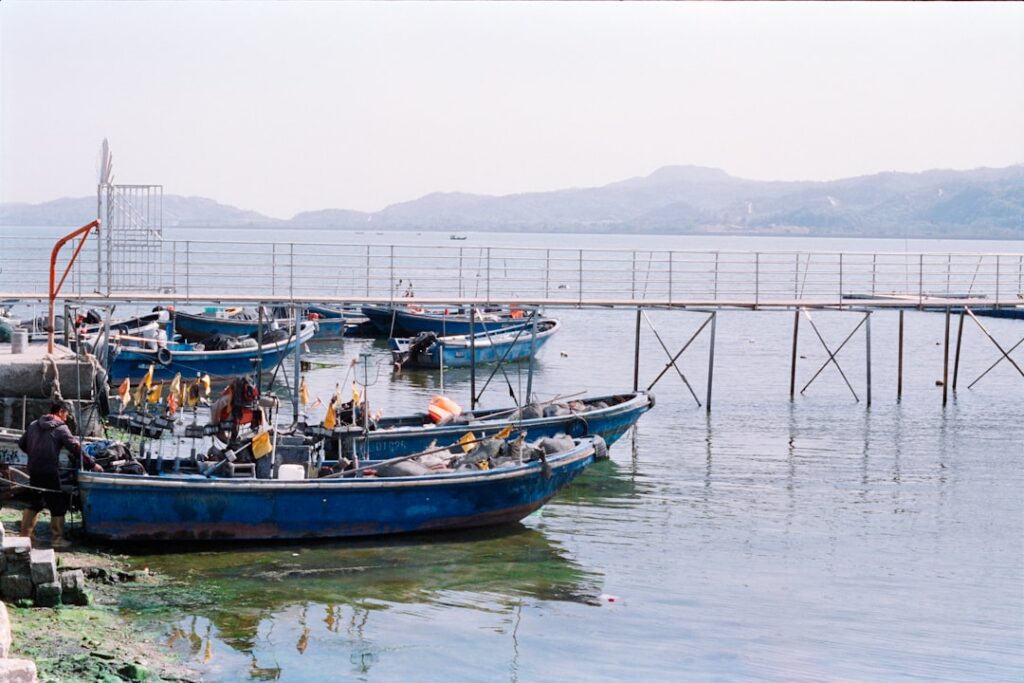
Arrival at the gorge’s end: from Agia Roumeli, most hikers take a boat back up to Sougia (Sougia Harbor, 730 12 Chania, Crete, Greece) or Chora Sfakion (Chora Sfakion Port, 730 11 Chora Sfakion, Chania, Crete, Greece). Off-season ferries run on limited schedules: typically one to two departures a day, often around 14:00–16:00 in October and sometimes only on days with sufficient passenger numbers. Indicative ferry fares Agia Roumeli → Sougia/Chora Sfakion: €7.00–€15.00 per person depending on destination and season.
Alternatives if ferries aren’t running: walk along the coast toward Sougia (long and difficult off-season), hire a private boat taxi (prices on request, often €50–€150 depending on distance and passenger count), or stay overnight in Agia Roumeli (basic lodging, tavernas). If you plan to spend the night in Agia Roumeli, note the local info office and small port address: Agia Roumeli Port Office, Main Pier, 730 12 Agia Roumeli, Chania, Crete, Greece. Local skippers often have the most up-to-date schedules.
Practical tip: print or save KTEL and ferry timetables on your phone, and note local phone numbers (restaurants and guesthouses) to call if plans change. Phone coverage can be limited at the bottom of the gorge, so tell someone staying in town about your plans.
3) Ticketing, park rules and fees — what to pay and what to respect
Samaria Gorge is a protected area: Samaria National Park. Off-season, conservation rules remain in force and some services may be closed or reduced. Here’s practical information on ticketing, opening hours and essential rules to follow.
Park access: during the high season there is an entrance fee used for park maintenance. Off-season this fee may be different or the physical ticket office may be closed, but it’s recommended to check with the Crete National Parks Office. Useful address: Samaria National Park Information Centre, Omalos Plateau, 73011 Chania, Crete, Greece. Indicative maintenance fee (if charged): around €5.00 per person (indicative; may vary). Off-season entry may be free but monitored by park rangers who record visitors.
Opening times: the park is officially open from May 1 to October 31 for the regular season. Off-season the gorge can be completely closed for safety reasons (rain, snow, risk of rockfall). If the gorge is open outside the regular season, hours are flexible but it’s recommended to start early in the morning (between 07:00 and 09:00) to avoid afternoon weather deterioration.
Rules to follow (not exhaustive):
- Stay on the marked trail: off-season terrain can be slippery and covered in leaves.
- No fires: strictly prohibited inside the park area.
- Respect wildlife: do not feed wild animals (including wild goats).
- Take your rubbish with you: there are few bins along the gorge off-season, so carry out your trash.
- Register: if a park ranger is present, register your passage and give an estimated duration.
Facilities: off-season most refreshment points and stalls that sell water may be closed. Don’t rely on frequent refills; bring enough water (at least 2–3 liters per person) and high-energy food. In Agia Roumeli, a few tavernas often stay open until November but it’s wise to call ahead. Example address: Taverna Akrogiali, Agia Roumeli Main Street, 730 12 Agia Roumeli, Chania, Crete, Greece — phone: +30 2825 0xxxx (local number variable).
4) Safety, gear and medical precautions — how to minimize risks
Safety is the most critical aspect to consider when exploring Samaria off-season. The terrain can be slippery, temperatures can vary sharply between the plateau and the coast, and assistance may be less present. Here’s a detailed guide to gear and precautions to minimize risks.
Minimum recommended gear:
- Sturdy hiking boots: grippy soles, waterproof if possible (examples: Gore-Tex hiking boots).
- Windproof / waterproof jacket: the gorge can be damp and showers can arrive quickly off-season.
- Water bottles: 2–3 liters per person, plus purification tablets if needed.
- First aid kit: plasters, elastic bandage, cutting tool, painkillers; include a survival blanket.
- Trekking poles: helpful for rocky descents and to protect your knees.
- Headlamp: if you might finish late or in case of emergency.
- Sunscreen and hat: despite cooler temps, sun exposure can be strong.
Medical and communication precautions:
- Tell someone: leave your route and estimated arrival time in Agia Roumeli with a friend or your accommodation in Chania.
- Emergency numbers: European emergency number: 112. Local park ranger (if reachable): Samaria Park Office, Omalos, +30 2821 xxxxxxx (variable).
- Travel insurance: make sure your policy covers mountain rescue and boat evacuations.
- Fitness level: the hike is demanding — a good cardiorespiratory condition is recommended.
Specific off-season risks:
- Rain and mud: make stones very slippery; plan for grippy soles.
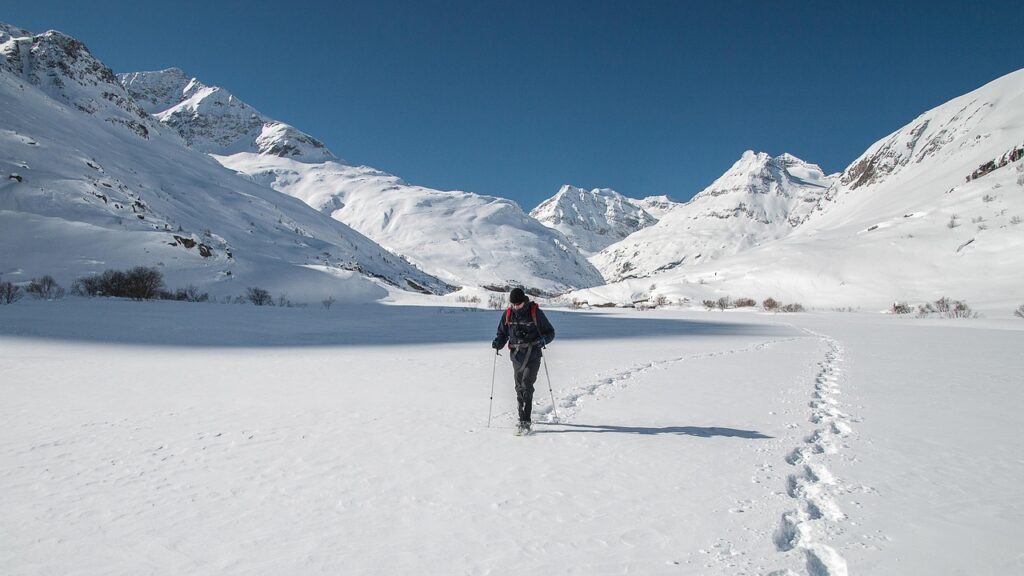
- Cold at altitude: very chilly mornings on the Omalos plateau, sometimes near 0–5 °C in March/November.
- Unexpected closures: if authorities close the gorge for safety, respect the decision — do not try to bypass official routes.
Local tip: start early (06:30–08:00) to take advantage of the best light and to avoid afternoon weather changes. Off-season, this also reduces the risk of being without help after nightfall.
5) Alternatives and complementary activities in case of closure or bad weather
If Samaria Gorge is closed or weather conditions prevent hiking, western Crete offers several interesting alternatives that are just as immersive and suitable for the off-season. Here are fallback options, with addresses and practical information to plan your day.
Imbros Gorge — a shorter alternative often accessible off-season. Location: Imbros Village, 730 11 Sfakia, Chania, Crete, Greece. Distance: about 8 km with moderate elevation change. Opening: usually accessible year-round except in exceptional cases; no official ticket office. Access: road from Chora Sfakion or Kallikratis via KTEL bus. This gorge is less demanding than Samaria and remains wild off-season.
Aradena Gorge — located near Loutro and Palaiochora, with the Aradena mountain trail coordinated by the Sfakia municipality. Features: vertiginous panoramas, historic suspension bridges, a shorter but more technical hike. Access point: Aradena Trailhead, 730 12 Loutro/Sfakia, Chania, Crete, Greece. Check trail conditions off-season.
Olive Museum of Crete — a sheltered cultural day out in Kolymvari: Olive Museum, Agios Ioannis 15, Kolymvari, 730 06 Chania, Crete, Greece. Off-season hours: often 09:00–15:00 (closed some days). Entrance fee: around €5.00–€8.00.
Coastal villages: Sougia (Sougia, 730 12 Chania) and Paleochora (Paleochora Harbor, 730 01 Paleochora, Chania) offer coastal walks, open tavernas and comfortable lodgings. Check local addresses for tavern hours and recommended places to stay off-season.
Finally, if the weather blocks all outdoor plans, enjoy Cretan gastronomy: local tavernas, olive oil tastings, cheeses (graviera, mizithra), and cooking workshops in villages like Vamos (Vamos Village, 730 14 Chania) which often host demonstrations during the quieter months.
Conclusion — Prepare well for an off-season visit to ensure a safe and memorable experience
Visiting Samaria Gorge off-season is a highly rewarding option for the well-prepared hiker: fewer people, distinctive light, potentially lower accommodation costs and a closer connection with Cretan nature. However, this experience requires rigorous planning. Off-season public services (KTEL buses, Agia Roumeli–Sougia/Chora Sfakion ferries), the park ticket office and local shops may run reduced hours or be temporarily closed. It’s therefore essential to check schedules in advance, have backup plans (lodging in Agia Roumeli or Sougia, boat taxi numbers), and pack appropriately: sturdy boots, 2–3 liters of water, waterproof clothing, first aid kit and a headlamp.
Always follow park ranger and local authority instructions. The gorge may be closed for safety reasons (rain, snow, rockfall risk). Never try to force entry. If the gorge is closed, turn to alternatives like Imbros Gorge, Aradena Gorge, or cultural and culinary activities in Chania, Sougia or Paleochora. These options are a great way to discover Crete away from the summer crowds.
To sum up the key practical points:
- Plan your start time: begin early (06:30–08:00).
- Check transport: KTEL Chania Bus Station, Dimokratias Square, 731 00 Chania; ferries from Agia Roumeli — limited schedules off-season.
- Approximate budget: bus €4.00–€10.00 depending on distance; ferry €7.00–€15.00; park maintenance fee around €5.00 (variable).
- Gear: waterproof boots, rain jacket, 2–3 L of water, trekking poles, first aid kit.
- Safety: tell someone your route, emergency number 112, and insurance covering evacuation.
Finally, give it time: off-season Crete reveals a more intimate, sincere side. Local hosts usually have more time to share their stories, food feels more homely, and the hike turns into a moment of contemplation rather than a timed challenge. With proper preparation, Samaria off-season can become one of the most memorable hiking experiences of your travel life.