





Introduction — Cedar and Pine Forests: An Itinerary to Crete’s Ancient Trees
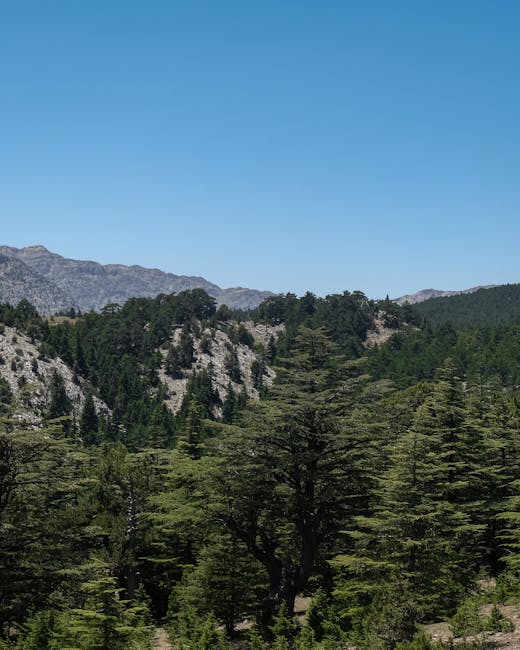
Crete isn’t just turquoise beaches and hilltop villages — it also hides woodlands where centuries-old trees still stand: rare cedars and expansive pine forests that tell the geological and human story of the eastern Mediterranean. This general itinerary, written for curious hikers, nature photographers and responsible travelers, lays out a detailed tour of the island’s main cedar and pine forests — places where trunks are thick, the air is full of resin, and the pine shade is a welcome refuge on hot Cretan days.
We’ll cover concrete destinations you can reach by car or on foot, with useful addresses, opening times, fees when they apply, immersive landscape descriptions, practical tips and local advice to help you make the most of each stop. The guide includes emblematic spots like Rouvas Forest (near Lake Zaros), the Selakano reserve in the east, the Asfendou pinewoods and the wooded valleys along the Agia Irini and Samaria gorges. There, ancient trunks and young shoots coexist, the ecosystem supports endemic birds and insects, and the trails invite you to slow down.
This guide is for people who want more than names: you’ll find postal addresses or precise access points (village or parking), prices in euros when an entry fee exists (for example some gorges charge access fees), seasonal opening times, as well as detailed route descriptions, terrain type and safety/equipment recommendations. The narrative aims to be both functional — to plan a day or a trip — and immersive, evoking the atmosphere of these forests: the crunch of dry needles, light filtered through cedars, and resinous scents that cling to clothing.
Before you set off, remember mountain weather can change quickly, some rural roads are narrow and steep, and visitor numbers vary by season (peak tourism: July–August). The best hours for photography and walking are early morning and late afternoon: low-angle light makes trunks glow and morning mist in ravines creates incredible moods. Finally, respect local rules: don’t pick plants, don’t light fires, and stick to marked trails to protect these forests, which are among Crete’s most precious natural heritage sites.
1. Rouvas Forest (Zaros) — Cedars, Beech Stands and Mountain Plane Trees
Rouvas Forest, on the slopes of the Psiloritis massif (Mount Ida), is often cited as one of the best places to see mixed woodland made up of pines, oaks and cedars that have been present or naturalized for a long time. The main gateway community is Zaros, known for its lake and spring water. Useful starting address: Zaros Village, 700 02, Municipality of Viannos, Heraklion Prefecture, Crete, Greece.
Access and trailhead: public parking next to Lake Votomos (Lake of Zaros), approximate address: Lake Votomos, Zaros, 700 02 Heraklion, Crete, Greece. GPS coordinates commonly used by hikers: 35.0895° N, 24.8350° E. From here several marked trails depart (loops from 3 to 12 km) that climb into Rouvas Forest and the Psiloritis range.
Hours and fees: access to Rouvas and its trails is free. The lake parking is free, but some tourist facilities (cafés, the lake beach) may charge for entry or consumption. Village kiosks and tavernas usually open from around 08:00 until midnight in high season (times and days vary off-season).
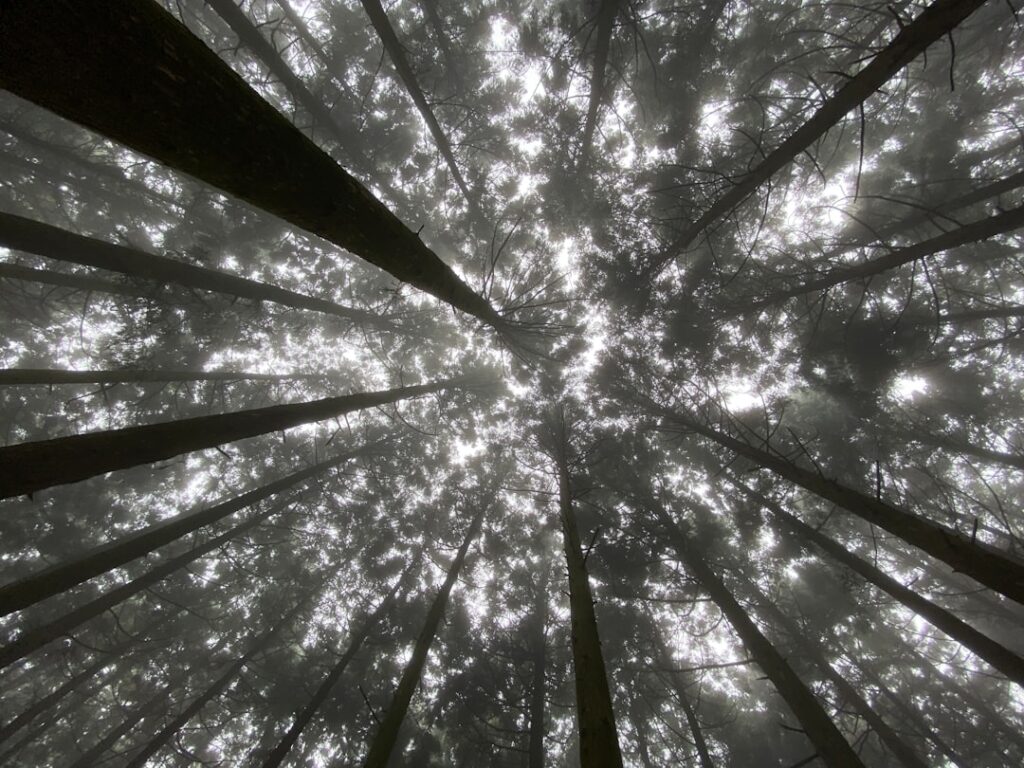
Immersive description: stepping into Rouvas, you immediately notice the density of vegetation and an almost alpine freshness. Trails wind among Aleppo pines (Pinus halepensis), kermes oaks and juniper thickets. In places you’ll find wide century-old cedars with thick trunks, often surrounded by a sparse understorey that lets golden light through. The air carries a strong scent of resin and damp earth, with occasional late-season floral notes (rockrose) depending on timing.
Practical tips: wear sturdy hiking boots, bring at least 1.5–2 liters of water per person in summer, and pack a windproof jacket for the evening. Trails can be slippery after rain; trekking poles are recommended on steep sections. Near the lake, try the local spring water (highly regarded) and plan a stop at the taverna « Katsogiannakis » (address: Lake Votomos, Zaros, 700 02) for simple Cretan fare after your walk.
2. Selakano Forest — The Great Pinewood of Eastern Crete
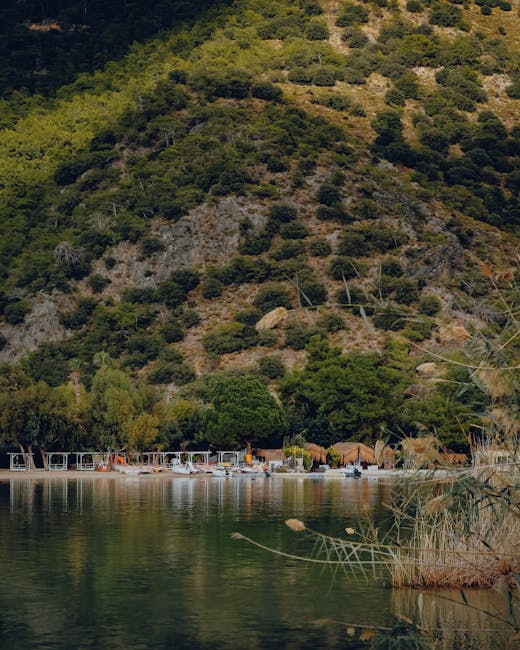
At the far eastern end of Crete, Selakano Forest is often described as one of the island’s remaining large intact pine masses. It lies in the Sitia district and covers a remarkable area surrounded by gorges and limestone hills. The main access point is near the villages of Mochlos or Kato Zakros depending on your route, but a more practical address for lodging and information is: Sitia Tourist Information, Plateia Koundourioti, 723 00 Sitia, Lasithi, Crete, Greece.
Access and trailhead: the nearest road access is the Pappados / Selakano area. A frequent starting point for hikers is the parking area on provincial road D 98, near Moni Toplou (the monastery area), address: Toplou Monastery Road, 723 00 Sitia, Lasithi, Crete. A network of forest tracks allows mountain biking and hiking circuits from 5 to 25 km.
Hours and fees: Selakano is a free natural area with no opening hours or entry fees. Nearby monasteries and religious sites (e.g. Moni Toplou) may have visiting hours: Moni Toplou (Toplou Monastery), address: Toplou Monastery, 723 00, Sitia, Crete — approximate opening hours 09:00–17:00, free entry or voluntary donation depending on season.
Immersive description: Selakano is dominated by an extensive pine stand (mainly Pinus brutia, the Turkish pine) spreading over rounded hills. The pines often reach great heights and create a continuous canopy; below, limestone erosion has exposed white rocks dotted with thyme and wild lavender carpets. The hum of countless insects and the furtive movement of woodcock contribute to a total sense of remoteness. The pines emit a powerful resinous aroma, and in late summer the interplay of light and shadow makes geometric patterns on the forest floor.
Local tips and notes: Selakano is excellent for birdwatching — bring binoculars and a field guide. The forest is also well suited to mountain biking, with wide but sometimes rocky tracks. In summer start early to avoid intense heat; shade under the pines helps but humidity can be low. For accommodation, the town of Sitia offers hotels and local agencies that organize guided outings (half-day trips around €30–60 per person depending on group size and season).
3. Asfendou Pinewood — Garrigue, Pines and Views over Balos Bay
The Asfendou pinewood is a great option if you’re in western Crete, near Chania and the Apokoronas region. It’s located close to the villages of Ano Asfendou and Kato Asfendou and consists of wooded hills with a low human footprint. Reference point: Ano Asfendou, 730 13, Municipality of Chania, Crete, Greece.
Access: from Chania expect a 30–50 minute drive on secondary roads to Ano Asfendou. The trailhead parking is usually at the village main square (plateia) or just outside. Marked routes lead to viewpoints overlooking Balos Bay and the northwest coast.
Hours and costs: the pinewood is freely accessible. If you use local services (guides, 4×4 transfers, mountain bike rentals), expect prices from €25–70 depending on duration and activity type.
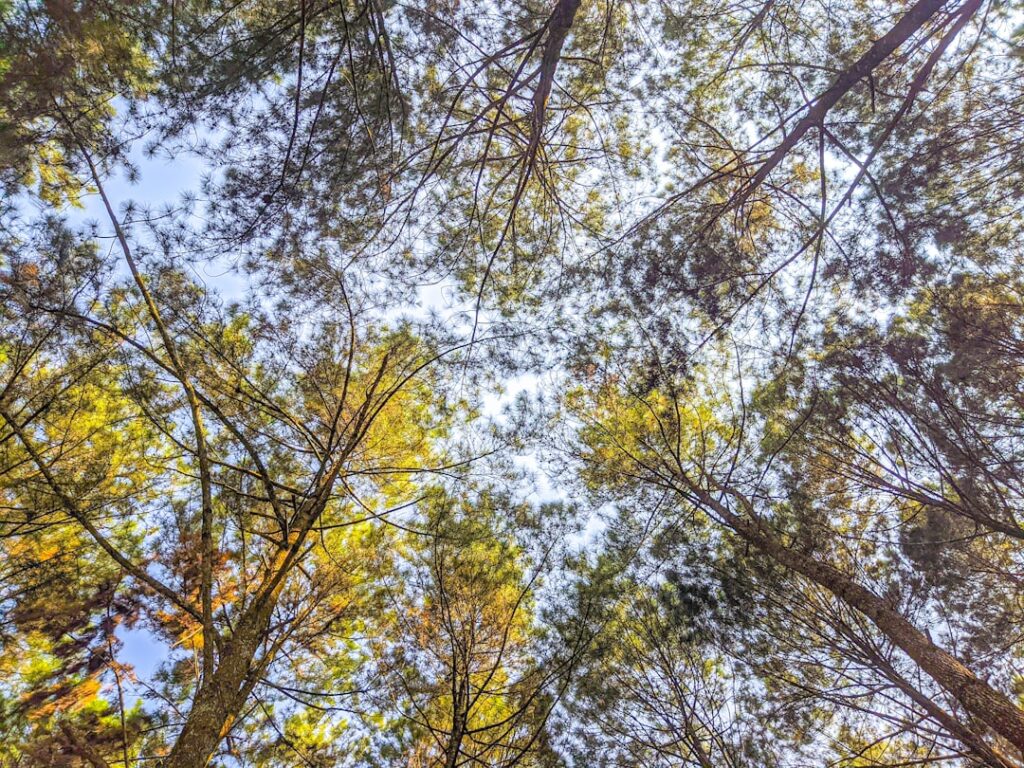
Immersive description: Asfendou blends bands of pines with Mediterranean scrub: rockrose, rosemary and savory. Trails occasionally open up onto descending olive groves and the sea beyond. In autumn and spring the low vegetation blooms with wildflowers and the ground becomes a colourful mosaic. The pines give off a milder resin scent than those on hotter coastal slopes; at dawn low light makes trunks appear almost black, while at dusk the horizon turns golden.
Local advice: Ano Asfendou has a small grocery and sometimes a taverna open in the evening (hours vary). Park in the village and follow well-marked paths; photographers should protect lenses from resin. In strong winds stick to sheltered areas inside the wood. If you want a guided walk with a naturalist, contact the Chania Tourism Office (Chania Tourism Office, Plateia 1866, 731 33 Chania — hours: 09:00–17:00, closed Sunday).
 Click here to discover Balos and Gramvousa by catamaran
4. Southern Gorges and Woodlands: Agia Irini and Samaria — Pines in the Ravines
Cretan gorges are famous and, beyond their reputation for steep trails, they also shelter ribbons of forest where pines and small oaks create micro-ecosystems. Two gorges particularly interesting for forest hiking are Agia Irini (near Sougia) and the famous Samaria (Samaria National Park). These gorges offer contrasting scenery: sheer limestone walls, cool shaded sections and pine woods lining the dried streambeds.
Agia Irini — access and info: classic starting point: Agia Irini Gorge trailhead, Agia Irini, 730 11, Chania, Crete, Greece (near the village of Sougia). Hours: the gorge is accessible year-round but the best period is April to October. There’s no entry fee for Agia Irini; organized excursions run about €15–40 per person depending on duration.
Samaria — national park: for Samaria Gorge, official information is provided by the Samaria National Park authority. Address for info and ticket purchase (or embarkation): Samaria National Park ticket booths, National Road Omalos-Xyloskalo, 730 11 Chania, Crete, Greece. Entry fee: around €5.00 per person (park fees vary by season; check locally). Opening season: the gorge is open seasonally (usually May 1 to October 31, ticket office hours roughly 06:00–15:00 depending on crowds and season).
Immersive description: in the lower reaches of the gorges pines cling to terraces and soil pockets; their presence stabilizes slopes and creates refreshing shady pockets. Walking inside a gorge in summer feels like an oasis: winds are cooler, vegetation is more humid — mosses, ferns and small hedges form the undergrowth. In Samaria some pines and conifers have twisted, time-marked trunks; their silhouettes framed by vertical walls are a geological and biological spectacle in themselves.
Practical and safety tips: for Agia Irini and Samaria wear shoes with good grip; carry sufficient water (at least 2 liters per person for Samaria) and pack a small picnic. Descents can be long (Samaria is about 16 km) and shuttles or ferries at the endpoint (Agia Roumeli or Paleochora/Sougia on some routes) run on strict schedules. For Samaria, ferries from Agia Roumeli to Chora Sfakia or Sougia cost roughly €10–20 depending on season; book ahead in high season.
Click here to book a full-day hike in Samaria Gorge
5. Psiloritis (Mount Ida) and the High Woods — Mountain Pines and Scattered Cedars
The Psiloritis massif (Mount Ida) rises to 2,456 m and presents a mix of ecosystems: high-altitude pastures, scrub, and woodlands on lower slopes where pines and isolated cedars appear. Primary access for walkers and naturalists is via the village of Anogeia or from Zaros on the eastern side. Useful address: Anogeia Village, 740 52, Municipality of Rethymno, Crete, Greece (for north/east access to the massif).
Access and trails: several national trails (notably the E4) cross the massif. Mountain huts and trailheads like the Nida Plateau (routes from Omalos/Anogeia depending on approach) serve as bases for day trips. Although summiting is popular, the most interesting woodlands sit at mid-altitudes (800–1,500 m) where pines mix with oak copses.
Hours and costs: ascents and trails are free; if you hire a guide, 4×4 transfer or use hut accommodation, expect €40–100 for a day guide (indicative). Some mountain refuges may require advance booking in summer.
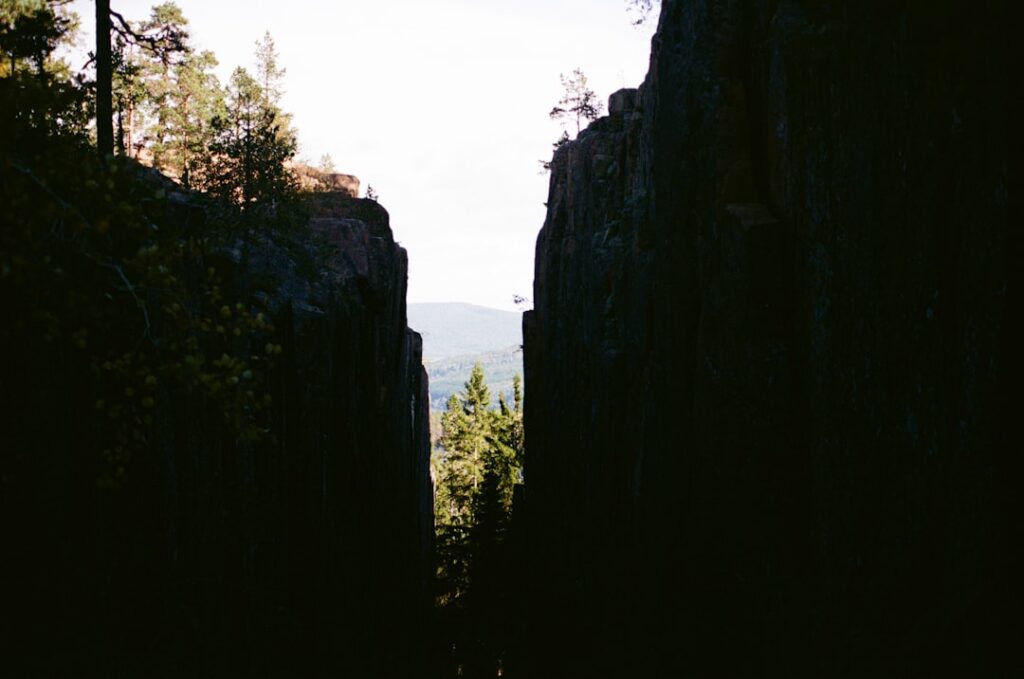
Immersive description: on Psiloritis’s flanks the forest takes on a more alpine character; trees are often wind-sculpted and gnarled. Mountain pines acquire picturesque shapes, their roots sometimes exposed on dark forest soils. In late winter and spring snowmelt feeds springs and small streams, creating lush scrubby areas. Vast panoramas from forest edges reveal sweeping views of the sea and the Cretan plain.
Tips: at altitude weather changes fast — pack warm, waterproof layers and energy food. The network of huts is limited: tell your accommodation where you’re heading and leave an outline of your route. The best photo moments are at sunrise when treetops glow and valley mist rises.
Conclusion — Protecting and Enjoying Crete’s Ancient Woodlands
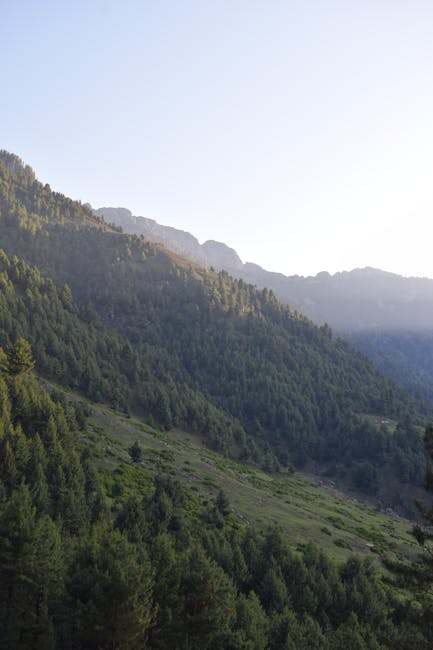
Crete’s cedar and pine forests offer astonishing ecological and scenic diversity, from dense coastal pinewoods to wind-sculpted high-altitude groves. This itinerary gave you concrete entry points — Zaros and Rouvas Forest, the Selakano pinewoods in the east, Asfendou in the west, the wooded gorges of Agia Irini and Samaria, and the forested slopes of Psiloritis — with addresses, practical info, prices and times to plan your visits. These details will help you organise days full of natural discovery and Mediterranean atmosphere.
Two key messages to remember: first, respect these fragile environments. Many trees are very old and careless behaviour (fire, picking plants, off-trail driving) can undo decades of regeneration. Second, use marked routes or locally offered guided visits: they support rural economies and provide transport, naturalist insight and safety. Local guides and tourist offices (e.g. Sitia Tourist Information, Plateia Koundourioti, 723 00 Sitia; Chania Tourism Office, Plateia 1866, 731 33 Chania) remain the best sources for up-to-date information on opening hours, temporary closures and services.
Finally, to make the most of your time: hike early in the morning, bring proper gear, carry water and follow simple rules (don’t litter, don’t light fires, stay on trails). Photographers will find exceptional light at dawn and dusk; birdwatchers can spot endemic and migratory species in spring and autumn. Walking these forests is literally walking through history: trunks that witnessed past climates, paths trodden for centuries and a nature that, if cared for, will continue to amaze future generations.
Safe travels in Crete: may your steps lead you under pine shade, beneath cedar boughs and into the heart of an island that still protects pockets of wild country.