





Introduction: tracing Crete’s contemporary memory
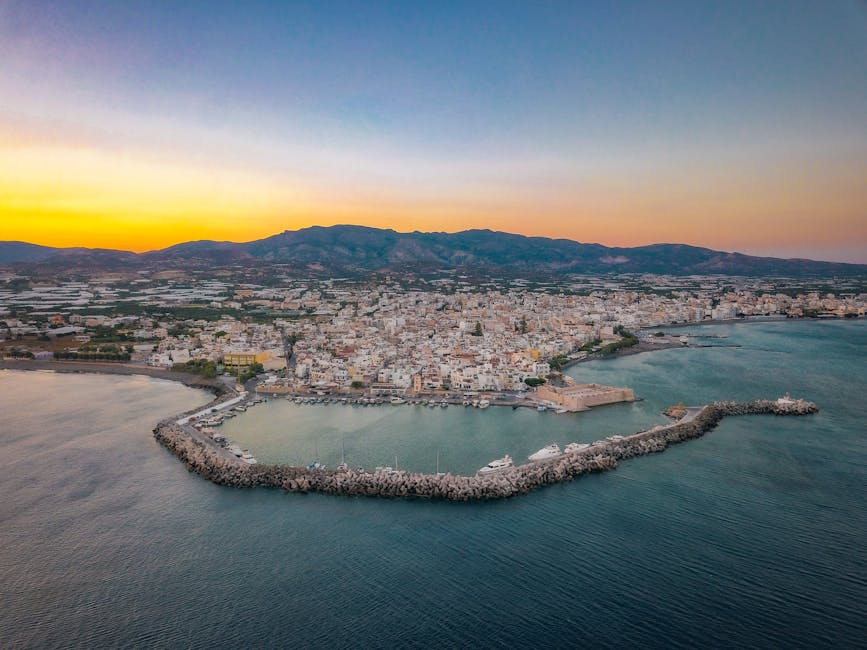
Crete isn’t just an island of golden beaches, wild gorges and whitewashed villages — it’s also a place where recent history has left deep, tangible marks. From heroic resistance against Ottoman and fascist rule to the sacrifices of World War II, and through painful episodes of repression and uprising, Cretan memorial sites create an itinerary that’s both educational and emotionally powerful for the curious traveler. This article lays out a thematic route focused on the island’s main places of memory, with practical details — exact addresses, admission fees, opening hours, immersive descriptions — plus local tips to help you get the most from each visit.
Visiting these places is a way to understand contemporary Crete through the locations where essential chapters of its history were written. You’ll move from monasteries turned into symbols of resistance to museums that tell of suffering and resilience, alternating hilltop panoramas with exhibition rooms filled with personal items, archives, photographs and audio testimonies. The route reveals an emotional geography: winding roads that climb to isolated monasteries, narrow streets of old port towns — every stop invites you to slow down, listen and remember.
This piece is aimed at attentive travelers, teachers planning an educational outing, descendants looking to trace family memory, or cultural hikers who want to combine walking with learning. Practical suggestions include seasonal opening times (very important in Crete, where visitor numbers and openings vary), prices and discounts, the best time windows for photography, and recommended guided tours. You’ll also find very local advice: how to show respect at sites of memory (what to wear, how to behave), where to find local resources (municipal libraries, memory associations), and which roads to choose to balance efficiency with beauty.
The proposed route covers emblematic sites: monasteries, resistance museums, memorials to martyr villages, military cemeteries and house-museums dedicated to intellectuals or local resistance figures. Each place tells a different story — sometimes communal, sometimes intimate — and together they reveal the tensions, tragedies and dignity that shaped modern Cretan identity. Expect powerful emotions, but also rewarding encounters with local guides, passionate curators and residents committed to passing on their history.
Before you go, note that most sites require respectful behavior: no loud music, limited photography in sacred spaces, and respect for liturgical hours in monasteries that are still active. Also keep in mind that Crete, despite its small size, has a variable road network: renting a car is often the best option to follow this route, though public transport and organized tours provided by local tourist offices can also get you to many sites if you prefer not to drive.
Arkadi Monastery: a symbol of sacrifice and resistance
Arkadi Monastery (Moni Arkadiou) is arguably Crete’s best-known modern memorial site. Located in the Rethymno municipality, it embodies Cretan resistance to occupation and the collective tragedy of 1866, when many civilians and monks died in a deliberate explosion intended to avoid capture by Ottoman forces. The atmosphere — weathered stone and ancient olive trees — gives the visit a solemn intensity that’s hard to forget.
Address: Moni Arkadiou, Arkadi, Rethymno 740 57, Crete, Greece.
Opening hours: usually open daily 08:00–19:00 in high season (May–October), and 09:00–17:00 in low season (November–April); check with the local information office for variations.
Admission: grounds free; monastery museum visit ~€2–€4 (discounts for students and groups).
Immersive description: on arrival the first striking image is the plain façade of the main church and the narrow courtyard lined with arcades. The interior frescoes have endured the centuries, but the most vivid memory lives in the memorial shop and the small adjacent museum where documents, period weapons and registers are displayed. The crypt monument, the site of the sacrifice, is described on panels in Greek and English; local guides often lead commentary tours that place the 1866 events within the broader struggle for Cretan and Greek independence.
Local practical tips: arrive early to avoid coach crowds and enjoy soft light for respectful photos. Dress modestly if you enter the church (shoulders covered, long pants or skirt). If you want to dig deeper, ask the reception desk for the English brochure and visit the on-site bookshop: you’ll often find rare local editions collecting survivors’ testimonies. The access road is paved but winding; favor a compact car or take a taxi from Rethymno if you don’t drive.
World War II memorials and museums: Heraklion and Chania
World War II left deep marks on Crete, especially after the famous German airborne invasion of May 1941 and the ensuing civilian resistance. Two cities concentrate several key memorial sites today: Heraklion and Chania. These institutions blend archives, artifact displays and commemorative monuments dedicated to civilian and military victims.
Historical Museum of Crete — Heraklion
Address: Historical Museum of Crete, 6 Chalidon Street, Heraklion 71202, Crete, Greece.
Opening hours: open Tuesday–Sunday 09:00–17:00; closed Monday. In summer hours can extend to 19:00.
Admission: adult €6; students €3; free entry for under-18s when accompanied.
Immersive description: the museum offers a strong contemporary section on the 19th–20th centuries, with photographs of the Battle of Crete, resistance documents and personal items belonging to partisans. Rooms are organized chronologically and thematically: propaganda, occupation, daily life under occupation, acts of sabotage. Temporary exhibitions often spotlight local stories with objects loaned by Cretan families.
War Museum of Chania (Military Museum of Chania) — Chania
Address: War Museum of Chania, 2 Eleftheriou Venizelou Street, Chania 73100, Crete, Greece.
Opening hours: generally open daily 10:00–17:00; hours may vary by season.
Admission: adult €4–€5; discounts for students and seniors.
Immersive description: the Chania museum displays uniforms, weapons, operational maps and audio testimonies from soldiers and civilians. The layout emphasizes everyday experience and the logistics of the battle: aviation images, maps of German parachute drops and accounts of British and New Zealand assistance. Outside, a small commemorative area groups plaques remembering martyr villages.
Local practical tips: allow at least two hours per museum to read panels and listen to recordings. If you’re traveling with relatives who lived through the war, photograph interactive stations and ask about archive access; some museums provide document consultation by appointment. Respect photo rules inside (often allowed without flash). Combine a museum visit with a stroll through the historic centers of Heraklion and Chania to see urban monuments and commemorative plaques scattered through the streets.
 Click here to book a World War II historical tour
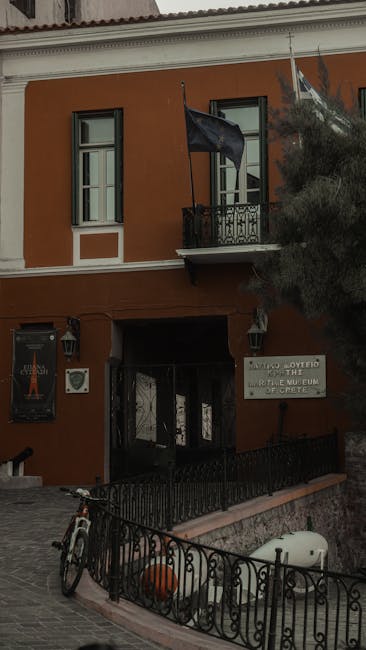
War Museum of Chania (Military Museum of Chania) — Chania
Address: War Museum of Chania, 2 Eleftheriou Venizelou Street, Chania 73100, Crete, Greece.
Opening hours: generally open daily 10:00–17:00; hours may vary by season.
Admission: adult €4–€5; discounts for students and seniors.
Immersive description: the Chania museum displays uniforms, weapons, operational maps and audio testimonies from soldiers and civilians. The layout emphasizes everyday experience and the logistics of the battle: aviation images, maps of German parachute drops and accounts of British and New Zealand assistance. Outside, a small commemorative area groups plaques remembering martyr villages.
Local practical tips: allow at least two hours per museum to read panels and listen to recordings. If you’re traveling with relatives who lived through the war, photograph interactive stations and ask about archive access; some museums provide document consultation by appointment. Respect photo rules inside (often allowed without flash). Combine a museum visit with a stroll through the historic centers of Heraklion and Chania to see urban monuments and commemorative plaques scattered through the streets.
Martyr villages and rural memorials: Viannos, Anogeia and Kandanos
The memory of collective repression is everywhere in rural Crete. Entire villages were destroyed in reprisals and populations massacred — events commemorated by steles, local museums and annual ceremonies. Three places stand out for their historical intensity and the authenticity of their accounts: Viannos, Anogeia and Kandanos.
Viannos Memorials and Museum — Viannos (Ierapetra region)
Address: Viannos Memorial and Local Museum, Viannos, Ierapetra 72200, Crete, Greece.
Opening hours: variable, often open in summer 09:00–14:00; contact the town hall for appointments in low season.
Admission: donations suggested, typically symbolic (€1–€3).
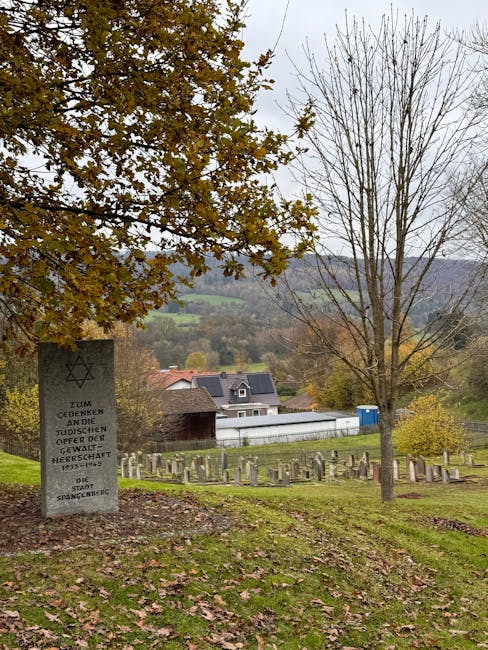
Immersive description: Viannos preserves the memory of the August 1943 massacres. The small municipal museum holds testimonies, personal items, clothing and victim registers. Outside the museum, steles at the massacre sites punctuate the road, each accompanied by an inscription detailing events and the victims. The surrounding countryside — olive groves and hills — invites meditative walks between monuments, where silence often speaks louder than words.
Anogeia Memorial and Museum — Anogeia (Rethymno region)
Address: Anogeia Resistance Museum, Anogeia, Rethymno 74058, Crete, Greece.
Opening hours: usually 09:00–14:00 and 17:00–20:00 in high season; mid-afternoon closures vary.
Admission: adult ~€3–€5; discounts for school groups and seniors.
Immersive description: Anogeia is famed for its exceptional role in the armed resistance. The local museum (House of Memory / Museum of Resistance) displays traditional clothing, improvised weapons, photographs and letters. Guided visits led by community members add a rare human dimension: oral testimonies, traditional songs and readings of recovered letters. The main square, overlooked by a commemorative statue, is often the site of public ceremonies and memorial gatherings.
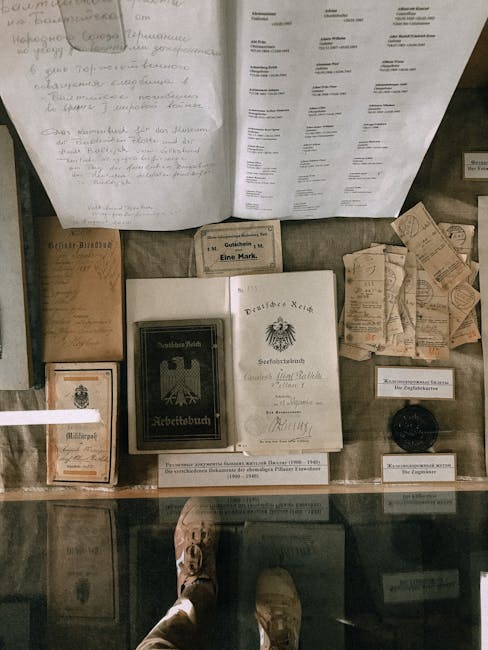
Kandanos Memorial — Kandanos (Paleochora area)
Address: Kandanos Memorial Site, Kandanos, Chania 730 08, Crete, Greece.
Opening hours: outdoor site accessible 24/7; plaque and information center open 09:00–15:00 in season.
Admission: free access; information center accepts donations.
Immersive description: Kandanos was razed in 1941 in reprisal. The rebuilt village preserves commemorative plaques and a small open-air museum. Visits are often combined with a stop on the scenic road that descends to the coast, creating a striking contrast between the landscape’s beauty and the harsh history played out there.
Local practical tips: for these rural sites, plan on driving, bring plenty of water and wear sturdy shoes for walking between steles. Respect local memorial days: some villages close shops temporarily and hold solemn ceremonies where visitors are welcome but should remain discreet. To go deeper, contact local town halls (Kandanos, Anogeia or Viannos) which can often provide volunteer guides or English brochures.
House-museums and intellectual memory sites: Nikos Kazantzakis and Eleftherios Venizelos
Contemporary memory in Crete isn’t limited to war zones. It also includes houses and museums dedicated to intellectual and political figures whose work and ideas shaped not only the island but Greece as a whole. Two essential stops: the Nikos Kazantzakis Museum and the Eleftherios Venizelos House-Museum.
Nikos Kazantzakis Museum — Myrtia (Heraklion region)
Address: Nikos Kazantzakis Museum, Myriokefala (Myriokephala), Myrtia, Heraklion 720 02, Crete, Greece.
Opening hours: generally open 09:00–17:00; closed Monday (hours vary by season).
Admission: adult €4–€6; discounts for students and seniors.
Immersive description: the birthplace of Nikos Kazantzakis in the village of Myrtia has been turned into a museum honoring the author of Zorba the Greek. Manuscripts, first editions, photographs and personal items reveal his intellectual journey and social commitments. The visit explains how Kazantzakis drew inspiration from the sea and Cretan landscapes, and how his ideas helped shape national debates on modernity and Greek identity.
Eleftherios Venizelos House-Museum — Chania (Halepa district)
Address: Eleftherios Venizelos Museum, Halepa 28, Chania 73100, Crete, Greece.
Opening hours: open Tuesday–Sunday 10:00–16:00; closed Monday.
Admission: adult €3–€5; free for children under 12 when accompanied.
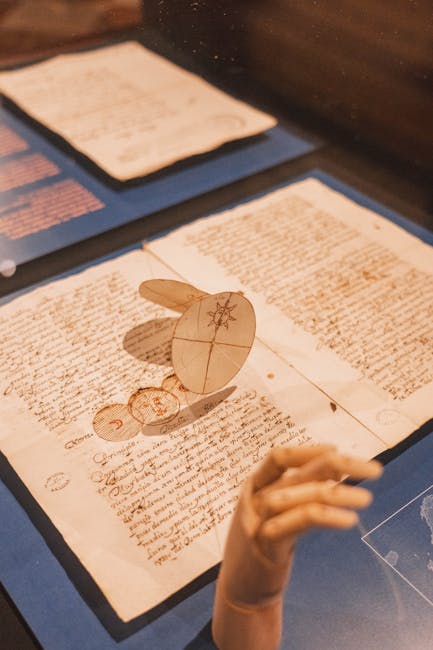
Immersive description: Venizelos, a major political figure of the early 20th century, is honored in his Halepa house-museum in the bourgeois district of Chania. Rooms preserve furniture, political correspondence and official portraits that help reconstruct Venizelos’s role in building the modern Greek state and his interactions with Crete. For students of political history, the visit offers a revealing look behind the scenes of diplomacy and reforms that reshaped the region.
Local practical tips: house-museums are often small and run by lean teams: prefer guided visits (often included in the price) to get anecdotes and richer context. Check cultural programs: conferences and readings are regularly organized and may feature English presentations. For Kazantzakis, combine the museum with a walk around Myrtia and a meal of local specialties at a nearby taverna; for Venizelos, enjoy the nearby port and Chania’s coastal promenades.
Recommended itinerary and practical tips for a 5–7 day memorial trip
Suggested 5-day itinerary: this plan condenses the essentials, limiting driving time while leaving space for reflection.
Day 1: Arrive in Heraklion — visit the Historical Museum of Crete (6 Chalidon Street, Heraklion 71202) then stroll the historic centre.
Day 2: Drive to Rethymno — visit Arkadi Monastery (Moni Arkadiou, Arkadi, Rethymno 74057); overnight in Rethymno.
Day 3: Anogeia (Museum of Resistance, Anogeia, Rethymno 74058) — meet local guides, listen to songs and testimonies.
Day 4: Kandanos and Viannos — memorials around Chania and Ierapetra; overnight near Chania.
Day 5: Chania — Eleftherios Venizelos Museum (Halepa 28, Chania 73100) and War Museum of Chania (2 Eleftheriou Venizelou Street, Chania 73100); return.
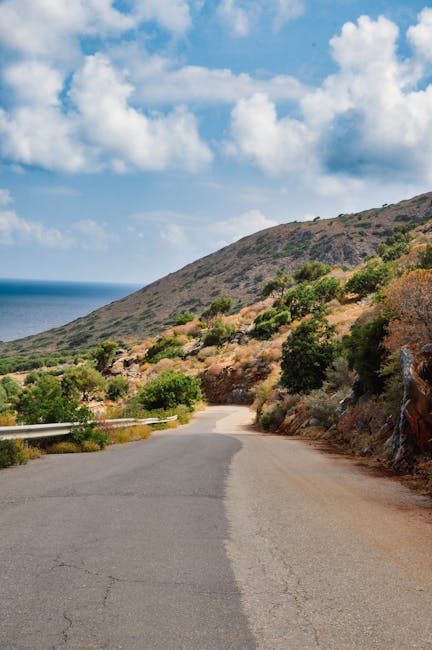
Logistics tips: renting a compact car is strongly recommended to reach rural sites. Secondary roads can be narrow and twisty; drive carefully in winter. Allow an extra 30–60 minutes on journeys for scenic viewpoints where you’ll want to stop. Book accommodation in advance in high season (June–September), and schedule museum visits in the middle of the day when heat peaks, saving outdoor sites (martyr villages, monasteries) for mornings or late afternoons.
Click here to book your guided tour of the Palace of Knossos
Behavioral and ethical advice: these places are primarily spaces of memory and reflection. Keep a respectful demeanor: speak softly in museums, avoid beachwear in sacred areas, and ask permission before photographing elderly people or ceremonies. If you attend a memorial, bring flowers discreetly and support museums by buying publications or making a small donation.
Further resources: to learn more, consult local tourist offices (Heraklion Tourist Information Office, Chania Tourism Bureau), the University of Crete and memory associations (for example local victims’ and resistance groups). Many museums offer English brochures; some provide archive access by appointment. Also download offline maps and carry a power bank — mobile coverage can be patchy at certain sites.
Conclusion: memory tourism in Crete — balancing respect, discovery and transmission
Contemporary Crete is read through its memorial sites: monasteries that became symbols, museums that keep voices and objects alive, villages that still bear the scars of reprisals. This route isn’t a simple historical tour; it’s an invitation to step into a living memory nurtured by local communities who have not forgotten and who actively work to pass their history on. Walking these places means listening to stories of heroism, pain and dignity, and coming away changed by the human depth they reveal.
For travelers, it’s essential to combine intellectual curiosity with ethical sensitivity: follow site rules, prefer guided visits led by residents, and support local institutions with donations or book purchases. Traveling in shoulder seasons (spring and autumn) offers more authentic encounters and a better appreciation of the sites. Don’t forget each location has its own hours and fees — listed above — and always double-check local information before you leave, since details can change with the season.
Ultimately, this itinerary through Cretan memory is also a path to understanding: how contemporary history shaped local identities, how resistance and repression left marks on both people and places, and how memory transmission remains a daily act. Whether you’re a teacher, researcher, descendant of involved families or simply a curious traveler, Crete promises an intense journey — where a sublime landscape frames stories that deserve to be heard and honored.