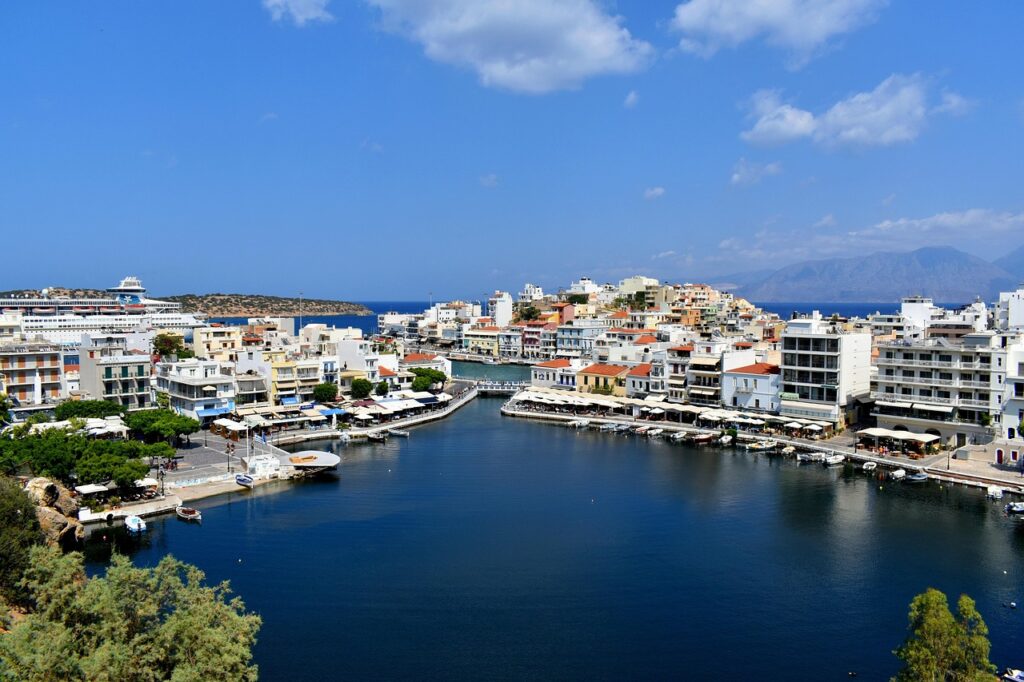






Introduction — Cretan Gorges: Unmissable Panoramic Hikes
Crete, an island of dramatic contrasts carved by the Aegean Sea and rugged mountain ranges, is a hiker’s playground. Among its natural treasures, the island’s gorges offer a wide variety of routes: steep trails, vertiginous cliffs, seasonal streams and authentic mountain villages. This guide gives you a practical, detailed rundown of Crete’s must-see gorges — immersive descriptions, exact start points, prices, opening times and local tips — to help you plan unforgettable panoramic hikes. Whether you’re an occasional walker looking for a spectacular day out or an experienced trekker ready to cover long distances through wild scenery, Crete has a gorge for you.
Walking through Crete’s gorges is far from a simple stroll: it’s a full sensory experience. The crunch of stones underfoot, the scent of sun-scorched thyme, raptors wheeling against ochre cliffs, and the chance encounter with a local shepherd or a wild goat all combine into something unique. Each gorge also comes with practical logistics to be aware of: official trailheads, the best hours to descend or ascend, possible access or transport fees (ferries, buses), technical difficulty and recommended gear (sturdy shoes, poles, water, sun protection).
This guide focuses on several iconic gorges: Samaria, famous for its length and the dramatic « Iron Gate »; Imbros, a shorter yet spectacular and more accessible option; Richtis, where woodland meets waterfall; Kourtaliotiko, known for climbing routes and sea panoramas; and Agia Irini, a wilder alternative to Samaria in the west. For each gorge you’ll find: the start village or address, typical seasonal opening times, listed prices (park entry, ferries or shuttles), a detailed route description, and practical local advice — parking, refuges, best photo spots and how to avoid the busiest periods.
One important note: fees and timetables can change with the season (high season: May to September) and with weather conditions (strong winds, rockfall risk after heavy rain). Before you set off, check local KTEL bus timetables, ask the tourist offices about trail conditions and, if needed, book a transfer or ferry crossing in advance. The aim of this guide is to give you the keys to enjoy each gorge safely and intensely, offering panoramic routes that will leave a lasting impression.
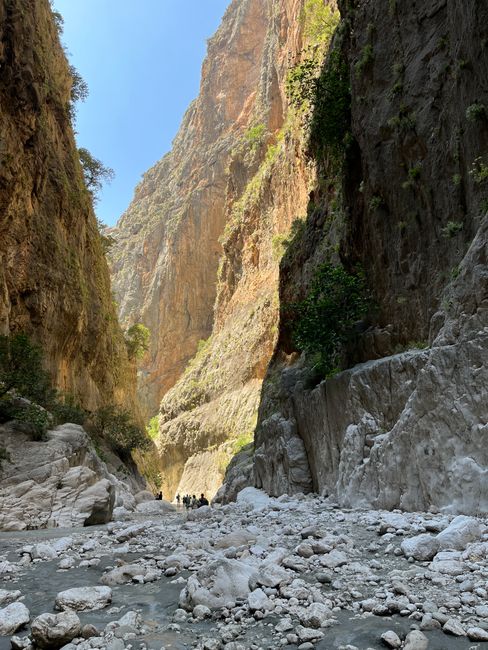
1. Samaria Gorge — Samaria National Park (Omalos to Agia Roumeli)
Start point: Omalos Plateau, 73010 Omalos, Chania Prefecture, Crete, Greece. Typical finish: Agia Roumeli Port, 73011 Agia Roumeli, Chania, Crete. Samaria Gorge is Crete’s most famous gorge and one of the longest in Europe, stretching roughly 16 kilometres from the Omalos plateau down to the sea at Agia Roumeli.
Opening times and season: the gorge is usually open from mid-May through the end of October. National park offices typically accept visitors from about 06:00 to 15:00 for departures from the plateau (checkpoints and offices). It’s best to start between 06:00 and 08:00 to avoid the heat and to reach Agia Roumeli before afternoon port services close.
Costs: entry to Samaria National Park may include a symbolic contribution of around €5 per person (indicative price, paid at the Omalos park office). Ferry trips from Agia Roumeli to Sougia or Hora Sfakion vary by season: expect roughly €8–€15 per person (2024 rates indicative). If you prefer an organized transfer from Chania with bus and boat included, guided day trips usually run between €25 and €50.
Route description: the hike drops from the Omalos plateau along a series of stony slopes into a narrowing canyon with steep walls. After several kilometres the trail funnels into the famous « Iron Gate » — a 3–4 metre-wide stretch flanked by cliffs up to 300 metres high. The ground is often rocky and uneven; you’ll pass shaded sections under pines and broom bushes, then more open, stony plains approaching the sea. The walk ends on the beach at Agia Roumeli, where friendly tavernas serve up food and drinks.
Local tips: wear solid hiking boots with good grip, carry plenty of water (at least 2–3 litres per person), use sun protection, and set off very early. If possible, avoid high-season weekends to beat the crowds. Some villages offer luggage shuttle or taxi services (book ahead). Don’t leave litter: Samaria is a protected national park.
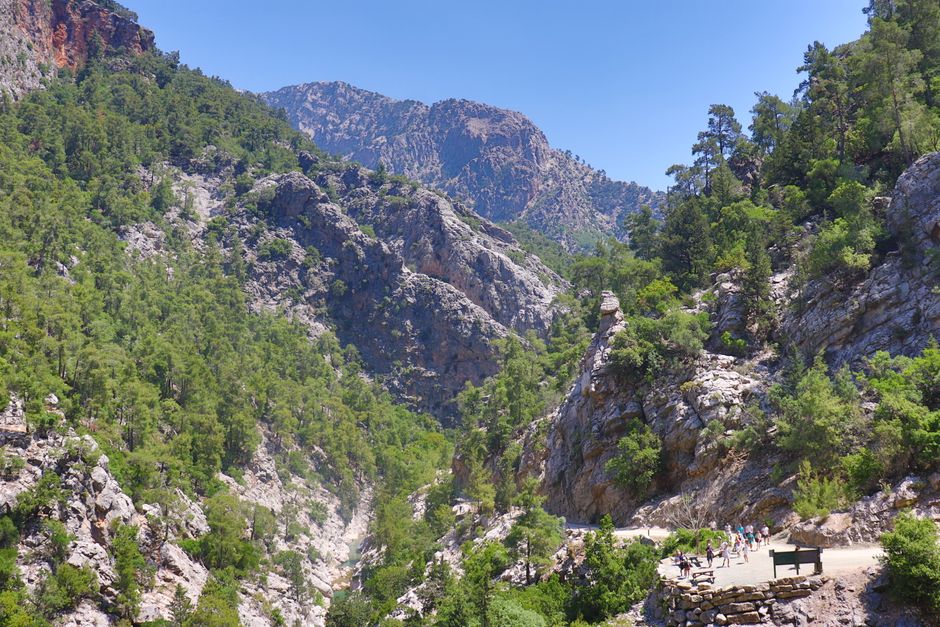
2. Imbros Gorge — Imbros (Imbros Village to Komitades)
Start point: Imbros Village, Imbros 730 10, Sfakia, Chania, Crete. Finish: Komitades village (south), near Hora Sfakion, 730 11. Imbros is a shorter gorge (about 8 kilometres) and is known as an easier alternative to Samaria for families and less experienced hikers.
Opening times and season: the gorge is accessible year-round, though the best period is April to October. It’s advisable to start early, between 07:00 and 09:00. KTEL Chania buses serve Imbros from Chania town; check local timetables, especially in low season.
Costs: entry to Imbros Gorge is free (no official entrance fee). Taxi or minibus transfers from Chania cost roughly €30–€60 depending on distance and passenger count. Guided tours usually range from €20 to €40 per person.
Route description: the path begins in the paved village of Imbros and descends gradually through a canyon with lower walls than Samaria but equally picturesque, featuring smoothed rock faces and a mix of narrow and wider sections. The flora shifts along the way — olive trees, oleanders and aromatic herbs cling to the slopes. Narrow throat sections create striking shadow-and-light patterns, great for photography. The trail finishes near the southern beaches and the road to Hora Sfakion.
Local tips: hiking shoes and poles are recommended, plus water and snacks. Imbros is often suitable for walkers of average fitness, but slippery sections can appear after rain. Carry cash for cafés and taxis in the villages.
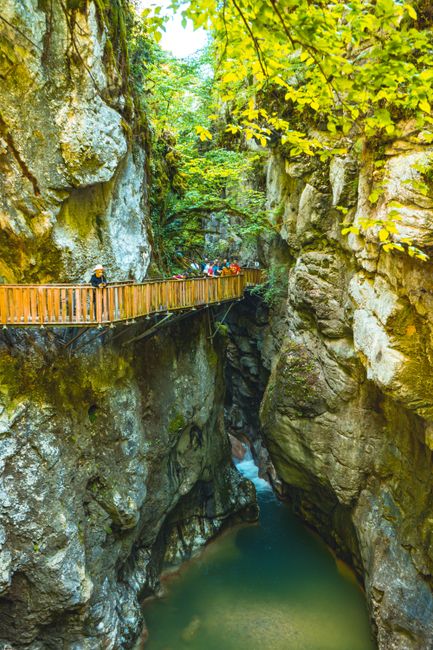
3. Richtis Gorge — Exo Mouliana to Richtis Waterfall
Start point: Exo Mouliana village, 723 00 Sitia, Lasithi, Crete. Finish: Richtis Waterfall, 723 00 Exo Mouliana, Sitia. Richtis Gorge, in eastern Crete near the town of Sitia, is renowned for the combination of woodland and waterfall, and for the pleasant shaded trail that leads to a refreshing cascade.
Opening times and season: the trail is passable year-round; recommended hours are between 08:00 and 16:00. Spring (April–May) and autumn provide the best scenery, with higher water flow. The official parking near Exo Mouliana is usually open from 07:00 to 20:00 in summer.
Costs: access to Richtis Gorge and the waterfall is free. Parking at the trailhead may request a small voluntary contribution (€1–€3), depending on local management. Taxis from Sitia cost roughly €15–€35 depending on distance.
Route description: the Richtis path descends gently from Exo Mouliana through a wooded landscape of plane trees and Cretan maples, with shaded, damp sections. Hikers follow a well-marked trail with small wooden bridges and lookout points. The main waterfall drops into a natural pool that invites swimming when conditions allow — the water is cool and invigorating. The round-trip typically takes 2–3 hours depending on pace and photo stops.
Local tips: wear lightweight but grippy footwear, bring a swimsuit if you plan to swim, and respect the environment: no fires, no littering. The path can get muddy after rain; trekking poles help with balance. Nearby villages have authentic tavernas where you can enjoy traditional Cretan dishes after your walk.
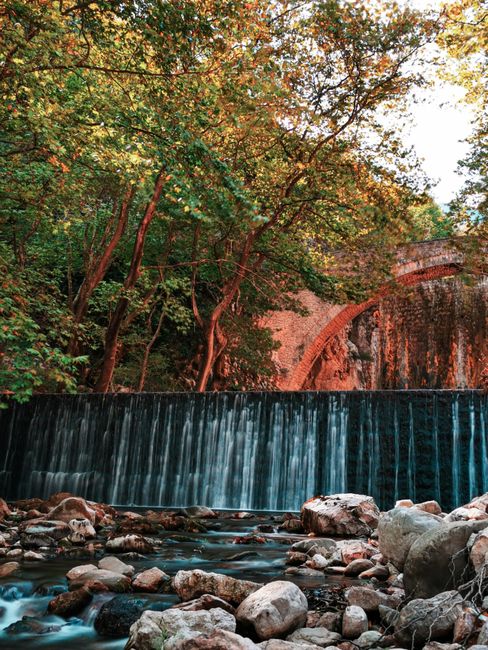
4. Kourtaliotiko Gorge and Agia Irini — Sea Cliffs and Wild Alternatives
Access and locations: Kourtaliotiko Gorge — trailhead near Asomatos village, Anopolis Road, 740 52 Plakias, Rethymno/Heraklion sector depending on approach; Agia Irini Gorge — trailhead at Agia Irini village, 730 11 Sougia, Chania. Kourtaliotiko sits on the south coast near Plakias and Preveli Bay; it’s famous for its dramatic sea views and towering cliffs. Agia Irini, in the west, is a less crowded gorge and provides a wilder alternative to Samaria for a day hike.
Opening times and season: both gorges are generally accessible year-round, though activity peaks from May to October. Kourtaliotiko’s climbing routes and sea-watching activities are often scheduled in the afternoon. For Agia Irini, start early to avoid the heat and to enjoy the shade under the trees.
Costs: access to these gorges is usually free. Optional activities — guided descents, climbing or 4×4 tours — range between €30 and €70 depending on duration and included services. Coastal boat trips (from Plakias or Preveli) cost around €10–€25.
Kourtaliotiko route description: the gorge opens onto cliffs that drop toward the sea, offering breathtaking viewpoints. Trails wind among white limestone formations and Mediterranean scrub, with vistas over secluded bays and pebble beaches. Natural alcoves and cavities create striking echoes — the name « Kourtaliotiko » itself refers to the sound of wind in the rocks (kourtala meaning noise in Cretan dialect).
Agia Irini route description: this gorge provides a shadier route of natural steps, rocky passages and sections where water flows intermittently. The trail often ends in a coastal village with tavernas and accommodation options. Agia Irini is ideal for hikers seeking a moderately challenging trek that’s quieter but equally photogenic.
Local tips: for Kourtaliotiko bring binoculars to watch birds and marine life, and always check weather conditions before going out on the water. For Agia Irini bring a headlamp if you might return late, as some sections are less clearly marked. In both gorges, consult local tourist offices for current trail conditions and for recommendations on professional guides.
Conclusion — Prepare and Enjoy Crete’s Gorges Responsibly
Crete’s gorges offer a wide range of experiences, from long alpine hikes like Samaria to cool waterfall strolls like Richtis, and dramatic coastal canyons such as Kourtaliotiko. Preparation is essential: check KTEL bus timetables, ferry transfers and seasonal village services. Always carry enough water (2–3 litres minimum for long days), closed shoes with good traction, trekking poles if needed, layered clothing for changing mountain temperatures and a basic first-aid kit. Bring some cash for small services (cafés, parking, transfers), since many villages have limited card acceptance.
Respect the environment: gorges are often protected areas that host fragile flora and fauna. Do not pick plants, do not leave any waste, and follow local signs and regulations. If you travel in a group or as part of an organized trip, choose operators that practice sustainable tourism and respect local communities. Tourist offices in Chania, Rethymno and Sitia publish seasonal updates on trail conditions and can recommend reliable local guides (typically €30–€70 for a half-day depending on the service).
Above all, let yourself be carried by the sensory experience: shifting light inside a gorge, the scent of thyme, sea panoramas from cliff tops and the warm hospitality of Cretan tavernas after the effort. Whether you’re chasing dizzying views, waterfall swims or peaceful shaded paths beneath plane trees, Crete’s gorges deliver. Happy hiking and stay safe — Crete rewards those who explore it with respect and curiosity.