





Introduction
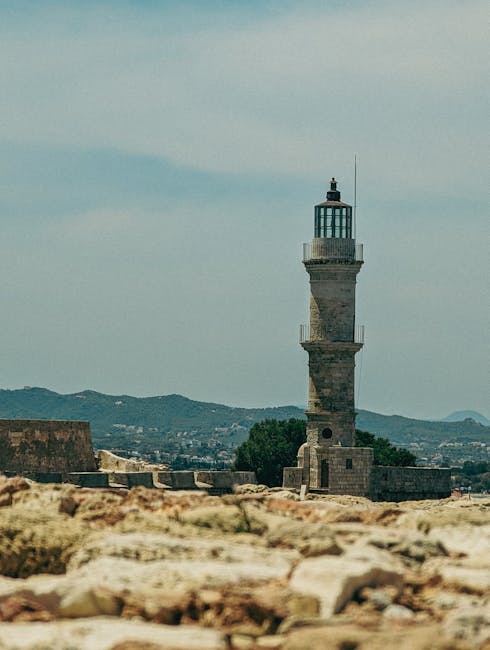
Crete, the largest of the Greek islands, was throughout the 20th century—and still is today—a living laboratory of social, economic and cultural change. After 1900 the island experienced occupations, uprisings, agricultural modernization, a tourism boom, waves of emigration and a revival of tradition. If you want to make sense of those shifts, there’s no better way than stepping into the museums and cultural sites that tell, explain and stage these transformations. Cretan museums are more than showcases of old objects: they actively bear witness to ruptures (Ottoman rule, the Italian period, World War II, the Greek Civil War), economic adaptations (the shift from subsistence farming to export-oriented production), the tourism revolution since the 1960s, and the heritage revival that followed.
This article lays out a ten-stop museum itinerary—ten places selected for their ability to reveal, each in its own way, a layer of Crete’s post-1900 history. Each entry gives the full name of the place, the exact address, admission prices in euros, opening hours, an immersive description that situates the exhibits in context, and practical tips to make the most of your visit (best time to go, access, possible combos with nearby sites). The chosen museums cover modern archaeology, ethnography, natural history applied to agricultural change, the memory of resistance and World War II, rural life, maritime history, and the presence of modern cultural figures such as Nikos Kazantzakis.
Follow this route and you’ll see how Cretans negotiated modernity: preserving ancestral practices, reinventing local economies, appropriating tourism, and more broadly building a visible, exportable Cretan identity. The objects on display—from tractors and olive-tools to photos of emigrant families, propaganda posters to scale models of ports and boats—gain meaning when read against the timeline of change. Cretan museums also bring out emotional angles: victims’ pain, resistants’ pride, a reimagined agricultural landscape’s beauty, the rediscovered taste of a dish, the science behind olive oil—stories that, when combined, draw the Crete of today.
Finally, each entry includes practical recommendations: access maps, single-day combos, tips for avoiding crowds in high season, notes on audioguides, and small local hacks (best nearby coffee, local buses, parking). The visual markers  scattered through the text help you picture scenes and objects described, and will help you plan photos and your route. Enjoy the journey—follow these traces to understand how Crete reinvented itself after 1900, and how its museums turn history into a living experience.
1. Heraklion Archaeological Museum – Modern archaeology and post-1900 discoveries
Name: Heraklion Archaeological Museum
Address: Xanthoudidou 2, 712 02 Heraklion, Crete, Greece
Price: Standard ticket €12 (reduced €6; free entry depends on season and temporary exhibitions)
Opening hours: Open daily except some holidays, typically 08:00–20:00 (extended summer hours; check before you go).
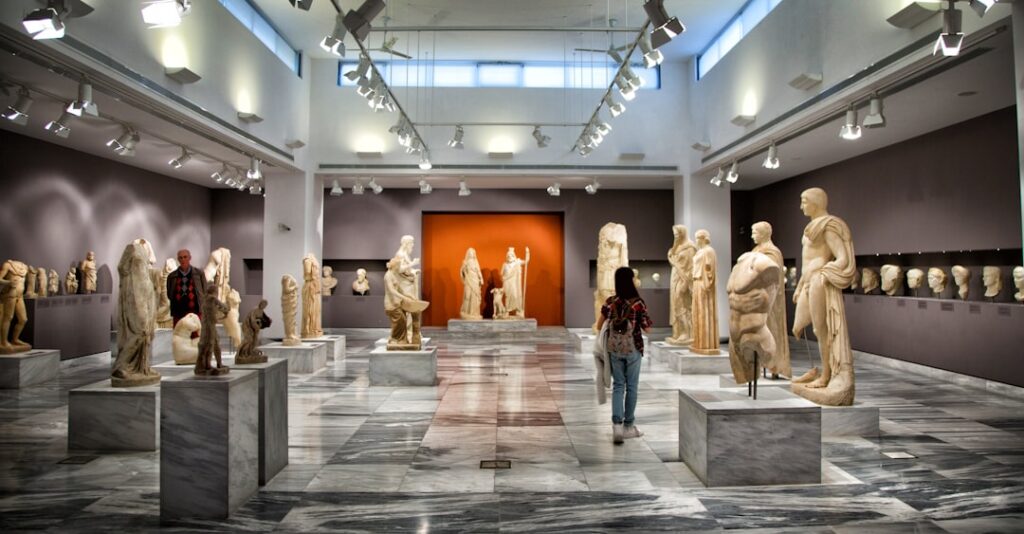
Heraklion Archaeological Museum is often linked to the Minoan civilization, but its modern wing and temporary exhibitions also shed light on the discoveries and museum practices developed after 1900: how the first systematic digs were conducted, how Greek and foreign institutions catalogued the heritage, and how war and modernization changed object conservation. The section dedicated to 20th-century excavations shows field notebooks, black-and-white site photos, and finds uncovered after 1900 that speak to continuous occupation and evolving land use.
On site, look for cases with archival documents: excavation permits, correspondence between European and Greek archaeologists, and photos of artifact transports during World War II. These records make visible the fragility of heritage in a century of conflict, and the restitution and recontextualization efforts launched from the 1950s onward.
Practical tips: come early to avoid cruise-ship groups; book online in summer. The museum is a 10-minute walk from the port and the Heraklion bus station; many nearby cafés serve cold drinks and mezzes to recharge after your visit. Audioguides (English/Greek, sometimes French) are helpful for modern exhibitions with archival material.
 Click here to book your guided tour of the Palace of Knossos
2. Historical Museum of Crete – Stories of resistance and social change
Name: Historical Museum of Crete
Address: 16 Kornarou St., 731 32 Chania, Crete, Greece (located in Chania’s old town)
Price: Admission €8 (reduced €4; special rates for groups and students)
Opening hours: Generally 09:00–17:00, closed Mondays; summer hours may be extended.
Housed in a Venetian building in Chania’s old town, the Historical Museum of Crete traces the island’s modern trajectory, from the late Ottoman period through 20th-century changes. The themed rooms cover daily life, the economy, and above all Cretan resistance during World War II: posters, clothing, small arms and filmed testimonies recall the German occupation and resistance networks. The museum also addresses the post-war period: urban reconstruction, emigration to Australia and America, and agricultural modernization.
The layout juxtaposes domestic objects (utensils, costumes) with political documents (underground leaflets, caricatures), helping visitors see how political choices affected everyday life. One room is entirely devoted to cultural practices reinvented after 1900—balls, modernized religious festivals and new rites of passage—showing how Cretan culture adapted to modernity.
Practical tips: pair this visit with a walk along the Venetian harbor and the municipal market (Agora). The museum is within walking distance of the local bus station; park on the outskirts in summer and walk in to enjoy the architecture. Ask for guided tours in English or Greek for fuller context on the military archives.
Click here to discover Chania’s old town and its street food
3. Nikos Kazantzakis Museum – The literary figure and Cretan modernity
Name: Nikos Kazantzakis Museum
Address: Myrtia, 700 11 Archanes-Asterousia, Heraklion, Crete, Greece (Myrtia village, house-museum dedicated to the writer)
Price: Admission €4 (reduced €2; guided tours may be extra, depending on the program)
Opening hours: Usually 09:00–14:00 and 17:00–20:00 depending on season; closed some winter days—check before you travel.
Nikos Kazantzakis (1883–1957), author of the famous Zorba the Greek, remains central to understanding Cretan cultural modernity. The museum, set in his native village of Myrtia, reconstructs his world: furniture, manuscripts, correspondence, photographs and personal effects, alongside traces of his political and philosophical commitments. Kazantzakis bridges Cretan rural values and European intellectual life: his work speaks to tensions between religious tradition and the drive for individual freedom—key themes for grasping shifting mores after 1900.
The visit is immersive: you can see the writer’s bedroom, his library, and a multimedia room broadcasting interviews and readings. Temporary exhibitions explore Kazantzakis’s international literary influence and his role in shaping a modern, exportable Cretan identity.
Practical tips: combine the visit with a stop in Archanes to taste local wines. The museum is reachable by car from Heraklion (about 20–30 minutes); parking in the village is limited. Check off-season hours and look for summer lectures or public readings often held on site.
Click here to sample Cretan wines with a gourmet lunch
4. Lychnostatis Open Air Museum – Rural life and reinvented traditions
Name: Lychnostatis Open Air Museum (Lychnostatis Folk Museum)
Address: Koutouloufari 70014, Hersonissos, Municipality of Anogeia, Heraklion, Crete, Greece (Hersonissos area)
Price: Admission €6 (reduced €3; family rates around €12 depending on season)
Opening hours: Generally 09:00–15:00 (longer summer hours, closed some winter days).
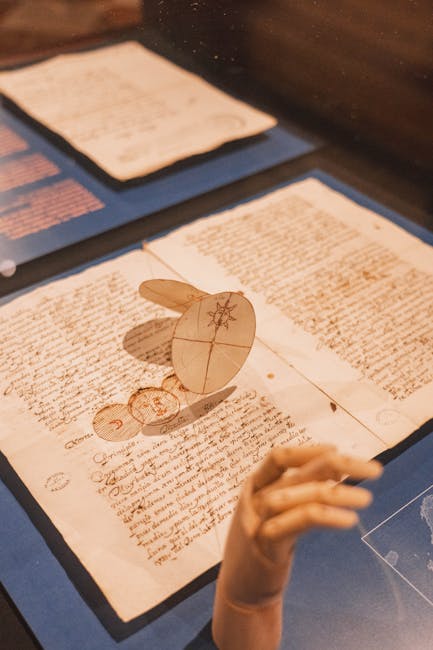
Lychnostatis is an open-air museum showcasing reconstructed traditional buildings, craft workshops (olive presses, smithies, bread ovens), and live demonstrations of skills. Designed to make tangible the rural practices of the early to mid-20th century, the site shows how agricultural crises and technological innovations changed peasant labor. You’ll see old tools alongside modernized equipment (tractors, mechanical presses), illustrating the gradual shift toward more intensive production systems from the 1950s–60s onward.
Hands-on demonstrations—weaving, oil pressing, bread-making and traditional fishing—offer a sensory learning experience: smell the fires, touch the fibers, taste products prepared on site. Guides, often in traditional costume, share family anecdotes linking economic history to individual life stories: emigration, income diversification and the rise of rural tourism.
Practical tips: aim for a morning visit to catch the demonstrations. The site is a hit with families and excellent for close-up photography. Wear sturdy shoes for the paths and bring cash for local crafts (cards, pottery, olive oil). On-site parking is available.
Click here to book a buggy safari in Hersonissos
5. Museum of Olive Oil – Olive’s central role in Cretan change
Name: Museum of Olive Oil, Chania (Museum of Olive Oil)
Address: Gouvernetou 8, 731 33 Chania, Crete, Greece (near Souda/Kolymvari port depending on branch)
Price: Admission €5–7 (tastings sometimes included; prices vary by workshop)
Opening hours: 09:00–17:00 with fixed workshop times; closed on some holidays.
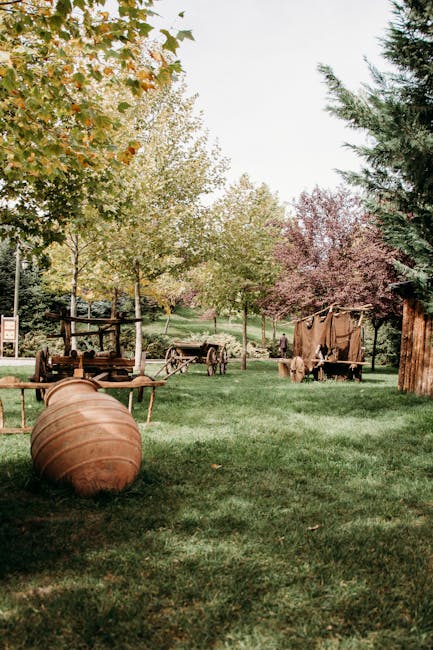
The olive tree sits at the heart of Crete’s economic shift after 1900: industrialization of processes, protected designations (PDO), exports and gastronomic tourism. The Museum of Olive Oil explains the full production chain: cultivation, harvest, traditional and mechanized pressing, storage and marketing. Technical exhibits sit alongside tasting rooms where visitors learn to evaluate oil (bitterness, pepperiness, aromas)—a skill vital to understanding how Crete turned a local crop into a global product.
You’ll see stone presses, animal-driven millstones, early 20th-century oil expellers and modern filtration systems. The museum highlights 20th-century agricultural policy: cooperatives, rural credit and varietal improvement campaigns after 1950. Multilingual panels make the content accessible to international visitors.
Practical tips: book a tasting workshop that pairs oil with local cheese and bread. Dress light in summer—some rooms are minimally air-conditioned. Combine the visit with a trip to an olive grove or to Kolymvari to see millennial trees (for example the Vouves olive tree).
Click here to join an olive oil and wine tasting
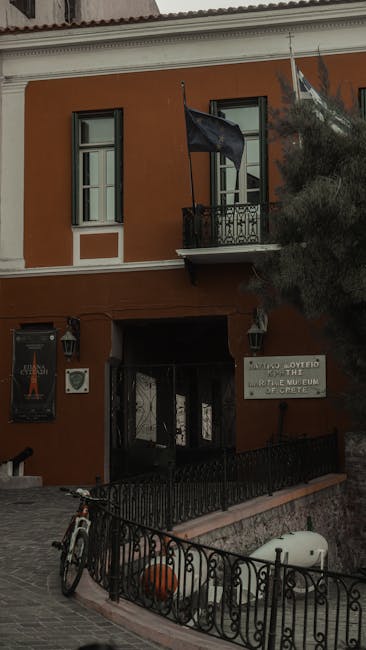
6. Maritime Museum of Crete – Ports, fleets and migration memory
Name: Maritime Museum of Crete
Address: Theotokopoulou 9, 731 32 Chania, Crete, Greece (located on Chania’s Venetian harbor)
Price: Admission €6 (reduced €3; combo tickets may be available with other local museums)
Opening hours: 09:00–17:00, extended in summer; closed some holidays.
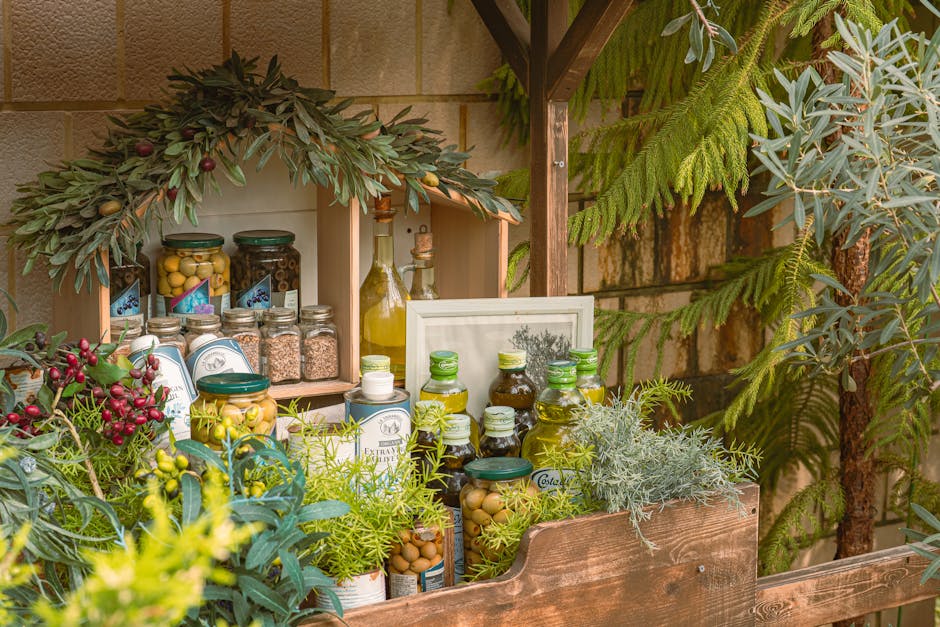
The Maritime Museum of Crete traces the island’s long relationship with the sea, with a focus on changes since 1900: modernization of fishing fleets, port construction, transnational migration and Crete’s strategic role in 20th-century conflicts. Ship models, recent nautical charts, logbooks and filmed testimonies from sailors and emigrants show how the sea shaped economic trajectories (commercial fishing, maritime transport) and human paths (Cretan diasporas).
The contemporary section tackles the growth of nautical tourism: yachts, ferries and marina development since the 1970s. It also questions the ecological and social impacts of intensive maritime tourism—an issue central to island communities today.
Practical tips: pair the museum with a stroll around the Venetian harbor and a taverna meal by the water. Off-season, check opening times—some spaces may be available by appointment. Combine this visit with the local aquarium or boat trips to nearby islets.
Click here to book a boat trip to Lazaretta
7. Arkadi Museum of Resistance and War – Collective memory at Arkadi Monastery
Name: Arkadi Monastery and Arkadi Museum
Address: Arkadi, Rethymno 740 59, Crete, Greece (Arkadi Monastery, Rethymno district)
Price: Combined entry €6–8 (including access to the monastery and museum depending on season)
Opening hours: Usually 08:00–18:00 in summer, reduced winter hours.
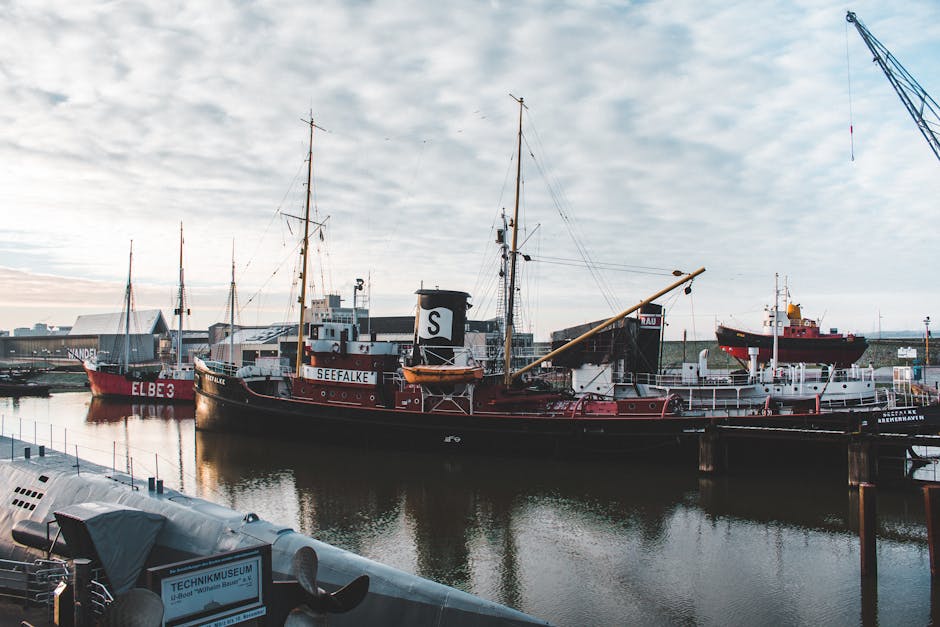
The Arkadi Monastery is a cornerstone of modern Cretan memory: a symbol of resistance against Ottoman rule in the 19th century and a rallying point during 20th-century conflicts. The attached museum documents the continuity of Cretan engagement: archives, portraits, objects donated by resistants’ families, and a reflection on how the iconography of sacrifice was used in building a national narrative after 1900.
Key items include letters, restored icons and military artifacts that reveal the materiality of conflict. The site is also a destination for school visits and public commemorations; the display shows how collective memory is transmitted and politicized over time.
Practical tips: access is by car (roughly 20–30 minutes from Rethymno). Wear comfortable shoes for the grounds and visit early to avoid summer heat and tour buses. Panels are in English and Greek; hire a local guide for deeper context on the site’s symbolism.
Click here to book a private full-day tour
8. Natural History Museum of Crete – Ecological and agricultural change
Name: Natural History Museum of Crete
Address: Voutes, Gouves, 700 14 Municipality of Hersonissos, Heraklion, Crete, Greece (main site in Gouves near Hersonissos)
Price: Admission €7 (reduced rates for families and school groups available)
Opening hours: 09:00–17:00 (hours vary with season), closed some winter days.
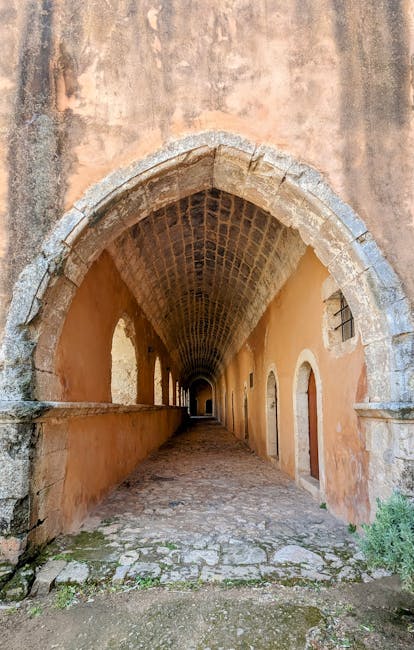
This museum examines environmental and agricultural transformations in Crete since 1900: water pressure, the introduction of commercial crops, soil erosion, and also conservation and contemporary agroecology initiatives. It combines natural-history displays (endemic fauna and flora), interactive installations (water cycles, watershed management), and local case studies on irrigation and modernization of fruit and vegetable production.
Panels emphasize the consequences of urbanization and mass tourism on coastal and mountain ecosystems. A learning space runs workshops on sustainable olive-grove management and protection of endemic species—an essential angle for understanding how Crete today tries to reconcile development with preservation.
Practical tips: ideal for families and travelers interested in agritourism. Check the workshop schedule (often afternoons). The museum is reachable by bus from Heraklion, but a car is recommended if you plan to visit nearby olive groves or educational farms.
Click here to join a day trip that includes a cooking class
9. Eleftherna Archaeological Site and Museum – 20th-century archaeology and site valorization
Name: Archaeological Site and Museum of Eleftherna
Address: Margarites/Eleftherna archaeological area, 740 55, Municipality of Amari / Rethymno, Crete, Greece (archaeological site near Margarites)
Price: Combined site + museum entry €8–10 (reduced rates by season and category)
Opening hours: 08:30–15:30 in low season, longer hours in summer; check exact times.
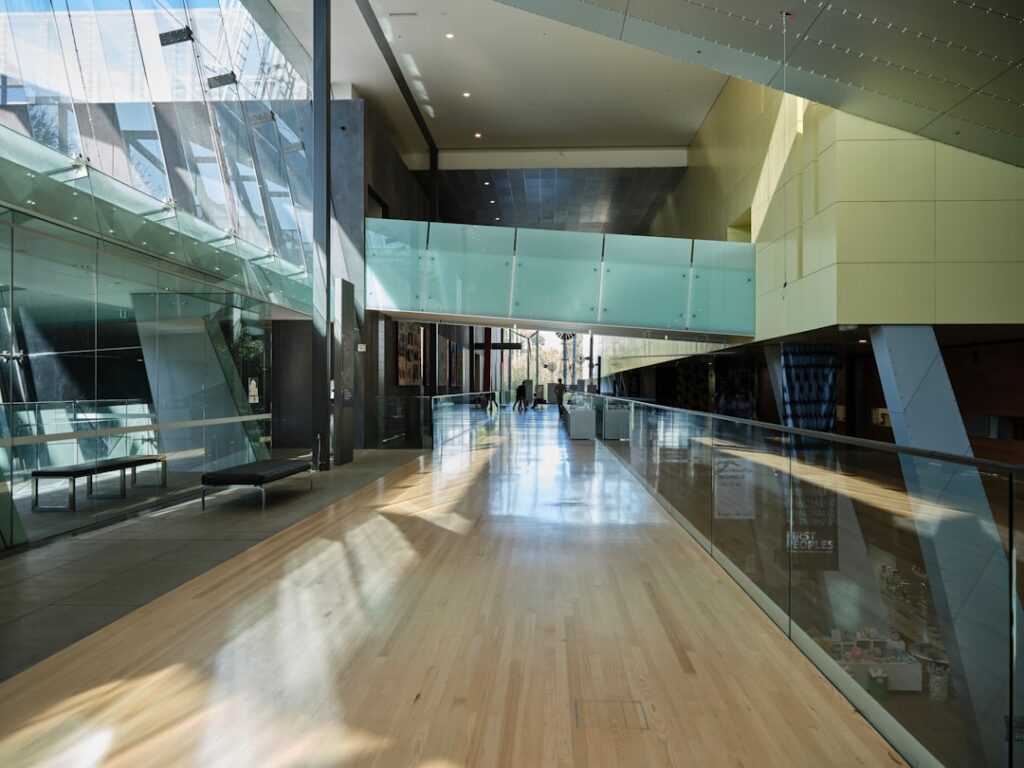
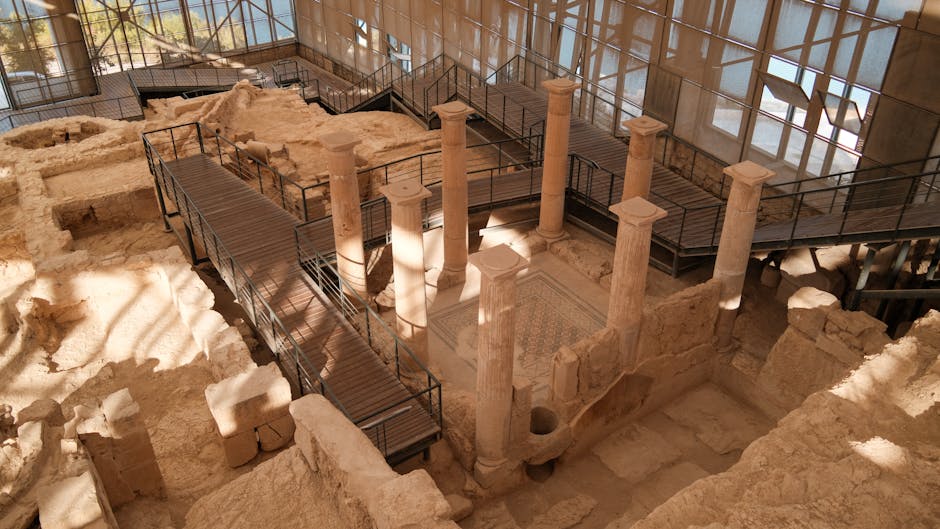
The Eleftherna site and its local museum document ancient occupations but mainly illustrate archaeological methods developed during the 20th century: stratigraphic excavation, in-situ conservation, and heritage valorization policies for cultural tourism. Excavations begun in the 1980s show the evolution of scientific practice—from amateur digs to coordinated international fieldwork—and efforts to link research to the local economy (site museum, footpaths, didactic panels).
Display cases show recent discoveries tied to studies of settlement change and economic networks—how rural villages adapted to new crops and modern livestock practices. The museum also features projections and educational dossiers on managing heritage in the era of mass tourism.
Practical tips: pair this visit with Margarites (pottery workshops) and the Amari village route. The site is best visited in the morning for ideal lighting over the excavations; bring water and a hat in summer. Seasonal shuttles from Rethymno may be available for groups.
Click here to book a 4×4 tour with a pottery lesson
10. Rethymno Ethnography and Folklore Museum – Preserving social practices
Name: Museum of Cretan Ethnology / Rethymno Folk Museum
Address: 10 N. Kazantzaki St., 741 00 Rethymno, Crete, Greece (in Rethymno’s old town)
Price: Admission €5 (reduced €2.5; guided tours possible)
Opening hours: 09:00–16:00 (hours vary with season).
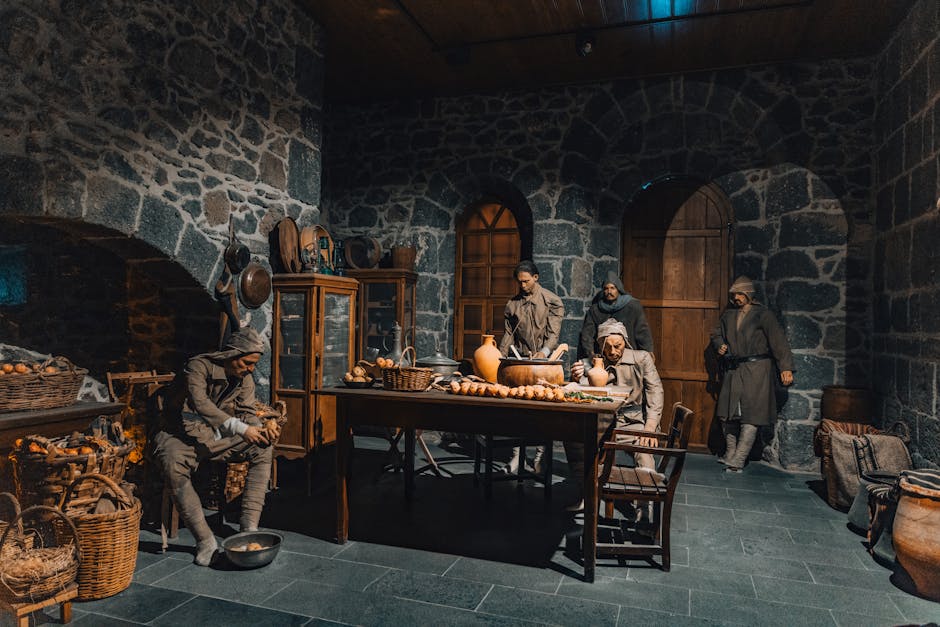
This museum is dedicated to the social practices and everyday objects that shaped Cretan life throughout the 20th century: costumes, farming implements, toys, furniture and family photographs. Its ethnographic approach focuses on intergenerational transmission of skills and internal adaptations: how the same festival changed, how gender roles were renegotiated during industrialization and urbanization, and how housing modernization transformed domestic spaces.
Visitors move through reconstructed rooms (kitchen, bedroom, workshop), personal biographies and collections donated by local families. Temporary exhibitions address focused themes—seasonal migration, female cooperation in agriculture, modernized popular music—and often include concerts or cooking workshops that turn these knowledges into sensory experiences.
Practical tips: perfect for deepening your understanding of the human side of Cretan change. Combine with a walk through the old town and a stop at Rethymno’s fortress. Culinary and musical workshops are often advertised locally—check with the museum for schedules and registration.
Click here to take a Cretan cooking class with Chrysoula
Conclusion
Visiting Crete after 1900 through these ten museum sites means reading history not as isolated events but as a weave of material and immaterial narratives. Each selected museum offers a different entry point: modern archaeological practice and scientific methods (Eleftherna, Heraklion Archaeological Museum), resistance and civil memory (Historical Museum of Chania, Arkadi), economy and craftsmanship (Olive Museum, Lychnostatis), culture and literary figures (Nikos Kazantzakis Museum), and ecology and agricultural change (Natural History Museum of Crete). Together, they provide a rounded picture of the forces that shaped contemporary Crete—migration, war, rural modernization, the rise of tourism, and efforts to conserve and promote heritage.
From a practical perspective, these museums give you the keys to plan a trip: favor morning visits to avoid heat and summer crowds; group nearby sites (for instance in Chania: the Historical Museum, Maritime Museum and Olive Museum); book thematic workshops and tastings in advance; and stay flexible to add field visits (olive groves, archaeological trenches, pottery villages). History buffs will gain a lot by cross-referencing archival documents across institutions: archaeologists’ correspondence, resistants’ photographs, and farmers’ notebooks each tell, in their own register, the same transformation story.
Ultimately the spirit of this museum route is twofold: to understand the changes, and to feel life. Cretan museums are not static boxes; they breathe with their communities: temporary exhibits, participatory workshops, commemorations and festivals. They show how memory and economy are entwined, and how simple objects (an oil press, a stove, a field notebook) become witnesses of an era. Immersing yourself in these museums will leave you with a more nuanced picture of modern Crete—a place where tradition and innovation coexist and keep reinventing each other.