





INTRODUCTION — Crete’s Independent Winemakers Who Make the Island Sing
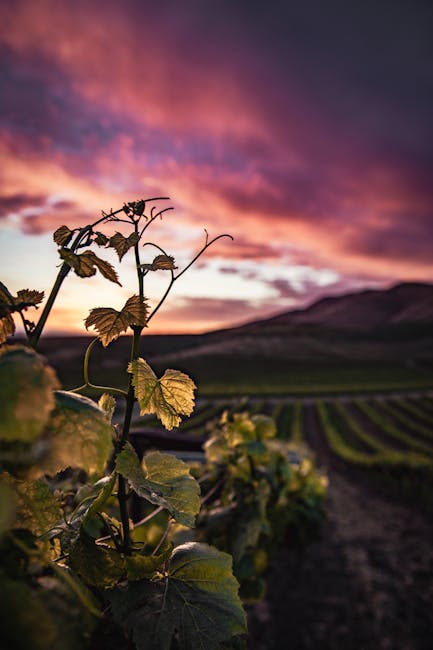
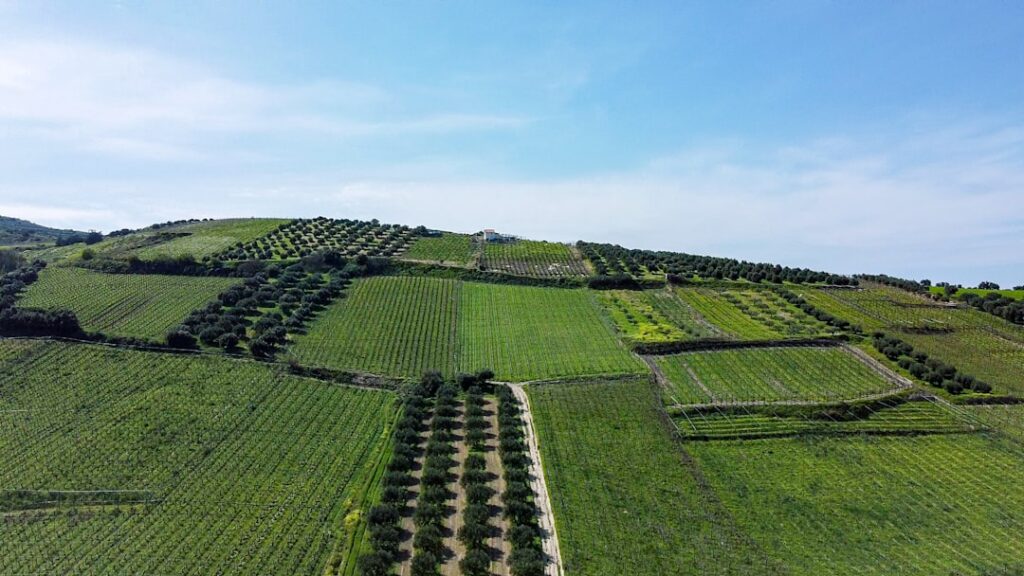
Crete is more than golden beaches, rugged mountains and Byzantine monasteries: it’s an ancient wine region where vines are woven into the island’s history, food and rural life. Independent Cretan winemakers — often heirs to local know-how or small-scale innovators blending tradition and modernity — have brought forgotten native varieties like vidiano, koutsi, liatiko and thrapsathiri back into the spotlight. Driving the winding roads between Heraklion, Rethymno and Chania, you’ll find family-run wineries, artisanal presses and cave cellars that tell the island’s story, glass after glass.
This article takes you into the heart of those micro-estates: portraits of winemakers, unique terroirs, practical addresses, visiting times, tasting prices and tips to plan your own Cretan wine route. You’ll read immersive descriptions of the estates, explanations about limestone and schist soils, and practical recommendations — how to get there, the best season to visit, and what to buy to bring home rare bottles. The stories differ: some estates were born out of a return to the roots after years working elsewhere, others are the product of passion passed down through generations. They all share a key trait: independence. These winemakers often produce limited volumes, sell directly from the property and favor respectful practices, sometimes organic or biodynamic.
You’ll also find concrete details: full addresses of the estates, cellar opening hours, indicative tasting and bottle prices, and how to book a guided visit or a harvest workshop. Whether you’re an amateur oenophile, a curious traveler or simply in love with Crete, this article is designed as an on-the-ground guide: it will help you plan an immersive day at a family estate, choose a guided tasting or even buy a special cuvée as a souvenir. We’ve peppered the text with evocative images to help you picture each place before you go.
One practical note before you set off: opening hours and prices often change with the season. Many small estates close certain days of the week and schedule visits by appointment. It’s therefore recommended to call or email before you travel. Finally, remember that the best times to visit a Cretan winemaker are late spring — flowering and fresh earth — and autumn during the harvest, when the smell of freshly pressed grapes fills the cellar.
 Click here to discover Cretan wines and specialties in a day
The Terroirs and Grape Varieties That Give Crete Its Wine Soul
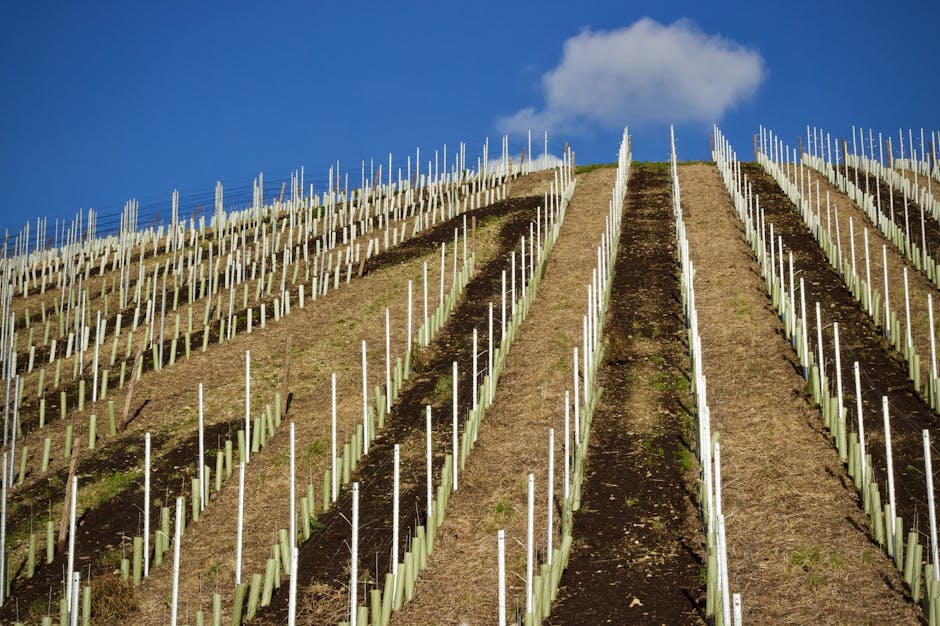
Crete’s geography is surprisingly diverse: limestone mountains that drop to the sea, fertile alluvial plains and mid-altitude zones where cool nights temper the Mediterranean climate. These differences translate into a wide variety of micro-terroirs. Soils on the Lassithi plateau, for example, mix clay and limestone, promoting freshness and acidity in whites like vidiano. By contrast, windy slopes around Dafnes (near Heraklion) produce structured, aromatic reds based on liatiko.
Among the island’s native varieties, a few names keep popping up among independent winemakers:
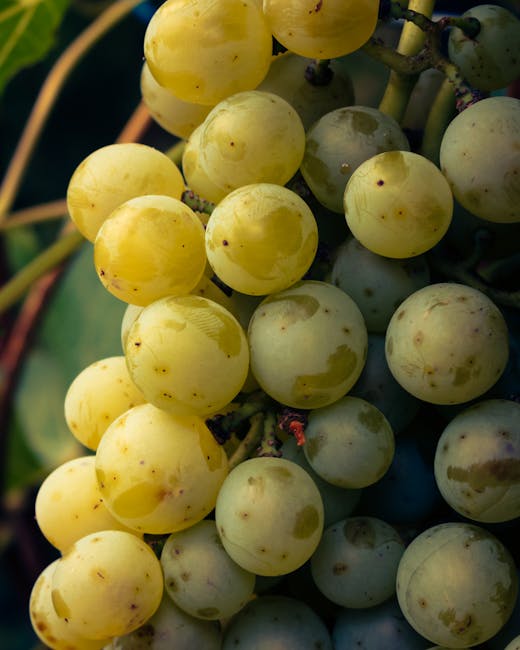
- Vidiano: a local white that can yield wines both floral and mineral, often showing great length and balanced acidity.
- Liatiko: a traditional red that gives aromatic, spicy wines, sometimes aging gracefully — perfect with Cretan cuisine.
- Thrapsathiri: a white often offering apple and citrus notes, ideal for both ageable wines and lighter, fresher cuvées.
- Koutsi (Kotsifali): a red variety frequently blended to add body and color.
Independent winemakers often play with blends of these native grapes to produce wines that speak of place. They adopt extensive cultural practices: hand-harvesting, indigenous yeasts for fermentation, and controlled aging (local oak barrels or stainless steel tanks depending on the target). Water is precious here: irrigation is limited in many plots, which concentrates aromas and lowers yields — one reason production is often small and bottles sought-after.
Finally, the influence of the sea is significant: estates located less than 10 km from the coast benefit from saline breezes that shape the aromatic expression of the fruit, bringing a distinct freshness to whites and a subtle salinity to reds. Winemakers often highlight this when they explain each parcel’s origin during tastings, pointing out the sea visible from the winery terrace.
Click here to explore the Lassithi plateau and Zeus’s cave
Portraits of Independent Winemakers: Encounters and Practical Info
Meeting an independent winemaker in Crete often means stepping into a world where time is measured by the vine’s cycle. Here are four representative profiles chosen for the diversity of approaches and the quality of hospitality. Each winery is presented with address, indicative hours and tasting/visit prices. Note: booking ahead is advised, especially in high season.
Douloufakis Winery — Family estate in Ano Meronas
Address: Douloufakis Winery, Metochori Road 12, Ano Meronas, Mylopotamos, Rethymno 74057. Hours: open Tuesday to Sunday, 10:00–17:00 (closed Monday). Price: standard tasting €10 per person (3 wines), guided tour + tasting €25 (reservation required). Description: Douloufakis blends contemporary architecture with respect for local heritage. The visit starts with a walk through terraced vineyards and continues in a vaulted cellar where they’ll explain natural fermentation management and amphora vinification. The whites show a fine mineral expression; the reds reveal a Mediterranean, spicy and generous character. Practical tips: wear closed shoes for the vineyard walk and allow about an hour and a half for the tour and tasting.
Glinavos Estate — The Liatiko specialist
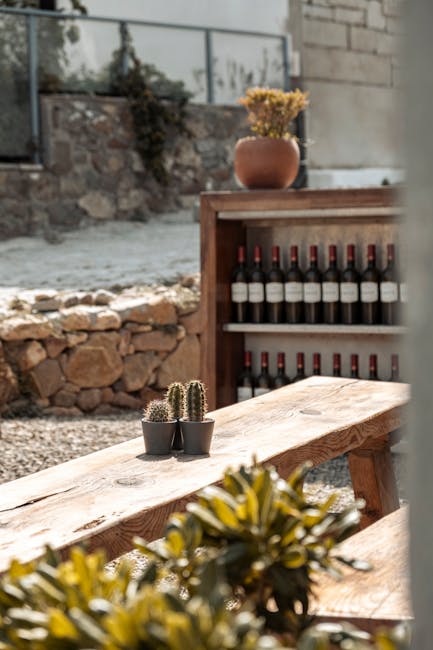
Address: Glinavos Estate, Village Square, Dafnes, Heraklion 71100. Hours: open Monday to Saturday 09:00–16:00, tastings by appointment in the afternoon and evenings during events. Price: discovery tasting €12 (4 wines), food-and-wine pairing workshop €35 (includes local mezzé). Description: located in the heart of Dafnes terroir, Glinavos focuses on liatiko and koutsi blends to reveal structure and fruit. Facilities are modest but welcoming: a stone cellar, a shaded terrace and a small shop selling honey and olive oil produced on the farm. Practical tips: try the wines with local mezzés (graviera cheese, dakos) to understand the terroir-cuisine balance. The estate sometimes hosts musical evenings in summer — check by phone before you go.
Ktima Lyrarakis — Tradition, modernized
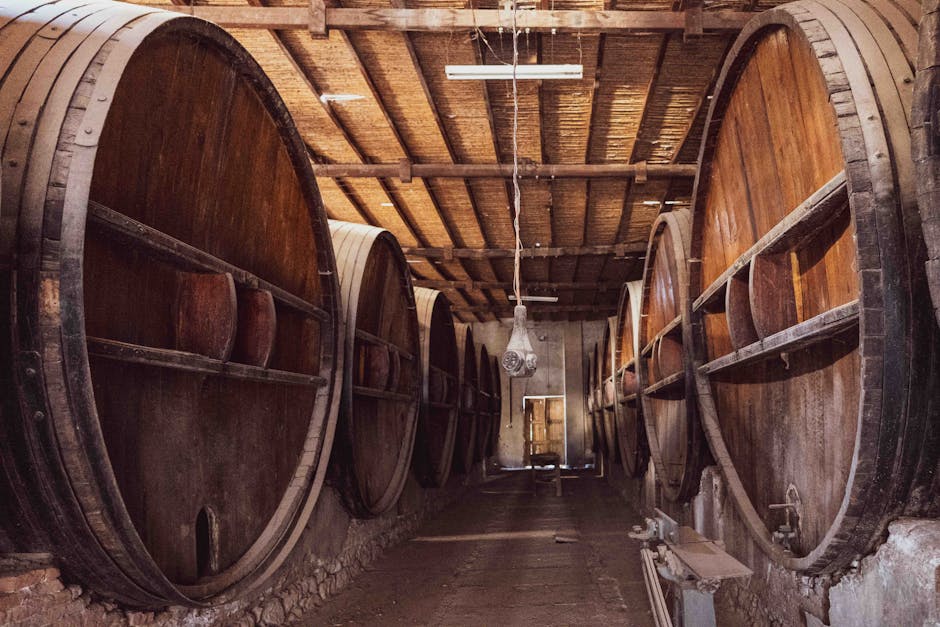
Address: Ktima Lyrarakis, Episkopi Street 45, Ano Viannos, Heraklion 70012. Hours: tasting room and shop open Tuesday to Sunday 10:00–18:00. Price: vertical tasting €20 (5 wines), full visit €30 (includes a small snack). Description: Lyrarakis is known for its work with local varieties and the search for pure expression. The visit focuses on the diversity of parcels and the impact of soils. Expect clear technical explanations and a very educational welcome. Practical tips: for enthusiasts, ask for the vertical vidiano tasting across three vintages — an excellent way to appreciate the grape’s aging potential.
Visits, Tastings and Practical Tips — More Addresses and Prices
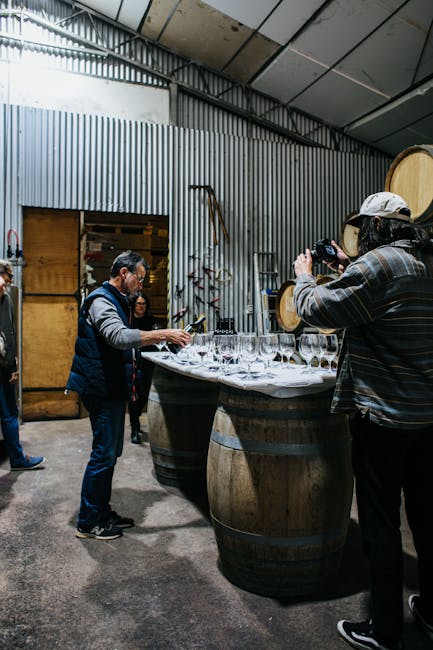
Beyond the estates mentioned above, Crete is full of other small wineries worth a detour. Here are a few additional places, with opening times and indicative prices to help expand your itinerary.
- Kourtaki & Co. Estate — Chania
Address: Kourtaki Estate, Halidon 10, 73100 Chania. Hours: 10:00–15:00, closed Sunday. Price: tasting €8 (3 wines). Description: a small winery on the outskirts of Chania, easy to visit during a day exploring the old town. - Karagiannis Vineyard — Agios Nikolaos
Address: Karagiannis Winery, Voulisma Road 3, Agios Nikolaos 72100. Hours: visits by appointment. Price: on request (generally €15–30 depending on format). Description: focused on fresh whites and organic production, with a small shop offering limited releases. - Mantzavinos Estate — Rethymnon
Address: Mantzavinos Winery, Old National Road, Gouves 74053. Hours: open 09:30–17:30, closed Monday. Price: classic tasting €10.
Practical tips for organizing your visits:
- Always book your tasting: many small cellars don’t accept visitors without an appointment, especially in low season.
- Prefer having a car: the estates are spread out and public transport is limited. Renting a car or hiring a local driver is often the best option.
- Bring cash: some small shops are not set up to take cards for small purchases.
- Respect the tasting space: arrive on time, respect portions served and ask questions — winemakers love to share their knowledge.
Click here to book a wine and olive oil tasting
Local Tips for a Successful Wine Route in Crete
To make the most of a wine immersion in Crete, follow a few commonsense rules and local tips:
- Best time: late spring (May–June) and autumn (September–October) offer ideal conditions — pleasant temperatures and photogenic landscapes. In August many estates reduce their opening hours for holidays.
- Timing your visits: start the day with a morning cellar visit (10:00–12:30). Afternoon tastings often come with mezzés and can last longer.
- Transport and safety: if you’re tasting, don’t drive. Hire a local guide or private transfer (expect around €50–100 for a half-day depending on distance). Many winemakers can recommend trusted local drivers.
- Buying and transporting bottles: bring bottle protectors (sleeves or padded clothing) and check cabin alcohol limits if flying. Estates often ship internationally — ask about shipping costs on site.
- Food pairings: Cretan cuisine highlights grilled vegetables, olive oil, graviera cheese, fish and lamb stews. Crisp whites (vidiano, thrapsathiri) pair beautifully with seafood and salads, while reds (liatiko, koutsi) complement slow-cooked dishes and aged cheeses.
Finally, be curious and respectful: Crete’s richness lies as much in its landscapes as in its people. Don’t hesitate to talk with winemakers about their methods, take notes on cuvées and come back a few days later for a second visit if a wine really captivated you. Independent winemakers value loyalty and often share rare bottles with regular visitors.
Click here to book a private full-day tour
CONCLUSION — Why Choose Crete’s Independent Winemakers?
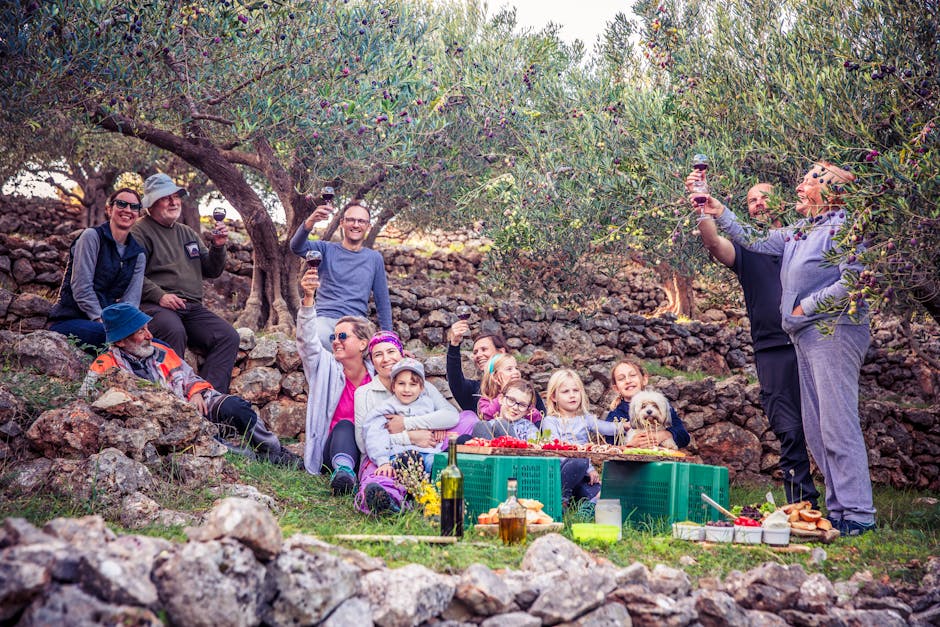
Choosing independent winemakers to discover wine in Crete means choosing authenticity. These estates produce cuvées often impossible to find elsewhere, leveraging native varieties and artisanal practices that reflect the island’s history and terroir. Visiting Douloufakis, Glinavos, Lyrarakis or other small cellars means buying more than a bottle: you’re buying a story, the legacy of a family and a place. Each tasting becomes a sensory tale — from limestone soils to hints of wild herbs and the marine salinity that lifts the acidity.
On a practical level, the Cretan wine route takes a little organization: reservations, transport and adjusted schedules — but these efforts are soon rewarded by the quality of the encounters and the discovery of unique wines. Plan visits outside summer closures, book in advance, and budget for tastings (usually between €8 and €30 depending on format) and any special bottles you might want. Don’t forget to include gastronomic breaks to test local pairings — a Cretan mezzé with a local white is a memorable treat.
Finally, transporting and returning with bottles requires some care: pack them properly, ask about shipping if buying in volume, and check airline alcohol rules. Beyond logistics, the most precious part of the experience is the encounter: listening to a winemaker tell the estate’s genealogy, feeling the air from a terrace at sunset above the vineyards and tasting a wine produced in extremely limited quantities. It’s this intimacy and authenticity that make Crete resonate — not just as a travel destination, but as a living, creative region where wine is a local language.