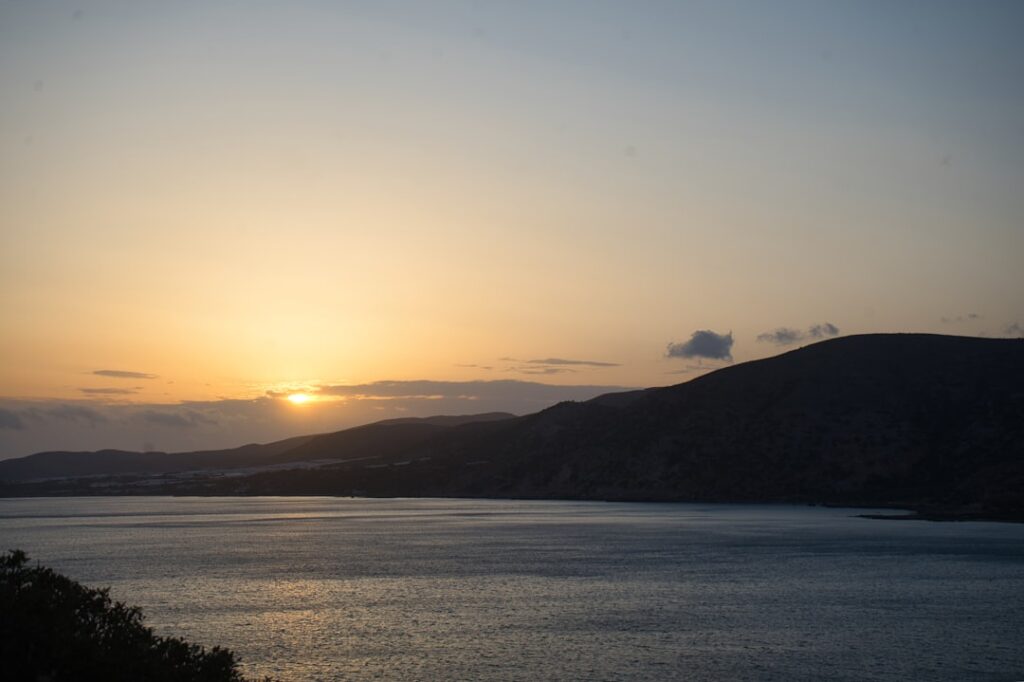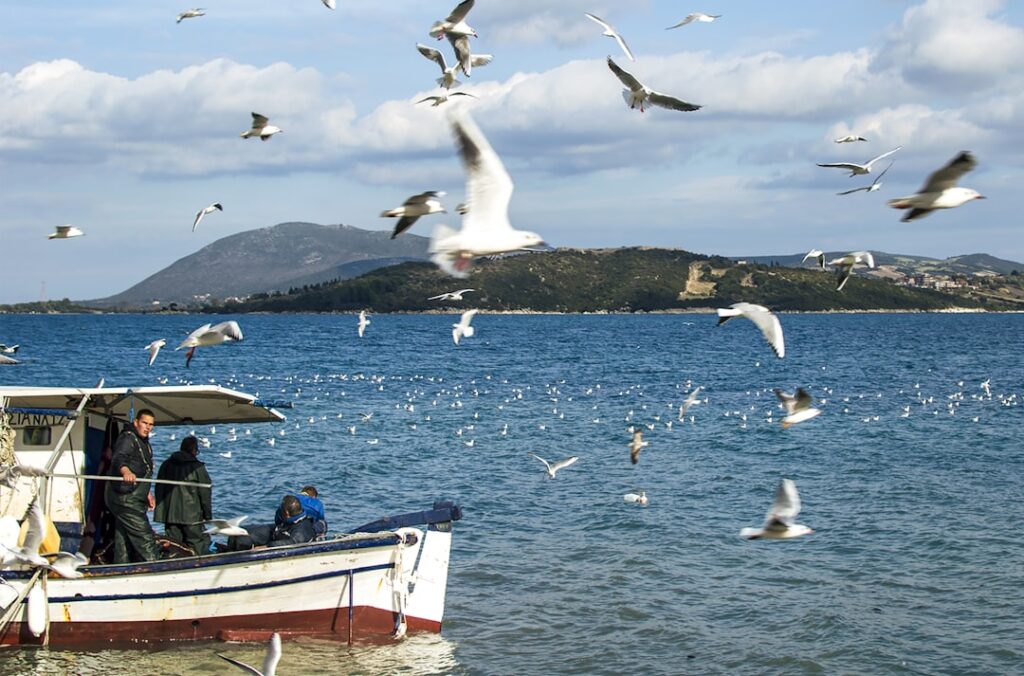






Introduction — Migratory birds: why Crete is a birdwatcher’s paradise
Crete, Greece’s southernmost island and a crossroads between Europe, Africa and Asia, attracts millions of migratory birds every year. Sitting on major migration routes, it offers a patchwork of habitats — saline lagoons, freshwater deltas, sculpted coastal cliffs, high plateaus and deep gorges — that serve as stopovers, feeding grounds and sometimes wintering sites. For the patient watcher, the species range is impressive: waterbirds (ducks, spoonbills, herons), raptors in transit (falcons, ospreys, eagles), as well as scarce passerines and shorebirds that pepper the wetlands.
Beyond the biological richness, Crete’s varied topography creates thermal corridors and concentration points where birds gather before crossing open sea. That means the same spot can offer very different spectacles depending on season and wind: in autumn waves of raptors descend from the mountains toward the sea; in spring flocks of passerines head north to breed. Birders and photographers will find unique chances to spot species that are rare in Western Europe, such as Southern Shrike, European Roller, Black-tailed Godwit, Eurasian Spoonbill and sizable flocks of Greater Flamingos on some coastal waters.
This guide focuses on must-see birding hotspots in Crete — sites with addresses, opening hours, approximate prices and practical tips to boost your chances of sightings. Whether you’re planning a weekend from Heraklion or touring the island for weeks, these locations were chosen for habitat variety, consistent records and decent facilities (parking, trails, viewing hides). You’ll also find recommendations on gear, best times of day, precautions for wildlife and local communities, plus options for professional guides and tours.
Before heading out, keep a few simple rules in mind: respect protected areas and signage, avoid disturbing birds by getting too close (especially during nesting), and use binoculars or a long lens for photography. Crete is not only a great birding destination but also a place where ecotourism can support local conservation. Watching responsibly helps preserve these millennia-old migratory routes. Now let’s explore the hotspots, starting with the large wetlands and lagoons that feed so many species through the seasons.
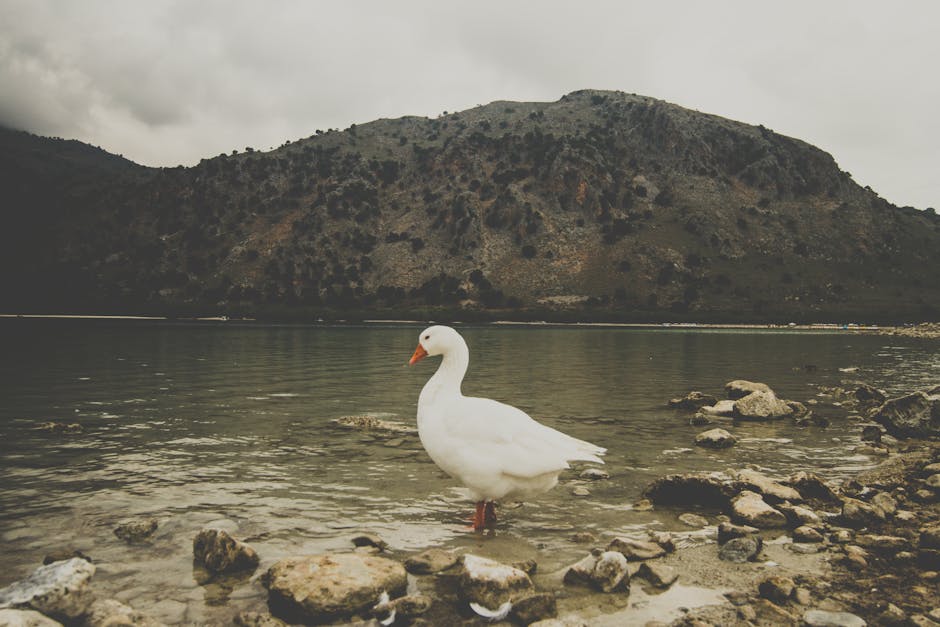
Wetlands and lagoons: Lake Kournas, Almyros River delta and Falassarna
Crete’s wetlands are among the most productive places to watch migratory birds. They combine freshwater and brackish habitats, attracting herons, waders, ducks and shorebirds. Three sites stand out: Lake Kournas, the Almyros River delta near Hersonissos and the Falassarna beach/lagoon on the west coast.
Lake Kournas (Kournas Lake) — Address: Kournas, Georgioupoli 730 07, Chania Prefecture, Crete. This freshwater lake is the island’s only natural lake. Accessible by car (parking nearby), it’s open to walkers around the clock; commercial facilities (cafés, pedal-boat rentals) have varying hours, usually 09:00–20:00 in high season. Cost: lake access is free, pedal boat hire about €6–12/hour. Description: the lake, fringed with tamarisk and shrubs, is a stopover for mallards, teals, grebes and occasionally rarer species like Cetti’s Warbler in the reed edges. Quiet mornings are ideal for spotting birds skimming the water. Tip: set up at the southeast viewpoint early (before 09:00) for softer light and fewer visitors.
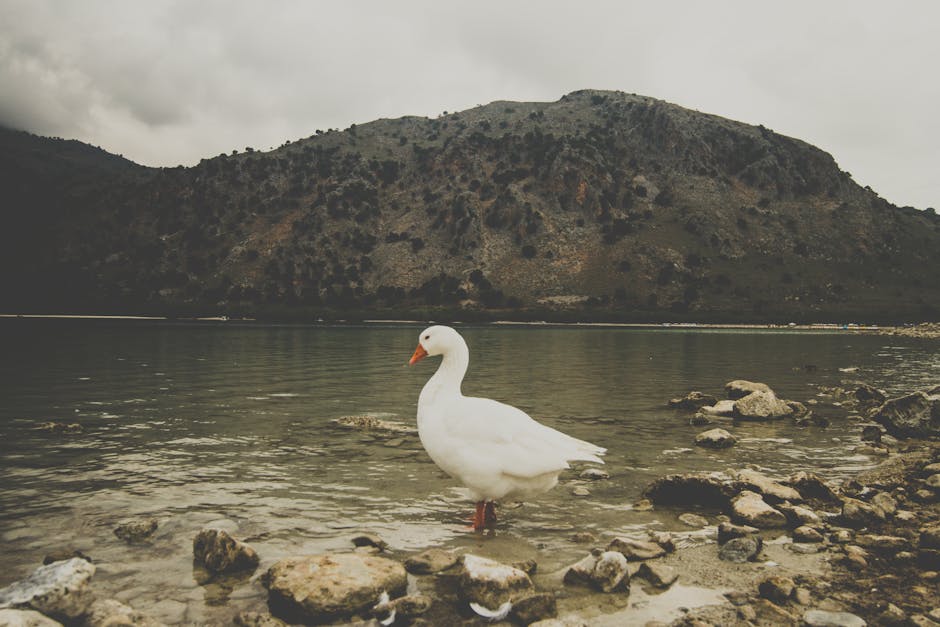
Almiros River Delta (Almyros River) — Address: Almyros Delta, Hersonissos, 700 14, Heraklion Prefecture. Though modest in size, the delta is a mosaic of mudflats, reedbeds and flooded meadows. Open: natural area accessible 24 hours; the main vantage point is near the Almiros beach car park (main street, Hersonissos). Cost: free (some car parks charge €1–3/day). Description: during migration shorebirds (sandpipers, greenshanks) stop here; you can also see Grey Herons, occasional Spoonbills and water rails. Tip: bring waterproof boots in the wet season and a wind shelter — the site is exposed to northerly winds.
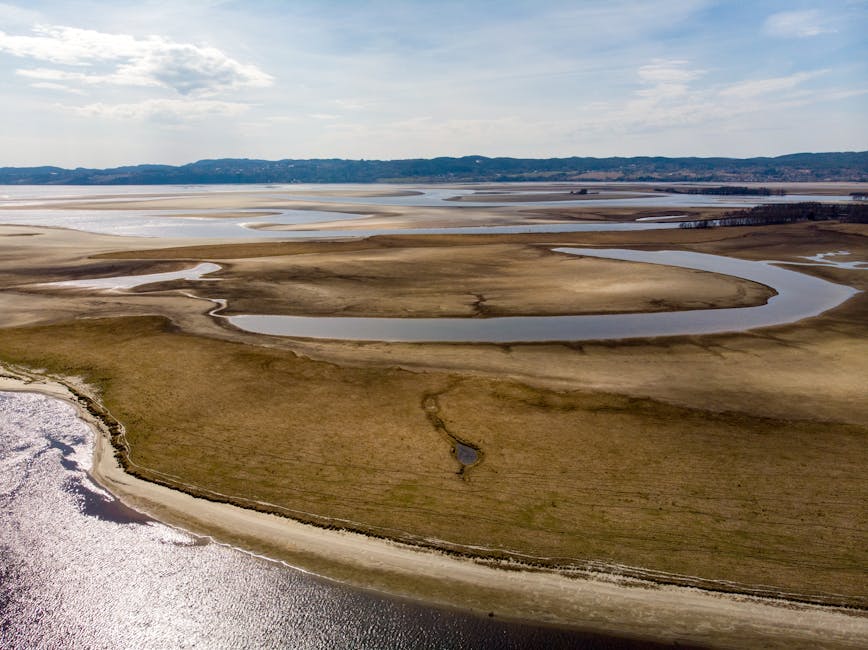
Falassarna Lagoon and beach — Address: Falassarna Beach, Kissamos 734 00, Chania, Crete. Hours: beach accessible 24 hours; some lagoon access via private tracks may be restricted. Cost: free access to the natural site, parking sometimes paid in summer (€2–5). Description: the lagoon behind the famous beach is a refuge for shorebirds and ducks, especially at low tide. The mix of sand, mudflats and seagrass beds attracts godwits, sandpipers and, in certain dry springs, large concentrations of Greater Flamingos. Tip: arrive at dusk or low tide to see peak activity; protect yourself from blowing sand and bring a long lens to photograph from the dunes without disturbing wildlife.
 Click here to book a family trip to Lake Kournas
Click here to book a private cruise at Falassarna
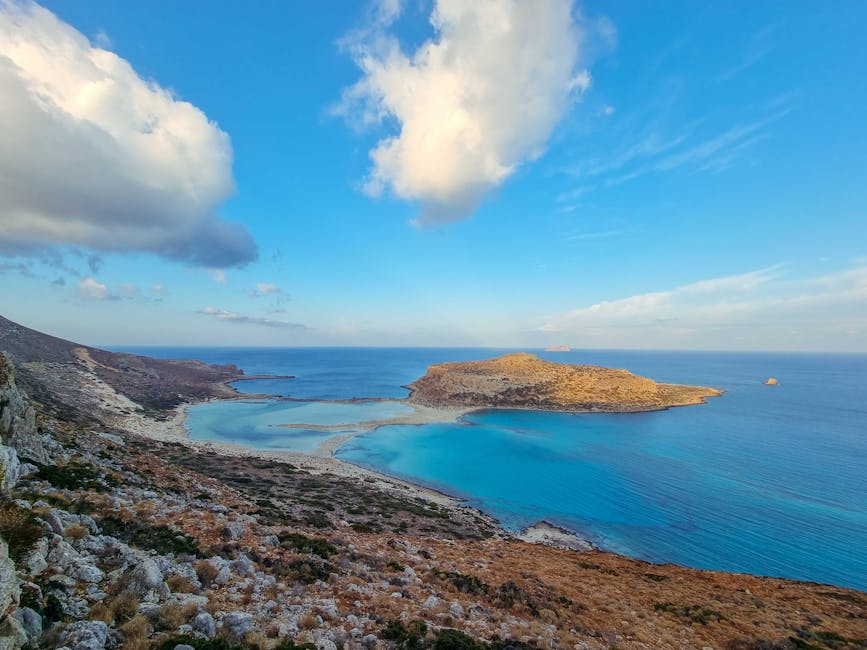
Coastal cliffs and headlands: Balos, Gramvousa, Spinalonga and Cape Souda
Crete’s rocky headlands and offshore islets are concentration points for migrating raptors and marine birds. These spots offer panoramic views where you can watch harriers, seabirds and breeding species passing through.
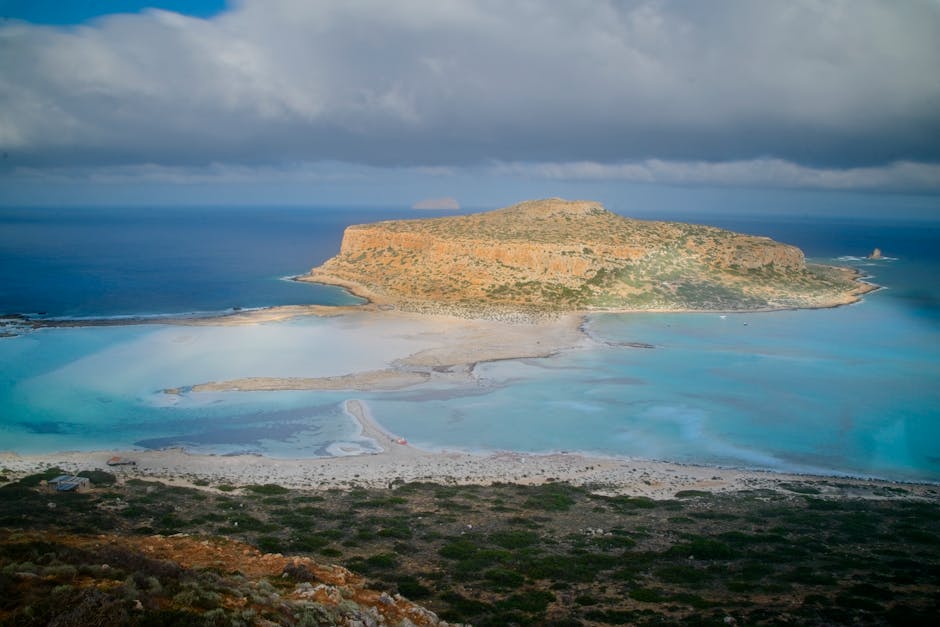
Balos Lagoon and Gramvousa Island — Boat departure: Kissamos Port, Kissamos 734 00, Chania. Hours: boat tours typically run 09:00–17:00 (high season), ticket offices open around 08:30 at the port. Cost: round-trip boat tickets about €20–35 depending on operator; foot access from the car park requires a 4×4 (parking fees €3–10). Description: Balos is famous for its turquoise waters, but the lagoon and Gramvousa’s cliffs also attract gulls, Peregrine Falcons and occasionally Balearic Shearwaters (sporadic seasonal sightings). The cliffs create thermals that raptors use before crossing sea stretches. Tip: bring plenty of water, a sun hat and powerful binoculars — the sun is strong and trails can be steep. Avoid approaching nests in summer.
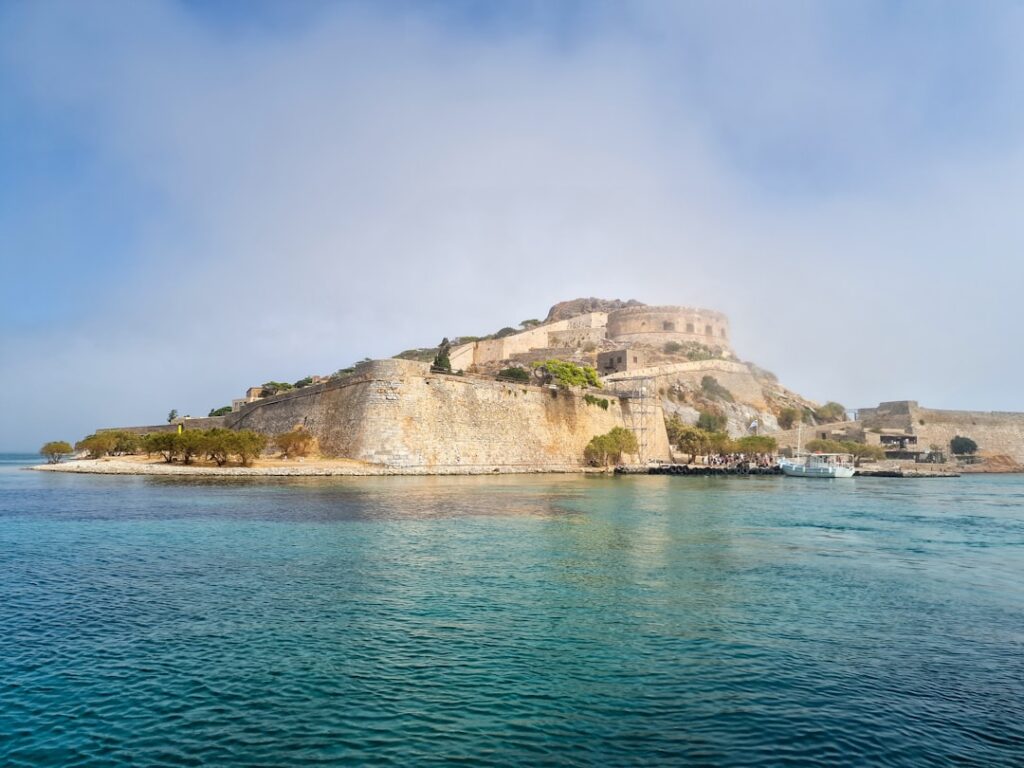
Spinalonga (Elounda) — Boarding point: Agios Nikolaos Harbor, Plateia Venizelou, Agios Nikolaos 721 00, Lassithi. Hours: boats to Spinalonga usually run 09:00–17:00 in summer; ticket offices open from about 08:30. Cost: round-trip boat €10–18; entrance to the island and its Venetian fortress about €4–6 if a local guide runs the visit. Description: Spinalonga, famed for its Venetian fortress, is also a marine birding spot: cormorants, terns and occasional falcons hunting along the cliffs. Nearby seagrass beds attract fish that diving birds feed on. Tip: choose early morning or late afternoon tours for the best light and to avoid crowds; stick to marked paths to protect vegetation and nesting birds in spring.
Cape Souda and Souda Bay — Address: Cape Souda viewpoint, Souda, Chania 731 00. Hours: natural site accessible 24 hours; military observation points and port facilities have their own schedules. Cost: free (Souda Bay boat tours €10–25). Description: Souda Bay is a large sheltered estuary often frequented by terns, gulls and, during migration, seabird raptors. Local winds channel birds along the cape, creating spectacular passages when conditions are right. Tip: check prevailing winds (meltemi) and position yourself on the sheltered side for more comfortable viewing; recommended gear: 8×42 or 10×42 binoculars and a spotting scope on a tripod.
Click here to book a Balos & Gramvousa cruise
Click here to join a Spinalonga tour from Agios Nikolaos
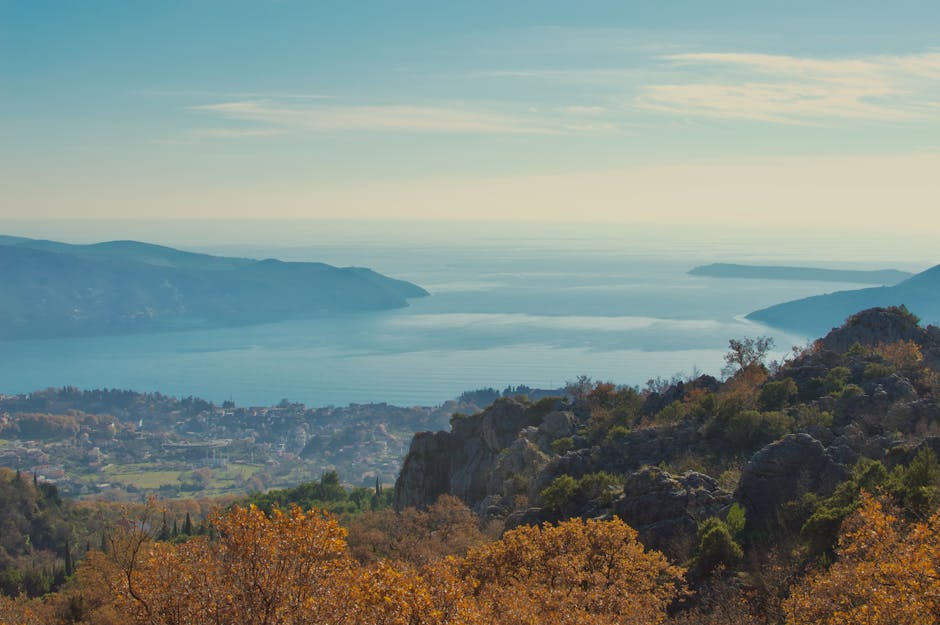
Mountain ranges and gorges: Samaria, Psiloritis and the Lassithi Plateau
Mountain areas act as thermal corridors for raptors and refuges for cliff-nesting species. Gorges create microclimates where local species — sometimes including the rare Bearded Vulture, Golden Eagle or Eurasian Sparrowhawk — can be seen during migration and on breeding territories.
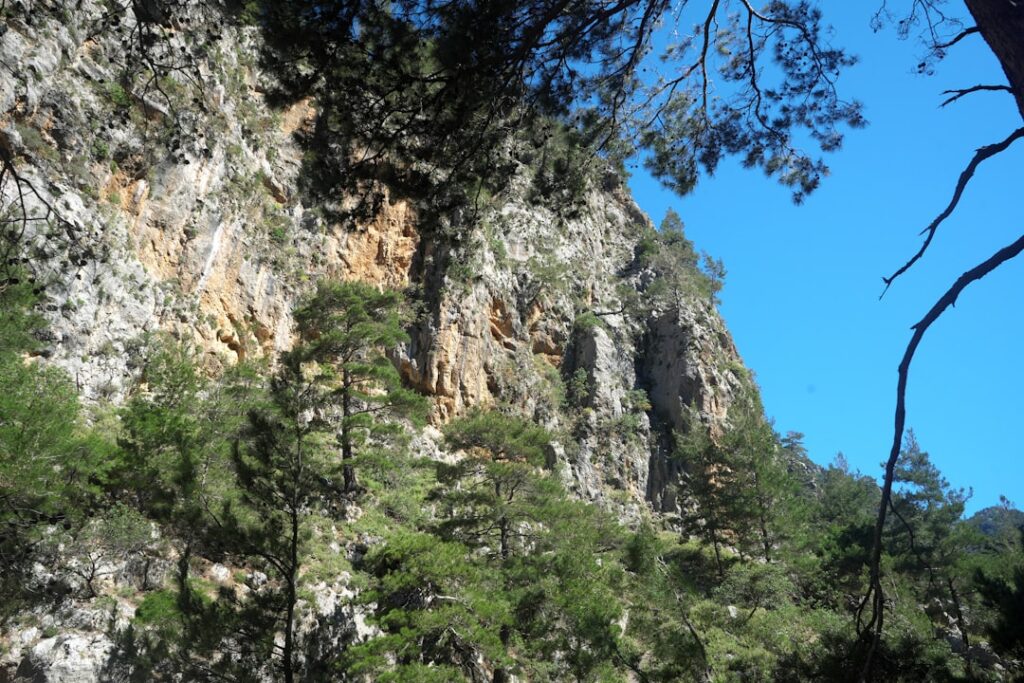
Samaria Gorge — Address: Samaria National Park, Omalos Plateau, Chania Prefecture, Omalos 730 11. Hours: the national park is generally open April to October; main entrance/visitor center hours 08:00–18:00 in high season (variable off season). Cost: park entrance around €5 (conservation contribution); shuttle buses and ferries from Chora Sfakion/Agia Roumeli €8–12 depending on season. Description: Samaria Gorge is an iconic hiking and birding location (Samaria National Park) for cliff species like the Yellow-billed Chough (rare), vultures and various raptors. Rocky ledges and dense pine forests provide perches for migrating birds of prey. Tip: start early to enjoy cooler temperatures, bring water and snacks (the descent takes 4–6 hours), and respect closed areas for nesting. Trails are well signposted and there’s a visitor center at the western entrance (Xyloskalo) with maps and opening times.
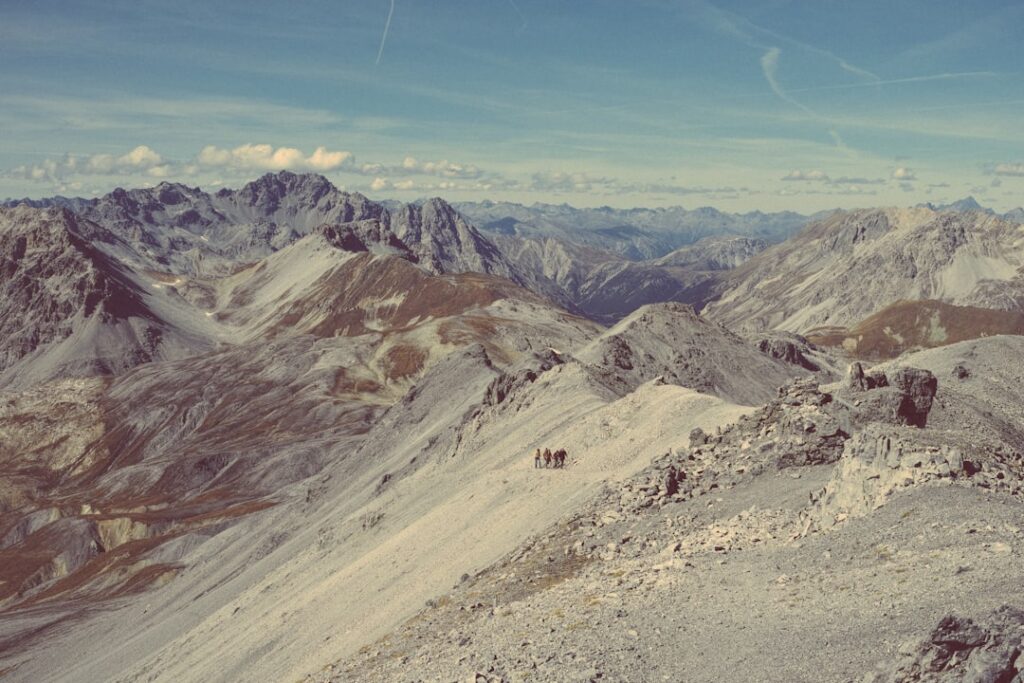
Psiloritis (Mount Ida) and the Lassithi Plateau — Address: Psiloritis Oros (Mount Ida), Lassithi Plateau, 720 53, Rethymnon/Heraklion Prefectures. Hours: the massif is accessible year-round though road access can be limited in winter; mountain refuges have variable hours (typically 09:00–17:00). Cost: trail access is free; some refuges charge €15–30 for overnight stays. Description: Psiloritis is Crete’s highest peak (2,456 m) and forms an important migration corridor as raptors follow the ridge before dropping to the plains. The Lassithi (Dikti) Plateau’s open grasslands are good for spotting harriers, marsh harriers and falcons on migration. Tip: pack warm clothing (temperatures vary), binoculars and a spotting scope, and stick to official paths to avoid disturbing breeding birds.
Click here to book a guided day trip to Samaria
Click here to discover Zeus’s cave and the Lassithi Plateau
Protected reserves, info centres and guided tours: facilities, addresses and tips
To get the most out of birding in Crete, rely on protected reserves and local operators who track seasons and bird movements. Several organisations offer information, maps and guided outings — often essential to locate the more elusive species.
1) Environmental Education Centre of Agia (Agia Reservoir information) — Address: Agia, Hersonissos 700 14, Heraklion Prefecture. Hours: the environmental education centre is usually open 09:00–17:00 on weekdays; occasionally closed off season. Cost: centre entry is free; workshops and guided trips €10–30 depending on duration. Description: the centre provides ID sheets, local wetlands maps and sometimes runs small-group dawn outings. Tip: contact the centre in advance to book a guided trip with a local ornithologist, especially during migration peaks (March–May, August–October).
2) Natura Creta Foundation & local birding guides — Head office: Chania, Halepa District, 731 32 Chania. Hours: offices usually open 09:00–16:00. Cost: half-day tours €40–70, full-day €80–150 (prices vary by group size). Description: NGOs and freelance guides run tailored circuits (raptor routes, wetlands tours, nocturnal owl trips). An experienced guide significantly increases your chances of finding tricky species and saves travel time between sites. Tip: book 1–2 weeks ahead in high season; request an English-speaking or other language guide as needed.
3) Logistics and transport options — Practical info: car rentals in main towns (Heraklion, Chania, Rethymno) average €30–70/day depending on season and car type. Public KTEL buses connect many villages and beaches: short fares €1–6, longer routes €6–20. Hours: urban and intercity buses publish timetables online, generally running 06:00–21:00; some tourist routes operate earlier/later in summer. Tip: to reach isolated dawn spots (best birding time), renting a car or booking a tour is the most reliable option.
Click here to book a private full-day Crete tour
Best seasons, recommended equipment and local tips for responsible birding
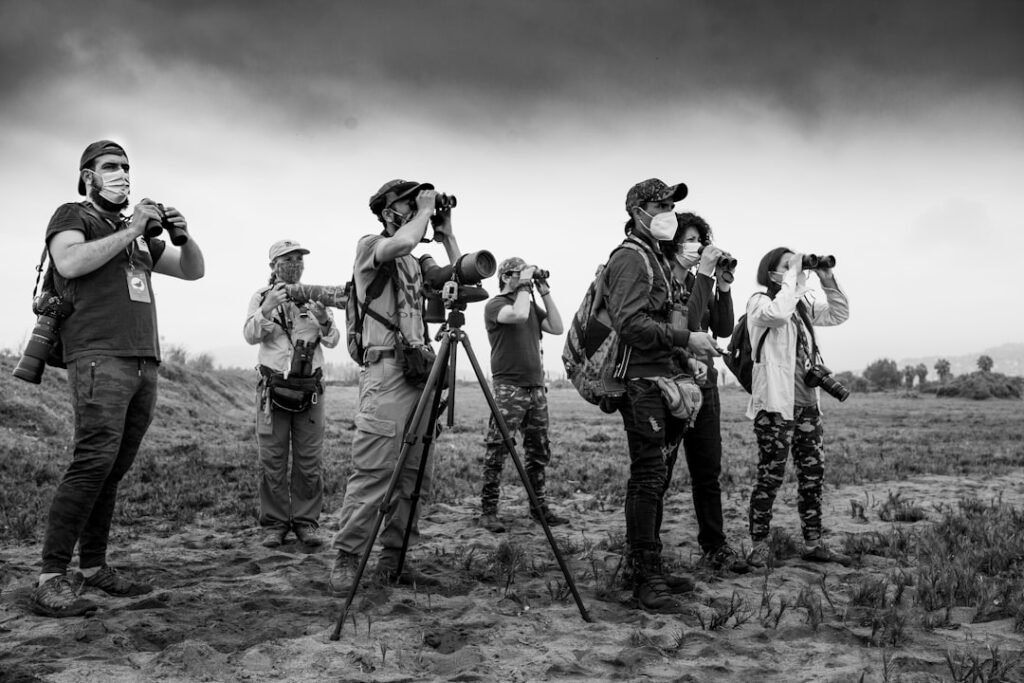
Picking the right time to visit Crete for birding largely depends on migration. The two main peaks are spring (mid-March to late May) and autumn (August to October). In spring birds return to breeding sites: song, displays and territorial behaviour make them easier to detect. Autumn brings a continuous stream of birds leaving Europe — often quieter individually but impressive in numbers.
Recommended gear:
- Binoculars 8×42 or 10×42: versatile for most watching.
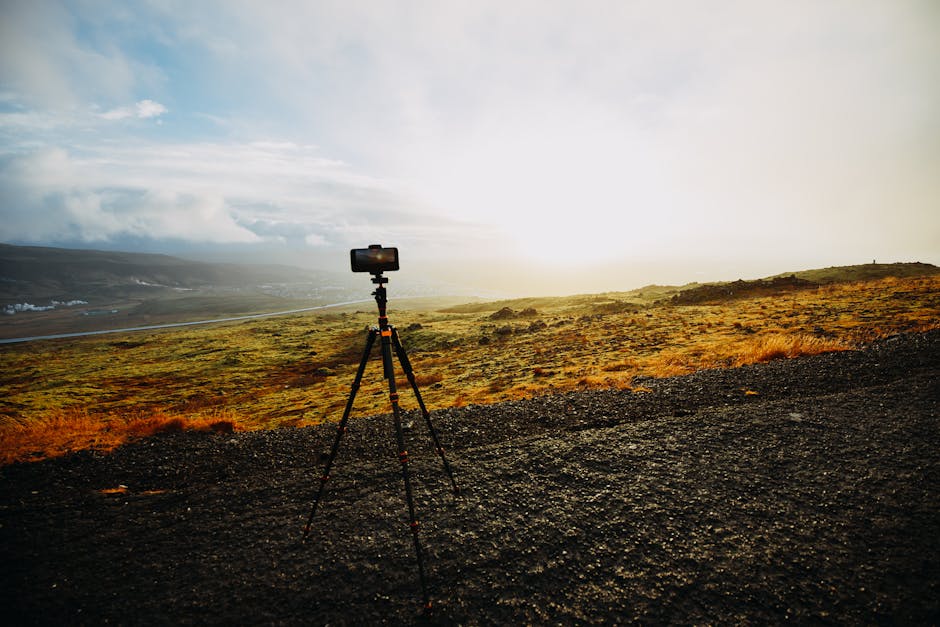
- Spotting scope on a tripod: essential for distant ID, especially over lagoons and cliffs.
- Camera with telephoto lens (300–600 mm): for photos without disturbing birds.
- Clothing: layers, windproof jacket, waterproof walking shoes. Hat and sunscreen in summer.
- Maps/topo and ID apps (Merlin, eBird): to log sightings and track hotspots.
Local practical tips:
- Start outings at sunrise: bird activity peaks and the light is softer.
- Respect signs and protected zones; avoid veering off paths, especially near nesting areas.
- Check with local tourist offices (e.g. Chania Regional Office, Plateia 1821, Chania 731 00 — hours 08:00–15:00) for updates on access and events.
- If photographing, use silent mode and keep a respectful distance to avoid causing mass flushes.
- Monitor the weather: strong winds (meltemi) can change migration routes and make some sites inaccessible.
Conclusion — Plan your Crete birding itinerary and support conservation
Thanks to its strategic position and landscape variety, Crete is an outstanding place to observe migratory birds. From the gentle lagoons of Lake Kournas to the cliffs of Balos and Spinalonga, through the deep gorges of Psiloritis and the wide plains of the Lassithi Plateau, each site offers its own mix of species and experiences. When planning your trip, combine habitat types to maximise diversity: mornings in wetlands followed by afternoons on rocky headlands, for example.
Success on a birding trip depends not only on gear but also on knowing the seasons, winds and local rhythms. Hiring a local guide or joining an organised trip greatly increases the odds of seeing rare species and gives access to lesser-known viewpoints. Associated costs (guides €40–150, boat tickets €10–35, car hire €30–70/day) should be part of your budget, but they often make the experience richer and more environmentally responsible.
Also remember your role as a responsible visitor: report sightings to local databases (eBird Greece), follow reserve rules and support conservation initiatives (donations, joining educational activities). Watching with patience and respect helps protect these vital migratory corridors while giving you unforgettable moments — a dawn passage of seabirds against a pink sky, or the silhouette of a raptor gliding along a Cretan ridge.
Finally, leave room for the unexpected: the thrill of birdwatching comes from surprises, chance encounters and quiet moments shared with nature. Whether you explore the tranquil eastern lagoons, western cliffs or central gorges, Crete offers a mosaic of memorable birding experiences — if you’re ready to look up and wait. Safe travels and happy birding!