





Introduction: Crete’s Living Memory — Museums, the Resistance and World War II
Crete, at the crossroads of the Mediterranean, carries in its soil and stones the indelible traces of one of the most dramatic and heroic chapters of World War II: the Battle of Crete (May 1941) and the island’s Resistance. Beyond the beaches, olive groves and sun-bleached villages, the memory of these events is preserved and passed on in museums filled with archives, personal belongings, uniforms, maps, wartime photographs and oral histories. These memorial sites are not mere historical displays; they are sanctuaries of humanity where you can grasp how civilians, soldiers and resistance fighters coped with occupation, how Cretans hid Allied parachutists, sheltered families, and paid a heavy price in lives and destruction.
Visiting the museums dedicated to the Resistance and World War II in Crete is both an emotional and intellectual journey: you follow the timeline of events, learn about military strategies and everyday life under occupation, listen to recorded testimonies and see artifacts that were once tools for survival. Scattered around the island — in Heraklion, Chania, Rethymnon, Maleme and other districts — these museums offer complementary perspectives: some emphasize the airborne battle, others the civilian resistance and communication networks, and others still focus on the human consequences and local memory.
If you’re a curious traveler, an amateur historian or a researcher, visiting these museums requires preparation and sensitivity. The approach should be respectful: these places honor victims and acts of courage. To get the most out of your visit, check opening hours, favor guided tours when available, listen to local accounts and look for bilingual panels (Greek/English) or ask if materials in French are offered. This article outlines several unmissable museums in Crete that tell the story of the Resistance and World War II: exact addresses, fares in euros, opening hours, immersive descriptions and practical tips to plan your visit. Be ready to be moved, informed and changed by these places where history speaks.
Museum of the Battle of Crete — Maleme, Platanias
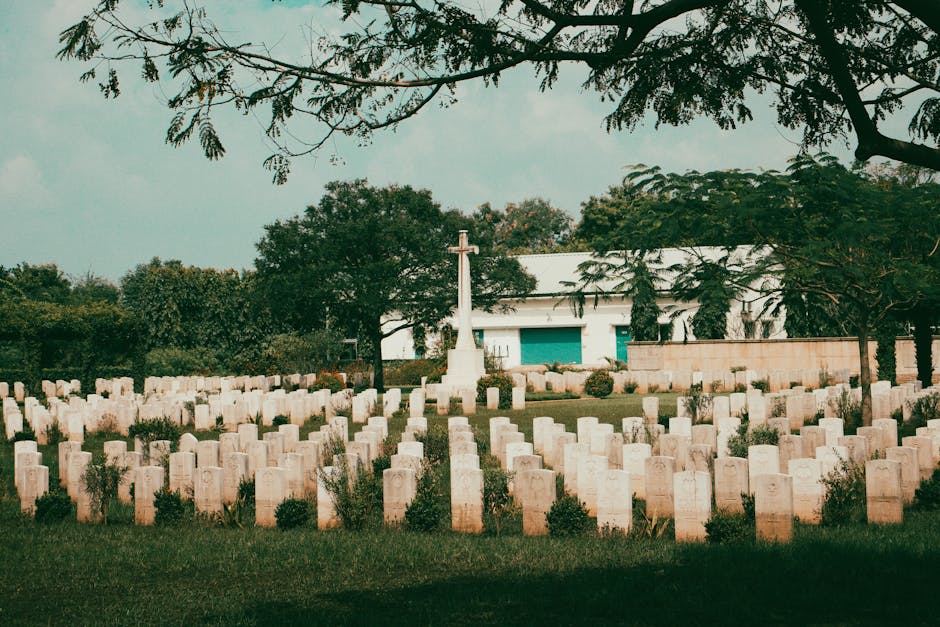
The Museum of the Battle of Crete, often referred to as the Museum of the Combat of Crete, is located in Maleme, a village heavily marked by one of the first German parachute landings in May 1941. Exact address: Museum of the Battle of Crete and the National Resistance, Maleme, Platanias, 730 14 Chania, Crete, Greece. Situated just next to the military airfield and the Commonwealth war cemetery, the museum presents a chronological account of the operations around the Maleme peninsula, with tactical maps, uniforms, weapons and personal items found on the battlefield.
Prices: general admission around €5.00 for adults, reduced (students/seniors) €3.00; children often free or €1.50 (prices are indicative and may vary by season). Opening hours: in season (April–October) generally 09:00–17:00; low season mornings 09:00–13:00 with afternoon closures depending on visitor numbers — it’s recommended to call ahead (local number available on the Platanias municipal website or via Chania’s tourist office).
Immersive description: the museum route starts with an introduction room where a large map shows the airborne attack axes. Visitors move past showcases containing aircraft fragments and pieces of uniforms, then through panels detailing the day-by-day chronology. A whole section is devoted to the role of villagers: audio recordings (in English and Greek) play testimonies from families who hid Allied parachutists or who suffered reprisals. A small diorama reconstructs a ruined Cretan village, intensifying the emotional impact. Outside, near the war cemetery, you can spot old bunkers and trenches, now open for self-guided exploration.
Practical tips: arrive by car or motorcycle — public transport to Maleme exists but is infrequent; bring water and a hat in summer (there’s little shade). Photography is generally allowed without flash; respect signs and restricted areas. Combine the museum visit with the Maleme Commonwealth War Cemetery (right next door) for a fuller memorial experience. If you’re interested in military history, ask staff for details about the Allied units involved (New Zealand, British, Australian).
Museum of the Battle of Crete and the National Resistance — Chania
The city of Chania hosts a central museum dedicated to the Battle of Crete and the Resistance — commonly called the Museum of the Battle of Crete and the National Resistance, Chania. Address: 28 Oktovriou 47, 731 32 Chania, Crete, Greece. It’s located in the historic center, just a short walk from the Venetian old harbor, making it an easy stop during a history-filled stroll. This museum stands out for its thematic displays, mixing archival documents, occupation-era photographs of the city, propaganda posters and civilian objects repurposed as resistance tools.
Prices: admission about €4.00 for adults; reduced €2.00 for students and seniors; children often free. Opening hours: high season 10:00–18:00, low season 09:00–14:00; closed on some holidays — check Chania’s municipal website for updates.
Immersive description: the museum’s curation aims to place the individual at the heart of the story. You’ll find private letters exchanged between resistors, clandestine hand-drawn maps, and recordings of women and men who organized night evacuations. One room is specifically dedicated to Allied operations that used Chania as a strategic point, as well as to German and Italian repression: requisition orders, official reports and photographs that reveal the impact on Cretan families. A multimedia area screens a 20–30 minute documentary, usually in the original English with Greek subtitles.
Local tips: pair the museum visit with a stroll through Chania’s municipal market (Dimokratias Square) to feel the contrast between everyday life and living memory. Local guides sometimes run WWII-themed walking tours — inquire at the Chania tourist office (address: Akti Enoseos 1). Arrive early to avoid heat and tourist crowds, and take a seat by the harbor afterward to process the emotions stirred by the visit.
 Click here to book the historical Battle of Crete tour
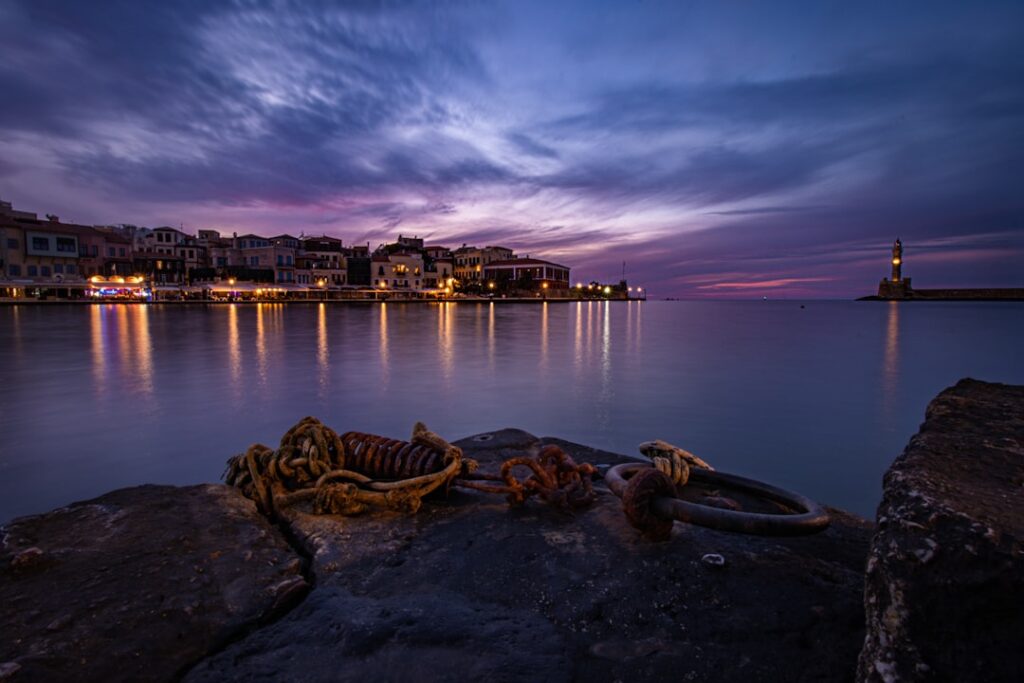
Historical Museum of Crete — Heraklion (Resistance exhibition)
The Historical Museum of Crete (Ιστορικό Μουσείο Κρήτης), located in Heraklion, devotes several rooms and temporary exhibitions to the occupation and the Resistance. Address: Historical Museum of Crete, 51, 25 Avgoustou (25th August) Street, Heraklion, 71202, Crete, Greece. The institution covers far more than military history — it traces the region’s cultural and social history — but its World War II sections are rich and well-documented, featuring administrative archives, posters, audio archives and civic objects used during the occupation.
Prices: general admission €6.00; reduced €3.00; free on certain days or for children depending on temporary exhibitions. Opening hours: generally 10:00–17:00 in season; possible Monday closures or reduced hours in low season — check the official website to confirm. The museum often hosts temporary thematic exhibits that dive deeper into episodes like urban resistance in Heraklion or civilian assistance in Allied evacuations.
Immersive description: at the Historical Museum of Crete the curation favors social context: family photographs, school registers listing the names of young resistors, and everyday objects improvised for survival (stoves, lamps, locally used coinage). A multimedia room shows survivor interviews and excerpts from personal diaries. You may find detailed maps showing internal refugee flows and areas where the Resistance was most active. The approach is multidisciplinary: archaeology, history and ethnography combine to reconstruct wartime life.
Practical tips: the museum is easily reached on foot from Heraklion’s center and the bus station. Allow at least 1h30 to explore the historical sections and temporary exhibits. The museum shop stocks in-depth publications (often in English and Greek) that are useful for travelers wanting to continue their research. If you’re planning a war-focused itinerary, ask staff for local maps and suggestions for nearby memorial sites — they can recommend guided excursions to battle locations.
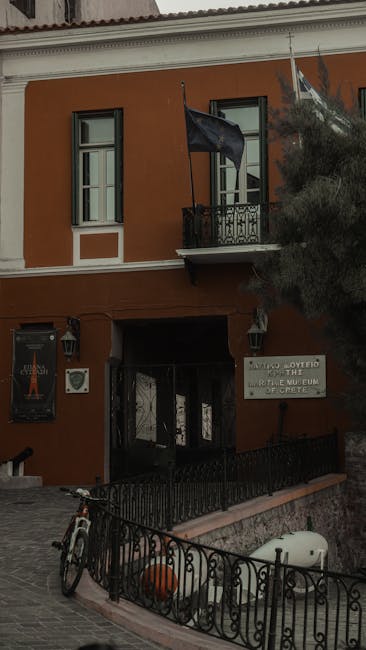
Resistance Park Museum — Rethymnon and local memorials
In Rethymnon and its surroundings, several small museums and memorials complement the island-wide narrative of World War II. One of the most accessible sites is the local Museum of Resistance Exhibits at Rethymnon Municipal Museum, located in the heart of the old town. Indicative address: Rethymnon Municipal Museum, Arkadiou Street 19, Rethymnon, 74100, Crete, Greece. Although often more modest than the major institutions in Heraklion or Chania, these municipal museums hold valuable local archives — victim lists, panels about the events at Arkadi Monastery, and accounts of round-ups and rural resistance actions.
Prices: often low (€2–4), sometimes free depending on municipal subsidies. Opening hours: generally 09:00–15:00, with afternoon closures; closed Sundays or according to the municipal schedule. Exhibits rotate and you may find information panels in English, but sometimes the most complete documentation is only in Greek — ask staff for English summaries.
Immersive description: the local narrative often emphasizes village solidarity: how residents used caves, ravines and mountain paths to hide parachutists and organize coastal evacuation links. Arkadi Monastery, near Rethymnon, is a major memorial site and contains a small museum dedicated to the tragic 1866 event and later resistance activities; address: Monastery of Arkadi, Arkadiou 74100 Rethymnon, Crete, Greece. Although connected to an earlier struggle for independence, Arkadi is frequently cited locally as a symbol of sacrifice that inspired Resistance efforts during World War II.
Practical tips: combine the municipal museum visit with a walk through Rethymnon’s old town and a trip to Arkadi Monastery. Roads toward Arkadi are winding; it’s advisable to rent a car or book an organized tour. Wear comfortable shoes if you plan to explore caves and ravines; check with the tourist office about local guides offering memorial hikes.
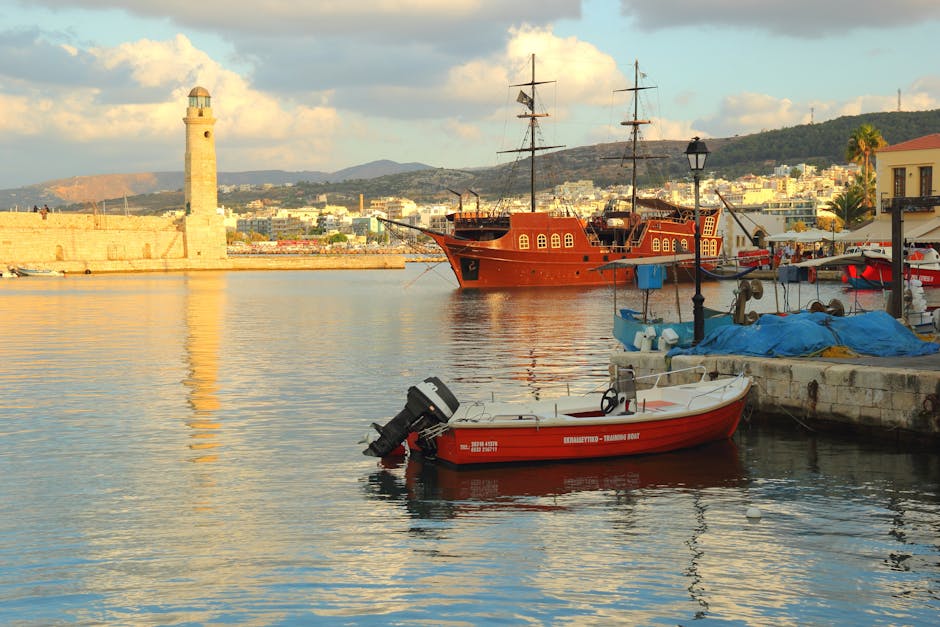
General tips for visiting memorial museums in Crete
Preparing your visit: always check opening hours before you go — small museums often close in winter or have limited hours. Contact local tourist offices (Heraklion, Chania, Rethymnon) for up-to-date information on temporary exhibitions and guided tours. Bring a small flashlight if you plan to explore outdoor bunkers or trenches, and wear sturdy shoes for open-air sites.
Respect and sensitivity: World War II memorial sites contain personal items and graves. Follow the rules (silence, no flash photography if requested) and avoid inappropriate behavior. If you want to interview local witnesses or guides, prepare open questions and show genuine interest in their personal stories — Cretans are often deeply attached to family histories and appreciate respectful conversation.
Transport and logistics: renting a car remains the most flexible way to get around the island and reach remote sites like Maleme or Arkadi. Intercity buses connect major towns but services to rural sites can be infrequent. Plan your days around museum hours and travel times between locations. Finally, support these museums by buying local publications — exhibition catalogues, testimonies and maps — which will deepen your understanding and serve as lasting mementos.
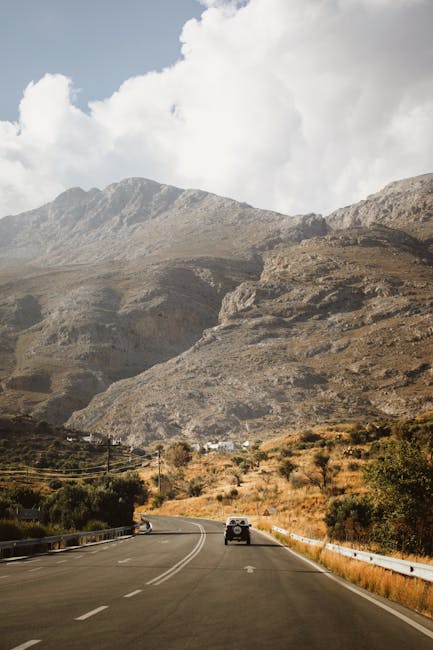
Conclusion: Why these museums are worth your visit
Museums dedicated to the Resistance and World War II in Crete offer far more than displays of old objects: they weave a living narrative that connects military events with human lives. By visiting the Museum of the Battle of Crete in Maleme, the Resistance museum in Chania, the Historical Museum of Crete in Heraklion and the municipal institutions in Rethymnon, you travel through a landscape of memory where testimonies, material evidence and historical interpretation meet. These sites help understand war not only as clashes of armies but as upheavals that affected families, villages and the culture of an entire island.
Practically speaking, these museums are accessible to mindful travelers: check hours, arrange suitable transport and book a guided visit if you can. Emotionally, expect to be marked: the power of the accounts and the proximity of personal items make these exhibitions deeply empathetic experiences. The mix of military elements (maps, uniforms) and civilian artifacts (letters, utensils), together with outdoor memorials (cemeteries and monuments), makes for a coherent and complete memorial route.
Finally, as a visitor you help preserve memory: your admission fees, purchases in museum shops and interest contribute to keeping these institutions alive. Crete, an island whose landscapes remain shaped by history, offers a lesson in humanity and resilience. Whether you come to study, to pay tribute or out of curiosity, these museums will give you the keys to understand how World War II shaped Cretan society — and why it is still essential today to preserve and pass on these memories.