





Introduction
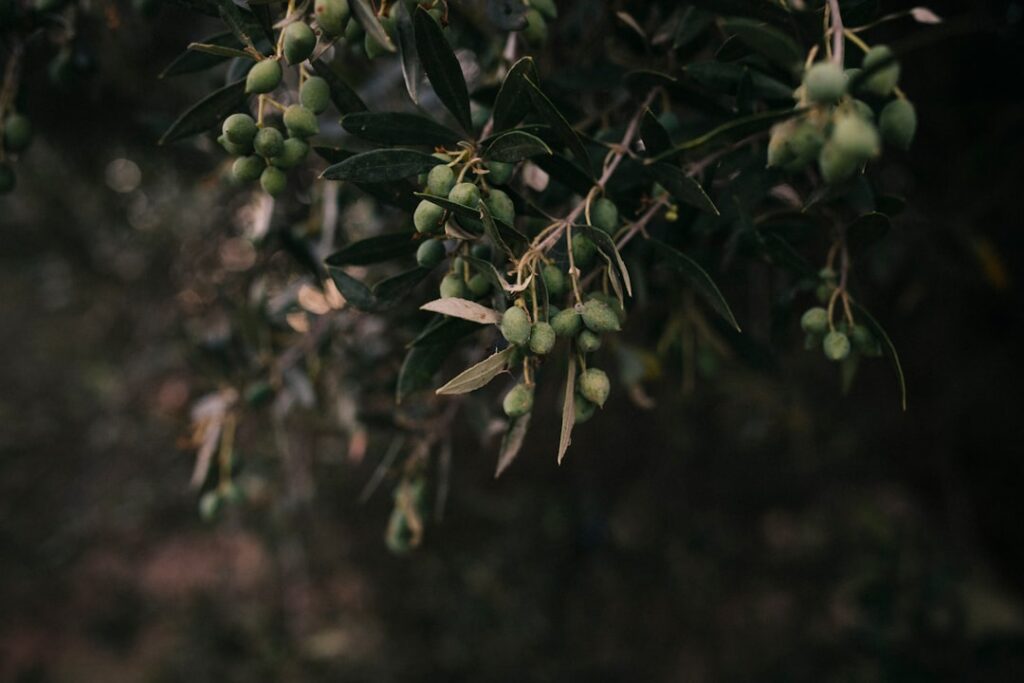
Crete is often described as an island where sun, sea and soil conspire to create some of Europe’s most authentic and enduring food products. At the heart of this culinary harmony is Cretan olive oil: a green-gold liquid whose history is woven with the Minoans, shepherds and families who tend centuries-old groves. Picking the best bottle of olive oil in Crete isn’t just about spotting a pretty label — it’s about understanding the terroirs (often called « microclimates » here), local cultivars like koroneiki, tsounati and lianolia, cold-extraction methods and the product’s freshness. This guide takes you on a sensory and practical journey through Cretan olive groves, mills, markets and specialty shops to help you recognize high-quality olive oil, know fair prices, visit producers and bring home a bottle worthy of your memories.
In Crete, olive oils are more than condiments; they’re a way of life. You’ll find them on family taverna tables in Heraklion, in market baskets in Agios Nikolaos and in gourmet shops in Chania’s old harbor. Terroirs vary: the chalky slopes around Rethymnon yield herbaceous oils, while the fertile plains of Lassithi produce fruitier oils. Tasting olive oil is done almost like wine tasting: temperature, colour, aroma, initial taste and finish all matter. But how do you turn those sensations into objective criteria for choosing a good bottle? We’ll go through labels (PDO — Protected Designation of Origin), required information, what « extra virgin » really means, harvest dates and whether the oil is filtered or not.
This guide includes exact addresses for mills, museums and shops where you can taste and buy, plus opening hours and indicative prices for visits or bottles. We also share practical local tips: the best seasons to visit, how to travel with a bottle by plane, tricks to avoid counterfeits and how to talk about oil with local producers. Whether you’re a curious tourist, a food lover or a discerning buyer, you’ll find the tools here to select a bottle of Cretan olive oil that will last — on your bread, in your salads and in your travel memories.
Understanding Cretan Olive Oils: Terroirs, Varieties and Labels
To choose the best bottle, start by learning where the oil comes from. In Crete, olive oils often carry geographic indications: PDO (Protected Designation of Origin), for example « PDO Sitia » or « PDO Kolymvari », which guarantees controlled origin. Dominant varieties include koroneiki (very common, small fruit, powerful and fruity oil), tsounati (rounder) and lianolia (sweeter aromas). Each terroir produces a different aromatic palette: Sitia in eastern Crete often yields intense, spicy oils, while Kolymvari, near Chania, is known for floral, herbaceous oils.
Labels are your first tool. A good extra-virgin bottle should say « Extra Virgin Olive Oil » and ideally show the harvest or extraction date (year and sometimes month). Look for terms like « first cold press » or « cold extracted » — this means temperatures didn’t exceed levels that damage polyphenols. Labels showing polyphenol content are rare but useful: the higher the level, the more resistant the oil is to oxidation and the more it will have a healthy bitterness and persistence.
Price and formats: in Crete, a 500 ml bottle of decent extra virgin olive oil starts around €6–8, but for an artisanal, PDO or small-farm oil expect €12–30 for 500 ml. Prestige or vintage oils can reach €40–60 for a 500 ml bottle. Small producers often sell in tinted glass (small 250 ml bottles) or tins (1–5 L cans), which gives a better price per litre — useful if you’re driving. Beware of very cheap bottles under €5 for 500 ml: they may be commercial blends, heated or processed to mask poor quality.
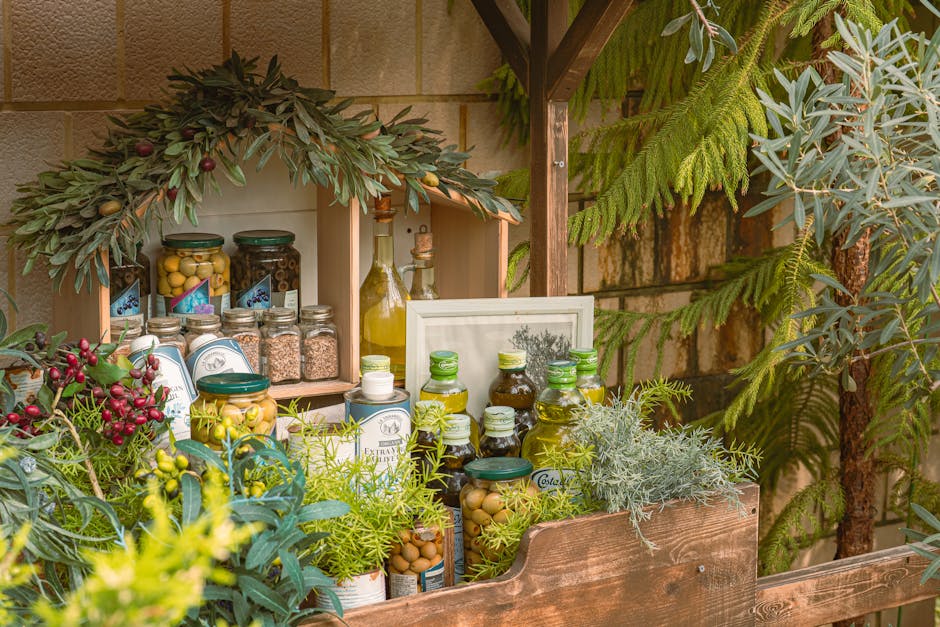
Local practical tips: prefer dark, opaque glass bottles; check for a lot number and harvest date; ask whether the oil is filtered (unfiltered oil can look cloudy but may be fresher). And taste before you buy: most specialty shops and mills offer tastings. Learn to recognise three characteristics: the attack (mild, fruity, bitter), the aftertaste (peppery, spicy) and the length. These elements help you pick the best bottle for your intended use — cooking, finishing a dish or sipping.
Where to Taste and Buy in Chania and Heraklion: Addresses, Hours, Prices
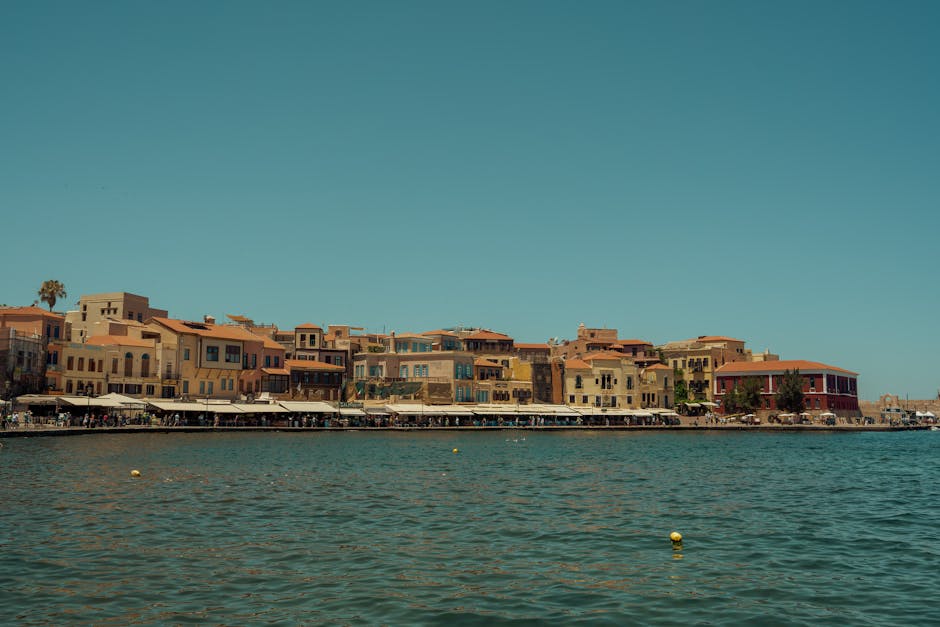
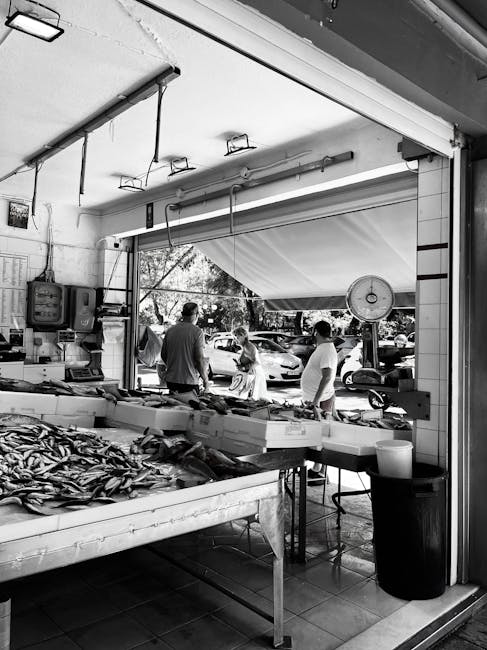
Crete’s main towns, Chania and Heraklion, offer reliable spots where quality can be checked. In Chania, start at the central market (Chania Municipal Market), located at 1 Sifaka Street, 731 32 Chania. Hours: Monday–Saturday, 07:00–14:00; some stalls also open in the afternoon. You’ll find local producers selling small bottles from about €6 for 250 ml up to €25 for an artisanal 500 ml bottle. The market is immersive: scents of herbs, goat cheeses, olives and crusty bread — taste oils on fresh bread to notice the difference.
Also in Chania, visit the Olive Oil Museum of Crete at 73 Halidon Street, 731 32 Chania. Hours: 09:00–17:00 in season (April–October), closed Monday off-season. Admission: around €4–8 depending on the guided tour. The museum offers guided tastings and direct sales — it’s an ideal place to learn the local production story and sample several oils side by side. Local tip: arrive in the morning to avoid crowds and buy a small bottle from a producer featured by the museum — often excellent quality.
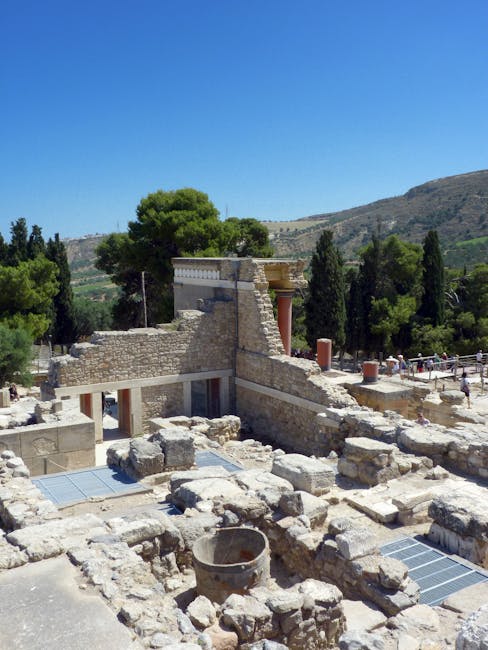
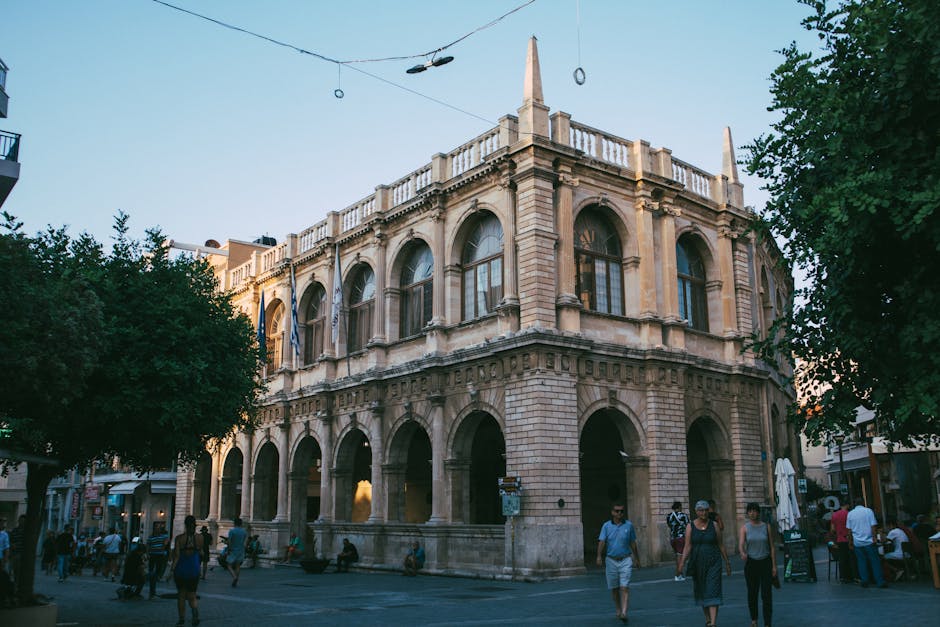
Heraklion, the island’s capital, is full of shops and notable addresses. Start at the central market, « Municipal Market of Heraklion », located on 1866 Street, Nea Agora, 712 02 Heraklion. Hours: Tuesday–Saturday 08:00–15:00; closed Sunday. Producers from nearby plains come to sell their oils: typical prices are €7–15 for 500 ml. For a cultural angle, visit the Heraklion Archaeological Museum, 28 Xanthoudidou Street, 712 02 Heraklion (Hours: 08:00–20:00 in summer, 08:00–15:00 in winter; ticket €8–12). While an archaeological museum isn’t directly about olive oil, it completes your historical perspective — remember much oil production dates back to Minoan times, visible in frescoes and tools on display.
Practical shopping tips in town: always ask for the harvest date, taste before buying (serious sellers will let you sample), and prefer dark glass. If you’re transiting, ask for special hand-luggage packaging or buy 250 ml formats to make transport easier. Prices in specialty shops can be a bit higher than at the market, but you’ll often get better traceability and complete labels.
 Click here to join a wine and olive oil tasting
Click here to discover local producers of soap, wine and olive oil
Recommended Mill and Producer Visits: Addresses, Hours, Tours and Prices
Nothing beats visiting a mill or an olive grove to understand an oil’s quality. Here is a selection of producers and mills to consider, with addresses, opening hours and indicative tour prices:
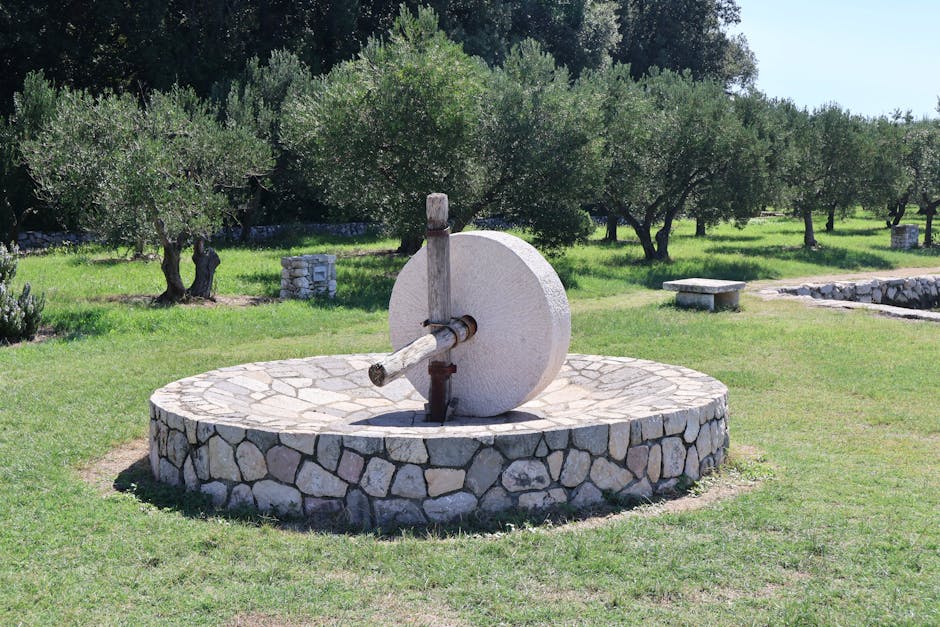
- Olive Mill « Livadia » (υδραυλικό ελαιουργείο Livadia) — Address: Livadia Olive Mill, Livadia Village, Heraklion 714 14. Hours: visits by appointment, 09:00–17:00. Guided tour + tasting price: €10–15 / person. Description: a family mill with modern presses and areas showing traditional extraction, an immersive visit to the adjoining olive grove. Tips: book in advance and wear walking shoes for the stroll through terraces of century-old trees.
Click here to visit Knossos and the private olive mill
Another option, in the east of the island:
- Kritsa Olive Oil Mill — Address: Kritsa Village, 72100, Agios Nikolaos, Lassithi. Hours: 09:00–16:00, closed Sunday afternoon. Price: €8–20 depending on the package (simple tasting from €8, full visit with local meal €18–20). Description: a mill known for single-variety oils and cold-press experiments. Recommended activity: join a mini tasting masterclass and buy a 1 L tin to take home.
Click here to book a private wine and olive oil experience
Near Chania:
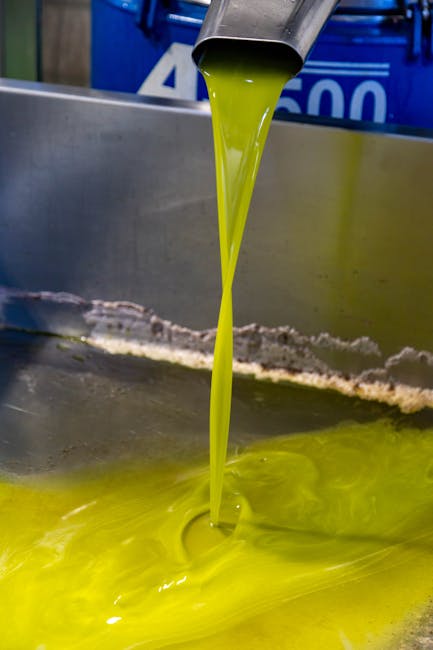
- Kolymvari Olive Mill Cooperative — Address: Kolymvari Cooperative, Main Street Kolymvari, 730 14 Chania. Hours: 08:30–14:30, Monday–Saturday. Price: free visit or donation, paid tasting €5–10. Description: a local cooperative selling wholesale and retail, a good place to compare several small productions from the Akrotiri peninsula. Tips: buy 3 L tins if you’re driving for the best price per litre.
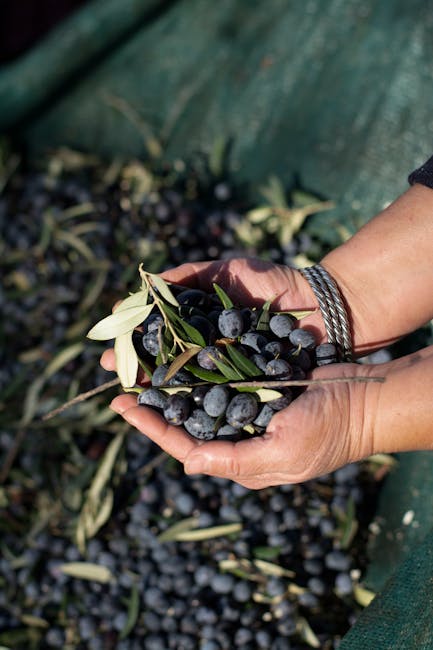
General tips for visits: call or email to reserve — many mills close in winter or restrict visits during harvest (October–January) when activity is busiest. Prepare questions: ask about extraction method, date of the last harvest, whether the oil is filtered, which olive varieties were used and whether they practice organic farming. During tasting, note the balance between fruitiness, bitterness and pungency — these are good indicators of quality. Finally, politely negotiate the price if buying in bulk: local producers are often willing to offer a deal.
How to Choose the Best Bottle: Reading Labels, Tasting and Storage
Choosing the best bottle combines objective facts and sensory judgement. On the label, check required mentions: « Extra Virgin Olive Oil », origin (country, region or PDO), harvest date (or a « best before » which does not substitute for harvest information), lot number and producer contact details. If the bottle shows a free acidity ≤ 0.8%, it meets the standard for extra virgin, though the exact value is not always listed. Bottles with organic (EU Organic) or local certifications guarantee production without synthetic pesticides.
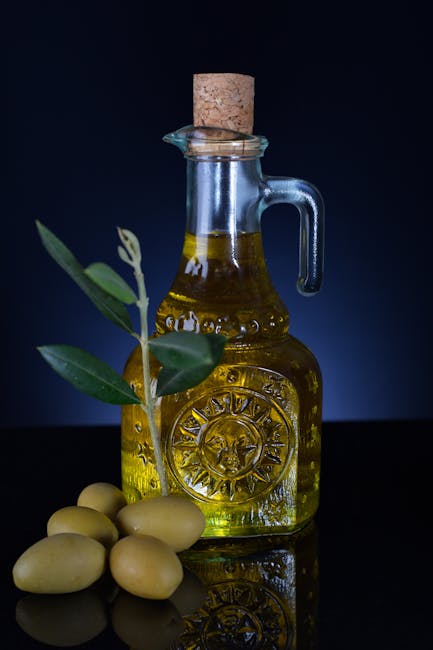
For tasting, use a small opaque glass if possible (professionals use blue glasses to neutralize colour). Warm the base of the glass between your hands for a few seconds to release aromas. Criteria: fruitiness (notes of grass, apple, tomato), bitterness (a sign of polyphenols), pungency (a throat-prickling sensation) and length (how long the flavour lingers). Take notes: a dressing oil should have aromatic complexity and a peppery finish; a cooking oil can be milder and less pungent.
Storage: favour dark glass, keep the bottle away from light and heat, ideally between 14–20 °C. Once opened, consume the olive oil within 6–12 months to enjoy its full aromatic profile. Tins are practical, but once opened transfer a portion to a smaller dark glass bottle if you plan to store it long-term at home.
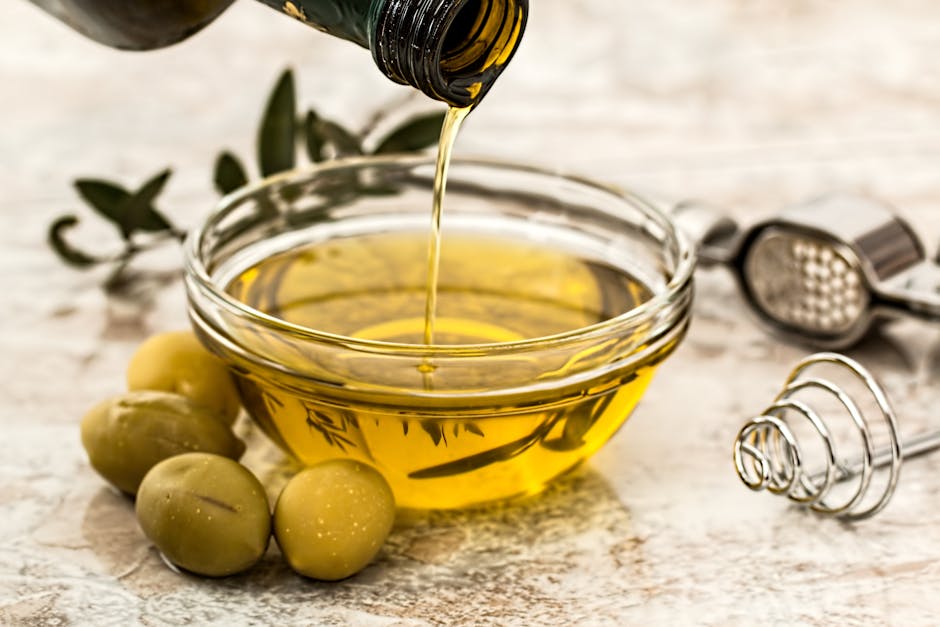
Price and value: for everyday use, a well-rated oil at €8–15 for 500 ml will give excellent value. For gifting or tasting, opt for €20–40 for 500 ml from an artisanal mill or a vintage. Don’t hesitate to ask the producer for pairing suggestions: some oils shine on salads, others pair better with grilled fish or marinades.
Local practical tips: avoid clear bottles sitting in the sun on stalls; shop markets in the morning for freshness and choice; ask about recent filtration (unfiltered = fresher but less stable) and whether the oil was pressed within 24–48 hours of harvest. If flying with oil, wrap the bottle in layers of clothing and use the producer’s shipping service if available to avoid breakage in checked luggage.
Conclusion
Choosing the best bottle of olive oil in Crete is both a sensory and an informed act: sensory because it depends on your personal tastes — fruity, herbaceous, bitter or peppery — and informed because you can read and interpret objective clues (labels, harvest date, certifications, extraction method). Crete offers an incredible diversity of flavour profiles across its terroirs: from Kolymvari’s gentle herbaceousness to the robust, spicy oils of Sitia and Lassithi. Visiting the markets in Chania and Heraklion, joining a tasting at the olive oil museum and booking a mill visit will give you the practical and sensory benchmarks you need. The listed addresses — markets, museums and mills — are concrete starting points to taste, compare and buy with confidence.
Practically speaking, favour dark glass bottles, check for « extra virgin », the harvest date and ask about cold extraction. Budget-wise, expect €6–15 for a good 500 ml bottle, and up to €40–60 for prestige oils; the best oil will always depend on intended use (cooking vs finishing) and your palate. When buying directly from a producer, take the opportunity to ask detailed questions — about grove size, harvest timing and extraction method — and don’t hesitate to negotiate for larger quantities.
Finally, bringing home a bottle of Cretan olive oil is like taking a piece of local culture and family know-how with you. Cretan olive oil, with its polyphenols and season-to-season flavours, is a lasting souvenir. Store it well, taste it slowly at home and let it remind you of sunlit groves, the lively markets of Chania and Heraklion, and the mills where time seems to slow along the ancient branches. Enjoy the culinary journey and happy discoveries in the land of olive oil.