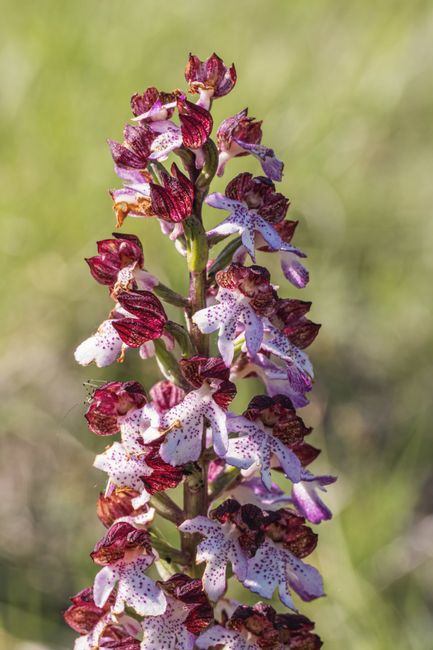






Introduction — Crete’s Wild Orchids: The Ultimate Guide to Hunting Rare, Colorful Species
Crete, Greece’s southernmost island and a climatic crossroads between the Mediterranean and the Near East, boasts spectacular botanical diversity. Among its treasures, wild orchids captivate amateur botanists and nature-loving hikers alike: their shapes, colours and sometimes deceptive pollination strategies make orchid-spotting an immersive experience. This article is a general, informative and detailed guide designed to prepare you for a photographic and naturalist “hunt” for Crete’s orchids while respecting the sites and protected species.
The variety of Cretan habitats — coastal scrub, limestone meadows, oak woodlands and high-altitude remnants in the Psiloritis and Lefka Ori ranges — explains why around thirty orchid species can be observed with relative ease. Some are endemic or rare and occupy very specific spots (limestone grasslands, exposed rocks, damp banks). They appear mainly in spring, sometimes as early as late February at low elevations, and up to late May or even June depending on altitude and winter rainfall. Enthusiasts often organize around specific routes, nature reserves and botanic gardens. This guide lists addresses, opening hours, indicative prices, detailed habitat descriptions and local tips for finding, identifying and respecting these plants.
Before you go, keep two basic rules in mind: most wild orchids in Crete are protected and collecting them is strictly forbidden; responsible observation means photographing and recording, not digging up or handling plants. To maximize your chances, combine early morning walks after rain, altitude-based scouting, and contacts with local guides who know sensitive locations. Crete’s Mediterranean climate brings hot, dry days from May onward: carry water, sun protection, hiking shoes and a hand lens if you want to study floral details.
This guide covers the main places and habitats for orchid-watching, offers practical itineraries with addresses and information centre hours, describes a selection of emblematic species with visual ID tips, and lays out practicalities (transport, possible permits, guided tours and accommodation). It also includes recommendations for conservation and photographer-naturalist ethics. Whether you’re an amateur botanist, a photographer or a curious traveler, this guide will help you plan a respectful and rewarding exploration of Crete’s orchids.
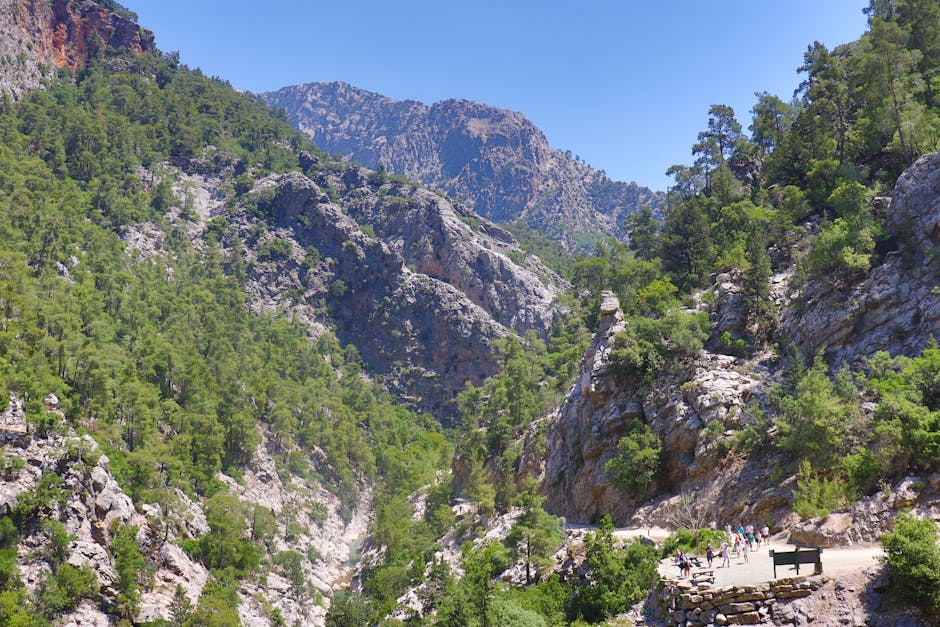
Where and when to look for orchids in Crete — seasons, altitudes and micro-habitats
The prime time to see orchids in Crete runs mainly from February through June. At low elevations (0–300 m), the first species can flower as early as late February following winter rains and rising temperatures. At mid elevations (300–900 m), peak bloom is typically between March and May. In higher mountains (above roughly 900–1,800 m), such as the Psiloritis plateau (Mount Ida) or the slopes of the Lefka Ori (White Mountains), orchids tend to appear later, often in May–June depending on snowmelt.
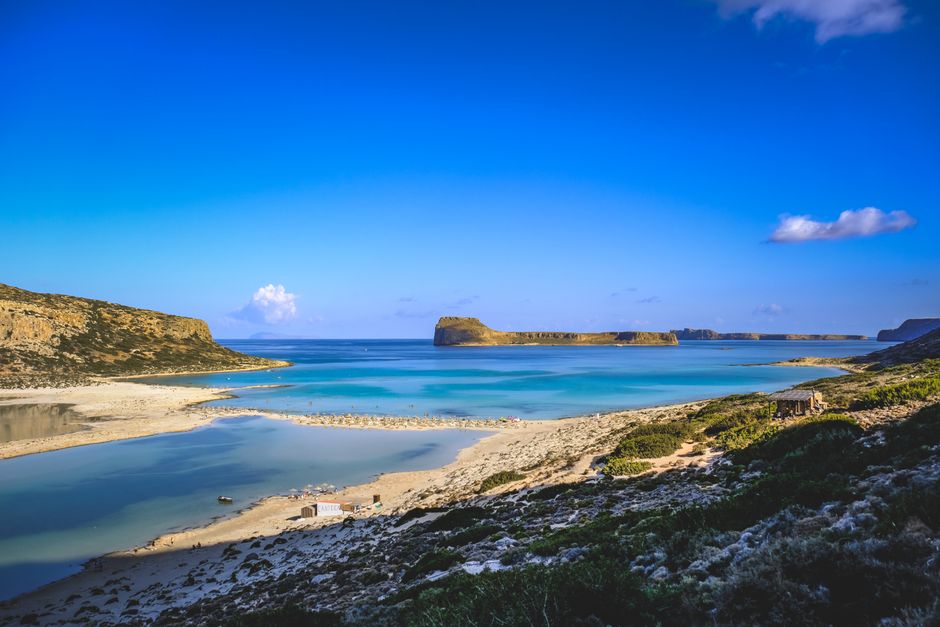
Micro-habitats to target include: dry limestone grasslands rich in herbaceous plants, edges of oak and pine forests, subalpine clearings, moist meadows near springs and streams, as well as exposed rock outcrops and high coastal cliffs. Many orchids favor poor, well-drained soils and avoid nutrient-rich meadows dominated by grasses. The karstic zones of the Lefka Ori massif, the Omalos plateau and gorges like Samaria offer diverse niches: sun-soaked slopes, cool combes and dry stone walls. Along the coast, salt-tolerant species inhabit dunes and coastal grasslands, notably around Elafonisi and Balos.
A few specific places to note for planning:
- Omalos Plateau (Xyloskalo), Omalos 730 11, Chania — the access point for Samaria Gorge. Some spots reach around 1,200 m and are accessible from March–April. Parking at Xyloskalo car park (seasonally free), marked trails. Access hours depend on weather; there’s no fee for the plateau itself, but the national park charges for the descent to Agia Roumeli (see local information).
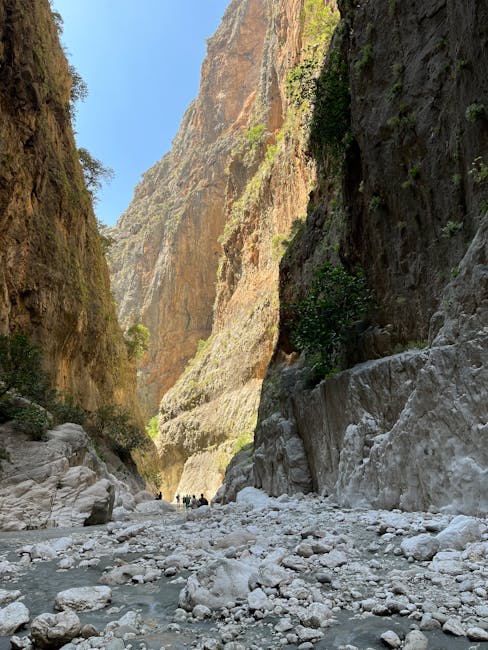
- Samaria Gorge, Xyloskalo, 730 11 Omalos, Chania — Samaria National Park (visit information available at the park entrance kiosk). Indicative entrance fee: €5–10 (varies with season and regulations). Opening hours vary (typically 06:00–17:00 in high season), but check with the Samaria Visitor Center. The limestone slopes and terraces shelter Orchis and Ophrys species in April–May.
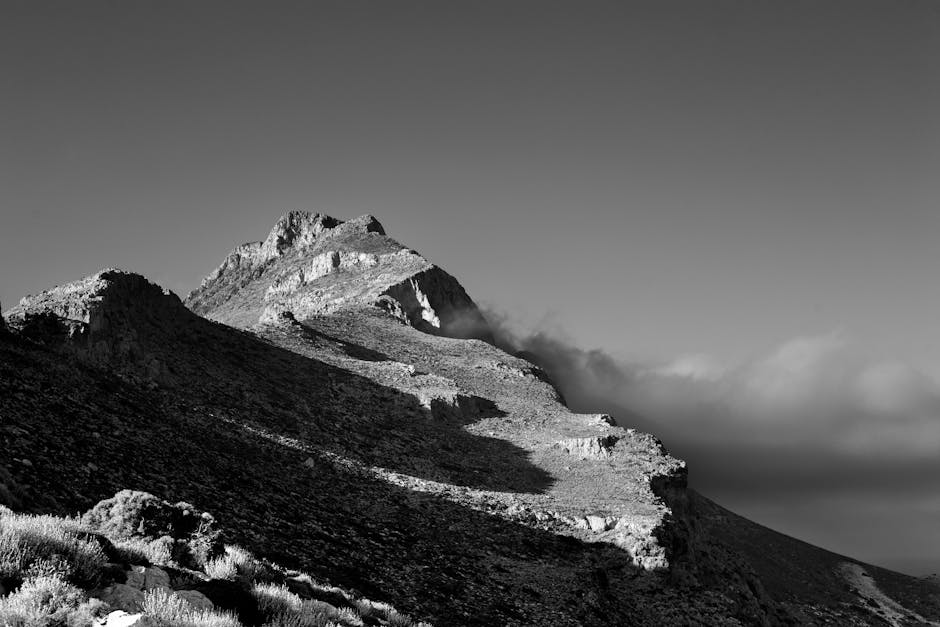
- Psiloritis massif (Mount Ida), Anogia 720 01, Rethymno — trails from Horafakia and the Nida Plateau. High-altitude subalpine meadows bloom in May–June.
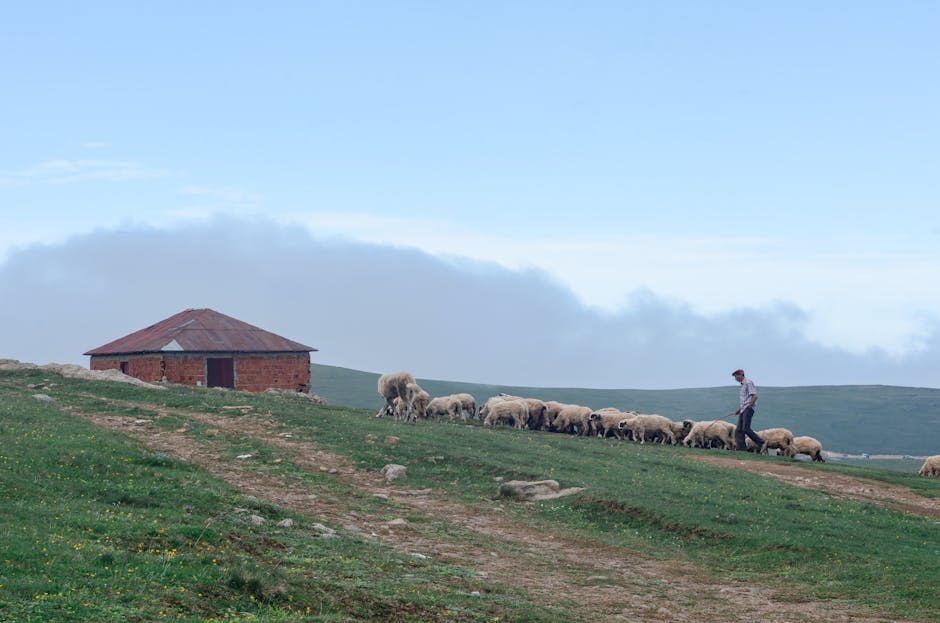
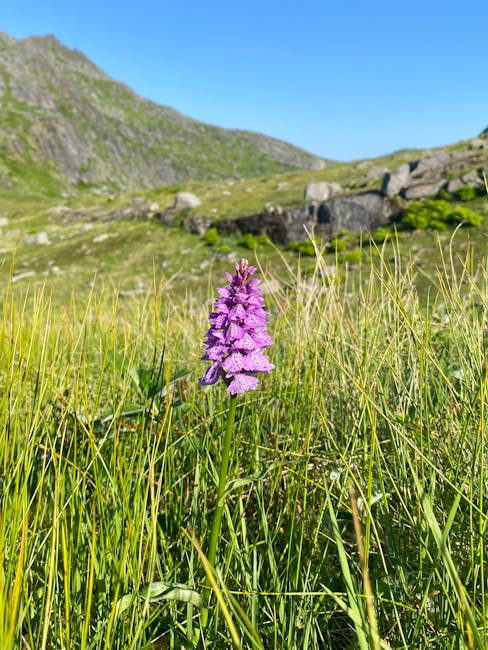
Local tip: head out early in the morning, especially after a rainy night, when flowers are still upright and vividly coloured. Avoid the hottest afternoon hours when many Ophrys species close their flowers or adopt less photogenic postures. Carry a topographic map (IGN-style) or an offline GPS app; mobile networks are unreliable in mountainous areas. Respect farm fences: some orchid-rich pastures are private or used for sheep grazing — always ask permission if you need to cross closed fields.
Main sites and recommended routes for spotting orchids
Crete is large and varied: to make the most of your stay, here are themed routes depending on where you’re based. Each route lists precise spots, approximate addresses for orientation, accessibility and what to look for.
1) Western route — Chania and the Lefka Ori
- Balos Lagoon, Kissamos 734 00, Chania — boat departures from Kissamos port (Kissamos Port, Akti Kountouriotou 1, 734 00 Kissamos). The surrounding limestone hills and coastal cliffs host seaside orchid species. Boat fares: €10–20 depending on season; schedules vary, with morning departures common.
- Elafonisi Beach, Elafonisi 730 11, Kissamos — dunes and salt-tolerant grasslands; best visited early morning or late afternoon. Protected area; seasonal parking fees around €2–5.
- Omalos Plateau and trail to Samaria — see details in the previous section.
2) Central route — Rethymno and Psiloritis
- Nida Plateau (Nida Plateau), 740 53 Anogia, Rethymno — trails from Anogia and the road up to Nida. Subalpine zones with later spring blooms. Park in mountain parking areas; no entry fee but respect alpine regulations.
- Archanes and Byzantine vineyards, Archanes 701 00, Heraklion — low-elevation limestone fields near vineyards. Good for early spring species.
3) Eastern route — Sitia and the Zakros area
- Zakros Gorge (Kato Zakros), 720 01 Sitia — gorges and coastal slopes supporting specialised orchids; combine with archaeological visits. Access via the E75 road; parking at Kato Zakros (free).
Practical info for these sites: budget €8–15 per day for local transport (bus or boat) depending on distance, and €0–10 for small car parks and local park fees. Municipal tourist offices (e.g. Chania Tourist Information, Plateia 1866 2, 731 00 Chania — hours 09:00–17:00 in high season; free) provide maps and trail updates. Always check seasonal schedules for boats and national park services via official sites or local tourist offices before you set out.
Iconic species and ID keys — detailed descriptions
Here’s a selection of representative species you’re likely to encounter in Crete, with morphological descriptions, preferred habitats and tips for field identification. Common names vary, so rely on scientific names to avoid confusion.
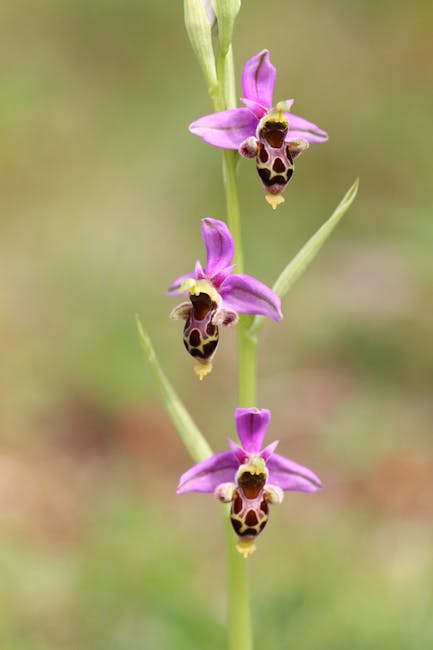
- Ophrys cretica (Cretan Ophrys) — endemic or nearly so, often found on limestone soils and dry grasslands. Mimetic flowers with a dark brown labellum surrounded by colourful sepals (from yellow to pale pink). Height 10–30 cm. Season: March–May. Often seen in groups on exposed hillsides and dry stone walls.
- Orchis italica (Naked Man Orchid) — recognisable by flowers that look like tiny little men, in salmon-pink shades. Height 20–40 cm. Season: March–April. Hosts: poor meadows and roadside verges.
- Ophrys fusca (Dark Ophrys) — usually in low fields and edges, with a dark labellum contrasting pale sepals. Small plant (10–25 cm). Season: March–May. Often found in garrigue at mid elevation.
- Ophrys apifera (Bee Orchid) — a bee-mimicking flower, common on damp grasslands and coastal meadows. Season: April–May. A great species for beginners thanks to its distinctive shape.
- Anacamptis pyramidalis (Pyramidal Orchid) — a conical inflorescence, bright pink to purple, often in limestone grasslands and roadside verges. Height 20–40 cm. Season: April–June.
- Himantoglossum robertianum (Giant Orchid) — a large orchid with a long, twisted labellum; dramatic and hard to miss when present. Habitat: open, sunny areas; late spring. Height up to 70 cm.
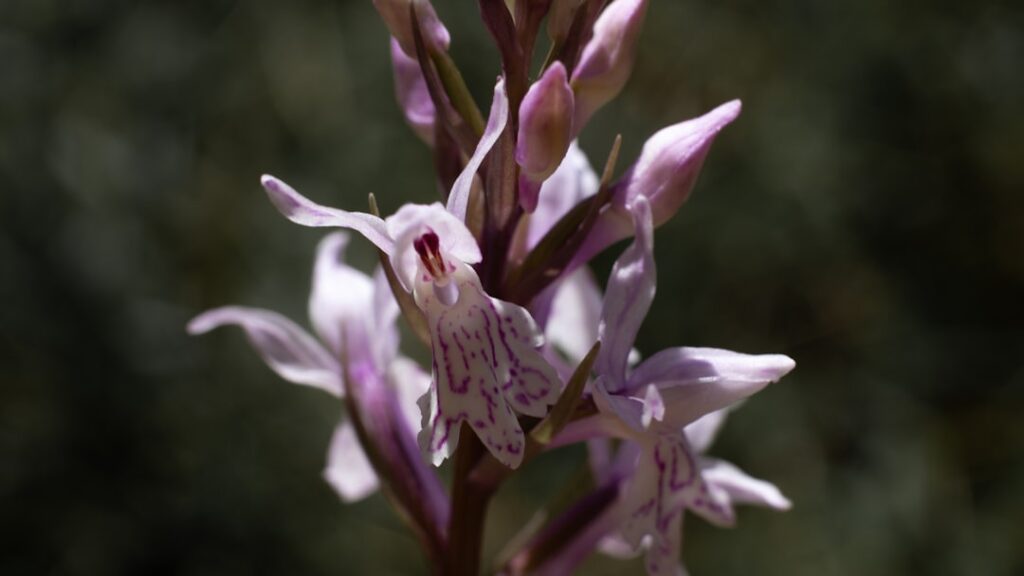
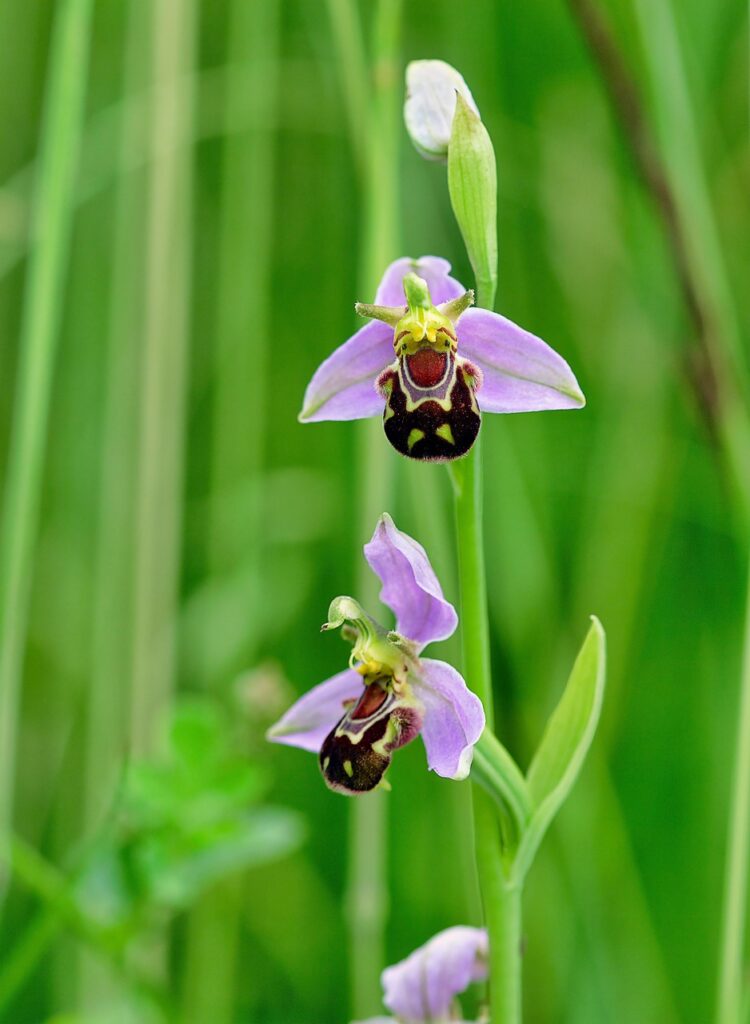
Practical ID tips:
- Study the labellum: size, colour, hairiness and appendages are key characters.
- Note the habitat (limestone vs siliceous, wet vs dry): some species are habitat-specific.
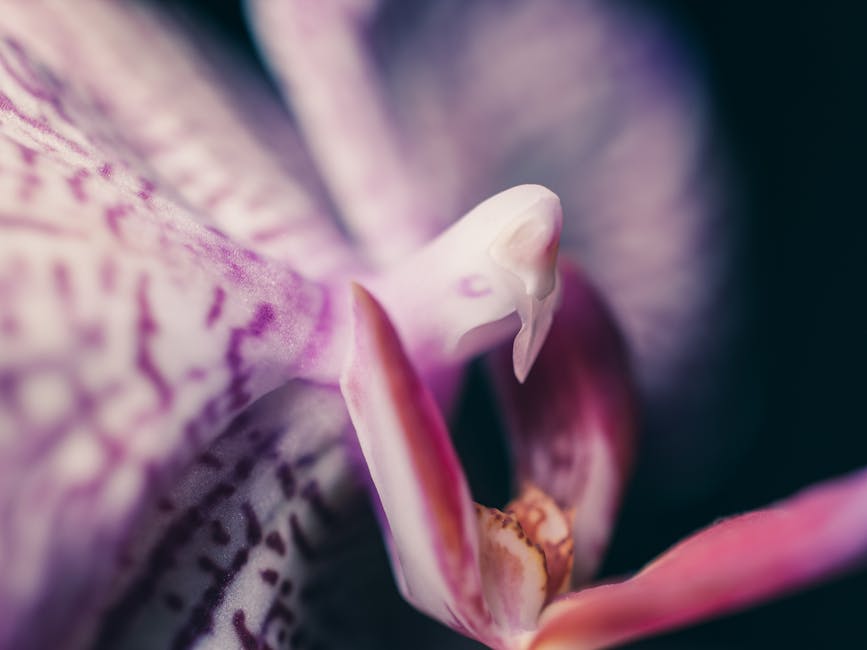
- Use a 10× hand lens to inspect pollinarium details if you photograph up close, without touching the flower.
- Photograph the whole plant, the basal leaves and a close-up of the labellum for later identification.
In the field — guided visits, permits, gear and accommodation
Before setting out to scout orchids, consider local regulations and services. Most Cretan orchids are legally protected and collecting is forbidden. The right approach is to photograph, record the location (GPS), and contact local authorities if you find sensitive populations.
Permits and regulations:
- Collecting: strictly prohibited without permission from the Greek Ministry of the Environment. Picking flowers or uprooting plants can lead to heavy fines (hundreds to thousands of euros, depending on the severity and local laws).
- National parks: some sites (e.g. Samaria National Park) may charge entrance or conservation fees. Indicative prices: Samaria Park €5–10; check at local ticket offices (Xyloskalo trailhead).
Guides and tours:
- Cretan Flora Tours — Booking recommended: guided botanical half-day or full-day tours. Common meeting point: Chania Old Town (Chatzimichali Giannari 43, 731 32 Chania). Rates: €45–80 per person depending on duration. Contact the operator for schedules and custom itineraries.
- Local naturalist guides in Anogia: for expeditions on Psiloritis. Meeting point: Anogia village square, Anogia 740 53, Rethymno. Rates and schedules on request; half-day trips €40–60.
Recommended gear:
- Light, grippy hiking shoes and trekking poles as needed.
- A vest or photo backpack with pockets to protect equipment; sun protection and a hat.
- 10× hand lens, field notebook, GPS or smartphone with offline maps.
- Water (minimum 2 L per person), energy snacks and a basic first-aid kit.
Recommended accommodation for botanists:
- Casa Delfino Hotel & Spa — Chania Old Town: Chatzimichali Giannari 43, 731 32 Chania. Indicative rates: €120–220/night depending on season. Breakfast included; close to car rental desks and tour departures for the Lefka Ori.
- Omalos Mountain Guesthouse: small rural lodging on the Omalos Plateau (local address: Omalos Plateau, 730 11 Omalos, Chania). Rates vary: €40–80/night; ideal for early departures to Samaria.
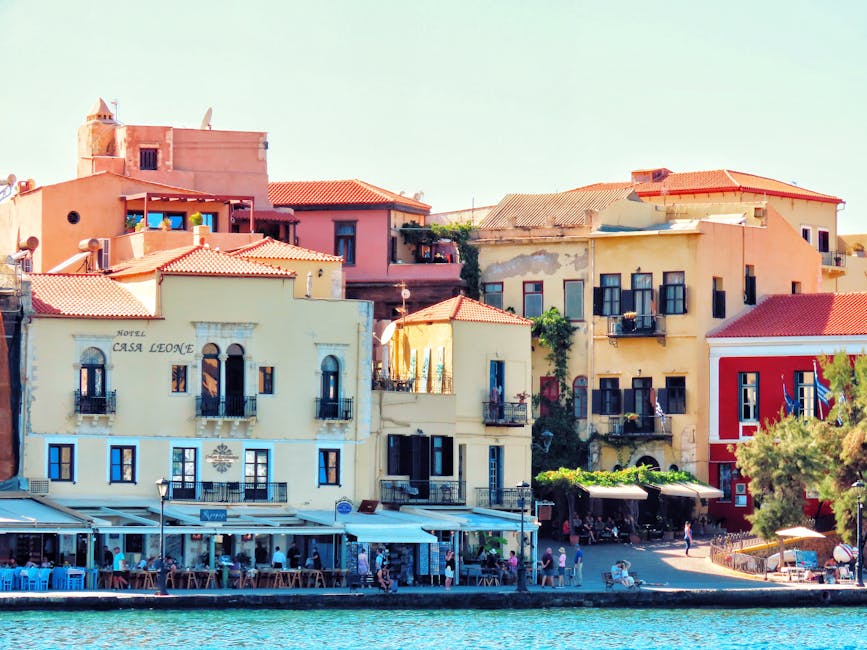
Logistics tip: renting a car is often the most efficient way to reach isolated orchid sites. Secondary roads in Crete can be narrow; choose a compact vehicle. Book mountain accommodation in advance if you travel in peak botanical season (April–May) — these are popular months for hikers.
Conservation, ethics and visitor behaviour
Discovering orchids should go hand in hand with responsible behaviour. Populations are often fragmented and vulnerable to trampling, overgrazing and development. Here are principles and practices to minimise your impact.
Ethical principles:
- Do not pick: most species are protected and removing plants weakens populations long-term.
- Do not disturb pollinators: avoid handling flowers or lingering over plants during active pollination.
- Stay on marked trails: trampling delicate grassland habitats can destroy orchid microhabitats.
- Respect pastures and private property: ask permission if needed, and close gates behind you for livestock.
How to report a notable site:
- Record GPS position, altitude, date and take well-documented photographs.
- Contact local authorities: for example, the Chania Forest Directorate (Forestry Service, 731 35 Chania) to report rare populations — they can advise or organise protection.
- Share observations on scientific platforms (e.g. iNaturalist) and mark site sensitivity if necessary to limit public dissemination of vulnerable locations.
Conservation also relies on education: if you’re travelling with others, explain why picking is harmful and promote the beauty of a photograph over a picked bouquet. Local guides and forest wardens will appreciate your cooperation and can provide more information on ongoing conservation efforts.
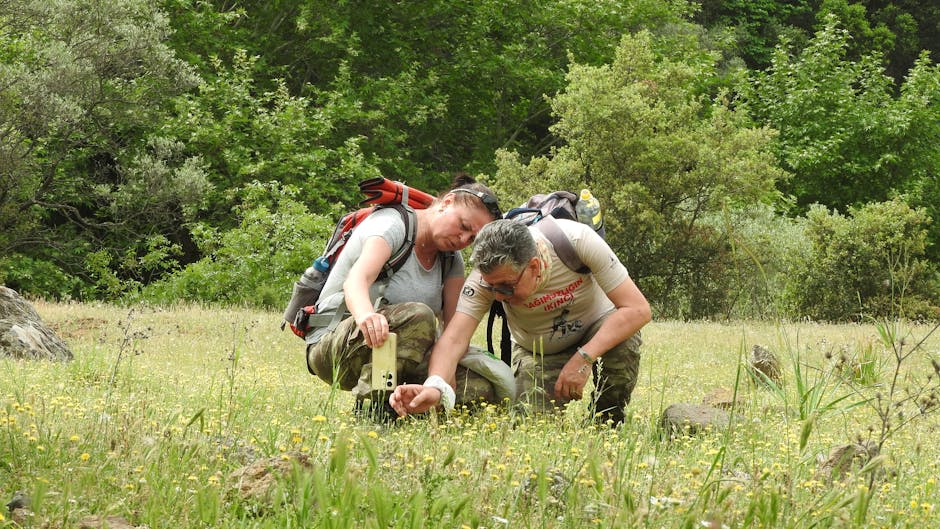
Conclusion — Enjoy Crete’s orchids responsibly
Heading out to find Crete’s wild orchids is both a scientific and an aesthetic adventure: the thrill of discovery comes with the duty to protect and respect habitats. By following the advice in this guide — know the flowering periods, choose the right routes (Lefka Ori, Psiloritis, gorges and coasts), equip yourself properly and respect local rules — you’ll improve your chances of seeing rare, photogenic species without jeopardising their survival.
Plan your outings by checking with local tourist offices (e.g. Chania Tourist Information, Plateia 1866 2, 731 00 Chania; usually open 09:00–17:00 in high season), book experienced naturalist guides if you want a deeper approach (indicative rates €40–80 depending on duration), and pick accommodation that allows early departures (Casa Delfino in Chania or guesthouses on the Omalos Plateau). Respect collection rules (strictly forbidden), consider grazing and private land, and contribute to conservation by reporting notable populations to the competent authorities.
Remember that Crete offers much more than orchids: spectacular landscapes, cultural heritage, delicious food and warm local hospitality will enrich your trip. Approach each sighting with curiosity and humility: a photographed orchid left in place will bring the same wonder to future generations of respectful visitors. Happy botanical hikes and colorful discoveries on the island of Crete!