





Introduction — Organic wines of Crete: tasting nature by the glass
Crete is more than golden beaches and ancient ruins: it’s a wine land with millennia of history where tradition meets innovation. In recent decades, a strong shift toward organic viticulture has taken root — literally — on limestone soils, terraced slopes and hillsides exposed to the Meltemi wind. Cretan winemakers have embraced native varieties like Vidiano, Liatiko, Kotsifali and Dafni, while adopting sustainable practices: minimal tillage, biodiversity preservation, hand-harvesting, native yeasts and limited winery interventions. The result is often wines that feel more expressive, cleaner and deeply tied to their terroir — just what you want for a Cretan summer when you’re after freshness, originality and authenticity.
This guide is designed for summer: it lists where to taste organic wines in Crete — at cellars, estates or specialist wine bars — and gives practical info to plan your visits: exact addresses, typical opening hours, price ranges for tastings and bottles, plus local tips to make the most of each stop. Whether you’re based in Heraklion, Chania, Rethymnon, Sitia or in the island’s inland villages, you’ll find spots offering tasting routes for enthusiasts and newcomers alike. Many producers open their doors during the high season: some by appointment, others run regular tastings, vineyard tours and food pairings featuring local products (olive oil, goat cheeses, dakos).
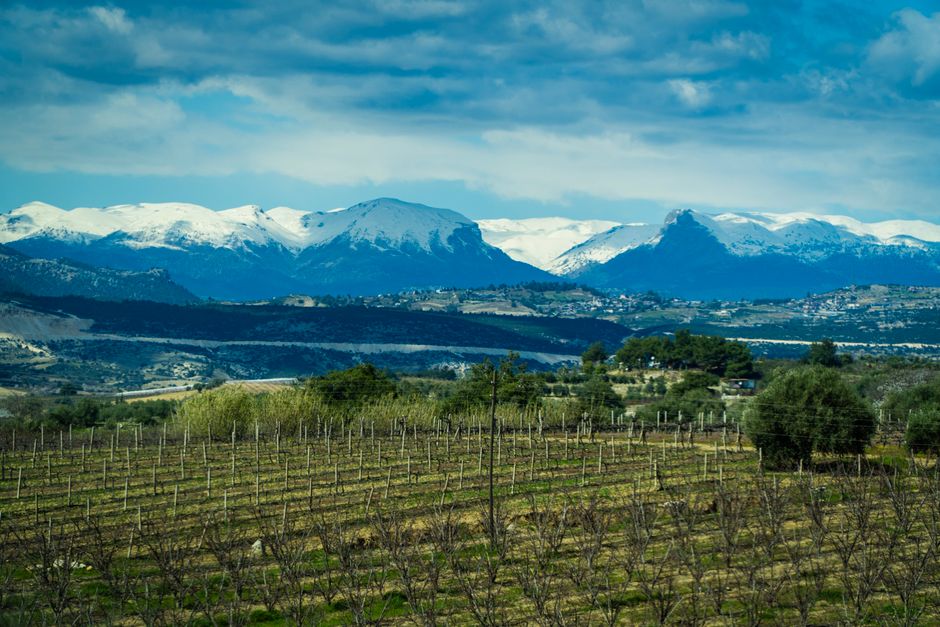
Tasting organic wines in Crete is also about immersing yourself in the landscape: stone terraces, olive groves, sea views or the white mountains (Lefka Ori). It’s about listening to the winemaker explain their approach, feeling the sea breeze sharpening the acidity of a local white, or watching the slow ripening that yields those spicy reds. Prices remain very reasonable compared with other European wine regions, and summer is ideal for shaded terraces, sunset visits and outdoor wine events.
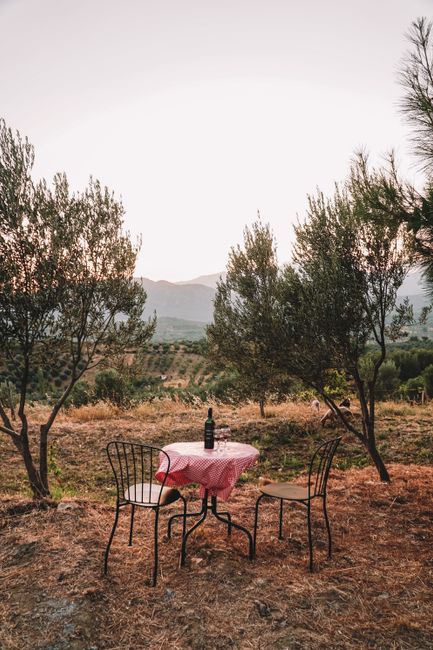
In the sections below I outline representative places in Crete’s organic wine movement — from long-established estates to small family-run operations — with addresses, typical hours and indicative prices, plus practical tips for visits: how to book, what to ask for, which bottles to prioritize depending on your taste, and how to pair wines with Cretan cuisine. The visual markers  inserted throughout will help you imagine the places and plan picture-perfect stops. Bring a notebook, a water bottle and sturdy shoes: Crete’s wine route is meant to be savored slowly, in the shade of a fig tree or beside a stone cellar.
1. Central‑east vineyards: around Heraklion — Peza, Dafnes and Venerato
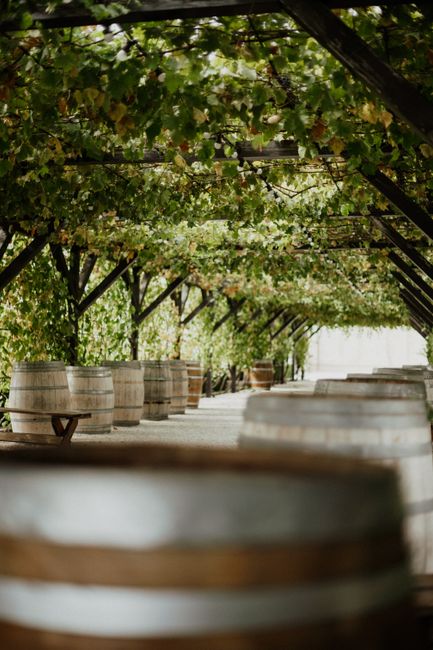
The central area around Heraklion includes some of the most accessible organic producers for visitors staying near the capital. The Peza plateau and the villages of Dafnes and Venerato are traditional wine zones, and many estates have turned to organic farming to showcase local varieties.
Douloufakis Winery
Address: 1 Douloufaki Street, Dafnes, 70100 Heraklion, Crete.
Hours: tours and tastings by appointment daily between 10:00 and 18:00 (high season); walk-in tastings sometimes available 11:00–15:00.
Price: standard tasting 3 wines = €12 per person; premium tasting 5 wines = €20; bottles in cellar €12–28 depending on the cuvée.
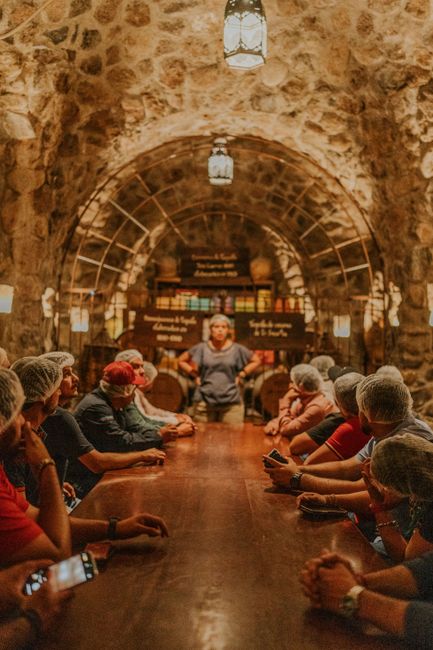
Description: A family-run estate for generations, Douloufakis farms most plots organically and offers blended Kotsifali reds and fresh Vidiano whites. The cellar is built from local stone and the terrace often overlooks the hills — a perfect setting for dakos and sheep’s cheese pairings. Tours include explanations about sustainable vineyard management, frequently led by a family member.
Paterianakis Winery
Address: Venerato, Municipality of Maleviziou, 71500 Heraklion, Crete.
Hours: tastings without appointment 10:00–17:00 (May–Sept); guided tours by reservation the rest of the year.
Price: 4-wine organic flight €15; food-and-wine pairings €25 per person (by reservation); bottles €10–35.
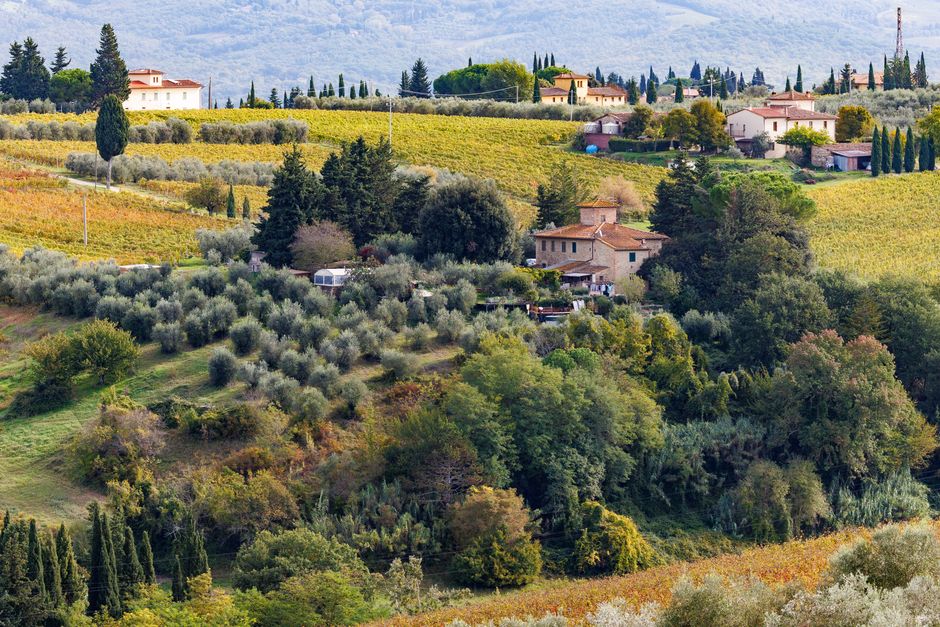
Description: Paterianakis is known for championing local varieties and organic practices. The estate offers shaded tasting areas and sometimes holds summer evenings with local music. The whites tend to be mineral-driven and the reds show soft tannins — great with a modern moussaka or a plate of grilled vegetables.
Boutari – Peza Estate
Address: Peza, 70100 Heraklion, Crete (Peza plateau, access from the Heraklion–Mires national road).
Hours: cellar open 10:00–18:00, guided tastings at 11:00 and 16:00; closed some holidays off‑season.
Price: classic tasting 3 wines €10; full tasting 6 wines €22; bottles €8–40.
Description: Although Boutari is a historic Greek house, its Peza estate highlights environmentally conscious practices and includes organically farmed cuvées. The hospitality is professional, with technical sheets and English translations — handy for international visitors.
Practical tips for the central‑east: book ahead in summer, especially for premium tastings and food pairings. Renting a car or joining an organized tour from Heraklion is recommended: public transport is limited. Bring a light jacket for evening tastings and always ask if the wines are certified organic (label or certificate available at the cellar).
2. Eastern vineyards: Sitia and the east coast
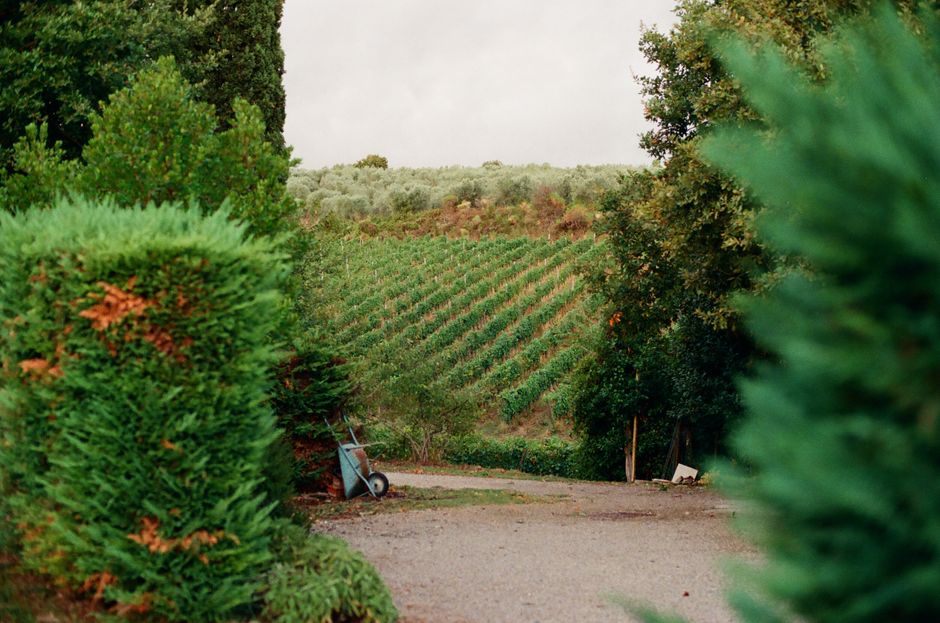
The wild east of Crete hosts estates that make the most of dry microclimates and varied soils. The Sitia area, with its more continental climate influenced by the Libyan Sea, produces dry whites and more concentrated reds, often in small quantities and with a strong local identity.
Dourakis Winery
Address: Kazantzakis Street 2, Sitia, 72300, Crete.
Hours: tours and tastings by reservation; guided visits 09:30–17:30 in summer (May–Oct).
Price: discovery tasting 3 wines = €10; full tasting 6 wines = €22; visit + tasting + local platter = €30 per person; bottles €15–45 depending on vintage.
Description: Dourakis (or Dourakis Family Winery on some signage) is rooted in eastern traditions. The wines, often organic or in conversion, reveal citrus and spice on the whites and garrigue notes on the reds. The estate occasionally runs participatory harvests and sunset dinners — a memorable summer experience.
Manousakis Winery (Eastern branches)
Address: Sitia area tasting room — check the local address in Sitia town center, 72300 Sitia, Crete (seasonal tasting room near the harbor).
Hours: tasting room typically open 11:00–20:00 in summer; main cellar by appointment.
Price: simple tasting €12; bottles €12–30.
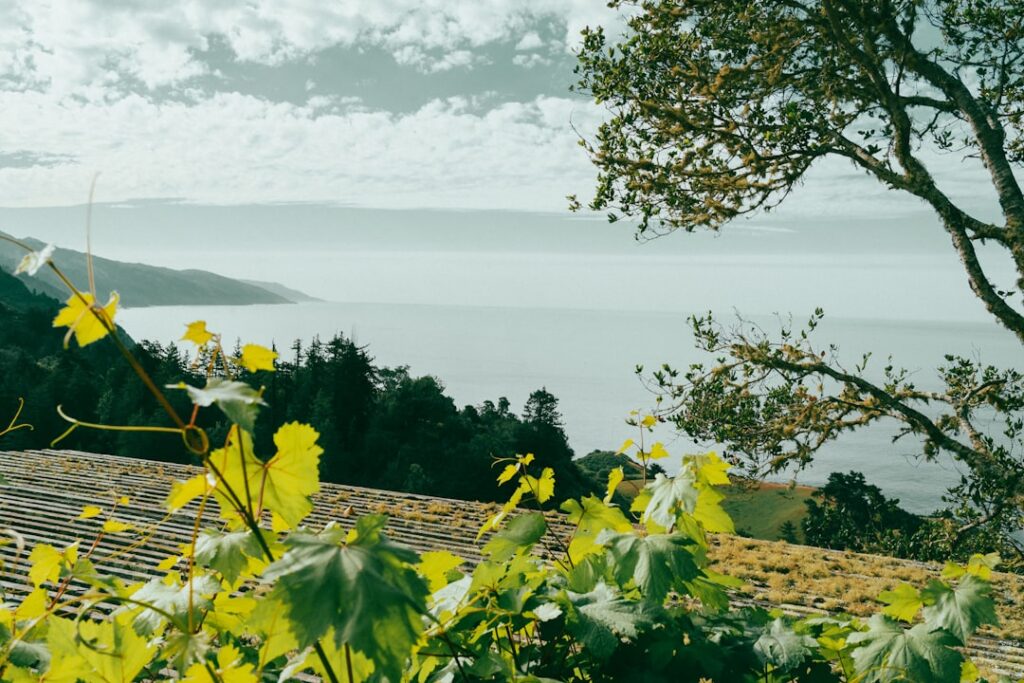
Description: Manousakis, better known for its western facilities, sometimes partners with hosts in the east and runs tasting points in Sitia during the summer to reach visiting tourists. The biodynamic/organic wines highlighted follow the seasons and local pairings.
Local tips for the east: the area is more remote — allow extra travel time and double‑check opening hours before you go. In summer, aim for late‑afternoon tastings to beat the heat and enjoy the light. Consider pairing your tasting with a sample of local olive oil — often produced with complementary organic methods.
3. Western Crete and Chania: Manousakis, Korres and small family estates
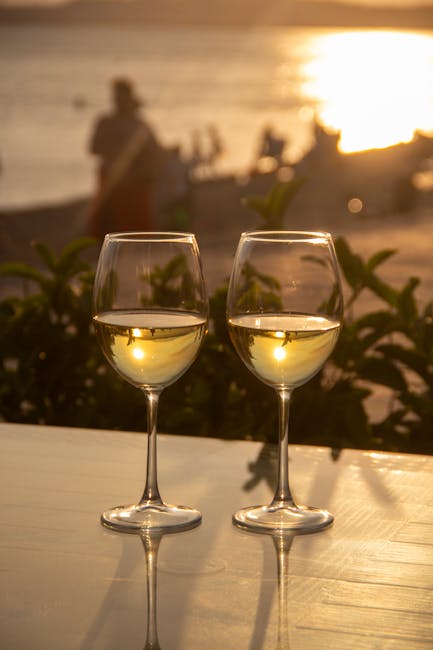
The western side of Crete, around Chania and the Akrotiri peninsula, offers another side of the island: smaller estates and a lively wine‑bar scene perfect for urban tastings. The more mountainous terrain and maritime influences produce wines that are often fresh and aromatic — ideal for summer drinking.
Manousakis Winery
Address: Kolymbari, Municipality of Platanias, 730 14 Chania, Crete.
Hours: cellar open with guided tours 10:00–17:00; seasonal tasting room 11:00–20:00 (check summer times).
Price: discovery tasting 3 wines €10; premium tasting 5 wines €20; bottles €11–35.
Description: Located in the west, Manousakis is known for environmentally minded cuvées and welcoming tourism facilities. The stone cellar and terrace with hill views make for a perfect summer afternoon: the whites often show floral aromas while some reds — made from local blends — retain lovely freshness.
Samonas / Small family estates around Vamos
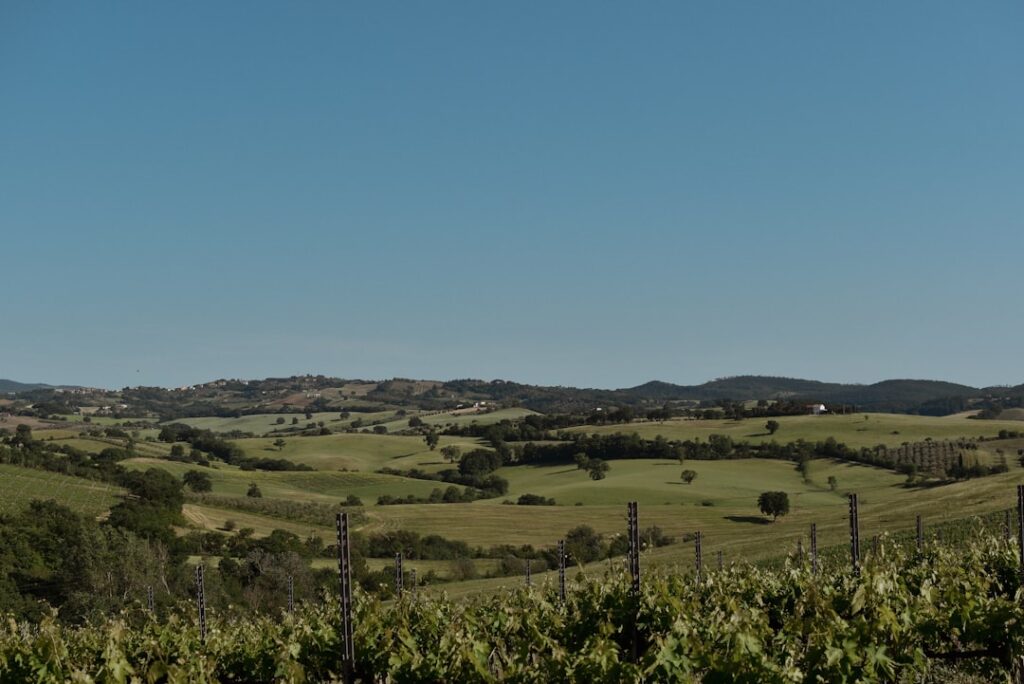
Address: small estates around Vamos and Apokoronas, Chania region (addresses vary — visits by appointment recommended).
Hours: most receive visitors by appointment, typically 10:00–18:00 in high season.
Price: tastings €8–20; bottles €10–30.
Description: The west is full of small family operations producing organically or in conversion. These estates often host tastings in restored homes, serve local platters (cheeses, cured meats, honey) and share the family story behind the vineyard. The experience is intimate, often conducted in Greek and English, and very authentic.
Practical tips for the west: pair a vineyard visit with a hike in the White Mountains or a beach day. Local producers enjoy curious visitors who ask questions — learn about vineyard techniques and, if possible, buy a bottle at the estate: cellar prices are often lower than tourist shops.
4. Wine bars and organic wine shops in town: where to taste without going far
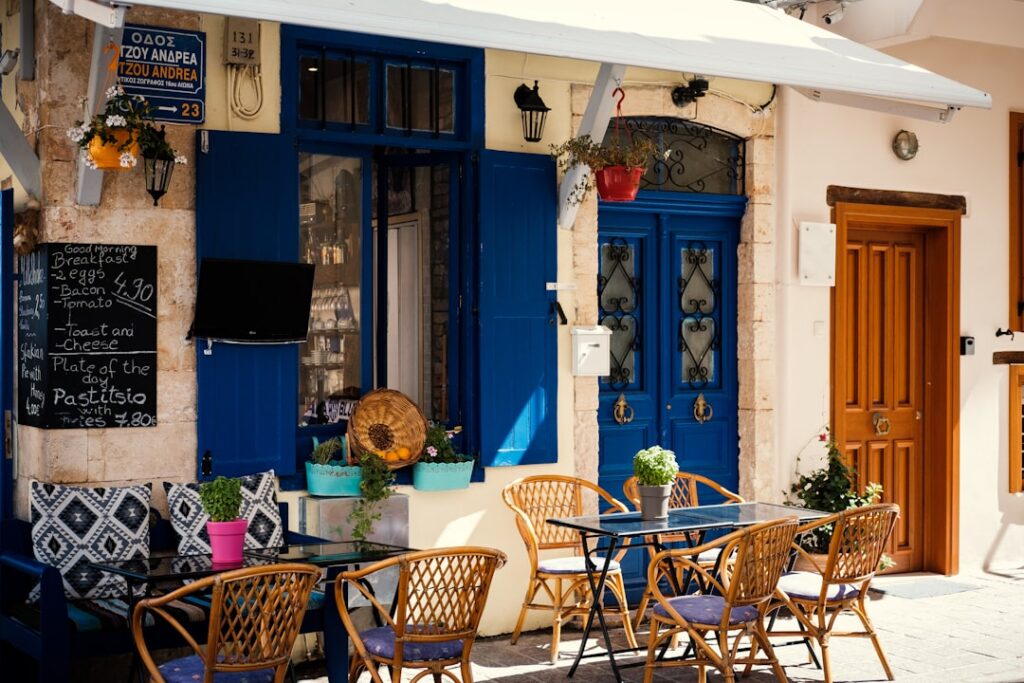
If you prefer to stay in town or don’t have a car, Crete’s larger cities host wine bars and wine shops specialized in local organic production. These spots are great for an urban tasting, learning to identify Cretan varieties and buying bottles to take home.
Wine Bar « Horta & Wine » — Heraklion
Address: 12 25th August Street, Heraklion 71202, Crete (city center, near the port).
Hours: daily 12:00–23:30 (high season), later evenings on Fridays and Saturdays.
Price: glasses of organic wine €5–8; meze boards €8–15; bottles from €12.
Description: A small modern wine bar showcasing a curated selection of Cretan organic and natural wines. Staff are often bilingual and offer themed flights (by variety or terroir). Perfect for an evening after the archaeological museum or before dinner in town.
Wine shop « Chania Organic Cellar » — Chania Old Town
Address: Skoufon Street 5, Chania 731 00, Crete (near the Old Venetian Port).
Hours: 10:00–22:00 in season, closed some Sundays off‑season.
Price: on-site tastings €3–10 depending on number of wines; bottles €10–50.
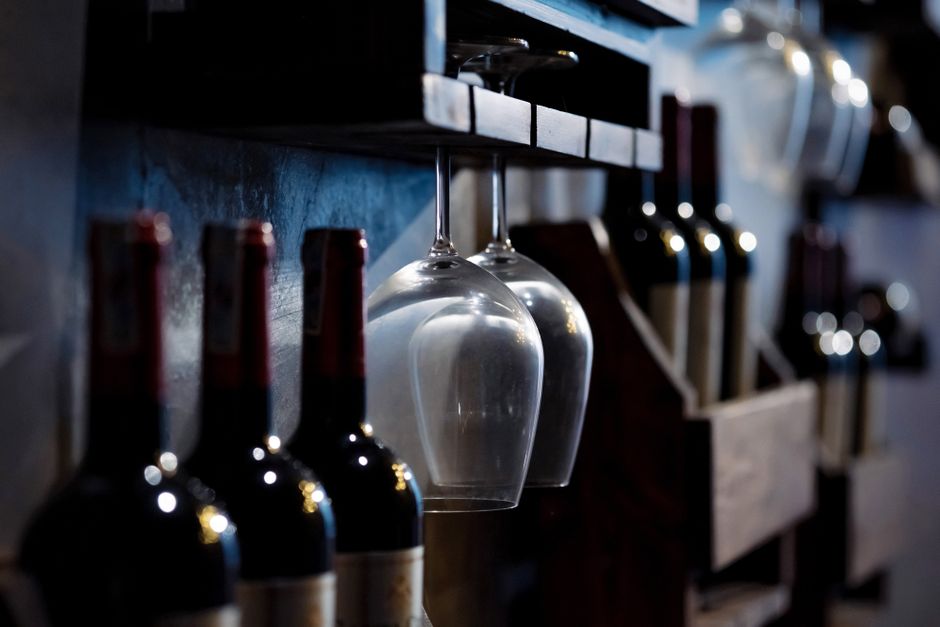
Description: A tasting shop in the heart of the old town, specialized in organic wines and artisanal products. The store offers personalized advice and can arrange private tastings by reservation — ideal for a focused introduction to Cretan wines.
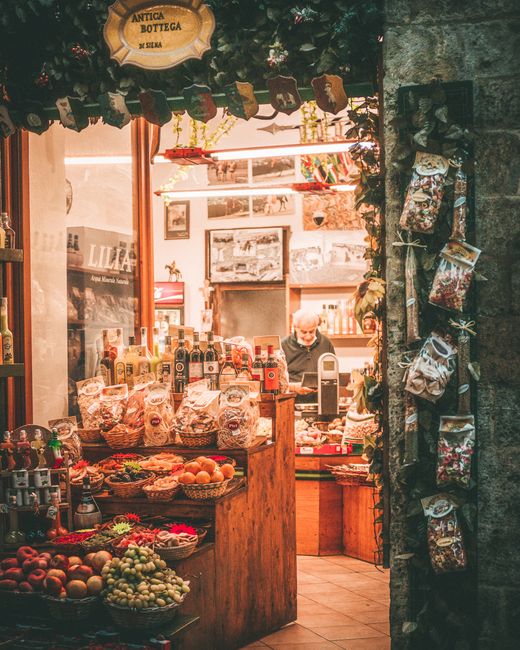
Tips for bars and wine shops: always ask whether the wines are certified organic or « in conversion, » and if you’re looking for wines without added sulphites, say so. Servers appreciate specific questions: “Which fresh Vidiano would you recommend with grilled fish?” is a great conversation starter. Also watch local social media for tasting nights — in summer these events are frequent and let you try a wide range without traveling far.
5. Practical tips, routes and summer pairings
Planning your organic wine circuit in Crete takes a bit of preparation but lots of curiosity. Here are concrete tips to help you get the most out of your summer tastings.
- Booking: In high season (July–August) book at least 48 hours ahead for cellar visits and food pairings. Many estates host visitors by appointment only, especially the smaller family places.
- Transport: Renting a car is the most flexible option. Roads between villages can be narrow — choose a compact car. Also consider organized tours from Heraklion and Chania if you don’t drive.
- Price and budget: Expect to pay €8–25 per person for a standard tasting. Organic bottles typically range from €10 to €45, depending on estate and vintage. Buy at the cellar — you’ll often find good deals and cuvées not exported.
- Hours: Estates frequently open in the morning (10:00–12:30) and reopen in the afternoon (16:00–18:00) to avoid the midday heat. City wine bars and shops have longer hours, often until 22:00–23:00.
- Summer pairings: – Light whites, Vidiano and local Assyrtiko: pair beautifully with grilled fish, salads and cold mezzes. – Rosés: perfect on a terrace at dusk with dakos and ripe tomatoes. – Light reds (Kotsifali, Liatiko): best slightly chilled (14–16 °C) with roasted dishes, eggplant and white meats.
- Local know‑how: Ask the winemaker about the variety’s history and their vineyard philosophy. Many will share advice on cellaring and opportunities to buy directly.
- Summer events: Wine festivals and night markets run from June to September in several villages — a great way to sample many producers in one evening.
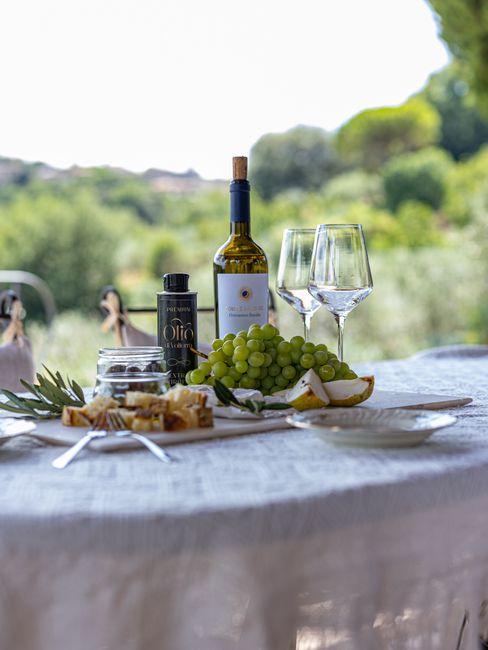
Conclusion — Why choose organic wines in Crete this summer
Choosing to taste organic wines in Crete this summer is choosing a sensory and cultural immersion. Organic wines often reflect terroir more clearly: coastal salinity, hillside minerality, Mediterranean heat and the cool mountain nights. They fit naturally with environmental respect — soil preservation, controlled water use and maintaining traditional agricultural practices — which pairs perfectly with Cretan life centered on local cuisine and seafood.
Beyond the glass, organic wine tourism in Crete offers authentic encounters: winemakers explaining why they converted to organic, families opening their cellars and serving cheese and olive oil platters, and small villages where you can enjoy a sunset after a tasting. Prices stay accessible, and the variety of styles — from dry mineral whites to spicy reds and lively rosés — ensures there’s something for every palate.
To make the most of your trip: schedule a few visits in advance, mix established estates with small producers, book a food‑and‑wine pairing and leave free time to wander between appointments. Bring bottles home to extend the experience — Cretan flavors often make more sense with traditional bread and local olive oil. Lastly, respect local hours and customs: most estates prefer daytime visits and may close during the afternoon siesta off‑season.
All in all, this summer in Crete is a chance to rediscover wine at its roots: organic, grounded and convivial. Whether you choose a terrace in Peza, a sea view in Sitia or a lively wine bar in Chania’s old town, you’ll leave with new flavors, authentic bottles and memories of human connection. Cheers — or, as the Cretans say, stin ygeia!