





Introduction — Why a snorkeling trip around Crete is worth every minute
Crete, the largest Greek island, blends wild mountains, traditional villages and a coastline teeming with marine life. For sea lovers, snorkeling quickly becomes a must-do: crystal-clear waters, rich coastal biodiversity and dramatic underwater features — reefs, drop-offs and caves — deliver immersive experiences you don’t need a scuba license to enjoy. This guide is your complete resource for planning and enjoying snorkeling trips around Crete: where to go, how to gear up, which operators to contact, safety considerations and local tips that you won’t always find in standard tourist guides.
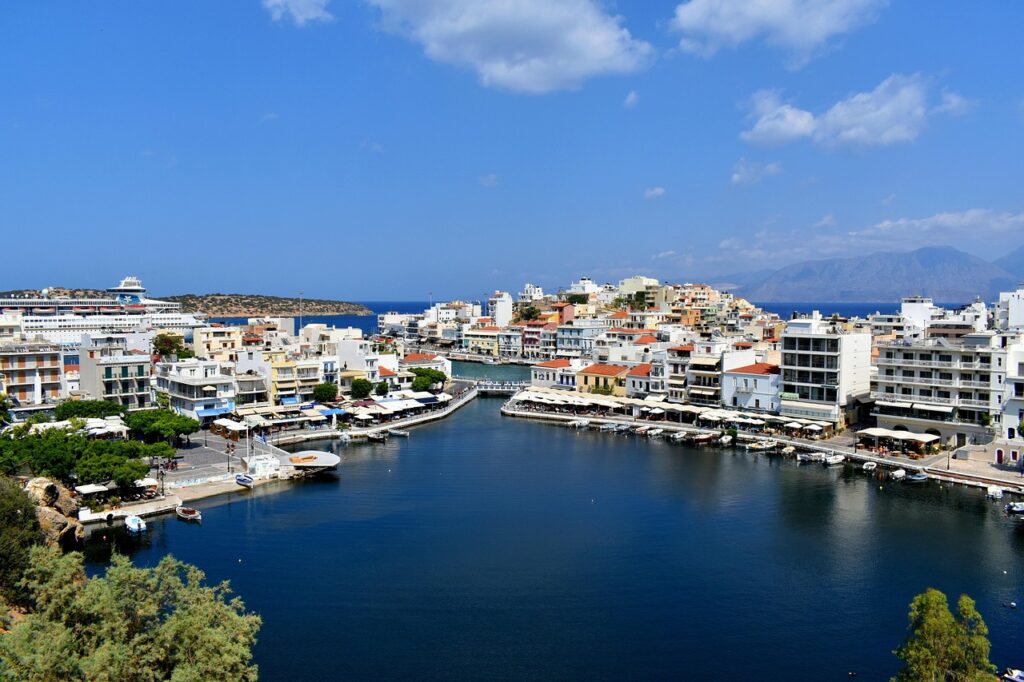
The aim here is twofold: to provide concrete, detailed itineraries (exact place names, addresses or precise directions, typical schedules, prices in euros) and to give sensory descriptions so you know what to expect. Snorkeling in Crete varies by coast (north, south, west, east). The west — around the Gramvousa peninsula and Balos lagoon — is famous for turquoise waters and seagrass beds; the south, near Matala and Kommos, hides spectacular sea caves; the north, close to Heraklion and Agios Nikolaos, features sheltered sites and easy boat trips.
This guide includes practical facts: boat trip prices (€20–€70), equipment rental rates (€5–€15 for mask/snorkel/fins per day), typical departure times (morning 08:30–10:00, afternoon 13:00–15:00), exact locations or administrative addresses (municipality, port, GPS parking) and safety recommendations (local tides, currents, signage). The sections below cover the best snorkeling spots, recommended operators and routes, the geology and natural history of reefs and caves, plus handy tips to get the most out of your excursion.
Finally, local advice — when to go (best seasons), how to avoid crowds, how to respect the ecosystem (seagrass, protected species) — will help you enjoy a responsible, sustainable experience. Whether you’re an occasional swimmer or a seasoned sea-lover, this guide gives clear, practical information so your underwater exploration in Crete is safe, comfortable and unforgettable.
Top snorkeling sites around Crete — detailed descriptions and practical info
Crete has dozens of snorkeling spots, but some stand out for water clarity, marine life density, accessibility and striking geological features (caves, arches, walls). Below are five must-see sites, each with directions, practical hours, typical prices and an immersive description.
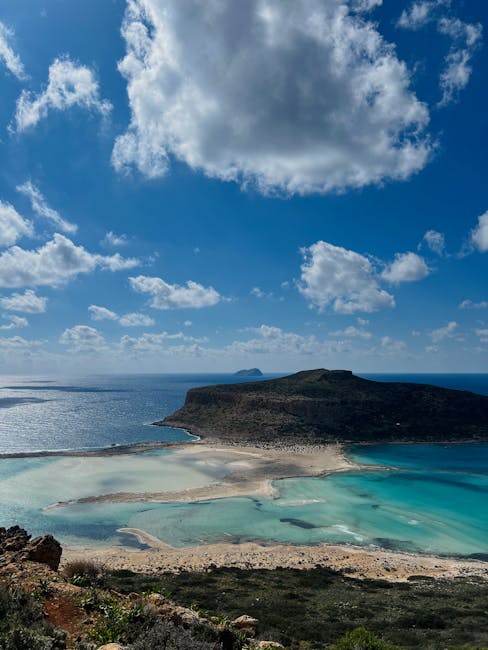
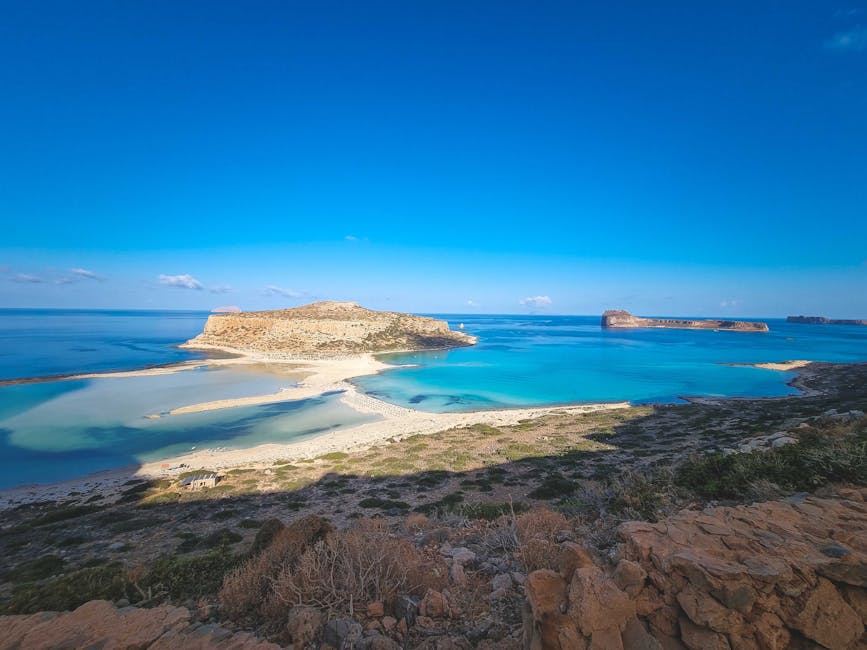
1. Lagoon of Balos & Island of Gramvousa
Address / departure point: Kissamos Port (Limenas Kissamou), Kissamos, Chania 734 00 — embarkations from Kissamos Harbour (port GPS: 35.5289, 23.6427). Road access: Chania–Kissamos national road (E65). Parking: Kissamos Port, public quay, free or paid parking depending on the season.
Typical hours and prices: boat departures between 08:30 and 14:00; trip duration 4–6 hours. Price range: €25–€40 per person for a standard boat excursion (equipment not usually included). Mask/snorkel rental: €6–€12. Operators: local fishing boats & tourist catamarans (book ahead in high season).
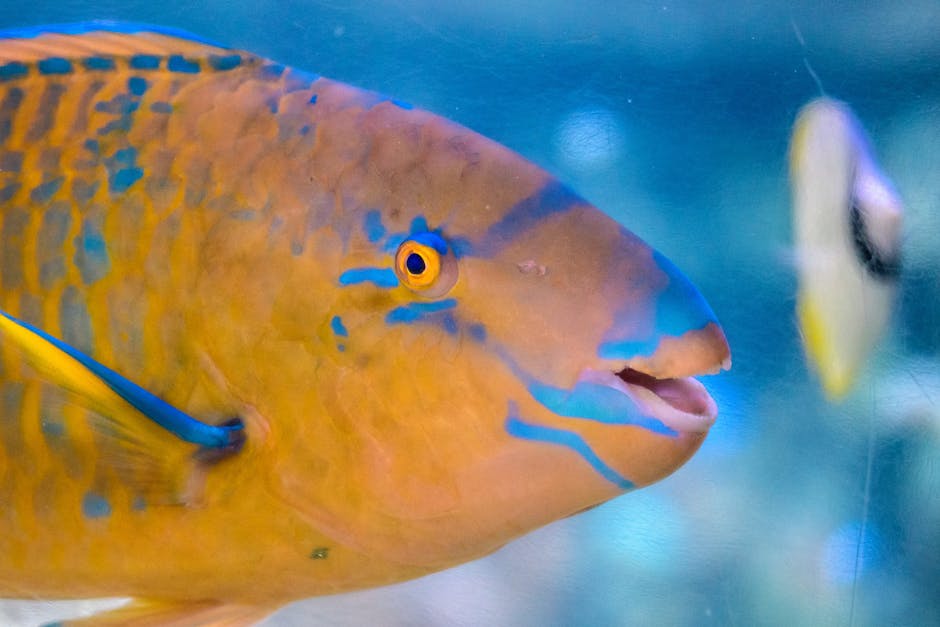
Immersive description: Balos is famous for its milky turquoise waters and white sandbanks. The reef around Gramvousa island has shallow areas (1–4 m) perfect for spotting parrotfish, small groupers and wide seagrass meadows. Coastal caves and small arches on Gramvousa, often topped by seabirds, create spectacular light effects while snorkeling. Note: some areas are protected and fragile; avoid stepping on seagrass and touching the wildlife.
2. Elafonisi Beach & shallow reefs
Address / departure point: Elafonisi, Kissamos, Chania 730 11 — official Elafonisi parking (parking GPS: 35.2673, 23.5522). Road access: main road Chania–Elafonisi via Voukolies, about 75–80 km from central Chania.
Typical hours and prices: the beach is open 24/7 (natural site). Organized tours usually leave early morning between 07:30 and 09:00; mini-bus + guide trips cost €18–€35. Mask/snorkel rental on site: €5–€10.
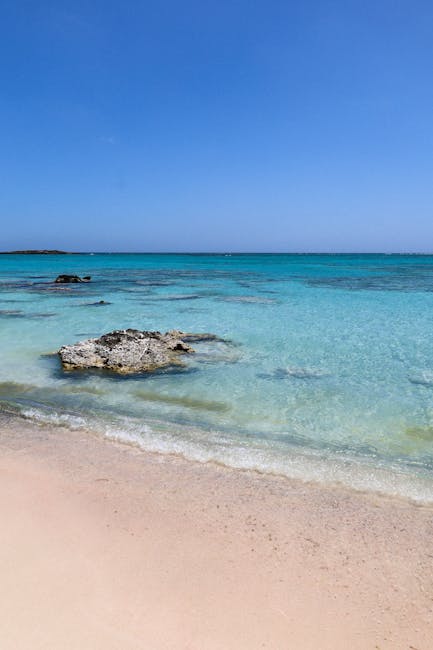
Immersive description: Elafonisi is known for its pink-tinged sand and shallow waters. Snorkeling areas are on the lagoon edges, around small rocky reefs and seagrass beds. The water is often calm — ideal for families and beginners. Species you might see include nudibranchs, blennies, small morays hiding under rocks and schools of picarel. The contrast between pink sand and clear blue water creates an almost unreal atmosphere.
3. Seitan Limania & Akrotiri coves
Address / departure point: Seitan Limania, Akrotiri peninsula, Chania 731 00 — access via the road from Chania to Stavros, then a walk from the parking area (parking GPS: 35.5410, 24.1590). Warning: the descent to the cove is steep and undeveloped.
Hours and prices: natural site accessible year-round. Local boat trips from Chania port: morning and afternoon departures; typical boat price €30–€45 (snorkeling included). Kayak rental to explore caves: €20–€30 for 2 hours.
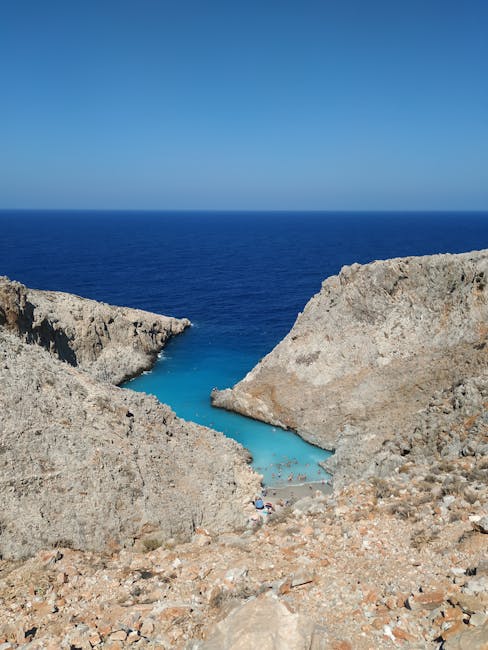
Immersive description: Seitan Limania is a narrow cove with deep blue water framed by cliffs. It’s best suited to confident snorkelers because the depth drops quickly and currents can change. Marine caves and arches beneath the cliffs shelter groupers, schools of jackfish and sometimes octopuses. Sunlight streaming through clear water creates beams of light that make underwater exploration feel magical.
4. Matala Caves & Kommos Bay
Address / departure point: Matala Beach, Matala, Gortyn Municipality, Heraklion 702 00 (central Matala parking, GPS: 35.1024, 24.7376). Kommos lies 3–4 km to the west; access via the coastal road.
Hours and prices: public beaches open during the day; local snorkeling trips in summer depart at 09:00 and 15:00, boat prices €25–€40; mask/snorkel rental in the village €5–€10.
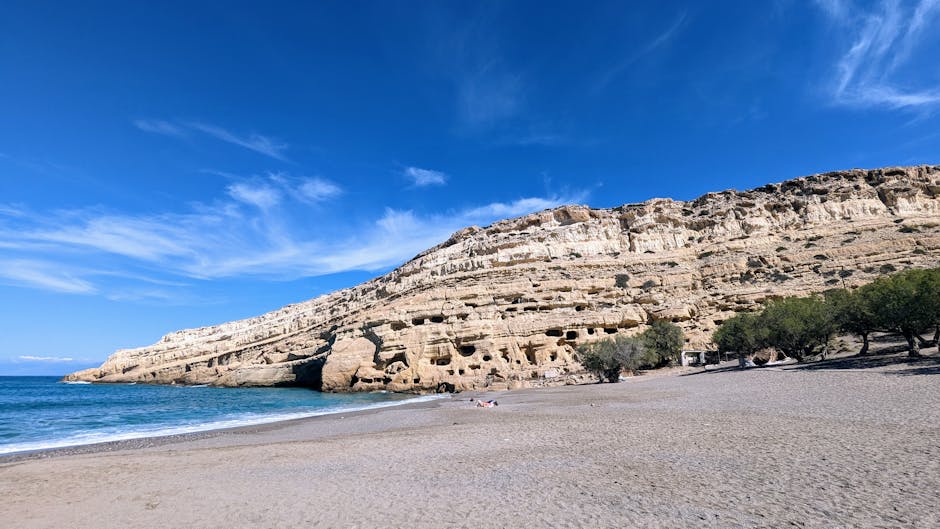
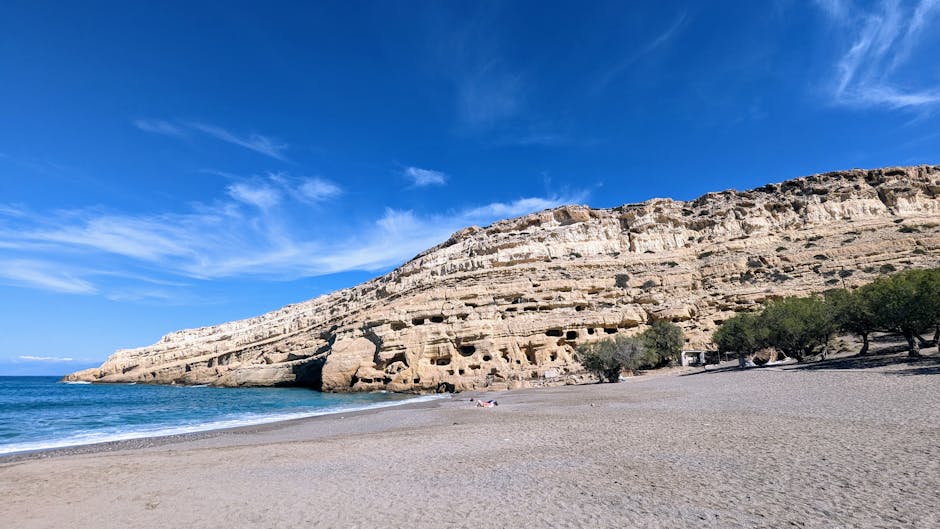
Immersive description: Matala is famous for caves carved into the cliff — cavities visible from the beach and reachable by boat. Underwater, the topography continues into shallow caverns and tunnels, ideal for exploration. Kommos, just west, has rocky patches and a shallow reef teeming with small fish and seagrass. These spots combine beach time, history (Roman-era caves and Neolithic use) and marine life for a culturally rich snorkeling experience.
5. Falassarna coastal reefs
Address / departure point: Falassarna Beach (Kolymbari-Falassarna), Platanias, Chania 730 14 — large beach-side parking (parking GPS: 35.3659, 23.6848).
Hours and prices: beach open freely; snorkeling boat trips depart in the morning 08:30–10:00; prices €20–€35. Equipment rental: €5–€12.
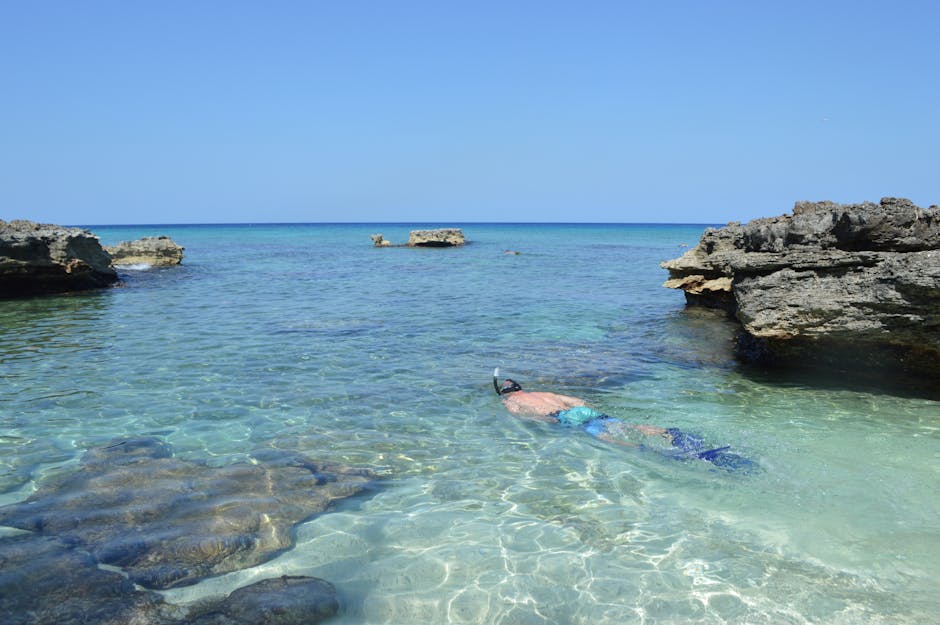
Immersive description: Falassarna has long stretches of golden sand with rocky fringes perfect for observation. Nearby reefs and alternating sandy bottoms create diverse habitats: gorgonians, reef fish, starfish and occasionally small rays. At low tide explore coastal lagoons; at high tide follow the shimmering fish schools in the deeper patches.
Planning your trip — local operators, equipment, prices and schedules
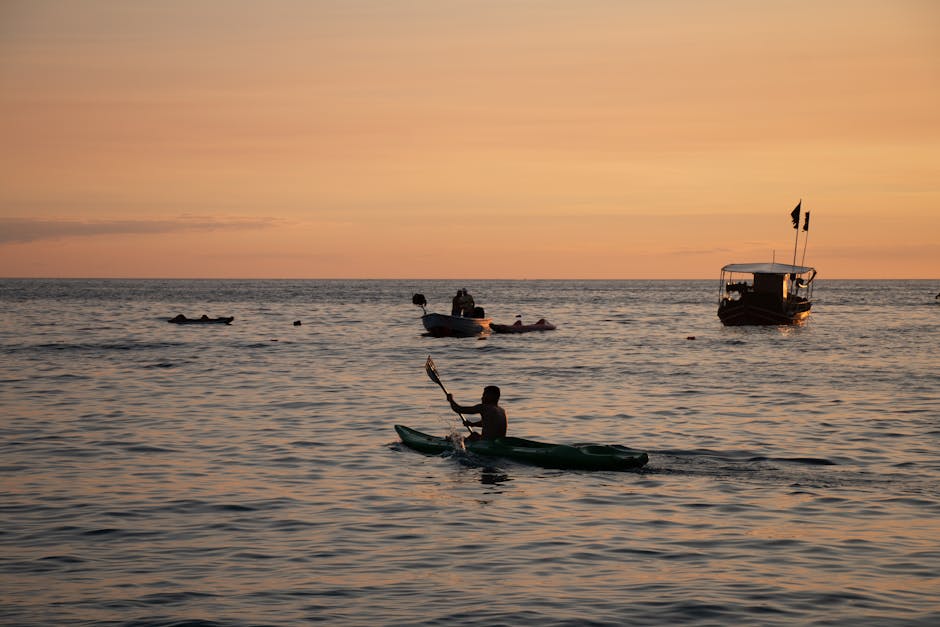
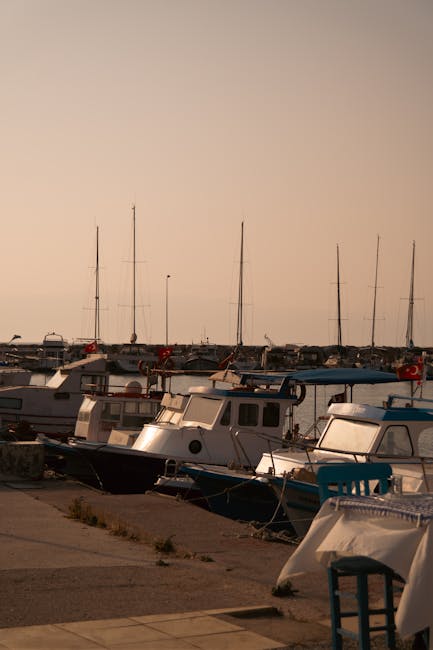
Organizing a snorkeling outing in Crete can be done in many ways: organized boat trips, private boat hire, kayak + self-guided snorkeling, or through dive centers that run guided snorkeling sessions. Below is a list of representative operators, with addresses, hours and indicative prices to help you plan.
- Chania Sea Tours — Office: Chania Old Harbour, Halidon Street 1, Chania 731 00. Hours: reception 08:00–19:00 (July–August), low season 09:00–17:00. Balos/Gramvousa trips: €30–€45 per person, departures 08:30 and 11:00. Snorkel rental: €7.
- Kissamos Boat Trips — Port of Kissamos, Kissamos Harbour, Kissamos, Chania 734 00. Hours: 07:30–18:00. Shared boat trip: €25–€35, premium catamaran €50–€70 (including meal). Snorkeling equipment available on request.
- Matala Sea Kayak & Tours — Matala Village center (near Matala Beach), Matala, Heraklion 702 00. Hours: 09:00–18:00. Kayak + snorkel half-day €35 (includes guide & basic equipment).
- Hersonissos Diving & Snorkeling Centre — 2rd Martiron 14, Hersonissos, Heraklion 700 14. Hours: 08:30–20:00. Snorkeling trips to reefs €35, full dives €65. Equipment rental €10/day for mask+snorkel+fins.
Practical booking tips: in high season (July–August) book at least 48–72 hours in advance; early departures usually mean calmer seas and better visibility; check whether the trip includes insurance, life jackets and an English-speaking guide. If you choose kayak + snorkel, prefer an early morning start (08:00–09:00) to avoid the thermal winds that can stir the sea in the afternoon.
Underwater geology and biodiversity — understanding reefs and caves around Crete
Crete’s coastline geology is shaped by limestone rocks, sea cliffs and submerged rocky platforms. Marine caves often form in softer limestone layers dissolved by seawater and currents. These cavities create special habitats: shaded zones that favor certain invertebrates (sponges, gorgonians), corridors for pelagic fish and niches for predators (groupers, large seabreams).
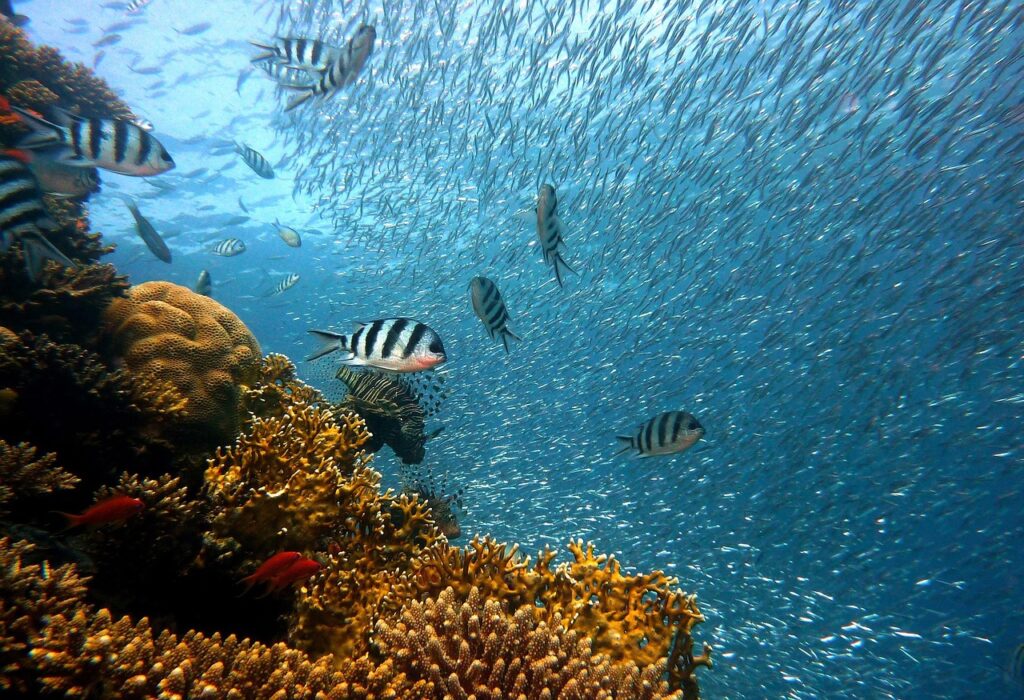
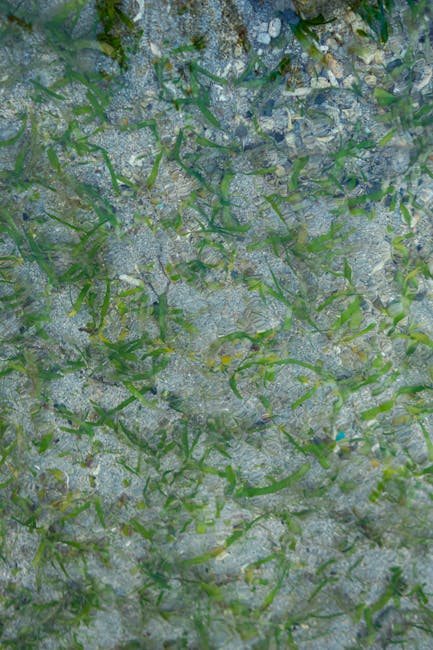
Coastal reefs in Crete aren’t tropical coral reefs — you’ll often find rocky outcrops covered in algae and sponges, as well as extensive seagrass meadows (Posidonia oceanica). Posidonia is a Mediterranean endemic seagrass, essential for water quality and the reproduction of many fish. These meadows stabilize sediment and act as nurseries: you’ll often spot juveniles, gobies and syngnathids (including seahorses in some protected zones).
Common species to look for: mullets, picarel, damselfish, small morays tucked in rock cracks, octopuses (Octopus vulgaris) in caves, and sometimes groupers (Epinephelus marginatus) in protected areas. Macro-photography fans will love the nudibranchs and the shrimp species that cling to gorgonians.
Conservation and rules: some coastal zones are marine reserves (protected areas) and prohibit anchoring on seagrass or collecting organisms. Respect local regulations: don’t anchor on meadows, avoid touching wildlife, and if you see signs reading “Protected Area / Natura 2000,” follow the instructions. This protects the ecosystem and ensures these sites are around for future visitors.
Practical tips and safety — gear, weather, seasons and local tricks
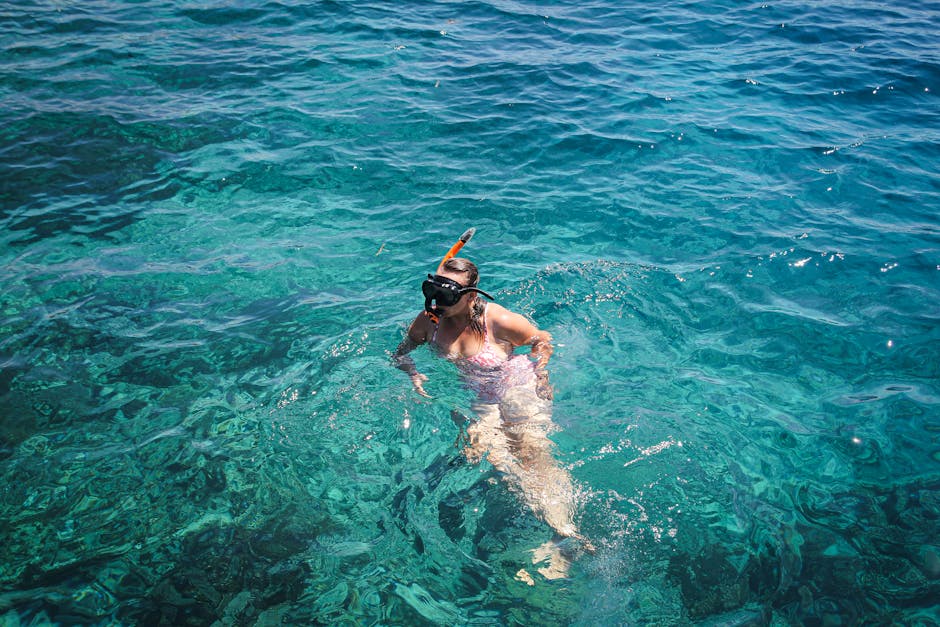
Best season: the prime snorkeling season in Crete runs from April to October. June, September and early July often offer the best mix: warm sea (22–26 °C), excellent visibility and fewer crowds than peak August. In July–August expect more boats, crowded beaches and higher prices.
Recommended gear: a good quality anti-fog mask, snorkel, fins (medium length for maneuverability), a Lycra suit or shorty (especially in spring/autumn), and a buoyancy vest if you’re not a strong swimmer. Rental prices: mask+snorkel €5–€10/day, fins €5–€8, wetsuit €7–€15 depending on thickness.
Sea safety: 1) Check local weather conditions (Meteo Greece, Meteo Crete, port bulletins). 2) Don’t snorkel alone — go with a buddy or group. 3) Tell someone on land your route and expected return time. 4) Watch for boats: wear a brightly colored flotation device and, if possible, a surface marker buoy to signal your presence. 5) Currents: some coves (Seitan Limania, exposed parts of Falassarna) can have strong currents; don’t venture far if you lack experience.
Transport and logistics: driving in Crete is the most flexible way to reach secluded beaches. Car rental agencies operate at Heraklion and Chania airports (average rates €25–€60/day depending on season and insurance). Many sites have free or paid parking. For Balos/Gramvousa prefer the boat from Kissamos if you want to avoid rough gravel tracks.
Local etiquette and tips: 1) Bring water and a snack — most coves have limited shade. 2) Respect local fishers — don’t touch nets or remove anything. 3) Use biodegradable sunscreen (helps preserve marine life). 4) Favor trips with local guides: their knowledge of currents and hidden spots improves safety and sightings.
Sample day itineraries and recommended excursions
To make the most of your time and see multiple spots, here are three full-day itineraries suited to different travelers (families, adventurers, photographers).
Family itinerary — Balos + Gramvousa from Kissamos
Departure: 08:30 from Port of Kissamos, Kissamos Harbour, Kissamos, Chania 734 00. Duration: 5–6 hours. Price: €25–€40 pp (boat trip). Description: short sail to the Balos lagoon with a snorkeling stop near shallow sandbanks; free time on Balos beach for swimming; visit to the fortified Gramvousa island (short climb). Perks: calm, shallow waters suitable for children; Lycra suits usually enough.
Adventure itinerary — Seitan Limania + Akrotiri caves
Departure: 09:00 from Chania Old Harbor, Halidon Street 1, Chania 731 00. Duration: 4–5 hours. Price: €30–€50 pp depending on navigation. Description: boat runs along the Akrotiri peninsula with multiple stops to enter small marine caves and to explore Seitan Limania. Suited to strong swimmers; bring water shoes for steep descents/ascents.
Photographer itinerary — Matala caves + Kommos bay
Departure: 08:30 from Matala Beach parking (GPS 35.1024, 24.7376). Duration: half-day to full day. Price: kayak + snorkel half-day €35; snorkeling boat €25–€40. Description: morning light is perfect for shooting the caves and cliffs, with clear water and rock formations offering contrast and macro subjects (nudibranchs, shrimps).
Conclusion — Enjoy Crete beneath the surface, responsibly
Snorkeling around Crete is an accessible, spectacular gateway to a rich marine world, where reefs, caves and seagrass beds tell the island’s geological story and host remarkable Mediterranean biodiversity. Whether you seek the calm of Balos’ turquoise lagoon, the thrill of a sea cave at Seitan Limania, or the historic-natural vibe of Matala, the variety of sites makes Crete ideal for all levels.
To get the most from these experiences: book trips ahead in high season, choose suitable gear and rent from reputable operators (Chania Sea Tours, Kissamos Boat Trips, Matala Sea Kayak). Respect local rules and the ecosystem (don’t touch seagrass, don’t anchor on meadows, take your rubbish with you). Opt for morning departures for the best visibility and to avoid afternoon winds.
Remember that underwater discovery is as much about observation as humility: leave the sea as you found it, take photos instead of souvenirs and share best practices. Local guides and fishers hold valuable knowledge about currents, hidden caves and the best times to visit — talk to them, respect local customs and support marine protection initiatives. That way these exceptional places will stay preserved for future generations.
Happy surface dives — may your snorkel catch the clarity of Cretan waters, your eyes meet colorful schools and your trips create lasting, respectful memories of this unique environment.