




Introduction: Crete’s wetlands — refuges for aquatic wildlife
Crete, Greece’s largest island, isn’t just about sunbaked coasts, dramatic gorges and arid mountains. It also hides an essential network of wetlands — lakes, coastal ponds, river mouths and lagoons — that are vital for the aquatic biodiversity of the eastern Mediterranean. These habitats support fish, amphibians, aquatic insects and, above all, migratory and breeding birds: herons, spoonbills, ducks and shorebirds find food, rest and breeding sites here.
This article is a practical, immersive guide to Crete’s wetlands: where to go, how to visit, which species you might spot, what infrastructure exists (visitor centres, trails, boat options), plus local tips to minimize your impact while getting the most out of wildlife watching. You’ll find precise addresses, indicative opening hours, price ranges and seasonal recommendations. The guide is aimed at birdwatching enthusiasts and wildlife photographers, families looking for easy walks, and ecotourism professionals alike.
Crete’s wetlands have international importance: they filter water, store carbon, protect coasts and reduce erosion, while providing ecological corridors for wildlife. But these habitats are vulnerable — urban pressure, drainage for agriculture, poorly managed tourism and invasive species threaten their integrity. Local knowledge, conservation actions and responsible visitor behaviour are therefore crucial. This guide highlights accessible destinations with practical details (visitor centre hours, boat rental rates, postal contacts) and concrete advice (best times for viewing, camera gear, conduct rules to avoid disturbing wildlife).
Finally, expect vivid descriptions as you read on: the smell of reeds after rain, the gentle lap of a boat on a morning lake, the mass flight of shorebirds at sunset, and the furtive silhouettes of frogs and small fish. The following sections describe four emblematic and complementary wetland types — a freshwater lake, river deltas, coastal lagoons and coastal inlets — each with practical information to plan your visit and help protect these aquatic havens.
1. Lake Kournas — Crete’s largest freshwater lake
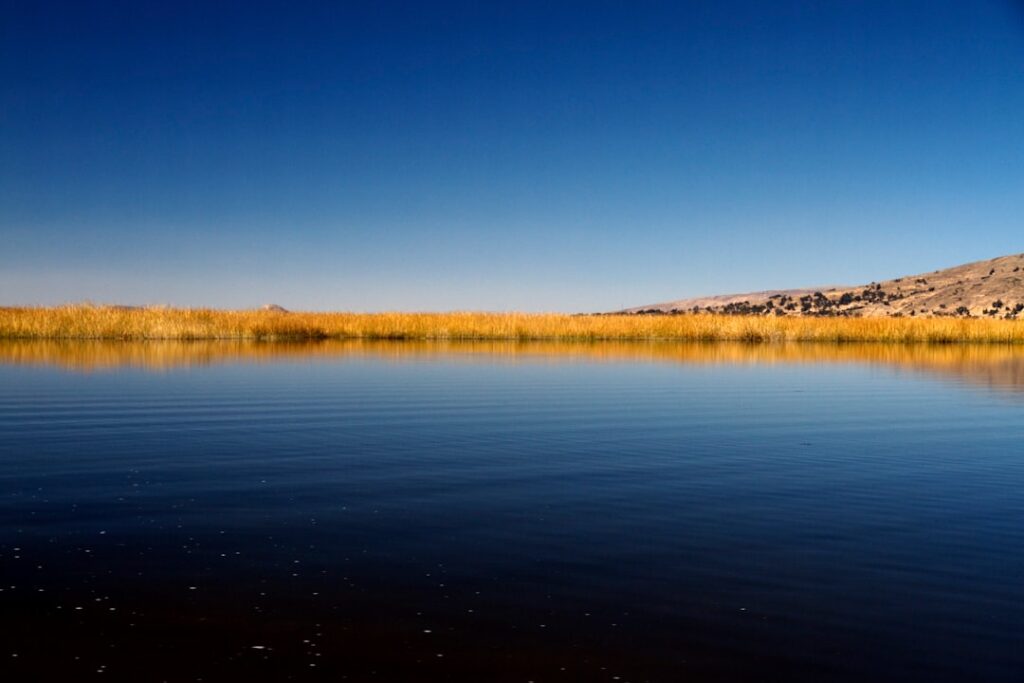
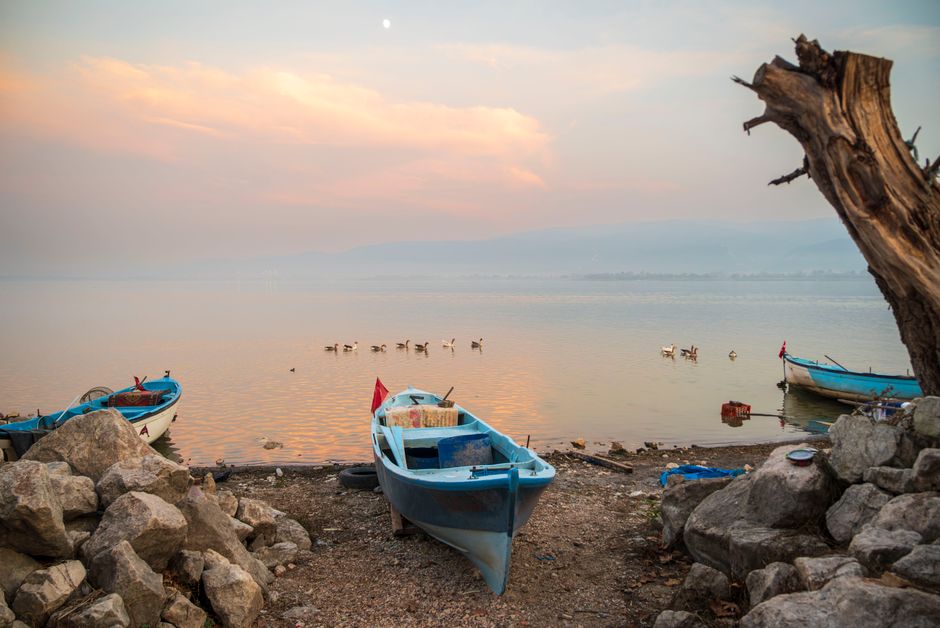
Description and highlights: Lake Kournas, locally known as Lake Kournas (Λίμνη Κουρνά), is Crete’s only permanent freshwater lake and one of the island’s most visited wetland sites. Located northwest of Chania prefecture, near the village of Kournas, it offers a peaceful setting framed by maquis-covered hills and largely undeveloped shores. It’s a prime spot to see ducks (Mallard, Anas platyrhynchos), insectivorous birds, local amphibians such as the Cretan frog (Pelophylax cretensis), and plenty of dragonflies around the reedbeds.
Address: Lake Kournas, Kournas, Apokoronas, Chania 730 08, Crete, Greece.
Hours and prices: Access to the lake area is free. Paid activities include pedal boat and kayak rentals:
- Pedal boat rental: around €10–15 for 30 minutes, €15–25 per hour depending on season (higher in July–August).
- Single kayak rental: €12–20 per hour.
- Guided canoe trips: €20–40 per person for 2 hours (book locally).
Cafés and tavernas along the lakeshore are usually open from 08:00 to 22:00 in season. Off-season some places close in the afternoons.
Getting there and parking: The lake is about 36 km east of the city of Chania and 5 km inland from the Georgioupolis coast. Free parking is available along the road or in a small lot near the main taverna. Note: parking is limited in peak season (July–August) — aim to arrive early morning or later in the afternoon.
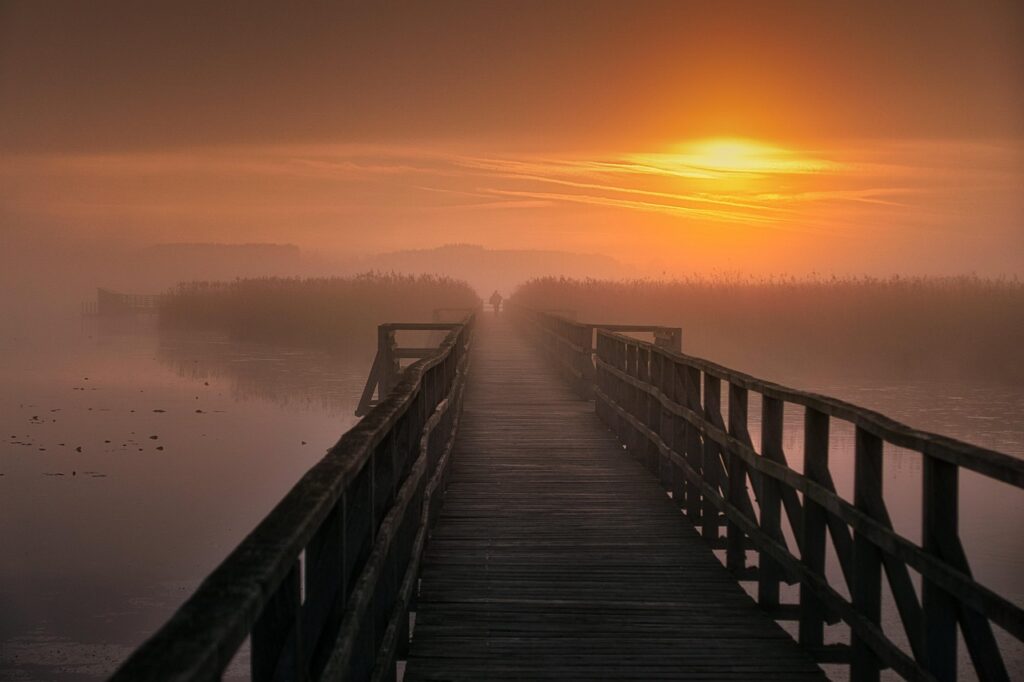
Visiting and viewing tips: For birdwatching, favor early morning and late afternoon. Stick to paths and piers, and avoid trampling reedbeds to protect nesting areas. Bring 8x–10x binoculars and a 300mm lens for photography. If you rent a pedal boat, move slowly and give the shoreline a wide berth to avoid spooking wildlife. Carry water, a hat and sunscreen — there’s little shade in summer.
2. Almyros Delta and the wetlands of Souda Bay
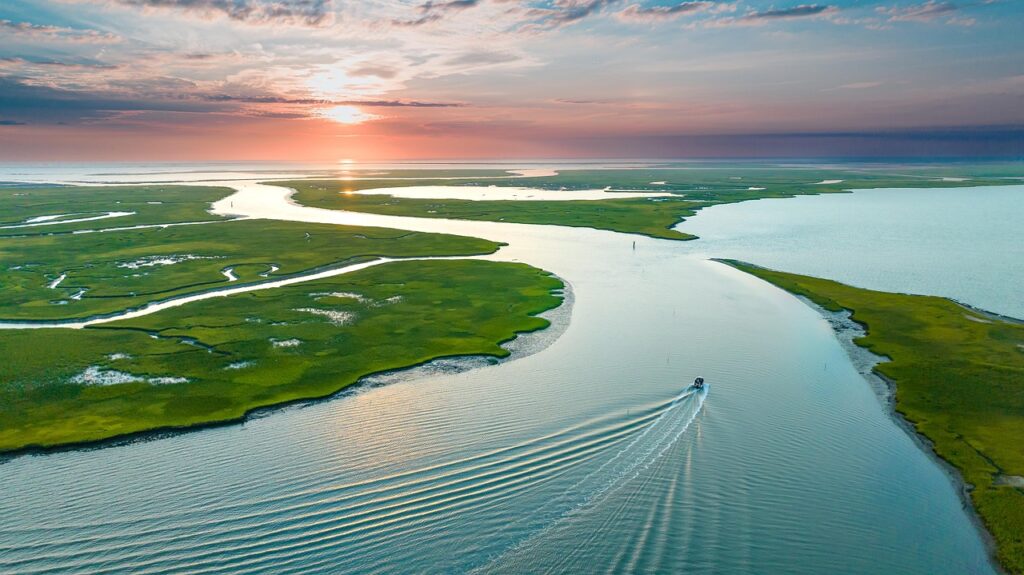
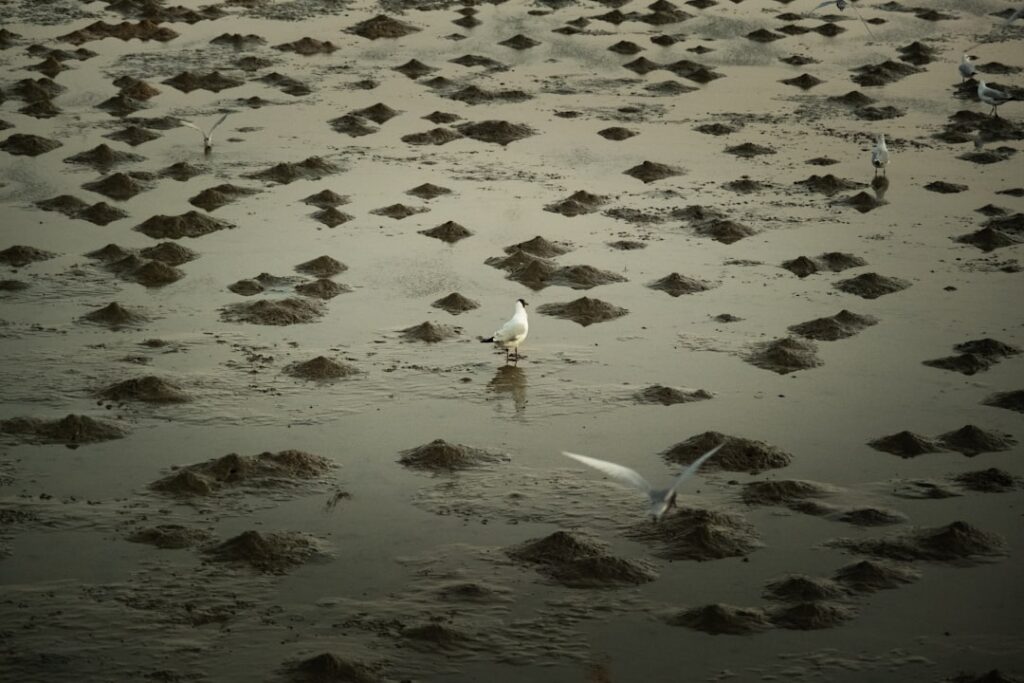
Description and highlights: West of Chania you’ll find several wetlands linked to the Almyros River and Souda Bay. These environments form where freshwater rivers meet the sea, creating mouths, mudflats and seasonal saltmarshes. These deltas and estuaries attract many migratory birds — redshanks and sandpipers, herons (Grey Heron, Ardea cinerea), and sometimes rare waders — as well as a typical salt-tolerant flora.
Addresses and coordinates: Almyros Delta / Souda Bay area, Almyros, Chania 731 00, Crete, Greece. Access points include the E65 road (Souda – Chania) or via the village of Kolymvari/Kolymbari depending on the sector.
Hours and prices: These wetlands are mostly open and free to visit. Some adjacent beaches and marinas may charge parking fees (€2–5 per day). Boat trips from Souda or Chania cost roughly €15–40 per person for a half-day depending on the route.
Facilities and viewing: There’s no major centralized visitor centre, but you’ll find natural vantage points along seawalls, coastal parking areas and a few improvised hides. Bringing a bird ID guide and a field notebook is very helpful. Best viewing times are migration peaks (March–May and August–November) and winter, when the delta can host wintering duck populations.
Local tips: Don’t park on roadside verges that damage vegetation; use small official car parks. If you find nests or breeding birds, keep at least 20–30 metres distance, especially during the breeding season (April–July). Conditions can be muddy in spring after rains — waterproof footwear recommended.
3. Balos Lagoon and the coastal ponds of Gramvousa — coastal lagoons and marine biodiversity
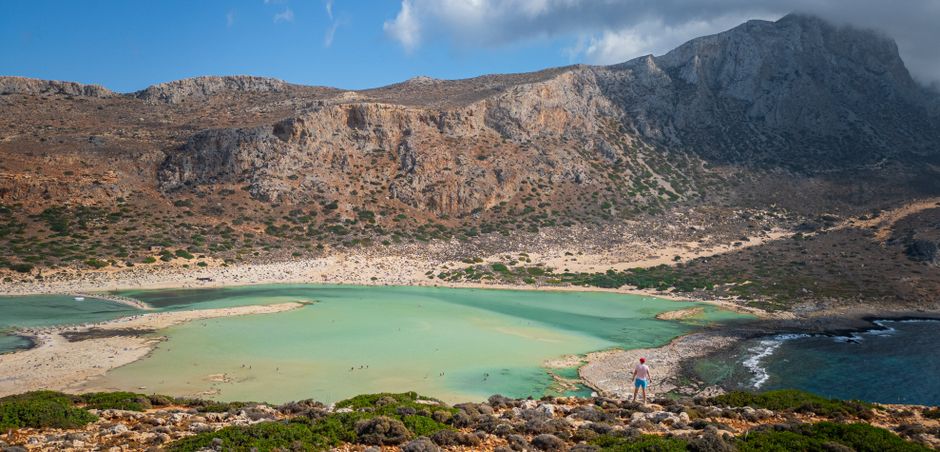
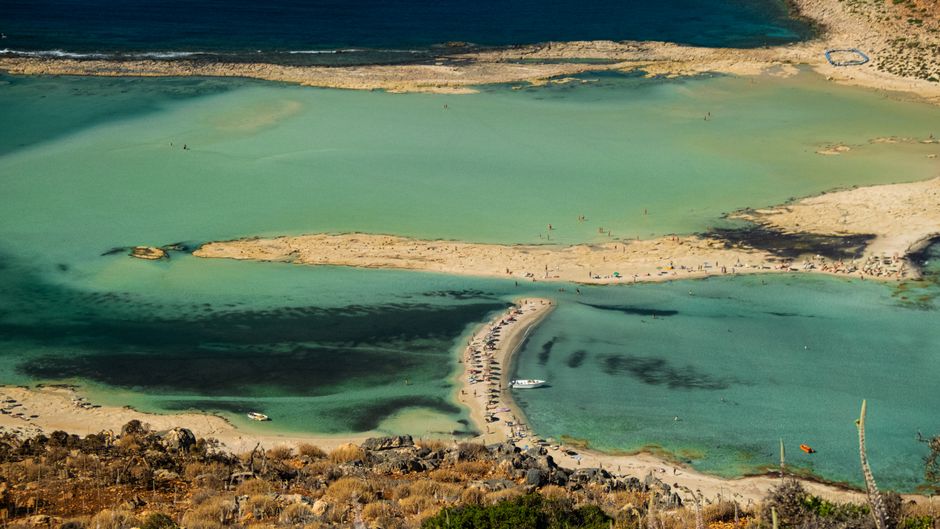
Description and highlights: Balos Lagoon and the coastal ponds around the Gramvousa peninsula (northwest Crete, Chania region) form a unique lagoon system known for its shallow waters and sandy shallows. Balos is famous for its turquoise waters and white sand, but the adjacent lagoon ecosystem is rich in invertebrates, seagrass meadows (Posidonia oceanica) and coastal birds. These lagoons are essential nursery grounds for juvenile fish, crustaceans and several seabird species.
Address: Balos Lagoon, Gramvousa Peninsula, Kissamos, Chania 734 00, Crete, Greece. Main access is from Kissamos Harbor.
Hours and prices: Access to the lagoon area is free. Boat trips from Kissamos typically cost €20–40 per person round-trip (1–1.5 hours each way), with frequent departures in season (09:00–17:00). Road access involves a rough track and possible small fees if you use a boat or a 4×4 through an organized trip.
Visiting and safety: Arrive early to avoid crowds and the afternoon winds. The shallow water is ideal for snorkeling, but be careful and respect seagrass meadows, which are protected. Quiet or low-powered boats help wildlife watching without disturbing animals.
Local tips: Bring water, a sunshade and gear if you plan to stay for several hours — shade is scarce. Respect signs and protected zones; some parts of Balos are sensitive to trampling. Photographers will find the morning light gives striking contrasts between dark mudflats and the lagoon’s blue-green waters.
4. Elafonissi coastal ponds and Elafonisi lagoon — wetlands and pink-sand beaches
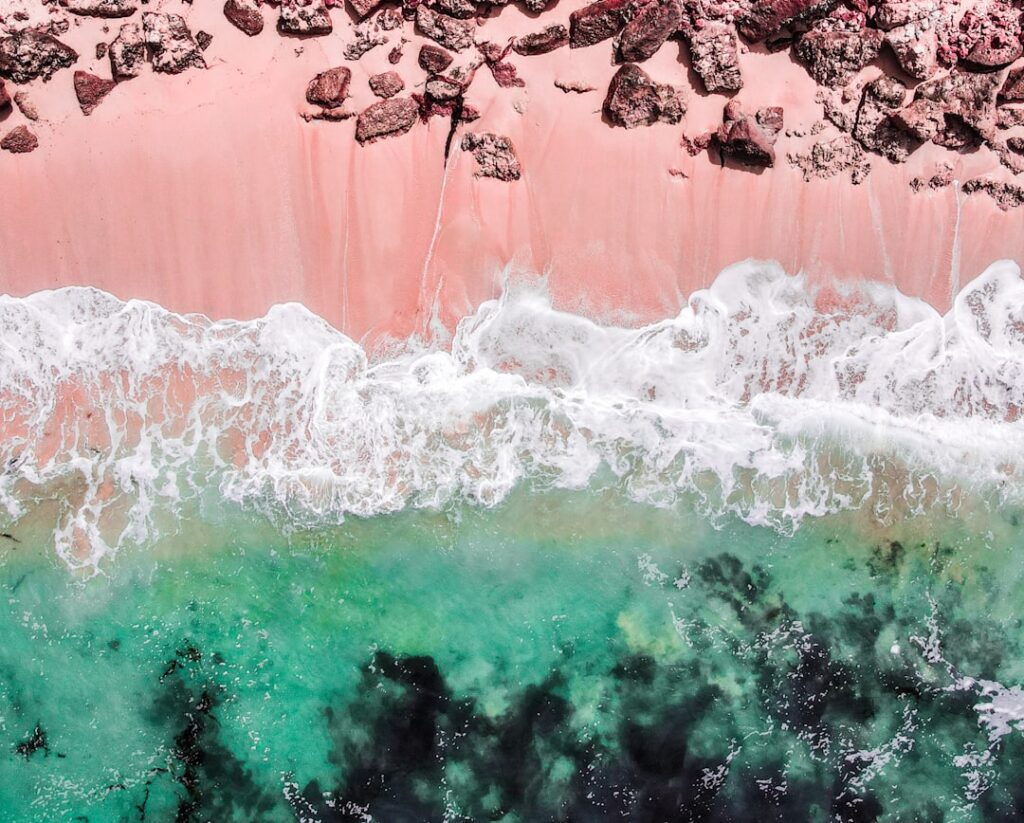
Description and highlights: Elafonissi is famous for its pink sandy beaches and shallow waters, but the area also includes a series of coastal ponds and a small lagoon that host diverse aquatic life. These habitats are vital for coastal birds — terns, small ducks and shorebirds — as well as for small fish and invertebrates which support local fisheries. Elafonissi lies at Crete’s southwestern tip in Chania prefecture.
Address: Elafonissi Beach and Lagoon, Elafonisi, Kissamos, Chania 730 11, Crete, Greece.
Hours and prices: Access to the beach and lagoon is free. Official parking lots charge around €2–5 per day in high season. Boat trips and guided nature tours from Kissamos or Paleochora cost roughly €25–50 per person.
Visiting and tips: The lagoon is very shallow, ideal for walking-level wildlife observation and low-angle photography. The ecosystem is fragile: respect seagrass and nesting zones. Visit early to see birds and avoid crowds — in summer the site is busy between 10:00 and 16:00. Water shoes are recommended for walking through muddy areas safely.
Local advice: Don’t collect fragile shells or disturb nests. Bring bags to carry out your rubbish; local awareness campaigns are active to protect Elafonissi. Temperatures can be high in summer — pack sun protection and sufficient water.
Practical tips for all visits
- Best time to visit: sunrise and sunset for wildlife; spring (March–May) and autumn (September–November) for migrations.
- Recommended gear: 8x–10x binoculars, camera with a 300mm+ telephoto lens, water shoes, hat, plenty of water, bird ID guide.
- Respect the environment: don’t enter reedbeds, keep at least 20–30 m from nesting birds, don’t leave litter.
- Safety: some access tracks are unpaved — a suitable vehicle is recommended for Balos and parts of Elafonissi; avoid low and muddy areas in storms.
- Useful contact: Local tourist office (Chania Tourist Information) — address: Plateia 1866, Chania 731 35, Crete, Greece. Opening hours vary, generally 09:00–15:00 in low season, extended in high season.
Conclusion: Protecting and exploring Crete’s aquatic refuges
Crete’s wetlands are living sanctuaries, essential for local aquatic life and for the island’s ecological balance. From the freshwater lake of Kournas to the Almyros estuaries and the coastal lagoons of Balos and Elafonissi, each site offers a unique experience: spotting rare species, discovering fragile habitats and immersing yourself in landscapes that change with light and season. These ecosystems also provide tangible human benefits: water regulation, nurseries for fish, and scenic attractions that support sustainable tourism.
Visiting these wetlands requires preparation and respect: choose quieter times, use low-noise boats, support local guides and initiatives, and keep your distance from wildlife. Modest expenses (a few euros for a pedal boat, a boat trip or official parking) often go toward site maintenance and environmental education activities.
Finally, remember that individual actions matter: pick up your rubbish, reduce single-use plastic, report pollution or suspicious activity to local authorities, and favour local operators involved in conservation. By following these principles, every visitor can help protect these aquatic refuges so future generations can enjoy Crete’s wetland diversity and beauty.