





Introduction: From Liberation to Migration — a museum narrative across Crete
Crete, that crossroads island of the Mediterranean, reads like a layered history book — ancient civilizations, conquests, acts of resistance and population movements that have shaped its identity. Between Byzantine frescoes and Minoan ruins, refugee camps and World War II memorials, Cretan exhibitions tell stories of liberation and migration that still influence the island’s social and cultural life. This guide offers an immersive route through Crete’s unmissable exhibitions, blending practical details (addresses, opening hours, admission fees) with sensory descriptions to help visitors understand how the past is staged in museum spaces today.
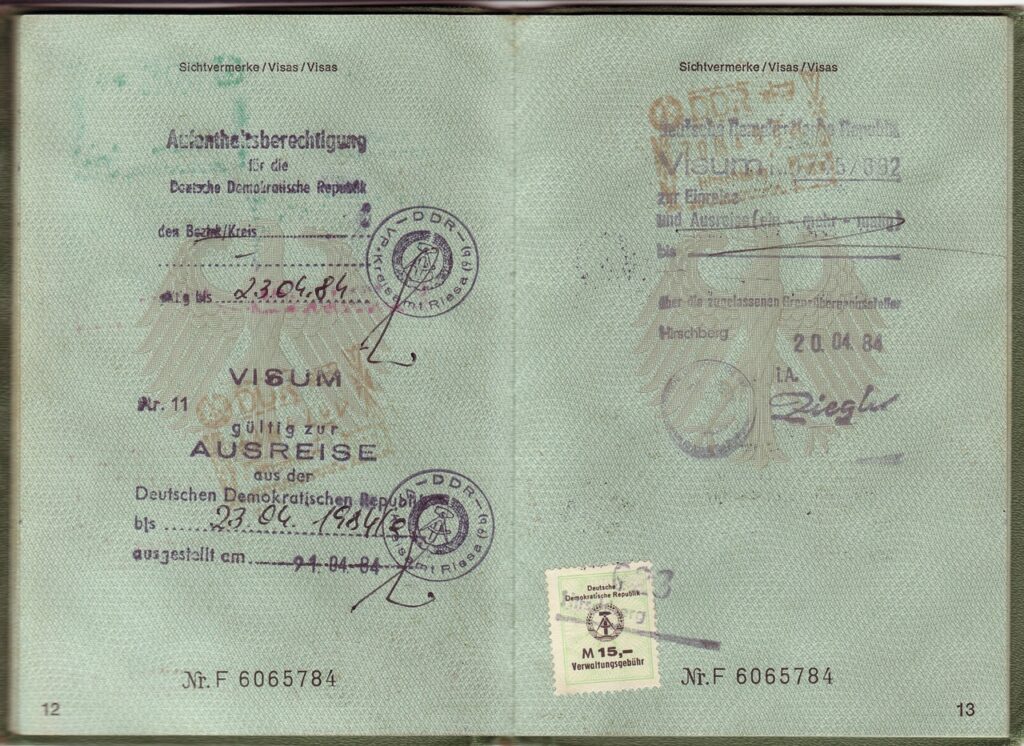
Cretan museums and exhibition centers do more than display objects; they recreate atmospheres — the breath of a 1920s port, the tumult of resistance days in 1941, the crossing of a group of migrants toward a new homeland. These institutions build bridges between archives, photographs, oral testimonies and contemporary installations that place migration and liberation within a long timeframe. As you move through the galleries, you’ll see how permanent and temporary shows converse: one case may hold a yellowed passport, another a recent film presenting displaced families’ stories.
This guide is written for the curious traveler, the amateur historian and contemporary art lovers. It covers museums of all sizes — from major institutions in Heraklion and Chania to small rural museums and memory centers in Myrtia, Rethymno or Agios Nikolaos — and includes local tips to optimize your visit (best times to go, access, audio guides, temporary shows not to miss). To ensure a complete experience, each profile includes the exact address, current prices in euros and regular opening hours. Note that temporary exhibitions change frequently: it’s recommended to check official websites or call ahead before you set out.
Finally, because visual cues are essential when talking about memory and human movement, this guide is sprinkled with visual tips to inspire your photos and impressions. You’ll find pointers for striking shots: museum facades at sunset, archive boards, old maps and portraits, commemoration sites and contemporary art installations. These visual markers are designed to enrich your travel journal while respecting rules of decorum — especially at memorial sites where quiet reflection is called for.
1. Heraklion Archaeological Museum — From Minoan Crete to population movements
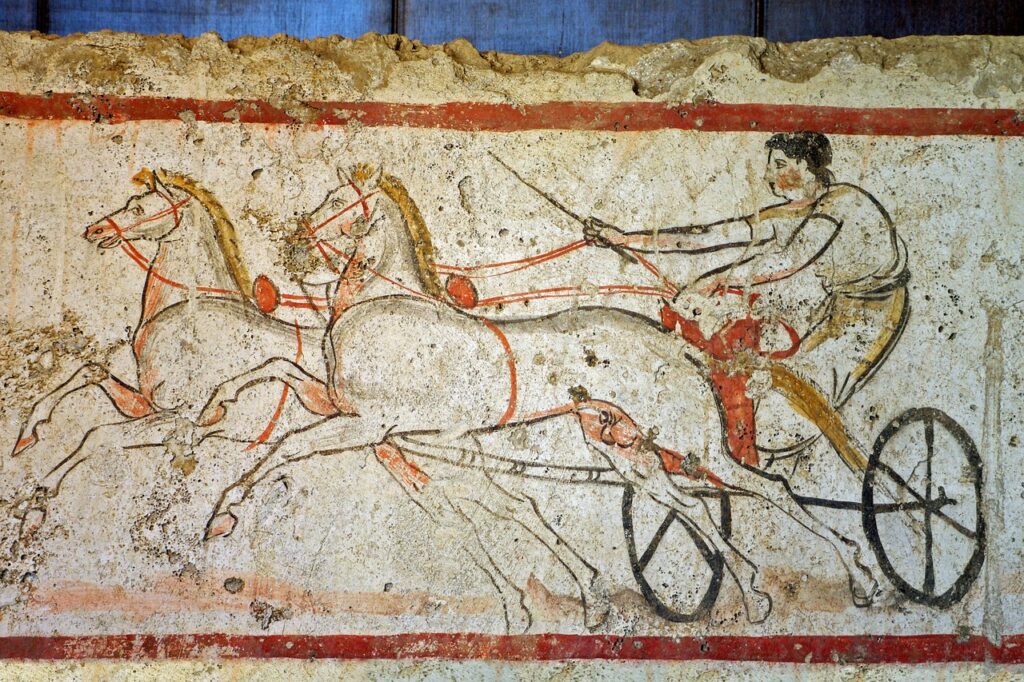
Heraklion Archaeological Museum is one of Greece’s most important museums for understanding the Minoan legacy and its echoes in contemporary Cretan identity. Address: 28, Kornarou & Xanthoudidou Street, Heraklion 712 02, Crete, Greece. This monumental building houses collections of frescoes, pottery, everyday objects and ritual relics from excavations across the island, but it also provides essential context for prehistoric and historic population movements that shaped Crete.
Opening hours: April 1–October 31 — Tuesday to Sunday 08:00–20:00; November 1–March 31 — Tuesday to Sunday 08:00–15:00. Closed on Mondays. Admission: full price €12.00; reduced €6.00 (EU students, seniors); free for under-18s and EU residents on certain public holidays (check exemptions). Combined tickets: combos with Knossos are available and offered at the ticket desks.
Immersive description: From the moment you step in, the scale of the central hall and the light washing over the frescoes create an intimate encounter with ancient worlds. The interpretive panels help reconstruct Mediterranean trade networks — showing how craftsmen and merchants shifted routes and, with them, population patterns. Don’t miss reproductions of old maritime maps and temporary exhibitions on ancient migrations that sometimes juxtapose archaeology with recent genetic studies.
Local tips: Arrive early to beat the crowds (especially in high season) and consider a guided tour in English (book ahead). Bring earphones: the museum usually offers an audio guide (typically €5–7) that greatly enriches object interpretation. For photographers, the fresco gallery in the morning provides soft, ideal light.
2. Historical Museum of Crete — Resistance, liberation and collective memory
The Historical Museum of Crete (Ιστορικό Μουσείο Κρήτης) is a must for anyone wanting to grasp Crete’s more recent episodes, from the Ottoman era to emancipation struggles and the island’s resistance during World War II. Address: 14, Epimenidou Street & Kalogera, Chania (La Canée) 731 00, Crete, Greece — NOTE: this institution operates several sites and archives, so check the main reception point when planning your visit. The museum stages permanent and temporary exhibitions that go beyond local history to interrogate national memory and migration flows to and from Crete.
Opening hours: generally open Tuesday to Sunday 09:00–17:00; closed Monday. Admission: full €8.00; reduced €4.00; free for under-18s. Some temporary exhibitions may have separate fees. Hours and prices can vary by season — consult the website or call +30 2821 0XXXX (confirm the exact local number) for details.
Immersive description: The rooms dedicated to 1912–1945 are especially moving. You’ll find archival photos, soldiers’ letters, strategic maps, and everyday objects — utensils, clothing and diaries — that tell life under German occupation and the struggle for liberation. Audiovisual installations recreate the 1940s atmosphere with survivor testimonies. A contemporary section explores migrations: stories of families who emigrated to Australia, the United States and Western Europe, emigration maps and personal belongings.
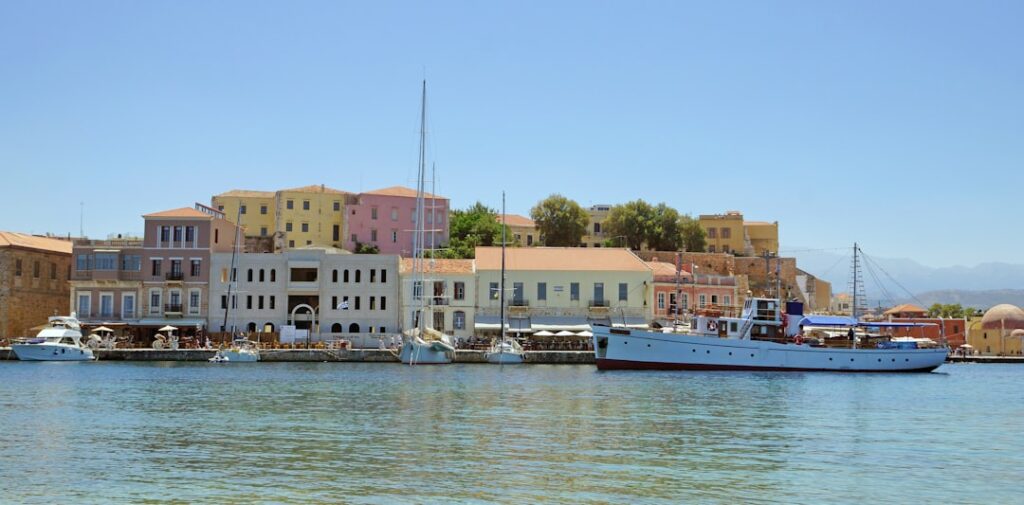
Local tips: Exhibitions are often complemented by lectures and screenings; check the cultural program. If you’re in Chania, take time to wander the Venetian lanes after your visit — the mix of architecture and memory makes for a natural historical walk. The museum sometimes offers children’s workshops on migration and maps, which are great for families.
3. Nikos Kazantzakis Museum — Exile, identity and intellectual migrations
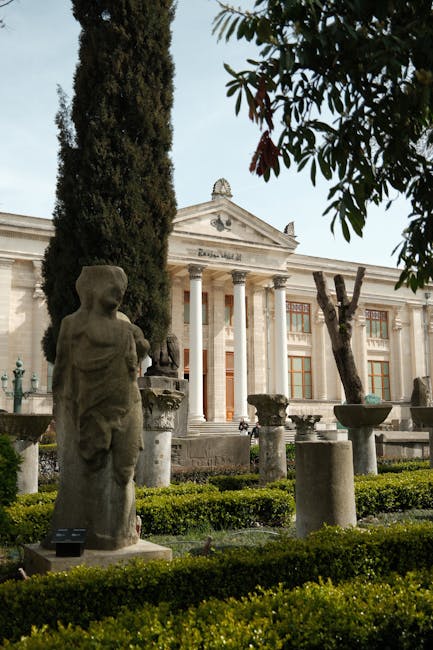
The museum dedicated to Nikos Kazantzakis, author of Zorba the Greek, offers a particular perspective on the migration of ideas and people. Address: Nikos Kazantzakis Museum, Myrtia, Heraklion (Myrtia Village), Heraklion Prefecture, Crete 701 00, Greece. Located near the writer’s birthplace, the museum explores how Crete was both a place of roots and a springboard for itinerant intellectuals.
Opening hours: generally open April to October 09:00–17:00; reduced hours off-season — check before you go. Admission: full €6.00; reduced €3.00; free for children under 12 when accompanied. Temporary exhibitions and literary events may carry additional fees.
Immersive description: The museum is housed in a traditional home updated to display manuscripts, first editions, letters, photographs and personal items of Kazantzakis. The rooms highlight the role of travel in intellectual life: stays in France, Germany, the United States and the East. Audio excerpts of readings, travel notebooks and maps tracing his movements show how exile and return fueled his literary work.
Local tips: Combine your visit with a hike to the village of Myrtia to feel the landscape that inspired Kazantzakis. The museum often hosts outdoor readings and talks with scholars; these occasions are perfect for discussions about the Greek diaspora. Allow time for the inner garden, a peaceful spot for reflection after the visit.
4. Battle of Crete and Resistance Museum — WWII memory and forced displacements
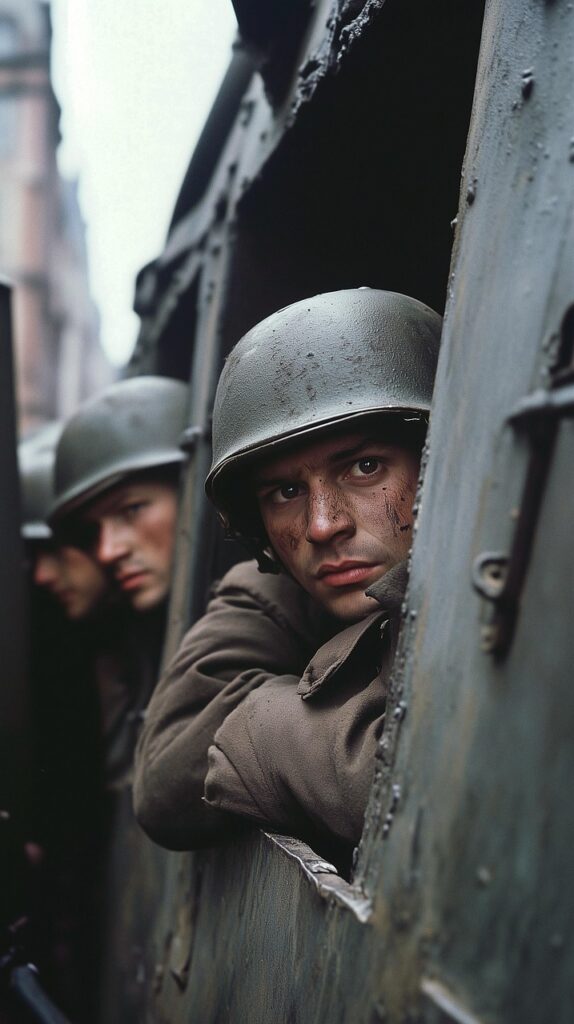
The Battle of Crete and Resistance Museum focuses on the events of 1941 and the civilian and military resistance that followed. Address: 23, Arkadiou Street, Rethymno 741 00, Crete, Greece — check the official site for local contact details depending on the town (sections exist in Rethymno, Heraklion and Chania). Museums of this type document not only conflicts but also population movements — requisitions, evacuations and post-war migrations.
Opening hours: generally open Tuesday to Sunday 09:00–16:00; closed Monday. Admission: full €7.00; reduced €3.50; free for children under 10. Special exhibitions may incur extra charges.
Immersive description: The galleries narrate the invasion, allied and civilian contributions, and the island’s gradual liberation. Display cases show uniforms, weapons, annotated maps and letters. Oral histories are often played back, and video reconstructions illustrate how families were forced to move — sometimes inland, sometimes abroad. One section covers long-term consequences: migration to countries like Australia and Germany in the following decades.
Local tips: Themed guided tours (often in English) are particularly informative; they let you hear accounts from descendants of resistance fighters. For photographers, cases with weaponry and old maps make strong compositions — but please respect no-photography zones. If you visit Rethymno, finish with a stroll along the Venetian harbor to better visualize the island’s strategic geography.
5. Migration Documentation Centre of Crete — Archives, exhibitions and contemporary projects
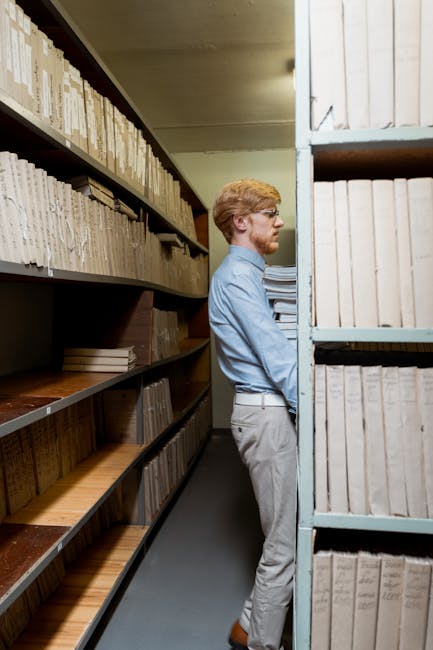
The Migration Documentation Centre of Crete is less a traditional museum and more a hub of archives, traveling exhibitions and research on contemporary population movements. Address: 12, Eleftheriou Venizelou Street, Agios Nikolaos 721 00, Crete, Greece — note that the centre sometimes has offices and exhibitions in several towns; confirm the exact location depending on the show. Its mission is to archive videos, photographs, oral histories and academic studies on recent migration flows to and from Crete.
Opening hours: generally open Tuesday to Saturday 10:00–16:00; closed Sunday and Monday. Admission: public exhibitions €4.00; archive access by appointment (often free or contribution-based). Workshops and conferences may be charged (between €5.00 and €15.00 depending on the event).
Immersive description: The space combines archive rooms, a small exhibition gallery and a screening room. The exhibition section regularly features contemporary photographic projects on Mediterranean migration routes, refugee testimonies and installations by local artists. The oral archives are particularly rich: listening to a recording reveals accents, the fear of sea crossings, the joy of arrivals and the challenges of integration.
Local tips: Make an appointment to consult the archives; the research staff can guide you to thematic files. If you’re a researcher, inquire in advance about access conditions. For general visitors, attend public screenings — they give a human, contemporary dimension to the historical questions addressed in other museums.
6. Local museums and temporary shows — a route for rural immersion
Beyond the main institutions, Crete has many small museums and exhibition spaces documenting local liberation histories, seasonal migrations (shepherd movements, transhumance) and entire villages’ diasporas. Among them are: the Museum of the Battle of Crete and the National Resistance (local section in Anogeia), the Folklore Museum of Rethymno (34, Arkadiou Street, Rethymno 74100), and the Small Local Museum of Prinias (Prinias Archaeological Finds display). These sites are often run by municipalities or local associations and offer temporary exhibitions rich in personal testimony.
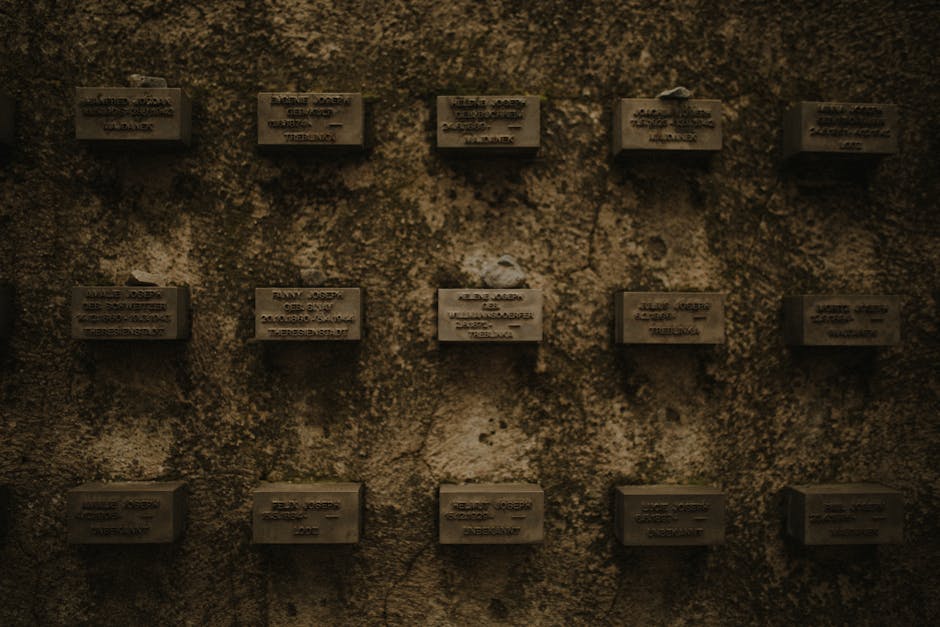
Opening hours and fees: These small museums have variable hours (often 09:00–14:00 on weekdays and 10:00–14:00 on weekends) and modest prices (between €2.00 and €6.00). Many accept visits by appointment outside listed hours. Temporary exhibitions can be free, often supported by local cultural grants.
Immersive description: These places offer proximity to locals — the guide may be a former resistance member, a schoolteacher or a village volunteer. Exhibited items are often family donations: letters tied with string, photos of departures to America, lists of emigrant ships and hand-drawn route maps. The atmosphere is humble but powerful; the absence of sophisticated scenography gives space to the raw emotion of the archives.
Local tips: Check ahead with municipal tourist offices — they often list open days for rural museums. Use these visits as an excuse to taste local specialties (raki, fresh goat cheese, dakos) and listen to stories from residents: living memory is a priceless complement to the exhibits.
Conclusion: Understanding Crete through its museums — memory, movement and the future
Visiting Crete through exhibitions about liberation and migration is like reading an island constantly reinventing itself. Museums — large and small — map an emotional geography: on one hand the grandeur of ancient civilizations that form the identity’s foundation; on the other, more recent narratives that reveal forced displacements, voluntary departures and returns. This interplay between long-term history and contemporary accounts is crucial to understanding how Cretans see themselves today and how they view the wider world.
The addresses, hours and fees in this guide will help you plan your route, but remember that the main richness of these exhibitions is human: testimonies, encounters with passionate curators, family stories handed down through generations. To get the most from your visits, prepare a few questions, favor guided tours where possible, and set aside time for oral archives and screenings. Photographs and personal items sometimes speak louder than explanatory panels.
One final tip: Crete is an island where memory is shared around a table. After a museum visit, find a local café, taste regional specialties and listen to conversations. You’ll discover that liberation and migration are living topics, still discussed, debated and celebrated in villages and cities alike. Whether you’re a historian, an art lover or a curious traveler, Cretan exhibitions will offer deep and often surprising perspectives on how people move, remember and rebuild their future.