





Introduction — Gourmet cruise around Crete: flavors, ports and discoveries
Crete is an island to be tasted as much as it is to be explored. With millennia-old olive groves, high-altitude vineyards, family-run cheesemakers and bustling markets, the island offers a rich, authentic culinary palette. A gourmet cruise around Crete blends the best of both worlds: the comfort, conviviality and culinary creativity of onboard restaurants and chefs, together with immersive visits to local producers and small family tavernas during shore excursions. This detailed guide is written for the discerning traveler planning a full gastronomic experience: whether you’re keen to sample extra-virgin olive oils, curious about Cretan wines, mad about mizithra cheese or simply eager to explore historic markets, you’ll find practical information, exact addresses, opening hours, price ranges and local tips to make the most of each moment of your cruise.
We cover the preparation for a gourmet cruise — from choosing your embarkation port (Heraklion, Souda/Chania, Agios Nikolaos) to onboard experiences: cooking workshops, guided tastings, tasting menus and food-and-wine pairings. Each stop is described with suggested culinary excursions — visits to olive mills, tastings at family wineries, walks through the municipal market — and we provide specific addresses and times to help with reservations. Prices in euros are included so you can estimate your budget: tasting menu costs onboard, guided tours of producers, average price of a meal in a traditional taverna, and the budget for gastronomic purchases (olive oil, cheeses, wines).
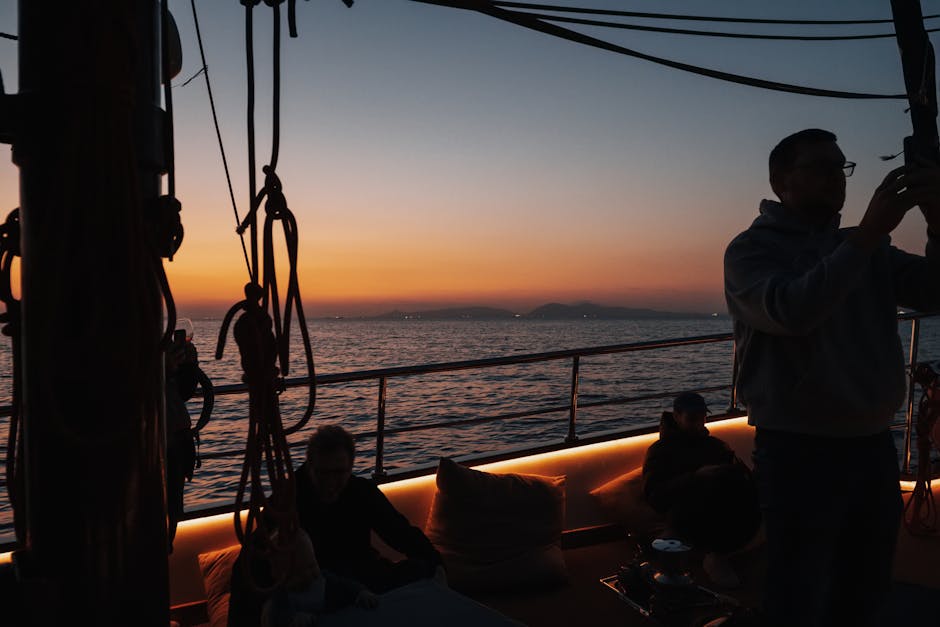
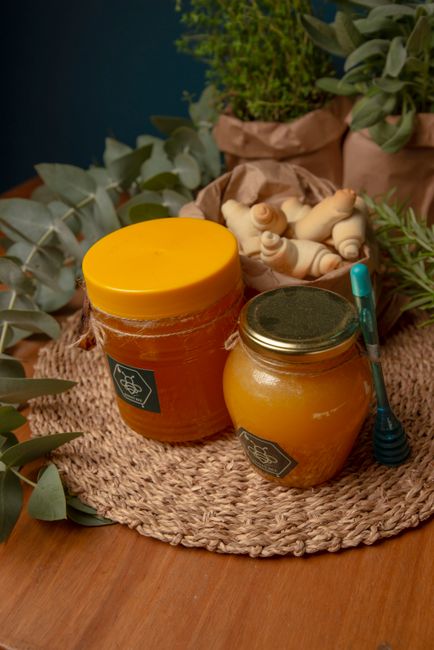
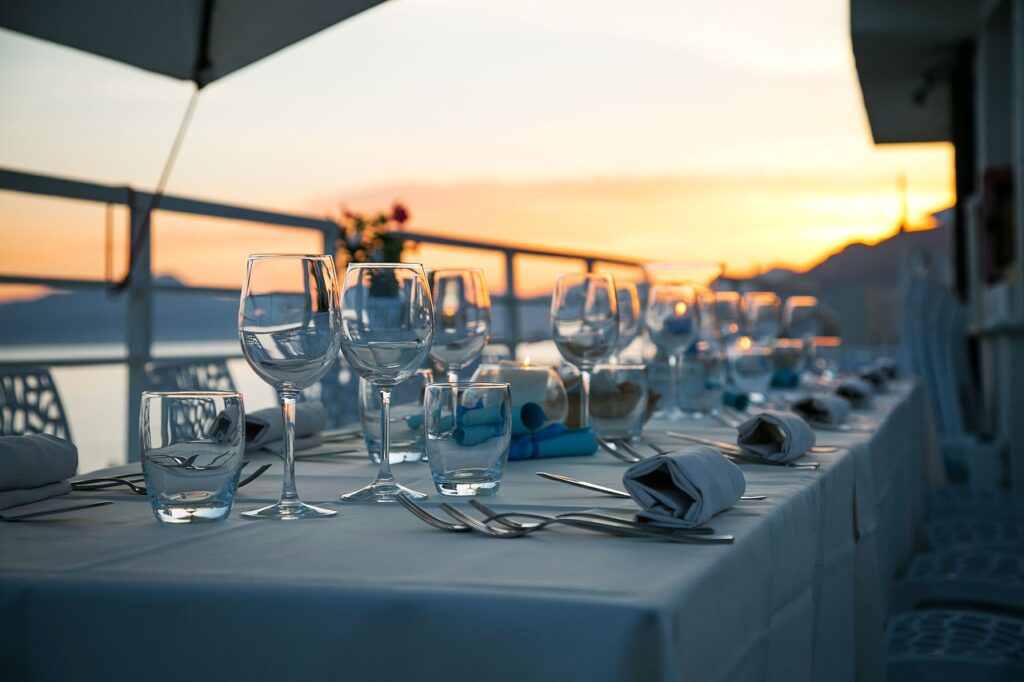
Beyond practical details, this guide paints immersive scenes that place each flavor in its landscape: picture a thyme-honey tasting on deck at sunset, a chef demonstrating how to make dakos in the ship’s open galley, or an early-morning visit to Heraklion’s market with golden light highlighting the fish and wild herbs. We also share local tips: best times when the market is most lively, producers to favor, how to politely barter for olive oil at the press, and which local wine pairs well with grilled octopus. Finally, you’ll find logistics advice — transport between port and town center, what’s included in onboard dining options, and tricks to book the most sought-after workshops.
This professional, general guide is meant to be your companion at sea — to help you plan and savor a gourmet cruise around Crete. Whether you have a few days or a week, prefer upscale experiences or rustic discoveries, you’ll find the information needed to craft a flavorful, realistic and memorable itinerary.
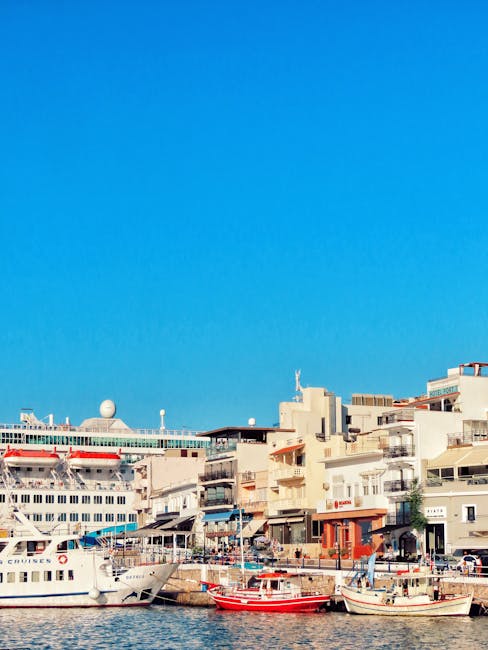
1) Embarkation ports and first culinary impressions (Heraklion, Souda/Chania, Agios Nikolaos)
The main ports serving most cruises around Crete are three key entry points: the port of Heraklion (Limani Heraklion), Souda port near Chania, and the port of Agios Nikolaos. Each offers a distinct culinary context and different logistical options for boarding and planning your first tastings.
Heraklion — Limani Heraklion
Address: Port of Heraklion, Limani Irakleiou, Heraklion 712 02, Crete, Greece.
Port hours: the port is accessible 24/7 for ship arrivals and departures; administrative offices (Office of the Port Authority) are generally open Monday to Friday, 08:00–15:00. The city center is a 5–15 minute walk from the port. First recommended visit: Heraklion Municipal Market (Agora). Indicative price: a light lunch at the market (meze, dakos, coffee) typically costs €7–15 per person. Atmosphere: lively market in the morning with fresh fish and wild herbs.
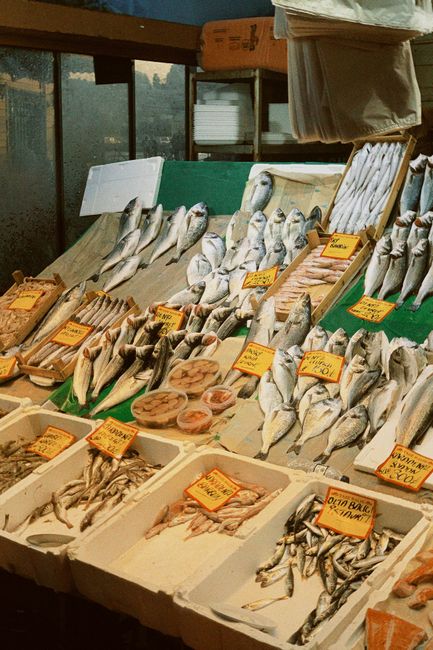
Souda (Chania) — Souda Port
Address: Souda Port, Limani Souda, Souda 732 00, Chania, Crete, Greece.
Port hours: the terminal operates all day for ferry arrivals; tourist offices are open 08:00–17:00 for formalities. Distance to Chania’s old town: roughly 15–25 minutes by taxi (€12–18). From Souda, gastronomic excursions tend to focus on products from the Akrotiri peninsula and family canteens in Marathi Bay. Average price for a taverna meal in Chania: €12–25 per person for a main course and dessert.
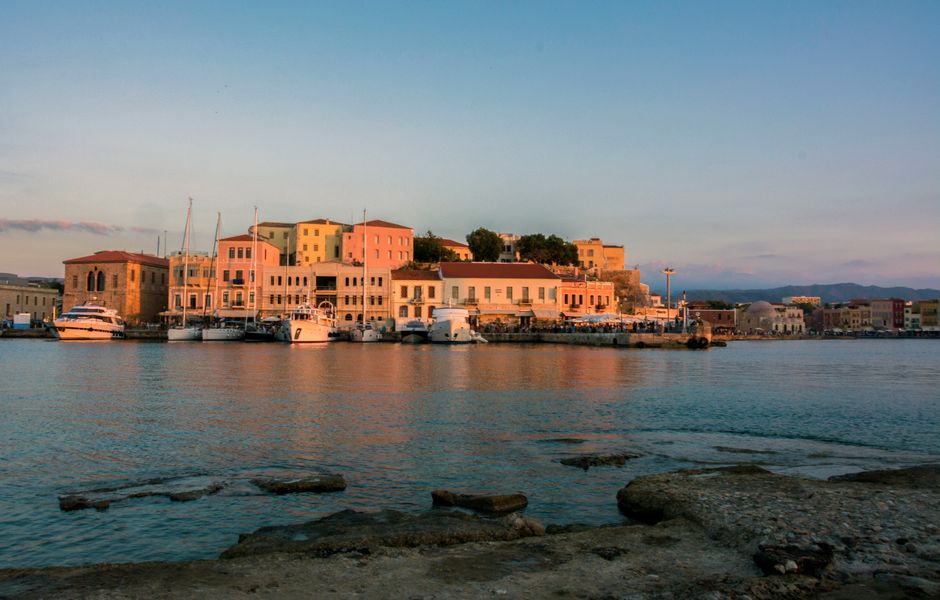
Agios Nikolaos — Port of Agios Nikolaos
Address: Port of Agios Nikolaos, Plateia Dimarchou Kazantzakis, Agios Nikolaos 721 00, Crete, Greece.
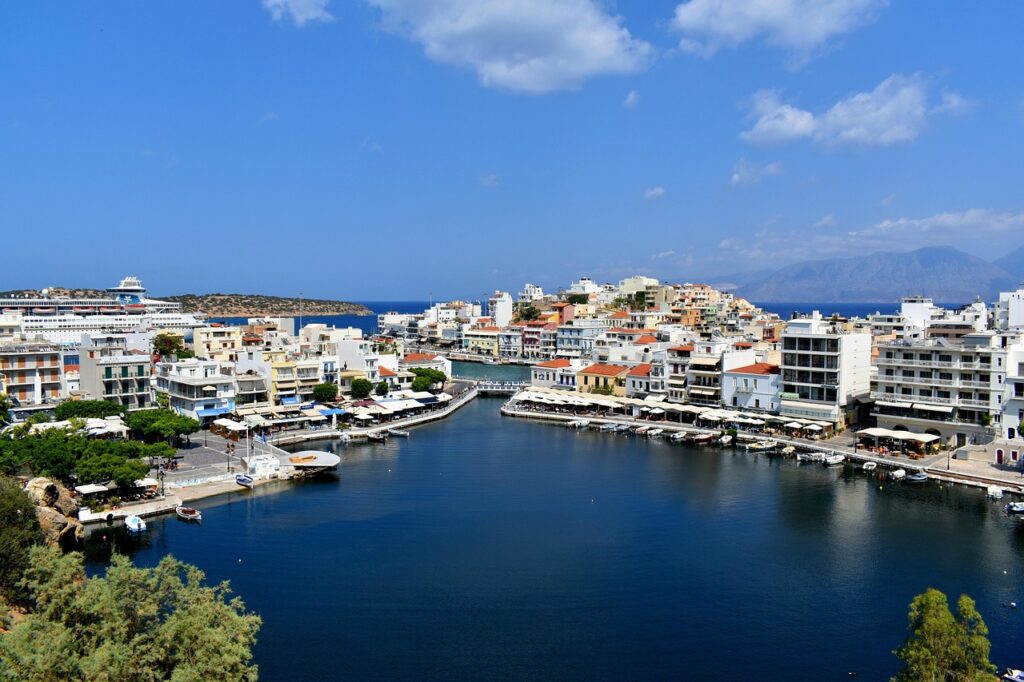
Hours: port accessible 24/7; the city’s tourist information desks are open 09:00–17:00. Agios Nikolaos is famed for grilled fish and waterfront tavernas. Typical price for a taverna meal by the port: €15–30 per person. When boarding, keep an eye out for “tasting menu” or “chef’s table” options on certain cruise ships and luxury catamarans which can often be reserved before the day of the stop.
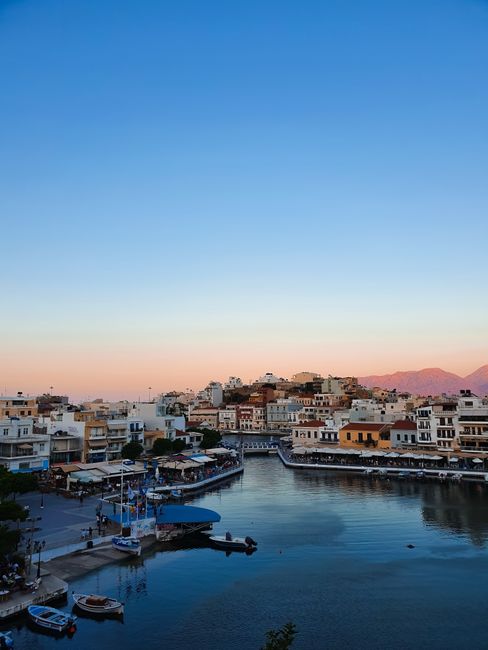
Practical boarding tips: arrive at the port at least two hours before departure to take care of formalities and any last-minute purchases (olive oil, aged cheeses, herbs). If you plan to buy fresh produce at the market, bring a soft cooler (check the cruise company’s policy). Book onboard culinary workshops in advance — these spots fill up fast, especially wine tastings and food-and-wine pairings led by guest sommeliers.
2) Onboard tastings and culinary experiences: menus, workshops and pairings
On gourmet cruises, the onboard dining experience is often designed to showcase local cuisine. Specialized companies and yachts offer workshops led by guest chefs, modern Cretan tasting menus and sessions pairing wines or olive oils with dishes. Here are the most common formats, typical content, prices and when to expect them.
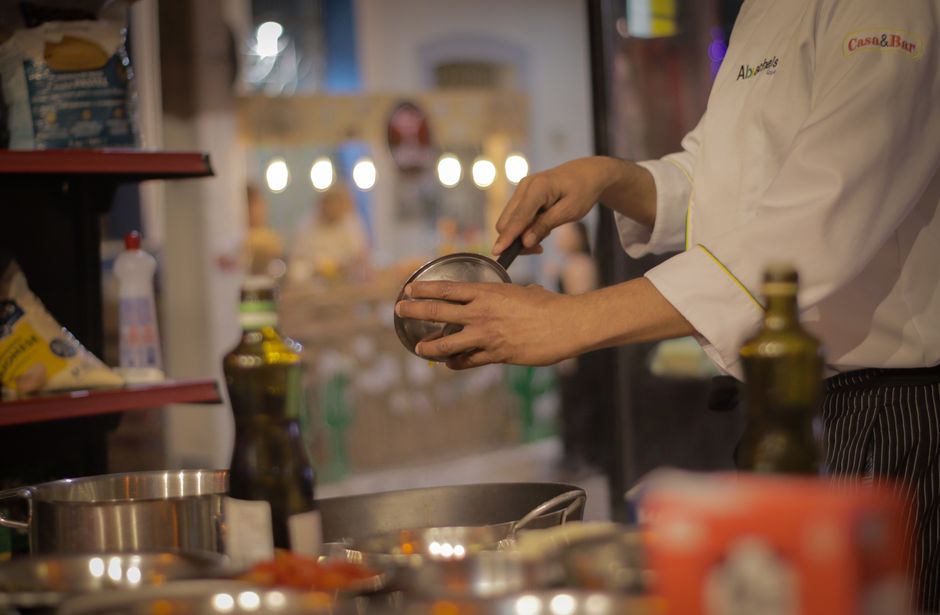
Cooking workshops — “Live Cooking” and demonstrations
Format: interactive demos lasting 60–120 minutes, often scheduled early afternoon after departure (14:00–16:00) or early evening (17:00–19:00). Content: preparing Cretan meze (dakos, kalitsounia, dolmades), oven-baked fish Cretan style, and making a dessert flavored with local honey. Indicative price: €35–75 per person depending on ship size and chef reputation. Capacity: 10–40 participants.
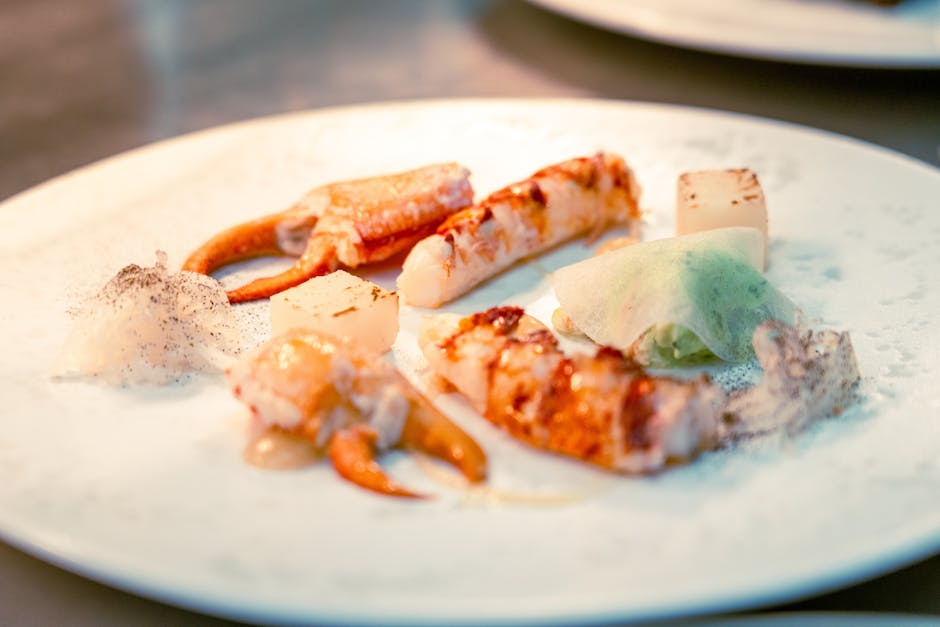
Tasting menus — chef’s tasting menu
Format: a 5–8 course menu served at dinner, often with an optional wine pairing. Hours: dinner 19:00–22:30. Typical contents: amuse-bouche featuring local olives and extra-virgin olive oil, a cold reinvented dakos starter, grilled octopus or local fish (grouper/seabream), a meat course (local lamb), a cheese selection (graviera, mizithra) and desserts sweetened with honey and wild herbs. Price: premium tasting menus on large cruise lines: €65–150 per person without wines; wine pairings: +€35–70 per person. On small boutique yachts, expect €45–90.
Olive oil tastings and oleology workshops
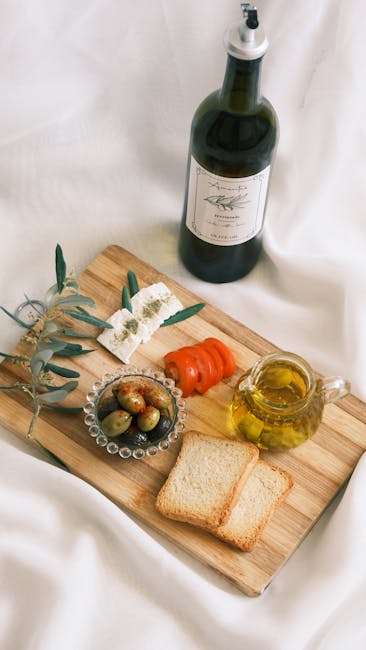
Crete is synonymous with olive oil. Many onboard events offer guided olive oil tastings of 30–60 minutes, led by a visiting producer or olive oil expert. Times: usually in the afternoon, around 16:00–17:00. Price: €10–25 per person. Content: comparing oils (fruitiness, bitterness, pungency), culinary uses and onboard sales (bottles from 500 ml to 1 L: €10–25 depending on origin and PDO/PGI label).
Cretan wine tastings — wine pairing sessions
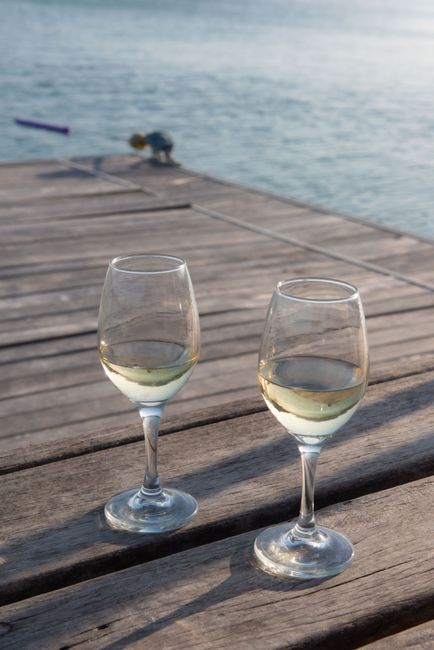
Format: 45–90 minute sessions with a sommelier, offered in the evening or just before dinner (18:00–19:30). Examples of wines: whites from Rethymno and Heraklion (Vilana, Vidiano), local reds such as Liatiko. Price: €20–60 per person; pairings with a tasting menu: +€30–80. These sessions are key to understanding the uniqueness of Cretan varietals, often lesser-known but perfectly suited to local produce (grilled fish, salty cheeses, herb-forward dishes).
Booking tip: popular workshops (chef’s table, wine pairings) book out several days before a port call. Reserve through the cruise company’s website or the ship’s concierge as soon as you get the daily program. Check cancellation policies (often 24–48 hours) and ask if the tasted products are available for purchase onboard — many local producers leave a limited stock for direct sale.
3) Must-do culinary shore stops: markets, mills, wineries and cheesemakers
Shore excursions let you complement onboard experiences with encounters at the source. Here’s a curated selection of unmissable culinary stops, with addresses, opening times, indicative prices and tips for each visit.
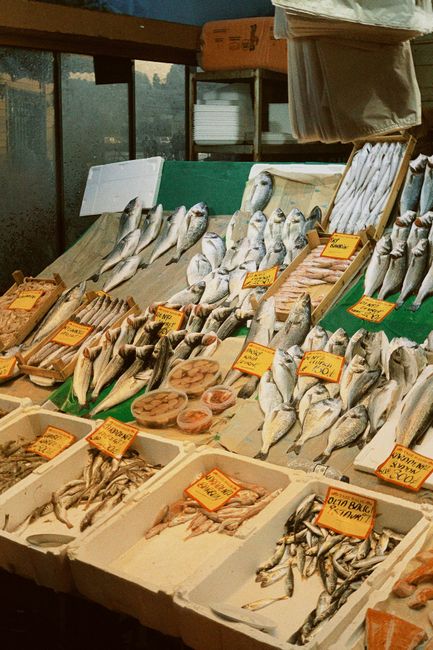
Heraklion Municipal Market (Agora)
Address: Agoras Square / 25 Dimokratias (central pedestrian sectors), Heraklion 712 02, Crete, Greece (approach from Limani Heraklion, 5–15 minutes on foot).
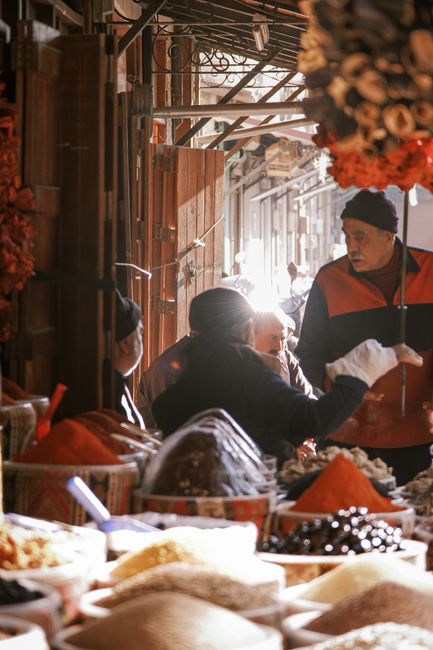
Hours: stalls are busiest 07:00–13:00, some shops stay open until 18:00; many vendors close Sunday. This covered market brings together fishmongers, butchers, herbalists and spice stalls. Prices: portion of fried fish or a meze €5–12; artisanal honey 400 g: €6–12; dried wild herbs €3–6 per pack.
Small family winery — Domaine Paterianakis (Peza, Heraklion)
Address: Peza Village, Peza, Heraklion 701 00, Crete, Greece (coordinates and visits usually reserved in advance via the winery’s website or phone).
Hours: visits by appointment, typically 10:00–16:00; guided tastings at 10:30, 12:00 and 14:30; duration 60–90 minutes. Price: visit + tasting €10–20 per person; food-and-wine pairing (with local mezze): €25–45 per person. Description: family-run estate showcasing local grapes (Liatiko, Vidiano, Vilana), cellar tours, explanation of organic/hybrid methods and tastings of 3–6 wines served with cheese and olive oil.
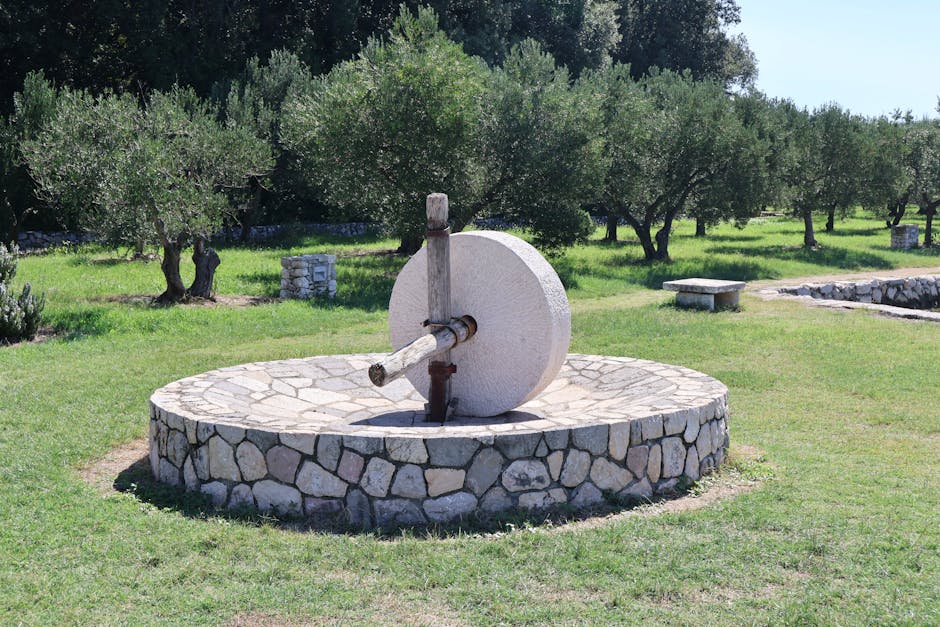
Traditional olive mill — presses and tastings
Example: artisanal mill on the Rethymno road; many small mills accept visitors by appointment. Hours: typical visits 09:00–17:00 (by reservation). Price: olive oil tasting + visit €8–20 per person; 500 ml bottle €8–20. Description: pressing demonstration, explanation of labels (PDO/PGI), comparative tasting between early and late harvest oils, and buying tips (acidity, aromatic notes and storage).
Artisanal cheesemaker — visit and mizithra tasting
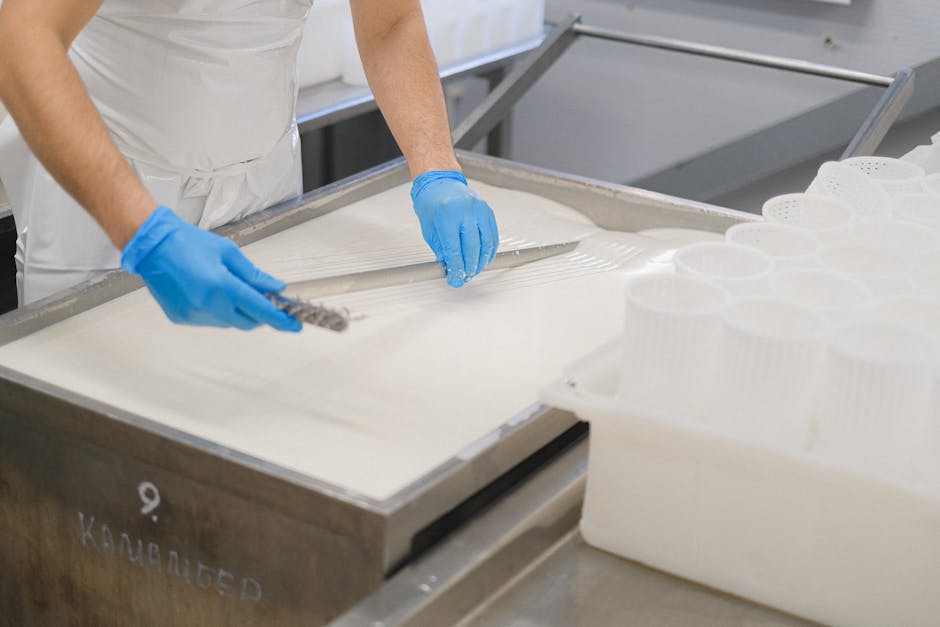
Location: mountain villages (e.g. Lassithi plateau, small workshops near Agios Nikolaos). Hours: visits often in the morning 09:00–12:00 and afternoon 15:00–17:00 (by appointment). Price: visit + tasting €6–15 per person; 200 g packet of aged cheese €4–8. Description: production of graviera and mizithra using goat and sheep milk, aging in caves or cellars; tasting fresh and aged textures, plus cooking tips (gratin dishes, traditional pastries).
Practical tips for shore visits: 1) Book winery and mill visits at least 48–72 hours ahead in high season (June–September). 2) Bring an insulated bag for oils and cheeses, and check customs rules if you continue your trip outside the EU. 3) Hire a local guide for market visits if you want culinary translations and direct buying with producers — average price for a private guide for 3–4 hours: €60–120 depending on language and gastronomic specialization.
4) Sample gourmet itineraries and budget estimates
Here are three sample itineraries — short, mid-length and premium — designed to balance onboard tastings and shore culinary stops. Each itinerary includes a per-person budget estimate (excluding flights) and typical activity timing.
Short itinerary — 3 days/2 nights: Heraklion & Agios Nikolaos
Day 1: Embark in Heraklion (Limani Heraklion) 12:00; light lunch at the municipal market 13:00 (budget €10–15). Olive oil workshop onboard 16:00 (€15). Tasting dinner 19:30 (chef’s tasting menu): €65–90.
Day 2: Stop in Agios Nikolaos, visit a local cheesemaker 09:30–11:30 (€15). Lunch at a port-side taverna 13:00 (€20). Wine workshop onboard 17:00 (€30). Dinner onboard or ashore (€30).
Indicative total budget for 3 days: €155–260 per person for activities and meals not included in the cabin (excluding premium drinks and purchases).
Mid-length itinerary — 5 days/4 nights: Heraklion, Rethymno, Chania
Day 1: Embark in Heraklion 14:00. Olive oil tasting and dakos demo 16:00 (€15–25). Tasting dinner 20:00 (€75).
Day 2: Stop in Rethymno — visit an olive mill and lunch at a taverna 10:00–14:00 (visit €12, lunch €18). Back onboard, Cretan cooking class 17:00 (€50).
Day 3: Stop in Souda/Chania — morning market and family winery visit (10:00–13:00; tasting €20–30). Afternoon free in the old town (spice shopping €10–30). Dinner onboard with wine pairings €30–50.
Indicative total for 5 days: €320–560 per person (activities, workshops, local meals), excluding the cruise fare and accommodation.
Premium itinerary — 7 days/6 nights: full loop with selected producers
Program: embark in Chania/Souda; guided vineyard visits (Domaine Paterianakis or similar) with food-and-wine pairings (€25–45), artisanal olive mill visit with tasting and purchase (€10–20), cheesemaker workshop + tasting (€12–20), exclusive chef’s table onboard (€150) and themed sunset deck evenings (included or €20–40 depending on the company).
Indicative total for 7 days: €700–1,500 per person in gastronomic extras (depending on exclusivity and shopping), excluding cabin/cruise fare.
Budget tips: allow extra for winery purchases (bottle €12–30), premium olive oils (1 L bottle €12–30), and aged cheeses (250–500 g: €6–18). If you plan to bring products home, buy them on the last stop to avoid long storage onboard. Also check VAT refund policies and pack fragile items carefully.
5) Practical tips, bookings and local advice for a successful gourmet cruise
A culinary cruise around Crete benefits from careful planning. Here are practical tips to maximize discoveries, avoid pitfalls and make the most of each stop.
Bookings and timing
– Book workshops and tastings as soon as reservations open (often 60–90 days before departure for organized cruises).
– For winery and mill visits, favor morning slots (09:30–11:30) for better producer availability and to avoid summer heat. Market visits are best between 07:00 and 10:30.
– Confirm port-to-town transfers: official taxis in Heraklion from Limani Heraklion to the city center usually cost €5–10; from Souda to Chania €12–18; from Agios Nikolaos to the center €3–8.
Buying and transporting products
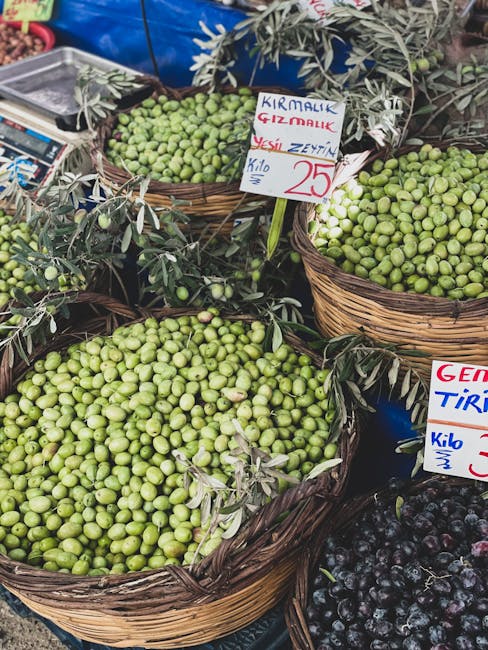
– Olive oil: prefer well-sealed glass bottles. Typical price: €8–25 per bottle depending on quality (500 ml–1 L).
– Cheeses: fresh cheeses (mizithra) should be eaten quickly; aged cheeses (graviera) keep better. Prices: €4–12 for 200–500 g.
– Wines: local bottles €12–30. If buying multiple bottles, ask for secure wrapping for transport and check if the cruise accepts bottles in checked luggage.
Culinary and cultural tips
– Respect local meal times: in Crete, lunch is often late (13:00–15:00) and dinner frequently after 20:00 in summer. Family tavernas sometimes close for siesta (15:00–18:00); plan accordingly.
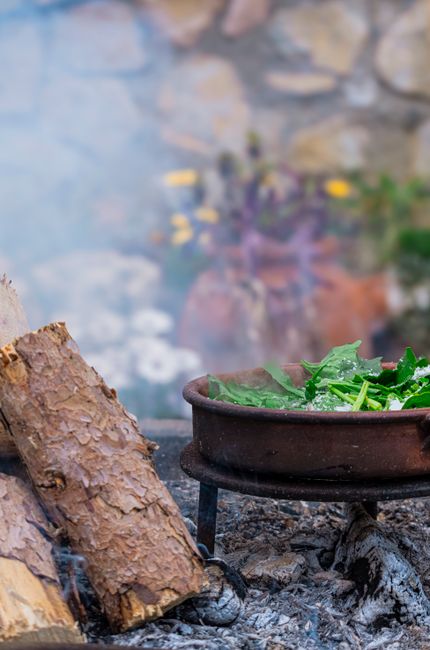
– Try wild greens (horta) and ask producers or chefs about them — they’re usually foraged locally and vary seasonally.
– Be ready for rustic textures and bold flavors: cheeses can be salty, olive oils often have bright or peppery notes, and local reds can be rustic while whites are aroma-driven and distinctive.
Health, allergies and dietary preferences
– Inform onboard staff and shore restaurants about allergies (nuts, shellfish). Most ship chefs can adapt dishes if warned 24–48 hours in advance.
– For vegetarians/vegans: Cretan cuisine offers many options (salads, grilled vegetables, legumes), but notify hosts during workshops and visits to get adapted menus.
Budget and tipping
– Budget around €20–50 per day for gastronomic extras if you plan to attend workshops and visit producers. For a more luxurious trip, double that amount.
– Tipping: in Crete, leave 5–10% in tavernas if service is not included; for private guides and drivers, €5–10 per person per day is appreciated for excellent service.
Conclusion — Take home the taste of Crete
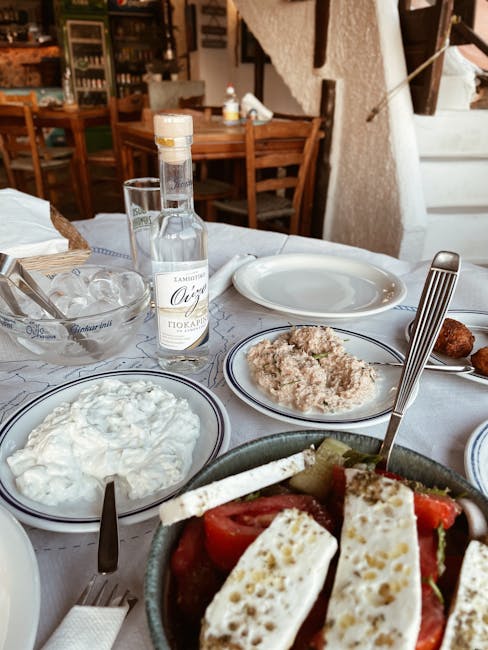
A gourmet cruise around Crete is an invitation to slow down and discover: slow tastings, slow wood-fired cooking and unhurried conversations shared around a table or on deck at sunset. The contrast between the ship’s movement and the deep-rooted culinary traditions of Crete — century-old olive mills, family wineries, morning markets — creates a unique alchemy. By planning your stops carefully, booking workshops and tastings in advance, and following the logistical advice in this guide (best times, key addresses, indicative budgets), you’ll ensure a coherent and flavorful experience.
Prioritize quality over quantity: it’s better to visit one family winery in depth, enjoy a guided tasting and have the chance to buy products, than to rush through a series of superficial stops. Practically, think about storing purchases (oil, wine, cheese), market hours and the need to reserve spots and transfers. Take home not just bottles and cheeses but knowledge: how to recognize a quality oil, how to pair a Cretan wine with fish, or how to prepare a meze with wild herbs. These skills will let the Cretan experience live on long after you return home.
And finally, leave room for the unexpected: a meeting with a passionate producer, an invitation to share a family recipe, or an impromptu workshop on deck can become the most memorable moments. Crete is generous — it gives its flavors to those who take the time to listen and taste. Safe travels, and enjoy your meal — καλή όρεξη (kali orexi)!