





Introduction — Hidden Imbros: Trails, Villages & Coastal Cliffs
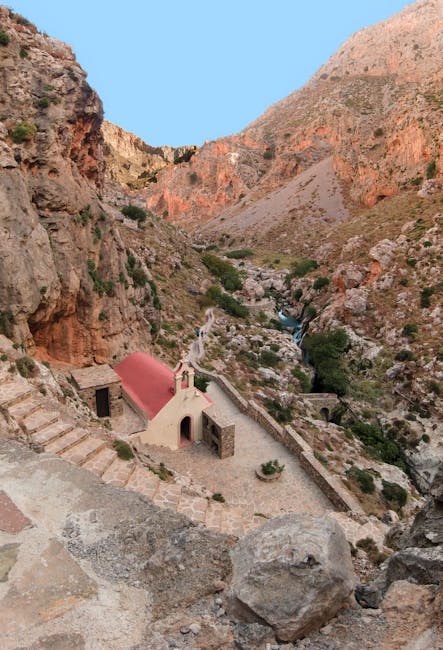
The Imbros area, tucked into the southwest coast of Crete, often lives in the shadow of the more famous Samaria Gorge. Yet for travelers after a dose of local authenticity, time-worn trails and sea-splashed cliffs, Imbros is a quietly compelling treasure. The Lefká Óri (White Mountains) unfold here in limestone ridges, offering smaller, more intimate gorges, preserved mountain villages and wild coves reached after short hikes. This practical, travel-blog style guide walks you through Imbros’s paths, surrounding villages and cliff-top panoramas, with addresses, typical opening times, prices in euros and local tips to help you make the most of your visit.
For many, Imbros conjures the Imbros Gorge, a narrow corridor linking the village of Imbros (Imvros) to the hamlet of Komitades. Less crowded than Samaria, the gorge appeals to walkers looking for a relaxed hike punctuated by views of olive trees, limestone ridgelines and shaded ravines. Beyond the gorge, villages such as Imbros itself, Komitades, and nearby coastal spots — Chora Sfakion (Hora Sfakion) and Frangokastello — give a genuine taste of Cretan life: small tavernas, kafeneia (traditional cafés), family-run guesthouses and clear pebble beaches.
This guide includes practical facts: the postal-style address for each village, typical opening hours for local services, usual price ranges (in euros), trail difficulty levels, plus local tips (best times of day, recommended gear and transport options). You’ll also find visual cues to set expectations before you go: photos of narrow trails, village squares, seaside cliffs and tavernas shaded by plane trees. Whether you have one day for hiking, plan to stay in a family pension or want an itinerary mixing sea and mountain, you’ll find information here to plan a safe, respectful and memorable visit to Imbros.
Imbros Gorge: trail, access, duration and practical tips
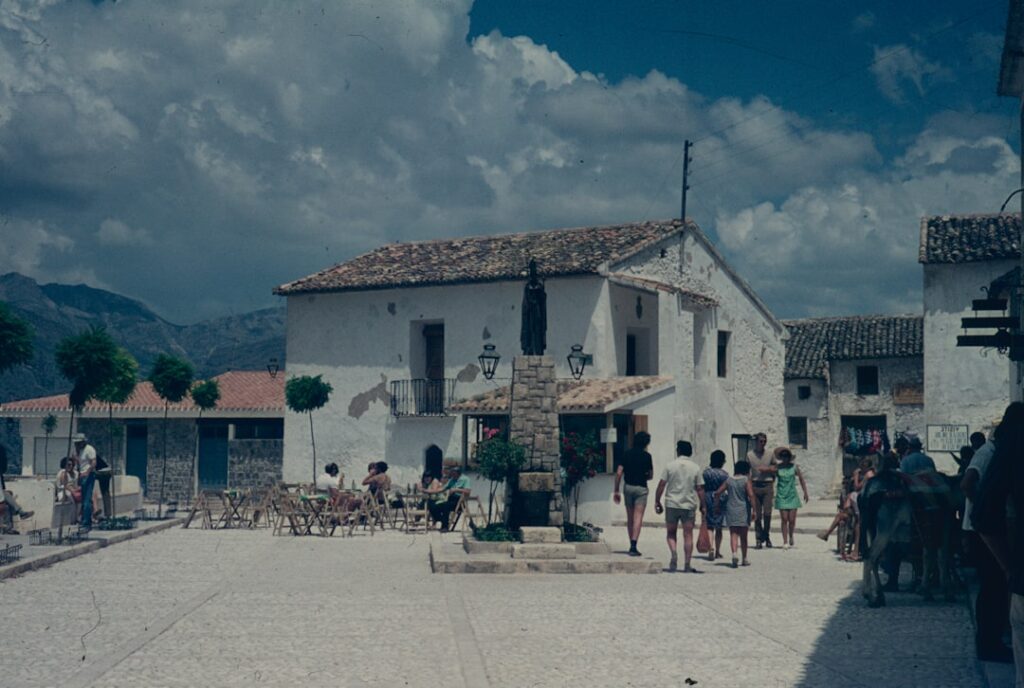
Imbros Gorge is an approximately 8-kilometre walking route linking the village of Imbros (Imvros) to the hamlet of Komitades, then dropping toward the coast near Hora Sfakion. Start point address: Imbros, 730 11 Sfakia, Chania, Crete, Greece. The trail is commonly walked downhill — from inland toward the sea — and typically takes 1.5 to 3 hours depending on pace and photo stops. Elevation change is around 400–500 metres and the terrain alternates between limestone rock, narrow passages and wider sections where pines and olive trees offer shade.
Access and logistics: there is no entry fee for Imbros Gorge (free access). Parking in Imbros village is usually free; however in summer arrive early (before 09:30) if you plan to catch a bus or want a spot close to the trailhead. KTEL buses linking Chania (Heraklion/Chania) to Hora Sfakion often stop at Imbros on request; frequencies vary by season. In high season (June–September) expect several departures daily; in low season check local schedules the evening before at a kafeneio. Approximate KTEL Chania–Sfakia bus departures from Chania bus station: around 07:00, 10:30, 14:30 and 18:00 (indicative — consult KTEL Chania for exact times).
Difficulty and gear: the trail is rated easy to moderate. No technical gear is required, but lightweight hiking shoes with good grip are strongly recommended. Carry at least 1.5–2 litres of water per person, a hat, sunscreen and a light windbreaker; in summer start before 09:00 to avoid midday heat. Several sections are exposed, so be cautious in rain — the rock becomes slippery. Families with children should pay attention on the narrow parts; there are no handrails on most of the route.
Imbros and Komitades villages: cafés, tavernas, places to stay and addresses
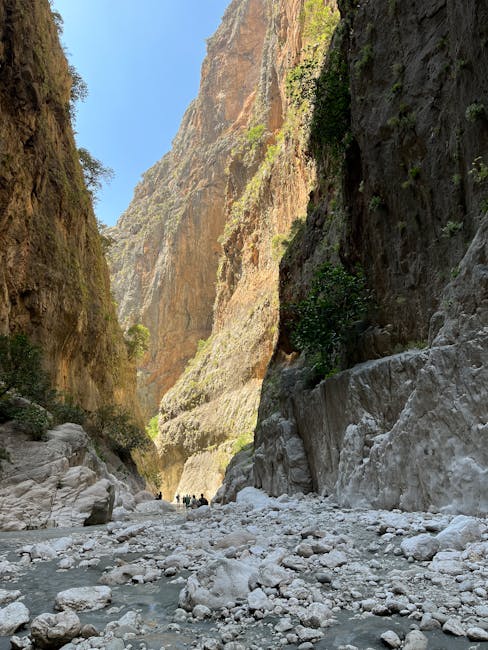
Imbros village (Imvros) keeps the feel of a mountain Cretan village. Central address: Imbros, 730 11 Sfakia, Chania, Crete, Greece. On the village square you’ll find one or two kafeneia (traditional cafés) where locals gather from the morning to chat over Greek coffee or a glass of raki. Typical opening hours: kafeneia open from about 07:30 to 23:00; in summer some tavernas stay open later. Indicative prices: Greek coffee €1.20–2.50, a small measure of raki €1.50–3.00, a typical taverna lunch €8–15 per person.
Komitades (Komitades, 730 11 Sfakia, Chania, Crete, Greece) is a tiny hamlet where Imbros Gorge exits onto secondary roads. You’ll find traditional houses, some rooms to rent (family pensions) and spots to refill water. Family-run guesthouses in the area offer simple rooms with homemade breakfasts; approximate rates €30–60 a night in low season, €50–100 in high season (June–August). For reliable bookings, use recognised platforms or call hosts directly about a week before your stay.
Recommended tavernas on the nearby coast: Taverna Akti (example) in Chora Sfakion, address: Chora Sfakion, 730 11 Sfakia, Chania, Crete, Greece — generally open from 12:00 to 23:00; expect fresh fish dishes and mezzes for €10–20 per person. In Frangokastello (Frangokastello, 730 12 Sfakia, Chania, Crete, Greece), beachfront tavernas often serve Greek salads, grilled octopus and souvlaki for €8–18. Hours vary by season — in summer typically 10:00 to midnight.
Cliffs and coast: viewpoints, beaches and boat trips
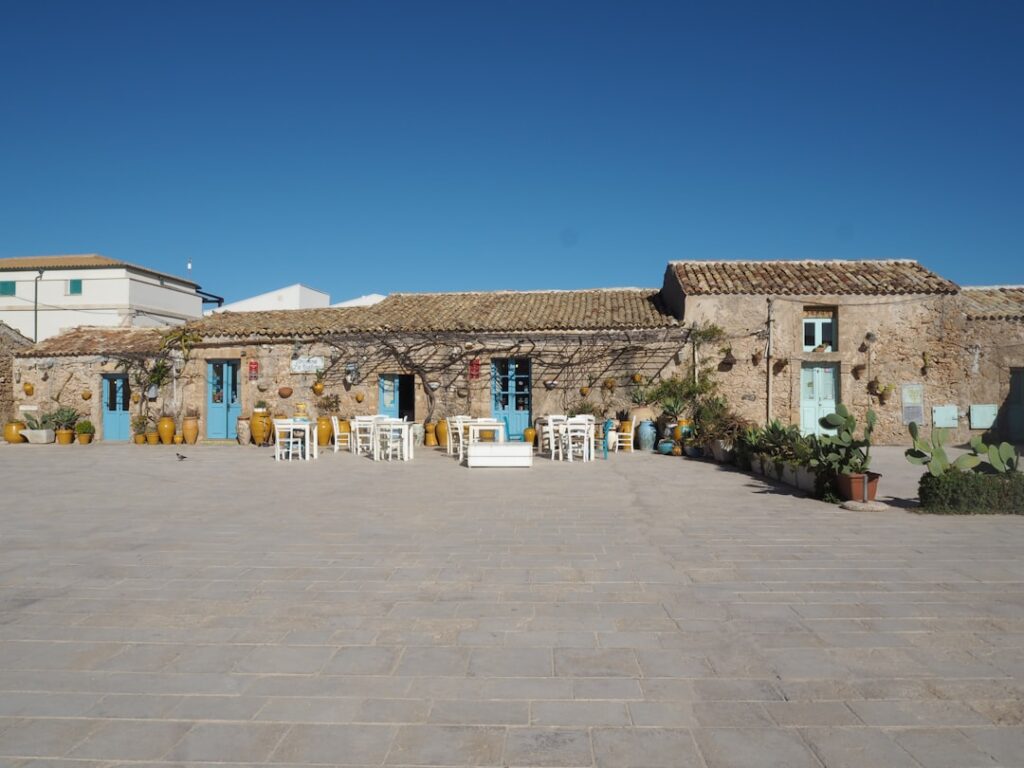
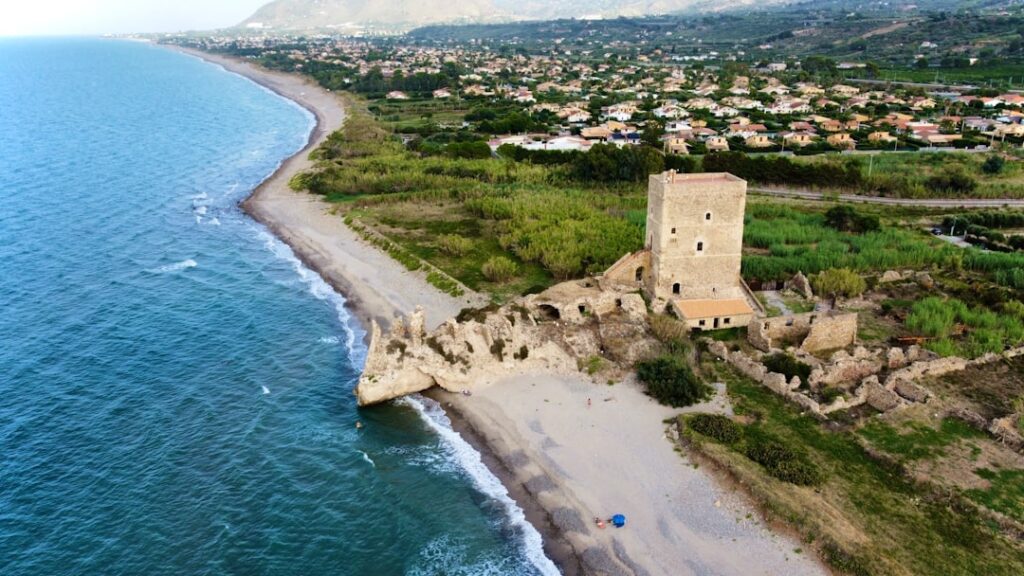
The cliffs overlooking the south coast around Imbros deliver spectacular views and access to often untouched beaches. Frangokastello (Frangokastello, 730 12 Sfakia, Chania, Crete, Greece) is one of the most photogenic spots: its Venetian fortress backed by a wide sandy and pebbly beach creates a striking contrast between stone and sea. Entry to the fortress is free; the beach is accessible year-round. In summer swimming is excellent and nearby tavernas serve local dishes. The best times to enjoy cliff views are sunrise and sunset, when the light softens the limestone.
Chora Sfakion (Hora Sfakion, Chora Sfakion, 730 11 Sfakia, Chania, Crete, Greece) is the main port of the area and the departure point for boat trips to Loutro and Gavdos. Water taxis usually operate from about 08:30 to 18:00 in summer; approximate prices: Chora Sfakion → Loutro €8–12 per trip, Chora Sfakion → Gavdos (day trip) €35–50 depending on operator and duration. Check departures at the port in the morning: schedules change with weather and demand.
Tips for coastal exploration: for ridge hikes bring a paper map or offline GPS — mobile reception can be unreliable. Respect nature: many coves are nesting sites for seabirds and other wildlife. If you want calmer swimming spots, choose compact pebble beaches (they tend to be cleaner and see fewer jellyfish). If you plan a boat excursion, book the day before and confirm safety equipment is provided; trips may be cancelled in strong winds.
Local tips, safety and suggested routes
Best times to visit: the most pleasant periods to explore Imbros and its surroundings are April to June and September to October. In July–August heat and crowds rise: start hikes early and carry cold drinks. In winter the area remains accessible but some secondary roads can be affected by rain; check local conditions.
Safety and kit: always bring enough water (1.5–2 L for a half-day, more if you plan to swim), appropriate shoes, a hat, sunglasses and sunscreen. A small first-aid kit, a lightweight emergency blanket and a charged phone are recommended. Let someone know your route if you go alone; Imbros and Komitades have cafés where you can leave a message if needed.
Recommended itineraries:
- Classic Imbros Gorge hike: start Imbros (730 11 Sfakia) → Komitades → bus or walk to Chora Sfakion. Duration 1.5–3 h, moderate difficulty. Free access.
- Mountain-to-coast loop: morning in Imbros Gorge, afternoon relaxing and swimming at Frangokastello (730 12 Sfakia). Allow 3–6 h depending on breaks.
- Sea trip: Chora Sfakion → Loutro → walk to Finikas or return by boat. Check boat fares €8–12 per trip (summer).
Respecting local culture: locals are proud of their traditions. In kafeneia and tavernas use simple greetings (« kalimera » in the morning, « efcharisto » to say thank you), respect quiet hours and ask permission before photographing elderly people. Villagers appreciate visitors who walk slowly, buy local products and treat the environment with care.
Conclusion — Why Imbros deserves a spot on your Cretan itinerary
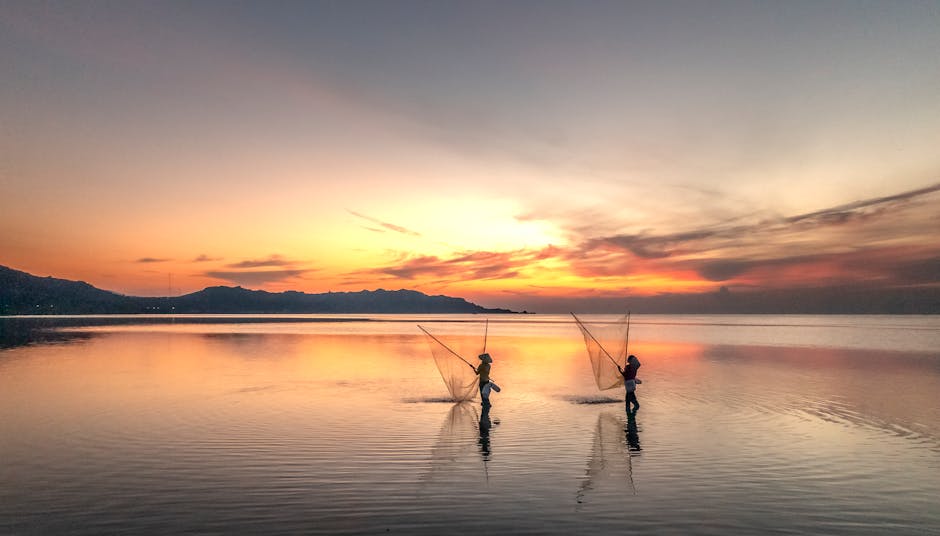
Imbros, with its friendly gorge, intimate villages and cliffs plunging into clear water, is an authentic alternative to Crete’s better-known hotspots. It’s a place where you can hear footsteps on stone, share a glass of raki with villagers, swim in a secluded cove after a walk and watch a sunset set the cliff ablaze. The practical details in this guide — local addresses, typical opening times, indicative prices and safety tips — are meant to help you plan a calm, respectful visit. While the area is relatively accessible, good preparation (water, shoes, checked bus times) will make your experience safer and far more enjoyable.
Finally, Imbros is a corner of Crete where mountain and sea converse: every trail reveals a new viewpoint, every taverna a new flavour, and every cliff a fresh scene. Take the time to go beyond postcard photos: talk to the locals, taste homemade dishes and let village life set the pace. That’s how a visit to Imbros becomes more than a destination — it turns into a lasting memory of a deep, well-preserved Crete.