





Introduction — Industrial and Modern Heritage: Unusual Museums to Explore in Crete
Crete isn’t just beaches, gorges and Minoan sites: it’s also an island of craft, machinery, infrastructure and innovation. Over the centuries, the island developed industries tied to the sea, food processing (olive oil, wine), energy and transport. Today several museums — often overlooked by standard tourist routes — tell these stories through objects, restored industrial buildings, preserved machines and live demonstrations. This guide takes you on an immersive tour of Crete’s industrial and modern museums, pointing out concrete sites where you can understand how the island’s resources were produced, transported and transformed.
While exploring these museums you’ll find millennial olive workshops converted into exhibitions, locomotives and maritime equipment displayed in old docks, displays on the region’s energy history, and spaces dedicated to modern industrialization and 20th-century architecture. Many of these venues are housed in listed buildings or rehabilitated port areas and offer a different view of Crete, far from the usual seaside imagery: expect wooden oil presses, dry docks, navigation instruments, educational panels on techniques, and often testimonies from artisans still at work.
This article has a twofold aim: to provide practical information (official names, addresses, prices, hours) to plan your visits, and to offer a cultural and sensitive reading of these industrial heritages. Whether you’re a fan of technical history, a photographer, or simply curious, these museums help reveal the economic and social forces that shaped the island. Each profile includes a detailed description of the collections, local tips (best times to visit, access, combined visit ideas) and useful info on services (guided tours, temporary exhibitions, on-site cafés or shops).
Important: the opening hours and prices in this guide reflect the most recent public information but can change with the season or for administrative reasons. We recommend checking official websites or phoning ahead before you travel. The addresses and practical details make navigation easier, especially if you plan an itinerary that combines the sea and industrial heritage. Bring your camera: the atmospheres of old workshops, cast-iron machines and industrial architecture are extremely photogenic. Enjoy your visit to Crete as you follow the traces of a surprisingly modern and industrial past.
Natural History Museum of Crete — Heraklion: science, energy and processing techniques
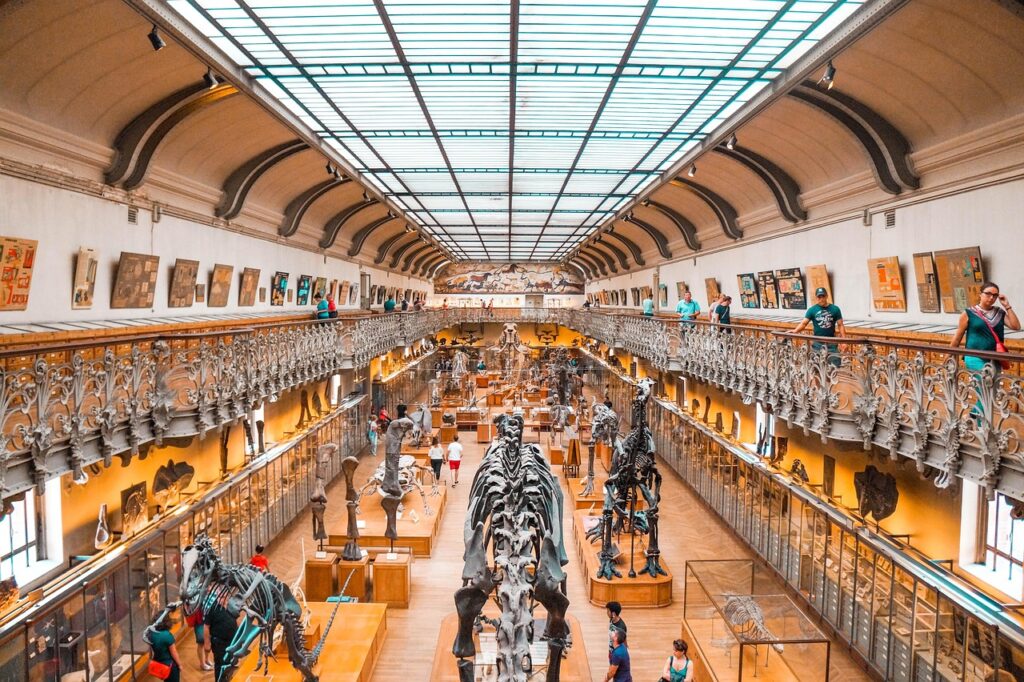
The Natural History Museum of Crete is located on the university campus at Voutes, near Heraklion, but its scope goes beyond natural history: a large part of the collections and temporary exhibitions focuses on human-environment interactions, traditional processing techniques (notably olive oil) and regional energy issues. Exact address: Natural History Museum of Crete, University Campus (Voutes), 71409 Heraklion, Crete.
Hours and prices: generally open Tuesday to Sunday, 09:00–17:00 (closed Monday). Indicative admission: adults €6.00 — reduced (students, seniors) €3.50 — children under 12 free. These rates may change; check online before visiting. The museum also offers combined tickets with the campus Botanical Garden or family workshops (variable prices, often an extra €3–8 per workshop).
Immersive description: the entrance leads to galleries on Cretan ecosystems, then moves quickly into sections on techniques for capturing and using resources: models of old watermills, interactive demonstrations on oil drying, and exhibitions about the energy footprint of agricultural processes. Display cases hold metal and wooden tools, local engineers’ notebooks and photos of coastal factories. A room dedicated to climate change links traditional know-how (irrigation systems, olive cultivation) to contemporary challenges: island power grids, small hydroelectric schemes and experimental solar projects.
Local tips: arrive early to make use of audio guides in English and Greek, often available at reception. The campus offers botanical walks in the late morning: combine the museum visit with a stroll to see the plants that support the island’s economy. If you’re a photographer, ask permission for interior shots — the museum often allows non-commercial photography without flash. Lastly, check weekend workshop schedules; they often let you handle small presses and physically grasp how oil is produced.
Lychnostatis Open Air Museum — Hersonissos: traditional trades, old mills and olive presses
Lychnostatis Open Air Museum, located in Anissaras (municipality of Hersonissos), is a nearly theatrical immersion into Crete’s rural industries. Exact address: Lychnostatis Open Air Museum, Anissaras, Hersonissos, 70014 Heraklion, Crete. The museum reconstructs workshops and small production units: oil mills, stone presses, cellars, weavers and pottery workshops. It connects intangible heritage (skills) with household industrial objects.
Hours and prices: usually open daily in high season (April–October) from 09:00 to 19:00, with reduced hours off-season (10:00–16:00). Indicative adult ticket €8.00; discounts for students and groups (around €4.00–5.00). Some demonstrations (pressing demos, tastings) are paid separately, between €2.00 and €6.00 depending on the workshop. Check seasonality for live demonstrations.
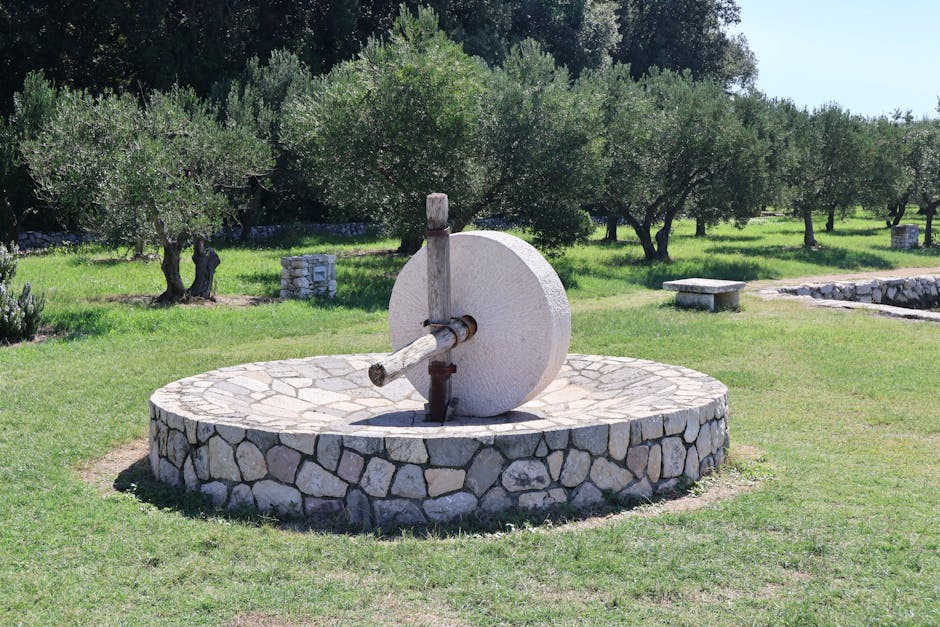
Immersive description: Lychnostatis mixes authentic buildings with reconstructions. You’ll walk down an avenue lined with old presses, pass the restored large wheel of a watermill and step into a weaving workshop where artisans demonstrate wool rug making. The olive-growing sections are particularly rich: manually operated wooden presses, stone vats and settling pools map every step from olive picking to bottling. A hands-on “workshop” corner offers sensory demos: smell fresh olives, taste different oil qualities and learn to detect flaws.
Local tips: Lychnostatis is very photogenic in the afternoon when the light brings out the textures of wood and stone. For a full experience, book a pressing demonstration (often in Greek and English) and the guided oil tasting — ask ahead if an English-speaking guide is available. If you’re traveling with family, the museum offers playful activities for children (soap-making from oil, short themed tours). Finally, combine this visit with a stop in the port village of Hersonissos to see the continuity between production and maritime export.
Maritime Museum of Crete — Chania: shipbuilding, yards and maritime techniques
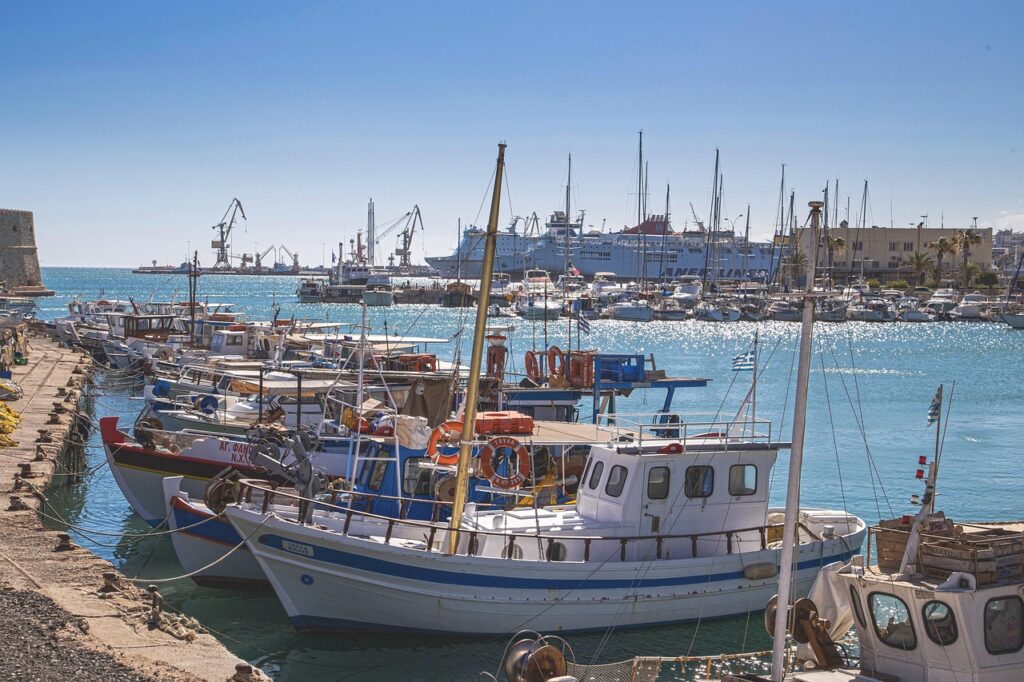
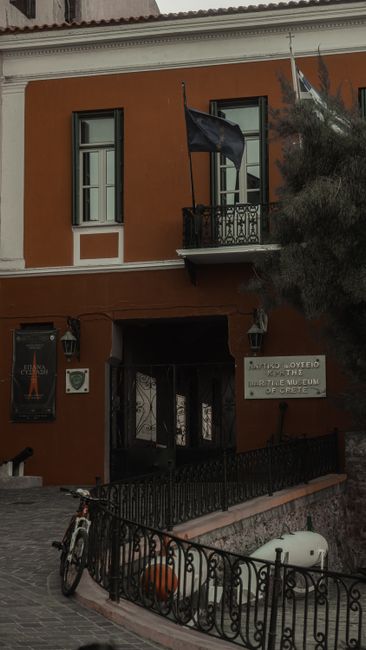
The Maritime Museum of Crete in Chania is a must-see for understanding Crete’s maritime and industrial importance. Exact address: Maritime Museum of Crete, Halidon 6, Chania 731 32, Crete. Located near the old Venetian harbor, the museum displays a rich collection of navigation instruments, models, engines and ship parts used in local yards.
Hours and prices: typically open daily in high season from 09:00 to 17:00; in low season hours are reduced and it may close on Mondays. Indicative adult ticket €5.00; reduced €3.00; free for children under 6. Themed guided tours (shipyards, traditional fishing, military navigation) are available on request and can cost €8–15 per person depending on duration and guide language.
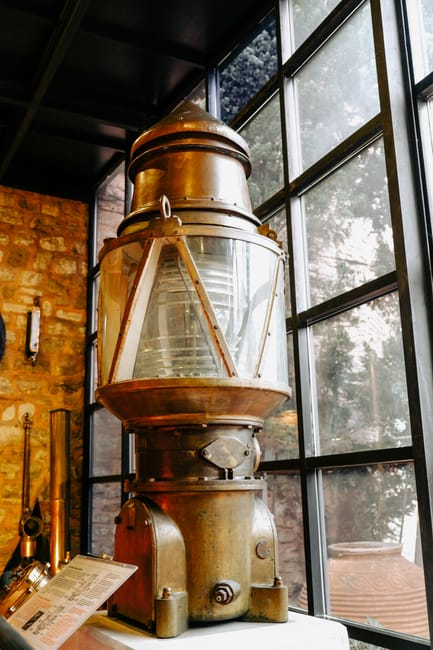
Immersive description: from the moment you enter you’ll notice the smell of wood and metal and the density of technical objects: sextants, oversized compasses, diesel engine parts from local fleet vessels and hull sections that demonstrate construction techniques. The “shipyards” section reconstructs a quay with tools, winches and original plans; you can visualize the assembly sequence of a small traditional schooner up to modern motorization. The museum also shows archival photographs illustrating port modernization and the establishment of mechanical and metalworking workshops in the 20th century.
Local tips: plan your visit in the morning so you have time to explore the harbor afterward. The museum often offers combined routes with the Venetian lighthouse and restored dry docks — perfect for photographing engines and hull silhouettes at sunset. If you’re into technical details, ask staff about the exhibited engines: some come from local fishing vessels and were fully restored by port mechanics. Also check for temporary lectures: local researchers frequently present work on maritime archaeology and marine metallurgy.
Eleftherios Venizelos Museum and other modern spaces — political and industrial heritage
Museums dedicated to the modern period in Crete — whether focused on political figures (like Eleftherios Venizelos) or exhibitions about urbanism and 20th-century infrastructure — round out the island’s industrial panorama. The Eleftherios Venizelos Museum is housed in his birthplace/pavilion in Mournies near Chania. Approximate address for planning: Eleftherios Venizelos Museum, Mournies, Chania 731 00, Crete. Beyond political life, the museum traces administrative and technical changes that accompanied Crete’s modernization in the early 20th century: telecommunications, vanished local railways, port developments and public buildings.
Hours and prices: often open Tuesday to Sunday with variable hours (09:00–15:00); indicative adult admission €4.00–6.00, with discounts for students and seniors. The museum organizes temporary exhibitions on architecture, industrial photography and communication technologies (old telegraph lines, transmission stations), sometimes in partnership with universities and research centers.
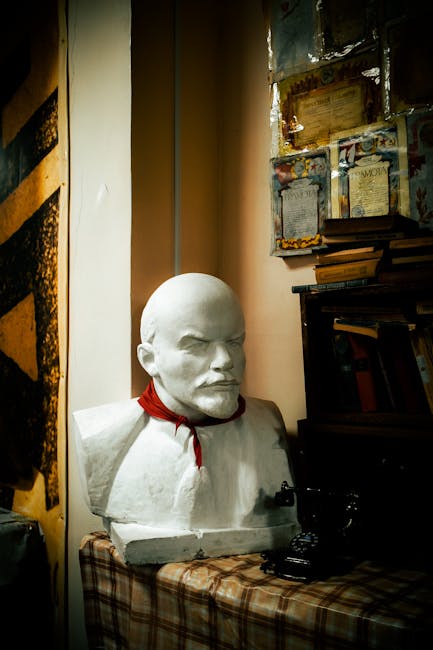
Immersive description: the exhibits link personal archives, engineers’ plans and tangible objects (telegraphs, typewriters, port blueprints). You’ll frequently find sections on public infrastructure: modern aqueducts, electricity networks introduced during the interwar period and post-war rural electrification initiatives. Some temporary shows present technical documents — bridge drawings, topographic surveys and workshop photographs. The value here is seeing how politics and technology combined to transform daily life for Cretans.
Local tips: pair the visit with a walking route around Chania’s modernist buildings (town halls, rehabilitated stations, former customs offices) to see how industrial changes translated into architecture. Check the museum’s cultural calendar (lectures, screenings): they’re great opportunities to meet local historians, engineers and restorers involved in conserving industrial heritage.
Conclusion — Why visit these museums and how to plan your route
Visiting Crete’s industrial and modern museums gives you a different interpretation of the island: not only a land of antiquities and landscapes, but also a place shaped by techniques, machines and economic adaptations. These museums bring together varied collections — oil presses, boat engines, navigation instruments, urban plans and archival photographs — that contextualize Crete’s technological and social progress. They show that local industrialization was pragmatic, rooted in the sea, the land and available resources, and often driven by family or community initiatives.
Practical itinerary tips: if you have 1–2 days, combine Lychnostatis (Hersonissos) with the Natural History Museum of Crete (Heraklion) for a route focused on agro-industrial and environmental themes. For a day in Chania, visit the Maritime Museum of Crete then the Eleftherios Venizelos Museum and finish with a stroll around the old harbor to spot industrial traces in the urban landscape. Wear comfortable shoes (some workshops have uneven floors) and carry a pocket guide or notebook: many objects are easier to understand with notes and captions.
Final local tips: always check hours and prices online before you go; some temporary exhibitions require booking. Take advantage of practical demonstrations (oil tastings, pressing demos, children’s workshops) to make the experience sensory as well as visual. And don’t hesitate to talk with the guides: these museums are often staffed by local enthusiasts who tell stories of families, entrepreneurs and workers — narratives that bring machines and plans on the walls to life. Those encounters are the real treasure of a visit and will give you a richer understanding of Crete’s industrial and modern heritage.