





Introduction — Visiting a Family Winery in Crete: Experience the Secrets of Winemaking
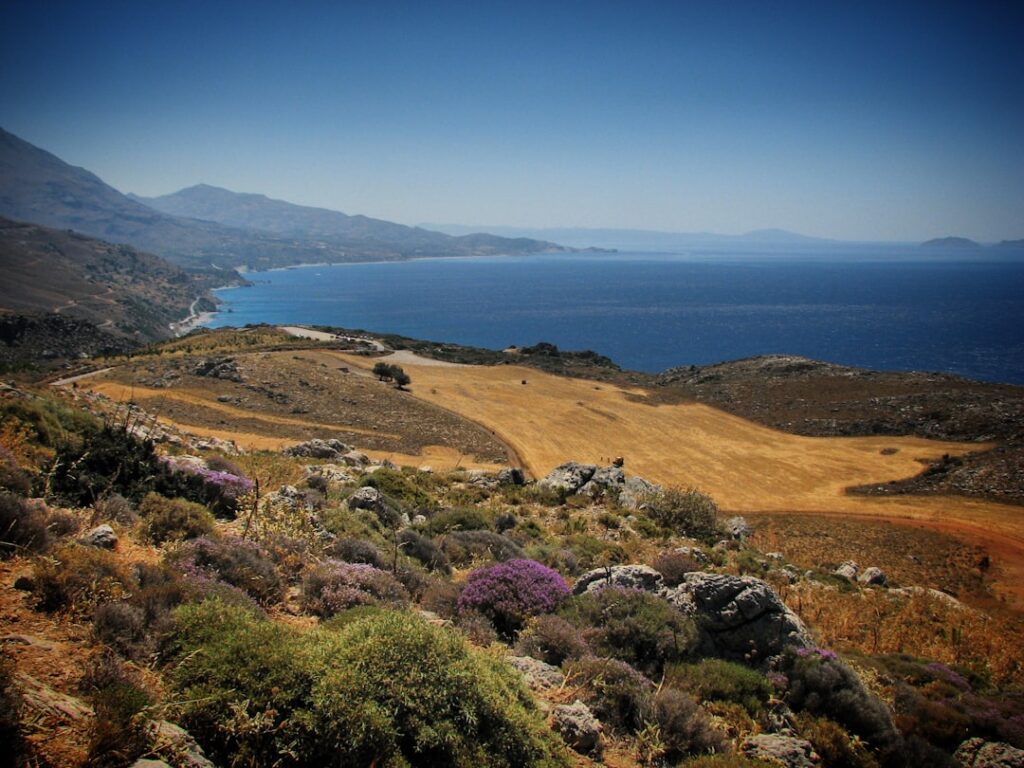
Crete is more than sunshine, beaches and hidden gorges: it’s also a land of ancient vineyards where families have turned winemaking into a living tradition. A visit to a family-run winery in Crete is far more than a tasting: it’s an immersion in a terroir of limestone soils, wind-swept valleys, varying altitudes and local grape varieties carefully preserved by generations. From the vine to the cellar, you’ll see how every choice—pruning, harvest, pressing, aging—bears the stamp of family history and know-how passed down over time.
In this practical, detailed guide I’ll walk you through a typical visit to a Cretan family estate: how to choose a winery, what to expect, places to see, useful addresses, tasting prices in euros, opening times, and, most importantly, local tips to make the most of the experience. Family wineries in Crete are often small and intimate: advance booking, punctuality and genuine curiosity will open doors. You’ll be able to talk to the owners, see the tanks and barrels, sometimes join a vertical tasting, help out during harvest if the season allows, and leave with bottles you can’t find elsewhere.
Expect human encounters: a patriarch may explain why he opts for full destemming, the daughter might check a fermenting tank while the son offers you a taste of last year’s wine. Family estates put local varieties front and center—vidiano, assyrtiko, vilana, liatiko, mantilaria—and aim to express the true character of their land. Cellars are not showrooms; they’re working spaces, sometimes damp and dusty, where the scent of fermenting grapes mixes with oak. Each tasting becomes a sensory lesson: sight, nose, palate, textures, acidity, tannins and the saline imprint of the nearby sea.
This guide gives precise, practical addresses to plan your visit, notes on tasting fees (usually between €10 and €30 per person depending on the offering), typical opening hours, and local tips—how to pair a visit with lunch, which producers to pick based on your interests (local cuisine, organic wines, amphora aging), and how to bring bottles home without damage. You’ll also find logistics advice: driving directions, parking, languages spoken on site, and what to bring (closed shoes, a jacket for the cellar, a camera for the landscapes).
One final tip before we dive in: respect the rhythm of the families. Family wineries are not mass tourist attractions; they open their doors to those who show interest and respect for the living heritage they protect. Be curious and ask technical questions if you have them, but also take the time to listen to sometimes moving stories of people who have devoted their lives to a vineyard. Ready to visit? Lace up your shoes, bring a notebook, and let’s explore the winemaking secrets of Crete.
Choosing the Family Winery: Routes, Addresses and First Contacts
Crete has dozens of family wineries scattered across Chania, Rethymnon, Heraklion and Lasithi. Depending on where you’re based, you’ll pick a winery reachable for a half-day or a full-day excursion. Here are three representative estates with exact addresses, indicative hours and prices, and why each is worth a visit.
-
Lyrarakis Winery — Lyrarakis Family Winery
Address: Lyrarakis Family Winery, Main Street Lygaria, 73008 Anogeia, Heraklion, Crete, Greece
Hours: tours and tastings by appointment Monday–Saturday, 10:00–17:00 (closed Sunday).
Price: standard tasting €15 / person (3 wines), premium tasting €25 / person (5 wines + small plate of local cheeses).
Why visit: Lyrarakis is renowned for its research on indigenous varieties and micro-vinifications—a perfect blend of tradition and science. -
Douloufakis Winery — Douloufakis Family Estate
Address: Douloufakis Winery, Gergeri, P.O. Box 16, 702 00 Asterousia, Heraklion, Crete, Greece
Hours: guided tours daily 09:30–16:30 (seasonal variations possible).
Price: €10 / person for the basic tasting (4 wines), €20 / person for a food-and-wine pairing workshop (includes local tapas).
Why visit: a small-scale estate focused on organic viticulture and amphora aging, with a warm family welcome. -
Manousakis Winery — Manousakis Family Cellars
Address: Manousakis Winery, Kissamos Road, 73400 Chania, Crete, Greece (Kounoupidiana area).
Hours: open to the public daily, tours at 11:00 and 16:00; booking recommended.
Price: tasting tour €12 / person (4 wines); full visit with lunch €30–45 / person depending on the menu.
Why visit: an interesting mix of international and local varieties, lovely views over the plain and the sea, and the chance to buy limited vintages.
Booking ahead is essential, especially in high season (May–October). To reserve, call the number listed on the winery’s website or send an email: most small estates prefer confirmation by message. If you’re travelling in high season and come as a group (4 people or more), mention it so the family can prepare a more in-depth visit and possibly lunch. Also allow some buffer time: visitors who linger are usually welcome if you give notice, because tastings often turn into friendly conversations.
In the Vineyard: Understanding Terroir, Grape Varieties and Cretan Viticulture
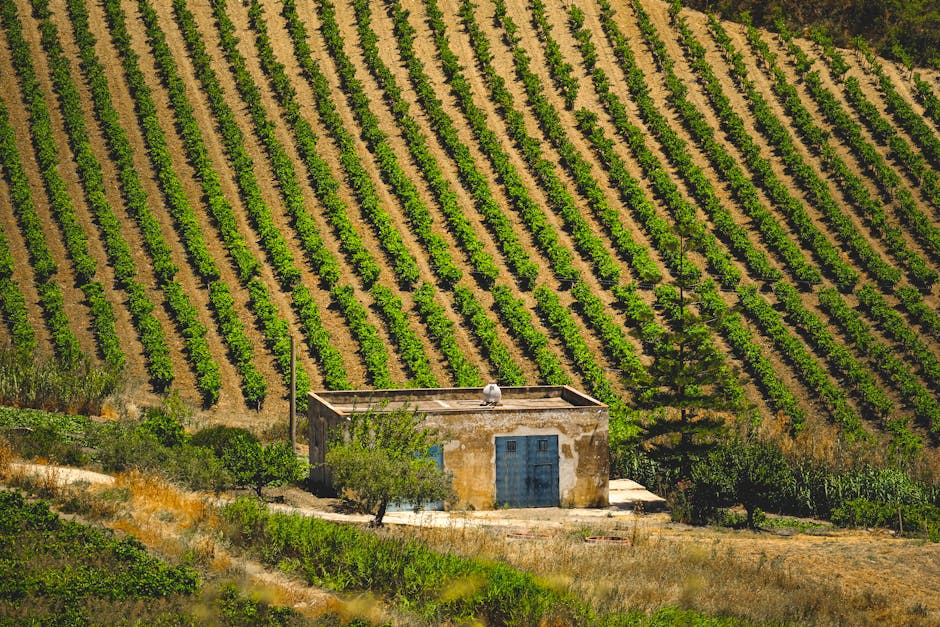
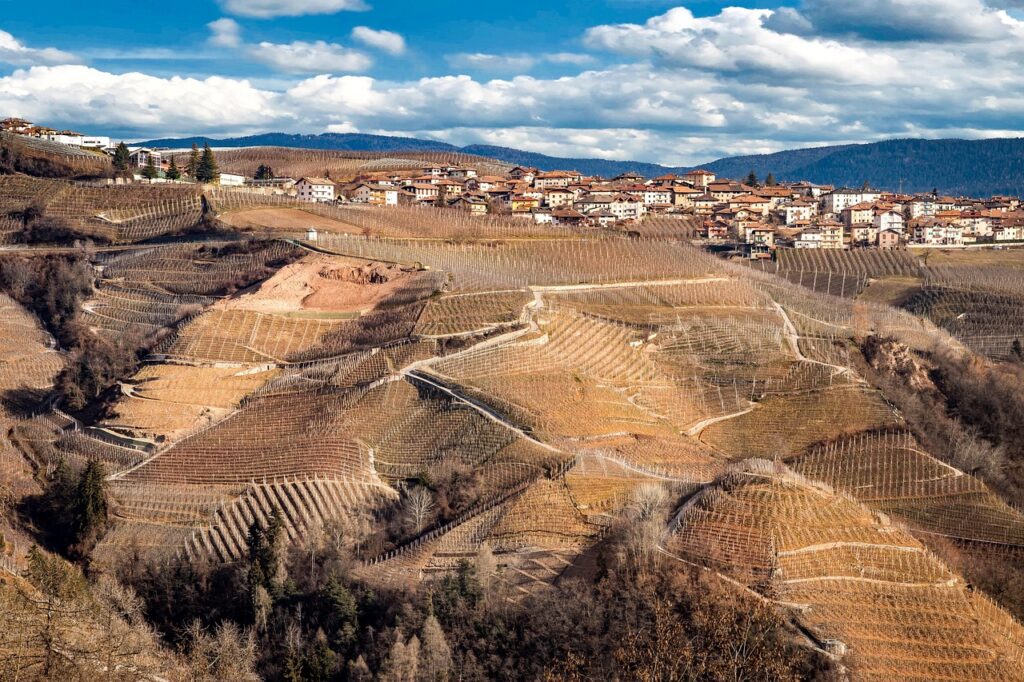
The first part of a visit is often a walk through the vineyards. Cretan vineyards grow on very diverse soils: alluvial plains, limestone hills, rocky terraces on mountain slopes. These variations yield a rich aromatic palette. During the tour, the owner will explain soil characteristics (limestone, schist, clay), the exposure of the parcels (south, west, altitude) and the impact of the sea breeze when vines are close to the coast.
In Crete you’ll encounter indigenous varieties alongside some internationals. Among the white locals, vidiano (mainly around Heraklion), vilana (native to Lasithi), and assyrtiko (widely planted and well-suited to limestone soils) are common. On the red side, liatiko (warm and aromatic, also used for fortified sweet wines), mantilaria and kotsifali often complete blends. Family winemakers love to talk about local clones, grafting onto rootstocks adapted to drought, and training systems—bush-vine (gobelet) for dry areas, Guyot for more irrigated parcels.
Technical points you’ll often see and hear about:
- Pruning: in winter, short pruning on local varieties helps concentrate aromas; the family will show canes and explain how vine balance controls yield.
- Irrigation: many terraced vineyards are not irrigated; water is managed sparingly and bush-vine training helps retain moisture.
- Harvest: in Crete the harvest often starts late August–early October depending on altitude; in family estates picking is often done by hand to preserve grape integrity.
- Pest and disease management: expect integrated practices—targeted, often limited treatments, and organic certification at some estates (look for “BIO” signs at reception).
Ask to touch the soil, smell a leaf, compare two bunches: winemakers love to show the difference between a hillside plot and a plain plot. Take notes on microclimates: a plot exposed to sea breezes can produce wines with saline freshness, while a sheltered parcel will give riper, rounder wines. These details explain house blending decisions, aging choices and cellaring potential.
In the Cellar: Winemaking Steps, Equipment and Technical Mysteries
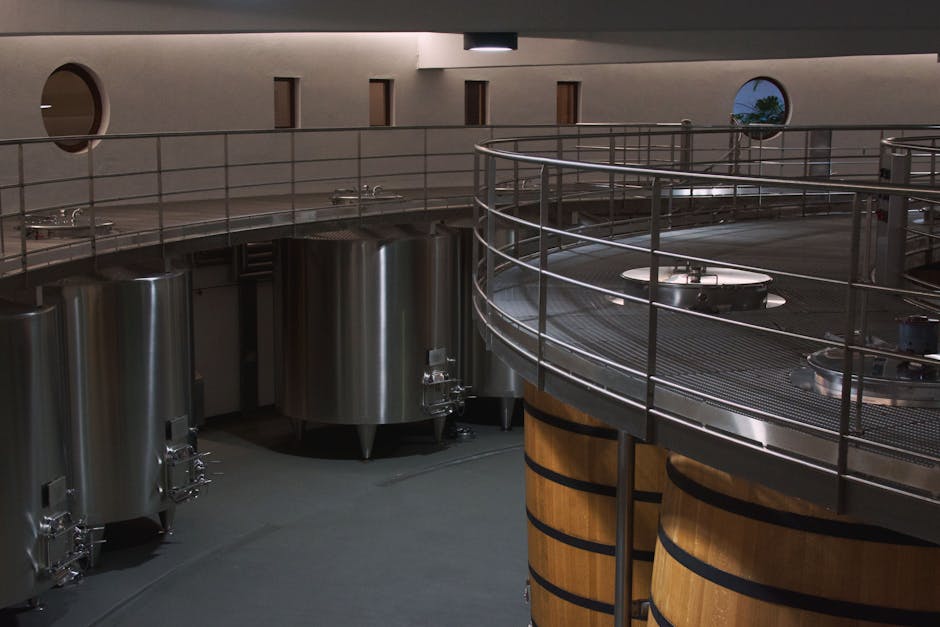
The cellar of a family estate is often the discreet heart of the operation. There you’ll see stainless steel tanks, sometimes concrete vats, clay amphorae (pithoi) and oak barrels. The guided tour will walk you through the key steps: crushing, pressing, settling, fermentation, racking, aging, blending and bottling. Family winemakers enjoy explaining why they ferment at controlled temperatures or why some lots are aged long in amphorae rather than oak.
Technical points you can observe and have explained during the visit:
- Crushing / Pressing: traditionally manual for small lots, mechanical for larger volumes. You may even see an old vertical wooden press restored for demonstrations.
- Alcoholic fermentation: in stainless steel with temperature control; some estates ferment in open vats to extract more aroma.
- Aging: French or American oak barrels, amphorae, concrete—each vessel brings different textures and complexities. Families often explain their choice of aging for a particular wine.
- Filtration and stabilization: modern techniques to clarify wines without losing personality; ask why a producer opts for light filtration versus no filtration for terroir-driven wines.
- Sensory and analytical controls: the family will often show the cellar logbook where each lot is recorded with pH, total acidity and alcohol levels.
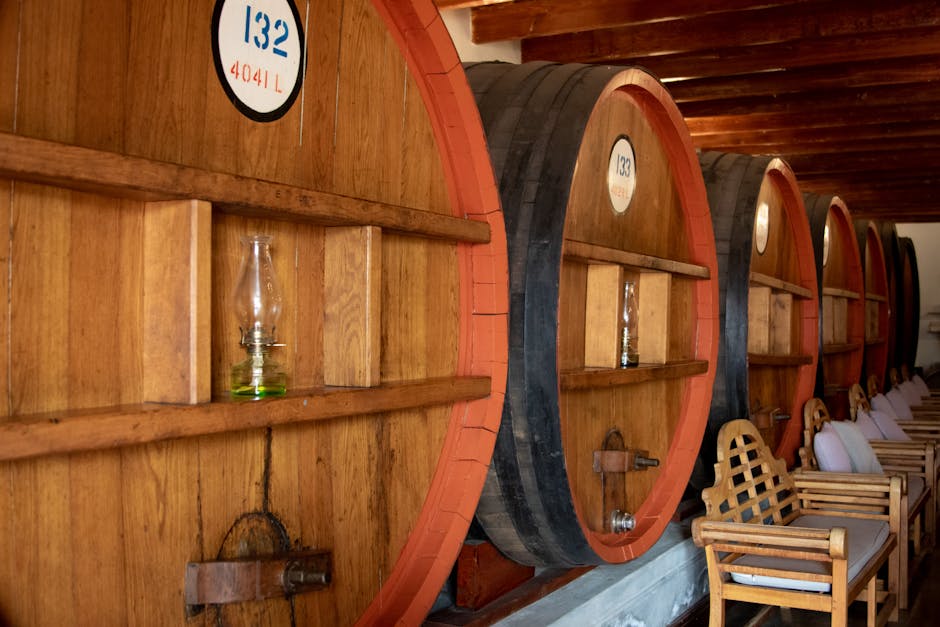
Don’t miss the barrel area: it’s common for a barrel to be labeled with the date, the plot and the winemaker’s first name. These notes tell the wine’s story. If you’re lucky you might taste an aging barrel sample (pre-bottling): less finished but fantastic for understanding aromatic evolution. Estates practicing natural winemaking will explain their philosophy: low intervention, indigenous yeasts, low sulfites, no filtration. These approaches require technical vigilance; families will share the challenges they face (microbial stability, preservation).
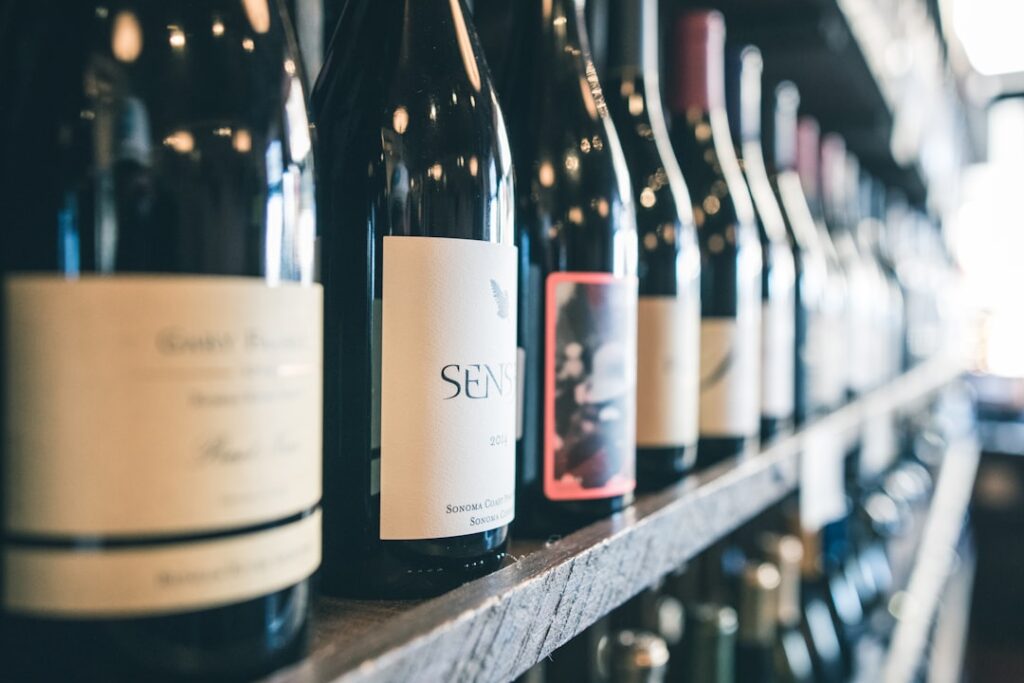
Typical on-site purchase prices: a standard 0.75 L bottle ranges from €8 to €20 depending on the estate; special cuvées or limited vintages can reach €30–60 per bottle. Many estates offer discounts for case purchases (usually 10–15% off for 6 or 12 bottles). Always ask if international shipping is possible—some wineries ship via specialized services, but check fees and timing.
Tasting and Pairings: Learn on Site and Savor Crete
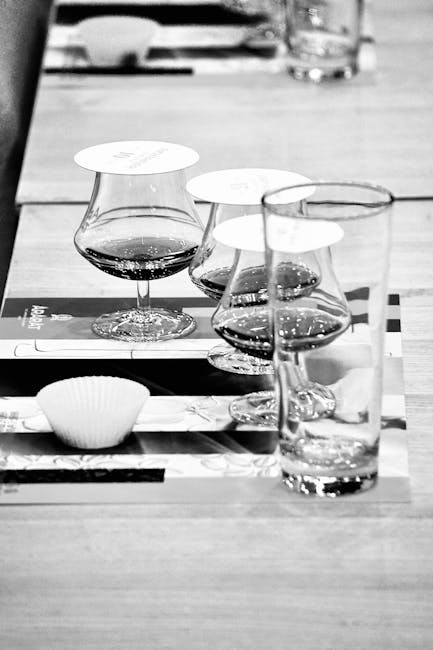
The tasting is the culmination of the visit. Family wineries often offer several formats: short tasting (3 wines), extended tasting (5–7 wines), or a food-and-wine pairing workshop featuring local products (cheeses, honey, olive oil, cured meats). Here’s how to get the most from this stage.
If the tasting is guided, follow the progression: young whites first, then rosés, lighter reds, fuller reds and finally a sweet or dessert wine if the estate produces one. Winemakers will teach you to distinguish fruit weight, acidity, tannic structure, finish and secondary aromas from oak. In Crete expect Mediterranean notes: dried herbs, mineral sands, citrus, honey and sometimes a mouthwatering salinity if the vines are near the shore.
Examples of local pairings:
- Dry vidiano with dakos (Cretan barley rusk salad) and fresh cheeses—acidity and texture pair well.
- Vilana with grilled fish from the Aegean—floral, mineral whites that match seafood’s lightness.
- Liatiko with a touch of oak alongside lamb stew or spiced local dishes—the wine’s richness supports protein-forward plates.
- Sweet mantilaria wines with honey desserts and dried fruit—balanced sweetness and acidity.
Pricing and reservations: most guided tastings cost €10–25 per person. Food-and-wine workshops usually range from €20 to €45 depending on quality and portion sizes. Many wineries also sell local product baskets (olive oil 500 mL ≈ €8–15, artisan cheeses €6–12 depending on type).
Practical tips:
- Don’t eat very spicy foods right before a tasting; they can distort your sense of aromas.
- If you’re driving, plan a designated driver; several wineries work with local transport services (round-trip transfers ≈ €40–80 depending on distance and group size).
- Bring a small cooler if you buy multiple bottles and plan to travel the same day: high temperatures can damage wine.
Local Tips and Logistics: Prepare, Book and Respect Tradition
Preparing a visit to a family winery takes a bit of organization. Here’s a practical checklist to get the most from your experience:
- Booking: essential in high season. Call or email 1–2 weeks in advance. For groups of 6 or more, mention it; many small estates limit groups to 8–12 visitors.
- Transport: rent a car if you plan to visit several wineries in one day. Crete’s secondary roads are scenic but sometimes narrow—opt for a compact vehicle. If you don’t want to drive, arrange a driver through your hotel or ask the winery for local taxi contacts (indicative price: €30–70 depending on distance).
- Languages: most families speak Greek; staff often speak English and sometimes French or German depending on the estate. If you want a tour in French, request it when booking; some wineries can organize French-speaking guides on request (may incur extra fees).
- Attire: closed shoes with non-slip soles for vineyard and cellar visits. Bring a light jacket for cooler cellars, especially in late autumn or winter.
- Budget: plan €15–50 per person for a visit + tasting, and set aside money for purchases (a good bottle bought on site is often better value than tourist prices). Many estates accept cards, but bring some cash (€) for small local stalls.
- Respect: family wineries are run by people’s families—avoid intrusive photos during work moments and always ask permission before taking family portraits.
Local tip: combine the winery visit with lunch at a local producer or a nearby taverna (e.g. « Taverna Stamatakis, Main Street, Anogeia »—ask the estate for tavern recommendations). That immediate pairing of the terroir you just explored with the local cuisine makes the tasting more tangible and memorable.
Conclusion — Take Home More Than a Bottle: The Human Experience and the Memory of Terroir
Visiting a family winery in Crete is a sensory and human interlude that goes far beyond buying a nice bottle. You’ll leave with vivid memories: the salty wind over the vines, the smell of must fermenting, the color of a young red, the winemaker’s voice recounting a difficult harvest. These experiences explain why family wines carry a “signature”: that of a place, a story, a family. Far from standardized tours, these visits reveal the intimate bond between people and land, the patience needed to raise a wine, and respect for natural rhythms.
On a practical level, keep these points in mind: book ahead, be punctual, budget for tasting and purchases, and arrange your transport (car or transfer). Be curious about technique without being intrusive: ask to taste wines in barrel, compare parcels, and sample the difference between amphora and barrel aging. Photograph landscapes and labels, but also take a moment to simply listen—family stories, often told around a table, are the soul of the visit.
Crete offers family wineries for every taste: those seeking the mineral purity of a mountain white, lovers of structured reds, fans of amphora winemaking, or gourmets wanting to pair wine with local products. Whatever your preference, choose a small estate that will let you into its world—you’ll gain practical knowledge and lasting emotion. The bottles you buy on site will carry the memory of a place, a face and a story—the best souvenir from a trip to Crete.
To go further, note the addresses mentioned and contact them before you arrive: Lyrarakis Family Winery (Main Street Lygaria, 73008 Anogeia, Heraklion — tastings from €15), Douloufakis Winery (Gergeri, 702 00 Asterousia — tastings from €10), Manousakis Winery (Kissamos Road, 73400 Chania — tastings from €12). These estates are examples; Crete’s richness is also discovered off the beaten path and by leaving room for the unexpected—a small village cellar can reveal an unsuspected treasure.
Enjoy your wine journey in Crete: let the landscapes, the warmth of winemaking families and the authenticity of wines that tell the story of an island carry you away.