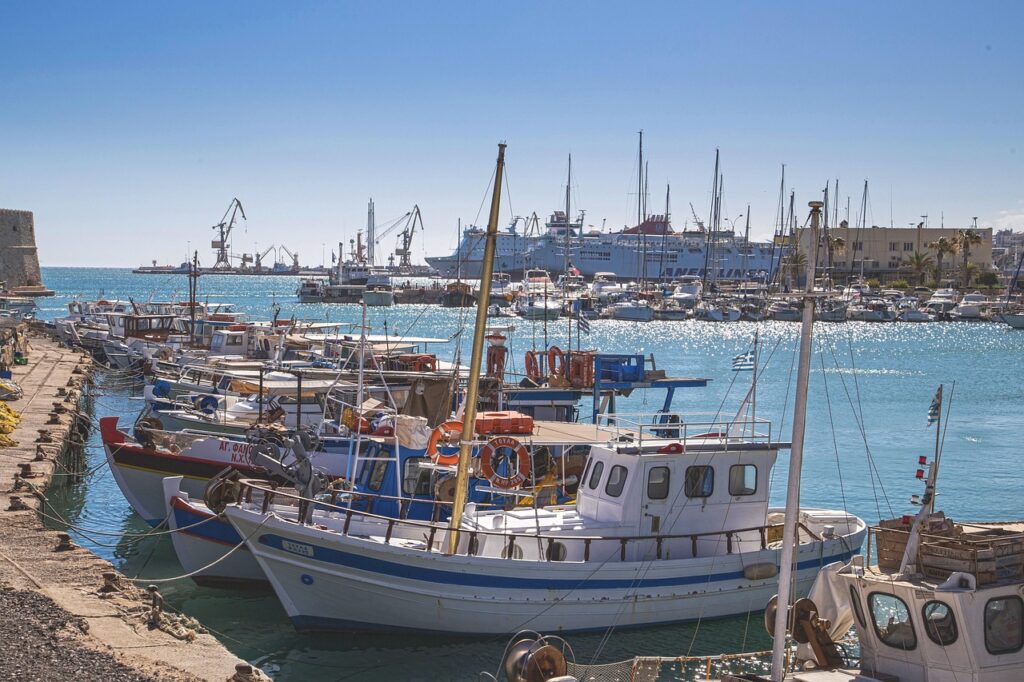






Introduction: Living history — why interactive museums are essential to understand contemporary Crete
Crete, Greece’s largest island, is more than the mythical birthplace of Zeus or a landscape of Mycenaean digs: it’s a living mosaic of ecosystems, farming traditions, maritime industries and cultural innovation. For the modern traveler who wants to go beyond postcards and panoramas, interactive museums are the best gateway. They turn sometimes centuries-old stories into sensory, playful and educational experiences that make the island’s contemporary issues tangible — sustainable agriculture, fishing, Cretan identity, recent history, and resilience in the face of climate challenges.
This comprehensive guide walks you through Crete’s main interactive museums and interpretation centers, focusing on places that tell the story of Crete today: its artisans, scientists, marine wildlife, writers, musicians and entrepreneurs. You’ll find detailed descriptions of the exhibits, practical information (exact addresses, prices in euros, opening hours), tips to get the most out of each visit, and local recommendations to extend the experience beyond the museum walls.
Why favor interactive museums? Because they ask for your participation: handling traditional farming tools, tasting products, virtually diving into the Cretan Sea, decoding a traditional musical score with software, or reconstructing an unstable ecosystem in augmented reality. These approaches help you better understand contemporary Crete, where past and present are constantly in conversation. They’re especially well suited to families, teachers and curious travelers who want a deeper, more nuanced understanding of the island.
This guide doesn’t stop at descriptions and opening hours: it also suggests possible itineraries, visit combinations (museum + local experience), and practical advice — when to buy tickets, how to avoid crowds, which transport to favor, what to eat nearby. Addresses and prices are provided to make planning easier. You’ll also find visual markers for each site, useful if you want to look for atmospheric images on free image banks like Unsplash or Pexels before your trip.
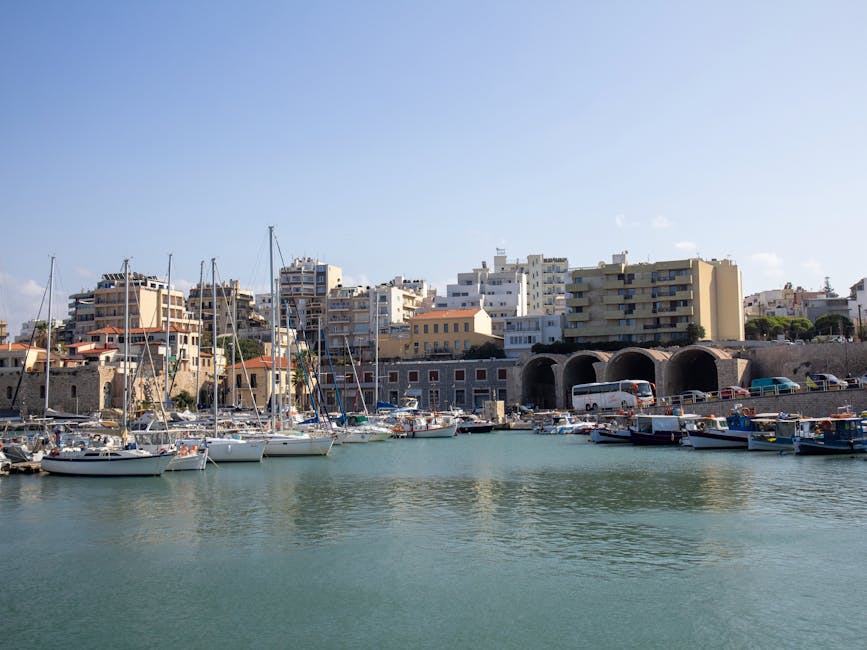
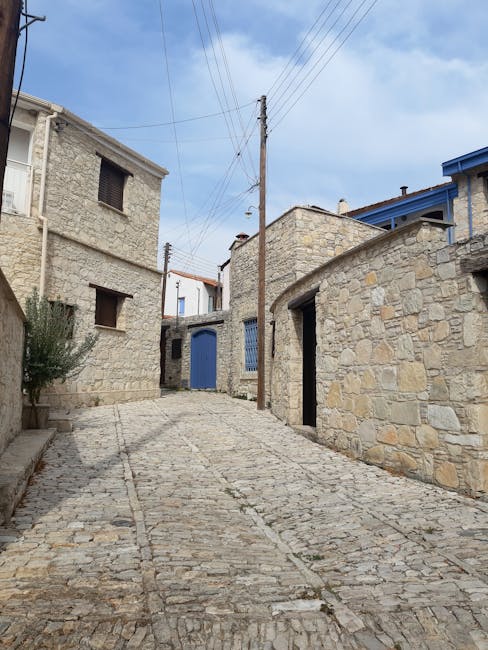
Heraklion and its interactive gateways: sea, nature and written culture
Heraklion, Crete’s lively capital, is more than just the hub for visiting Knossos: it’s also the ideal starting point for several major interactive museums that explain today’s Crete. Three venues stand out for their ability to immerse visitors.
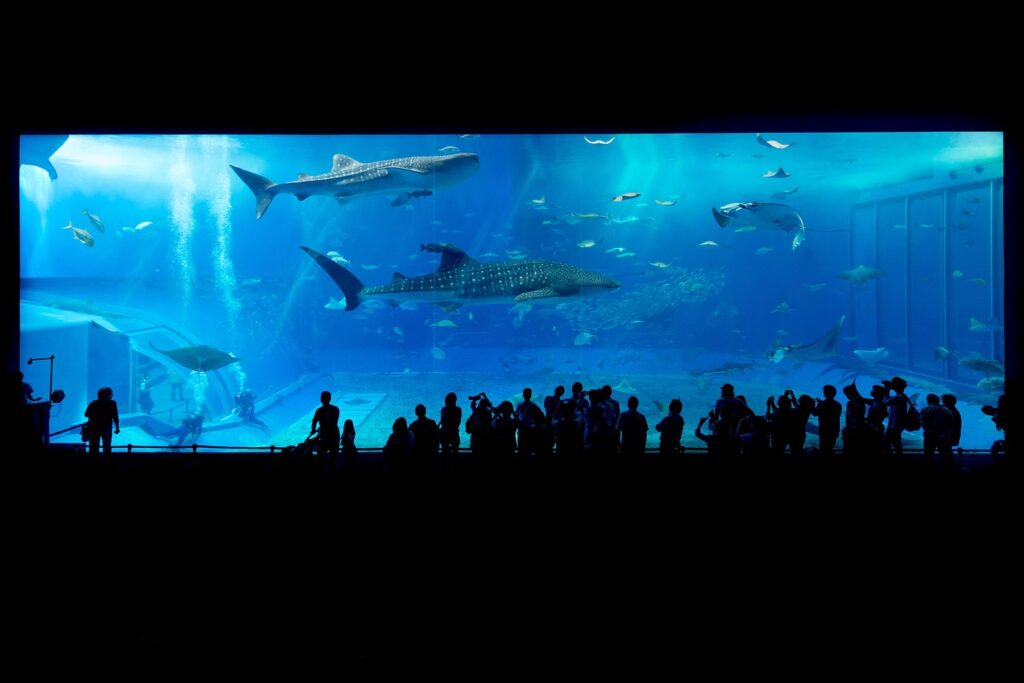
Cretaquarium Thalassocosmos — Address: Gournes Pediados, 715 00 Gournes, Heraklion, Crete, Greece. Opening hours: generally open daily 09:00–19:00 in high season (May–Sept), reduced hours in low season (10:00–16:00); check the website for public holidays. Price: adults €11.00; students/seniors €7.00; children (4–12) €6.00; children <4 free. Description: This large, modern aquarium offers touch tanks, audiovisual presentations on Mediterranean marine biology and virtual diving programs. The focus is on contemporary threats — plastics, overfishing, sea warming — and on local conservation actions. Local tip: arrive early in the morning to watch the feeding and avoid the afternoon heat. Enjoy the Gournes coastal promenade after your visit for a beach break.
Natural History Museum of Crete — Address: Leof. K. Palama 33 (University of Crete campus / Voutes area), 714 09 Heraklion (Voutes). Opening hours: Tue–Sun 09:00–17:00, closed Monday; extended hours in summer. Price: adults €8.00; students €5.00; children €4.00; family rates available. Description: More than a collections museum, this university-run space offers interactive displays on Cretan biodiversity, citizen science workshops and tactile stations where you can handle species identification tools. The exhibit on Cretan medicinal plants and their contemporary role in the local economy is particularly worth a visit. Local tip: sign up for a seasonal botany workshop or a guided outing to see endemic flora off the beaten track.
Heraklion Archaeological Museum — Address: Xanthoudidou 2, 712 02 Heraklion, Crete, Greece. Opening hours: Tue–Sun 08:00–20:00 (high season), reduced hours in low season; closed on some public holidays; check the official site. Price: adults €10.00; students €5.00; free for <18s and EU residents on the first Sunday of the month according to regulations. Description: While focused on antiquity, the museum has recently developed interactive sections and multimedia installations linking Minoan heritage to contemporary practices: 3D reconstructions of sites, touch stations about traditional crafts, and pottery workshops for children. It’s an excellent complement to understand how contemporary Cretan identity dialogues with its ancient past. Local tip: combine this visit with the Palace of Knossos (nearby) for a themed day; buy combined tickets in advance during high season to avoid queues.
 Click here to book your guided tour of the Palace of Knossos
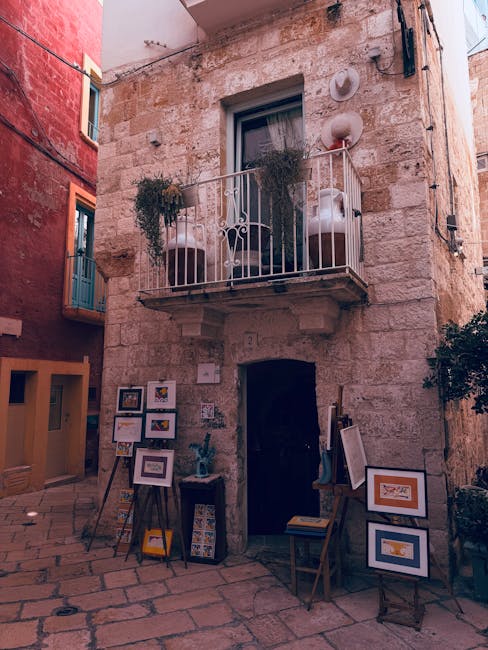
Chania and Rethymnon: contemporary art, traditions and participatory museography
On the island’s west, the cities of Chania and Rethymnon offer museum scenes that blend contemporary art, ethnography and living museums. These venues emphasize participation: workshops, artist residencies, sound labs and live craft demonstrations.
Municipal Art Gallery of Chania (Πινακοθήκη Χανίων) — Address: 35 Halidon Street, 731 32 Chania, Crete, Greece. Opening hours: Tue–Sun 10:00–18:00, closed Monday. Price: entry is usually free or a small suggested donation (€0–5.00) depending on temporary exhibitions. Description: Located in the old town, this gallery regularly features contemporary Cretan and Mediterranean art accompanied by interactive workshops where the public can join printmaking sessions, mural painting and collaborative interventions. Temporary shows often incorporate digital tools — augmented reality and participatory audio guides — to enrich the storytelling. Local tip: check the calendar for artist residencies; some sessions are open to the public and allow direct exchanges with the creators.
Archaeological Museum of Chania (Interactive programs) — Address: Chalidon 50, 731 34 Chania, Crete, Greece. Opening hours: Tue–Sun 08:30–15:30 (high season); hours vary off-season. Price: adults €8.00; reductions for students and groups. Description: Beyond its collections, the museum runs educational programs for children featuring historical puzzle games and conservation labs that explain how conservators work today to protect heritage from humidity and tourism. Ideal for families curious about the museum’s « workshop » side.
Rethymnon — Centre of Contemporary Art & Lychnostatis Open Air Museum
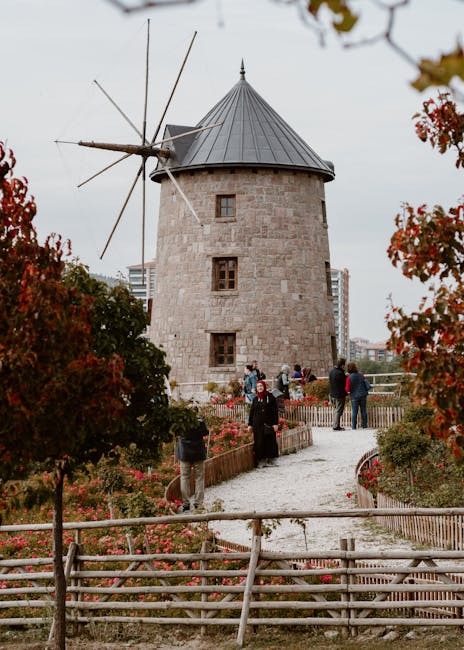
The Lychnostatis Open Air Museum — Address: Analipsi, Hersonissos / near Rethymnon area, Analipsi 700 14 Hersonissos (note: Lychnostatis is on the north-east coast; expect about a 1-hour drive from Rethymnon). Opening hours: open daily 09:00–17:00 (seasonal variations). Price: adults €6.00; students/seniors €4.00; children €3.00. Description: Lychnostatis is a living museum dedicated to traditional Cretan life: mills, ovens, pottery workshops and weaving demonstrations. Interactive activities include participating in the making of Cretan bread, olive demonstrations and traditional music sessions where visitors can learn rhythms and dances. Local tip: try the seasonal olive-pressing demo and buy a bottle of local olive oil on site — a meaningful souvenir.
Click here to discover Chania’s old town on foot
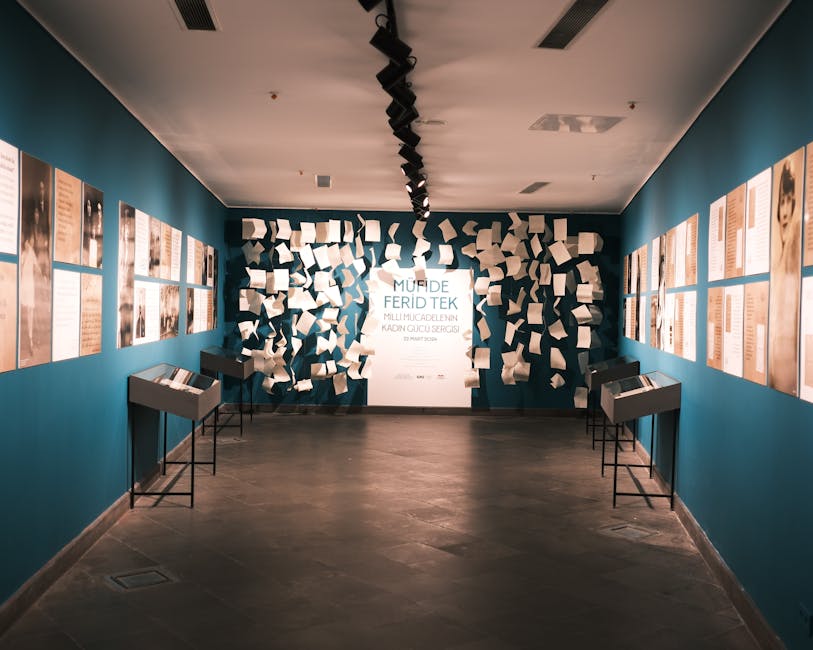
South and inland: writers, ethnology and museums that tell the story of today’s Crete
Inland and southern Crete are the realm of writers, small ethnographic museums and centers that address the island’s living memory — a memory still inhabited by songs, narratives and current agricultural practices. These institutions are often modest but remarkably rich in content and warmth.
Nikos Kazantzakis Museum — Address: Myrtia, Heraklion Prefecture, 700 13 Myrtia. Opening hours: Tue–Sun 09:00–17:00 (closed Monday), seasonal hours; check before you go. Price: adults €5.00; students/seniors €3.00; children <12 free. Description: Dedicated to the author of Zorba the Greek, this museum combines personal artifacts, digital manuscripts and audio installations where Kazantzakis’ voice echoes within a modern scenography. The interactive element includes multimedia kiosks that let you explore his texts by theme (politics, religion, travel) and listen to recorded readings in Greek, English and other languages. Local tip: extend your visit with a stroll through the village of Myrtia to admire rural architecture and enjoy local cuisine in a traditional kafeneio.
Museum of Cretan Ethnology — Address: Voutes / Anogia area (precise address often listed as Voretzia, Anogia, 740 52 Anogia, Rethymno prefecture). Opening hours: variable by season; often open Tue–Sun 10:00–16:00. Price: adults €6.00; reductions for students and school groups. Description: Focused on agricultural practices, animal husbandry, crafts and festivals, this museum offers interactive demonstrations (spinning, weaving, tool-making) along with a calendar of participatory workshops. It emphasizes intergenerational transmission and how traditional practices adapt to contemporary needs — rural tourism, organic farming, short supply chains. Local tip: take part in a half-day workshop; you’ll leave with an item you made yourself.
Village museums and interpretation centers — In villages like Archanes, Anogeia, Spili or Paleochora, small local museums offer guided visits, often by appointment. These places aren’t always prominent on large maps but are worth the effort: you’ll understand Cretan life today — resilient, creative and focused on preserving know-how. Practical advice: contact local tourist offices (EOT) or your accommodation to arrange private visits, often led by village elders who share stories and recipes.
Click here to book a day trip with a cooking class
Practical tips, tickets and combined experiences to optimize your discovery
Visiting Crete’s interactive museums takes a bit of planning: some sites are spread out, others close in low season, and many offer programs by reservation. Here are detailed practical tips to save time and enjoy richer experiences.
- Buy tickets in advance when possible. Places like Cretaquarium and the Archaeological Museum can get crowded in high season (July–August). For Knossos and the Archaeological Museum, buy combined tickets online in the morning to avoid the queues.
- Favor mornings and weekdays. Interactive exhibits, especially those for children, are quieter in the morning. Workshops fill up quickly late in the afternoon.
- Check the language of presentations. Many installations offer content in English and sometimes in other languages; for deeper experiences (readings, workshops), ask if there are versions in your language or English handouts.
- Combine museum + local experience. Example: Cretaquarium in the morning, fish lunch in Gournes, then visit an olive grove in the region in the afternoon. Or museum + workshop: Nikos Kazantzakis Museum followed by a walk around Myrtia and a coffee with a local.
- Transport and access. Main towns (Heraklion, Chania, Rethymnon) are well connected by intercity buses (KTEL). Renting a car gives you the flexibility to reach rural museums and manage variable opening hours.
- Budget and discounts. Carry some cash: some small institutions accept cash only. Many museums offer reduced rates for students (ISIC card) and seniors; also ask about free-entry days for EU residents.
- Respect photo and handling rules. Interactive zones often allow photos, but some historical collections do not. Read the signs and ask staff before touching an object.
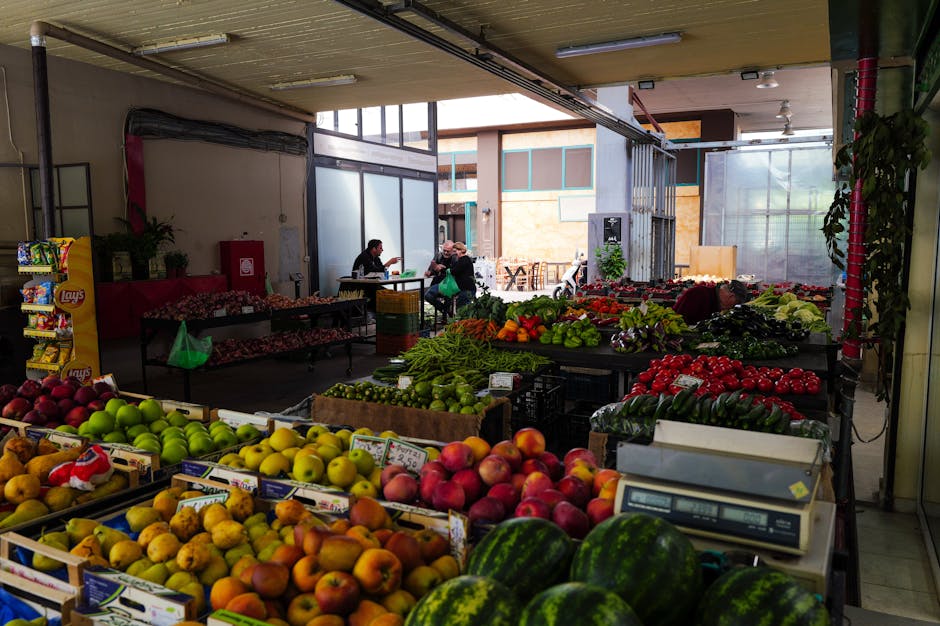
- Food-related experiences. Use your visits to taste local products: dakos, graviera cheese, thyme honey, extra virgin olive oil. Municipal markets near museums (e.g. Heraklion central market) complete the sensory experience.
Click here to taste Cretan wines and olive oil on a tour
Conclusion: living museums as guides to understanding contemporary Crete
Crete’s interactive museums offer much more than display cases: they are living laboratories where the island’s contemporary identity is negotiated. Between sea, mountains and villages, they weave together ecology, memory, artistic creation and the reinvention of skills. Whether you visit modern aquariums, natural history centers, writers’ houses or village museums, expect to learn by doing — touching, tasting, listening and sometimes helping create part of the exhibit yourself.
For the attentive traveler, each museum becomes an extended experience: a history lesson but also a starting point for encounters. Curators, guides and artisans working in these places are happy to share their skills and stories. By planning your visits with the practical information provided here — addresses, indicative prices, typical hours and local tips — you’ll make the most of your time while supporting respectful, meaningful tourism.
Finally, keep in mind that Crete is evolving: new exhibits and programs appear regularly, some small museums change seasonal hours, and temporary festivals enrich the offer. Before you go, check the official museum websites or contact local tourist offices to confirm opening hours and reserve the workshops you want. With that preparation, your trip to Crete will be a full immersion in an island that lives its history and actively shapes its future.