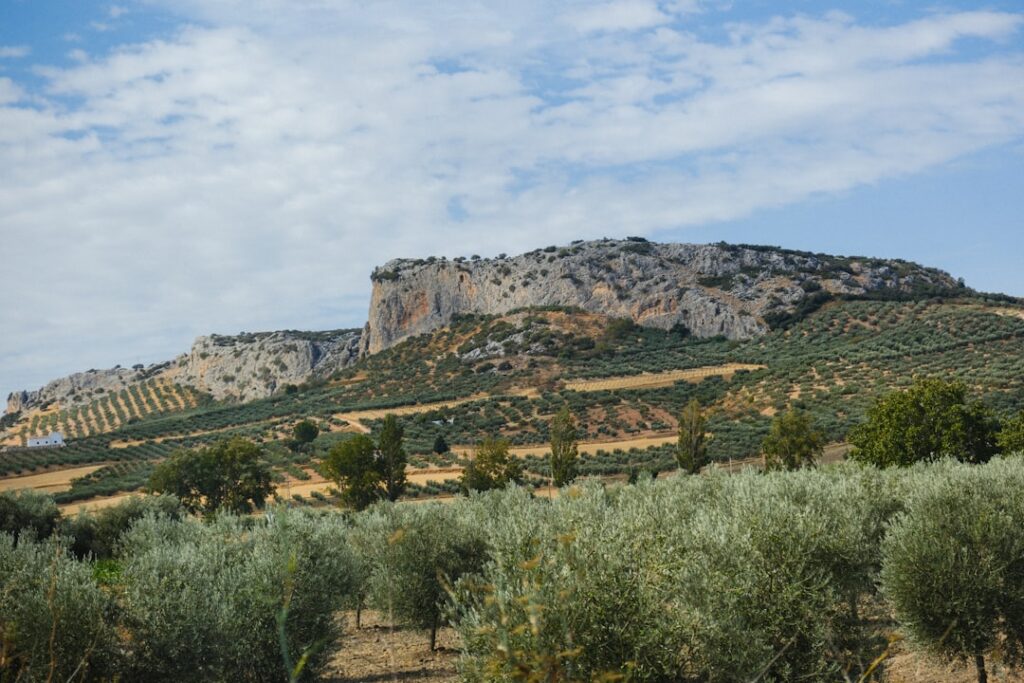






Introduction: Crete’s Millennia-Old Olive Groves, a Living Heritage
Crete is one of the European lands where the olive tree has most deeply shaped the landscape, economy and culture. Walking through Cretan olive groves is tracing more than three thousand years of history where trees, people and rituals intertwine. From wild olives to cultivated orchards, from monumental trees to restored oil mills, every step reveals the continuity between farming practice and collective memory. This guide, « Millennia-Old Olive Groves of Crete: A 10-Stop Heritage Route, » highlights ten sites chosen for their authenticity, historical interest and accessibility to curious travelers.
Each stop includes a detailed description, exact address, typical opening hours, entry or tasting prices in euros, and local tips to make the most of your visit. Suggestions cover ancient trees, olive oil museums, traditional mills and olive-scapes where the geology and climate that shaped these groves are palpable. Cretan olive trees are not mere decoration: they tell stories of drought resilience, inherited pruning techniques, terracing architecture and the communal and family rituals of the harvest.
This guide is aimed at independent travelers and small groups who want to understand how the olive shaped the island’s economy and intangible heritage. You will find practical recommendations — best times to visit, harvest season (usually October–November), options to taste authentic olive oil, and precautions for exploring sometimes steep terrain. Crete is large and varied, so the ten stops cover the west (Chania), the center (Rethymno, Heraklion), and the east (Lasithi), offering a comprehensive view of the diversity of groves and local traditions.
Finally, keep in mind that some sites are sacred to local communities: respect customs, ask permission before photographing private property, and favor buying directly from producers to support the local economy. The suggested route can be adapted into a 3–7 day itinerary depending on your pace: some stops only need an hour, while museums and in-depth tastings can easily take a half-day.
1. The Olive of Vouves — Ancient Olive Tree of Vouves (Ano Vouves, Kolymvari)
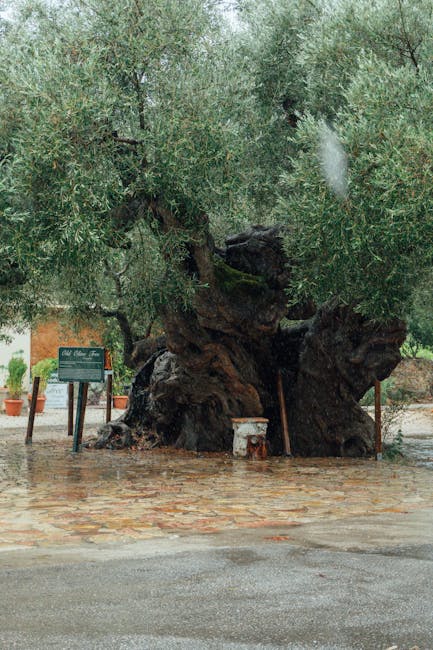
Description: The Olive of Vouves is one of the most striking symbols of plant longevity in Crete. At least 3,000 years old, and possibly older, this hollow yet living olive tree presides over the small village of Ano Vouves. It sits within a protected area with information panels in Greek and English. The massive trunk, its cavities carved by time, conveys a sense of both majesty and fragility.
Address: Ano Vouves, 73014 Kolymvari, Chania Prefecture, Crete, Greece.
Opening hours: Outdoor access 24/7; the welcome area and small information museum are generally open 09:00–17:00 (April–October), reduced hours off-season.
Price: Free to view the tree; voluntary contributions and suggested donation for maintenance ≈ €2–5.
Local tips: Arrive early to avoid tourist buses. Wear sturdy shoes for the rocky ground around the tree. Buy a small bottle of local oil at the welcome stand to help conservation efforts.
2. Olive Oil Museum of Kolymvari — Olive Oil Museum of Kolymvari (Kolymvari)
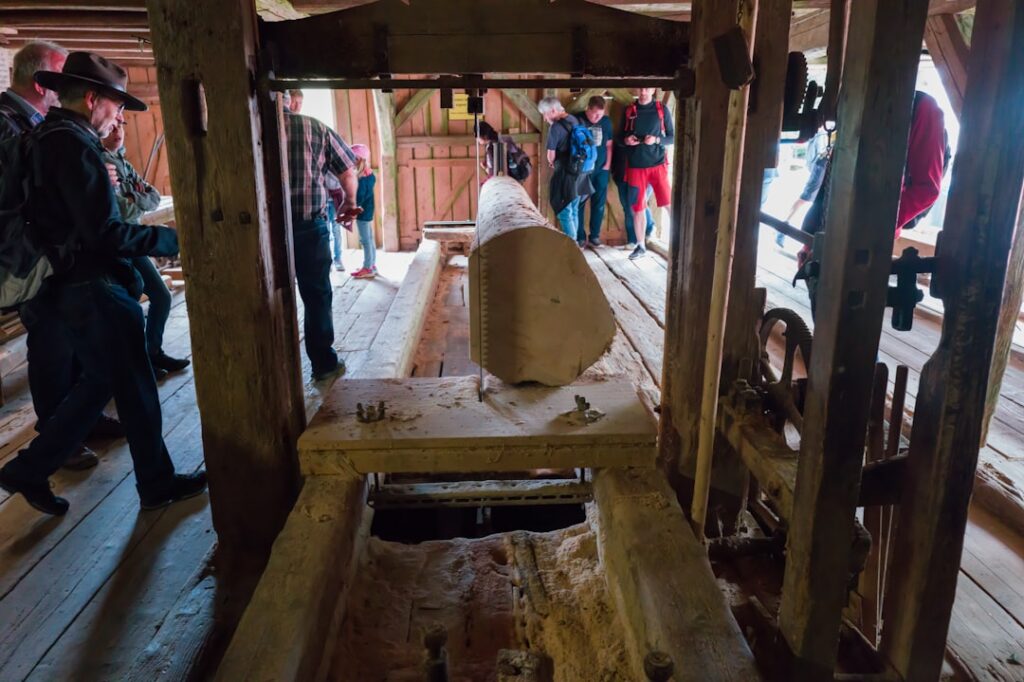
Description: Close to Vouves, the Olive Oil Museum of Kolymvari traces the evolution of techniques from stone presses to modern facilities. Exhibits, models of mills, tools and interactive stations help explain how fruit becomes oil and the social impact of olive production.
Address: Olive Oil Museum, P. Kakouri 5, Kolymvari 730 14, Chania, Crete.
Opening hours: 09:00–17:00 daily in season (May–October), closed Mondays in low season; check locally.
Price: Entry €4; guided tours with tasting €8–12 per person.
Local tips: Book the guided tasting for a commentary-led tasting (extra cost). The shop sells single-variety (Koroneiki) sample bottles from about €7 for a small bottle.
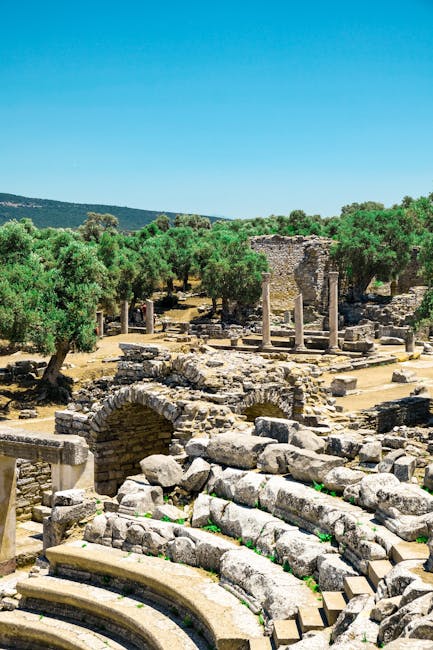
3. Gortyna and its Olive Trees — Gortyna Archaeological Olive Groves (Gortyna, Messara)
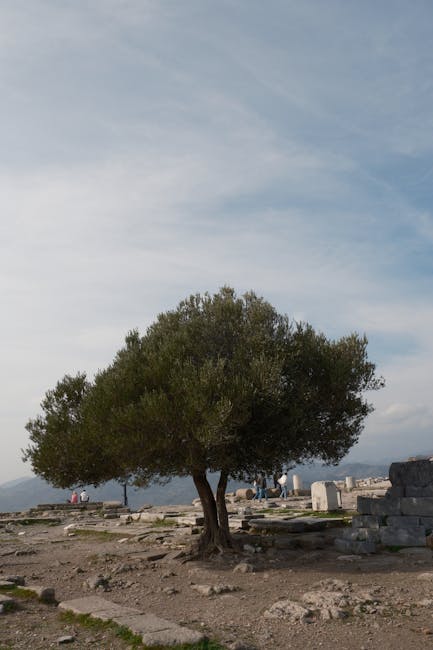
Description: The archaeological site of Gortyna on the Messara plain near Mires (Heraklion) combines Roman ruins and agricultural landscapes where old olive trees dot the fields. Visiting helps you understand the strategic role of the olive in antiquity as both a food resource and a trade commodity.
Address: Gortyna Archaeological Site, South of Mires, 700 14, Heraklion, Crete.
Opening hours: 08:00–16:00 (hours vary by season); closed on some public holidays.
Price: Archaeological site entry €6–8 (varies with combined tickets); audio guides available.
Local tips: Combine the archaeological visit with an oil tasting at a local producer in Moires (e.g., small farms offering tours from about €10). Bring water and a hat—the plain is exposed to the sun.
4. Archanes and its Village Groves — Olive Groves Around Archanes (Archanes, Heraklion)
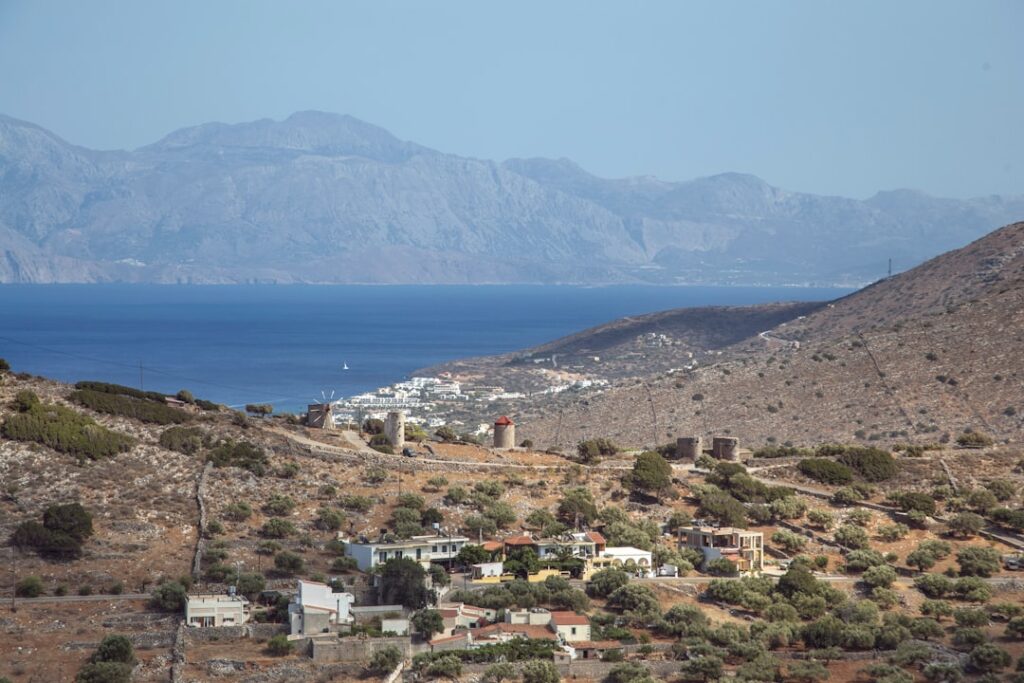
Description: Archanes is famed for its wines but also for terraced olive groves. Paths around the village reveal well-kept olive fields, small family presses and home tastings.
Address: Village of Archanes, 701 00, Municipality of Archanes-Asterousia, Heraklion, Crete.
Opening hours: Producers are generally open 10:00–18:00, by appointment for mill visits.
Price: Tasting + visit at an artisan producer €10–20 depending on inclusions (bread, cheese, oil).
Local tips: Look for signs reading « Prod. Elais » (olive product) and ask for a demonstration of cold pressing. October–November is the best time to witness parts of the harvest.
5. Arkadi Monastery and its Historic Olives — Arkadi Monastery Olive Groves (Arkadi, Rethymno)
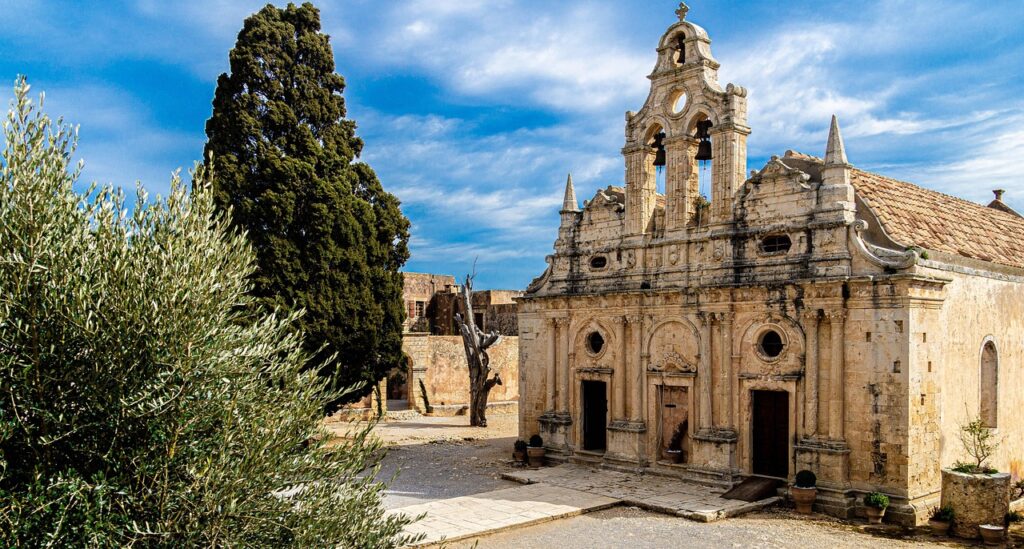
Description: Arkadi Monastery is famous for its role in Cretan history; the surrounding olive groves create a contemplative setting and reflect monastic practices of self-sufficiency. It’s a place where history and agriculture meet.
Address: Arkadi Monastery, Arkadiou, 740 60, Rethymnon, Crete.
Opening hours: 09:00–17:00; times may be affected by religious services.
Price: Monastery entry €3; historical guided tours €5–10.
Local tips: Respect the places of worship; pair the visit with a picnic under the olive trees. Nearby vendors sell artisanal olive oil bottles starting at about €6 for 250 ml.
6. Margarites and Traditional Mills — Traditional Mills in Margarites (Margarites, Rethymno)
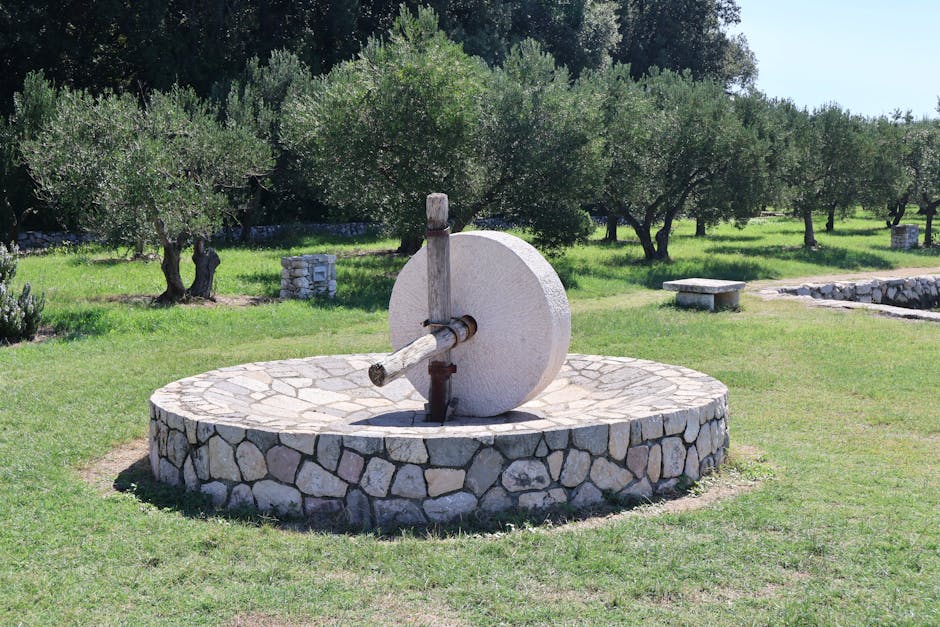
Description: Margarites, a village renowned for its pottery, also has restored old olive oil mills where you can see the press and millstone mechanisms. Local workshops sometimes combine production with live demonstrations of pottery and manual pressing.
Address: Margarites Village Center, 740 58, Rethymnon, Crete.
Opening hours: Workshops open 10:00–17:30; pottery and oil workshops by reservation.
Price: Workshop entry €3–6; hands-on workshops (pressing, pottery) €20–40 depending on duration.
Local tips: Book the pressing workshop in the morning when raw materials are fresher and demonstrations feel livelier. Buy a ceramic oil jug — a village specialty.
7. Sitia and Eastern Plantations — Olive Groves Near Sitia (Sitia, Lasithi)
Description: In the east, around Sitia, olive groves sit alongside orchards and mountain crops. The region produces olive oil with a different aromatic profile—often milder and more floral—reflecting a terroir influenced by the eastern Mediterranean.
Address: Agricultural outskirts, Sitia, 723 00, Lasithi, Crete.
Opening hours: Farms typically open 09:00–17:00; visits by appointment.
Price: Visits and tastings €8–15; local bottles €8–18 depending on quality.
Local tips: Pair an olive grove visit with honey and goat cheese tastings to appreciate flavor balance. Ask to taste different varieties (Koroneiki, Tsounati).
8. The Lyrarakis Mill and Museum — Lyrarakis Olive Mill and Museum (Anogeia area)
Description: Some modern distilleries and mills open their doors to explain the modernization of production. The Lyrarakis site, well known for wine, sometimes partners with local mills for educational workshops on olive oil and combined winemaking.
Address: Agricultural workshops around Anogeia / Lyrarakis coordination, Anogeia, 740 51, Rethymno, Crete (coordinates provided at booking).
Opening hours: By reservation; generally open 10:00–16:00 for groups.
Price: Combined wine+oil workshop €25–45 depending on program; separate tastings €10–20.
Local tips: Great for travelers who want to understand agricultural synergies (olive + vine) and terroir practices. Arrange private transport to reach rural sites.
9. The Olive Trail of Gavdos — Olive Trail and Groves on Gavdos Island (South of Crete)
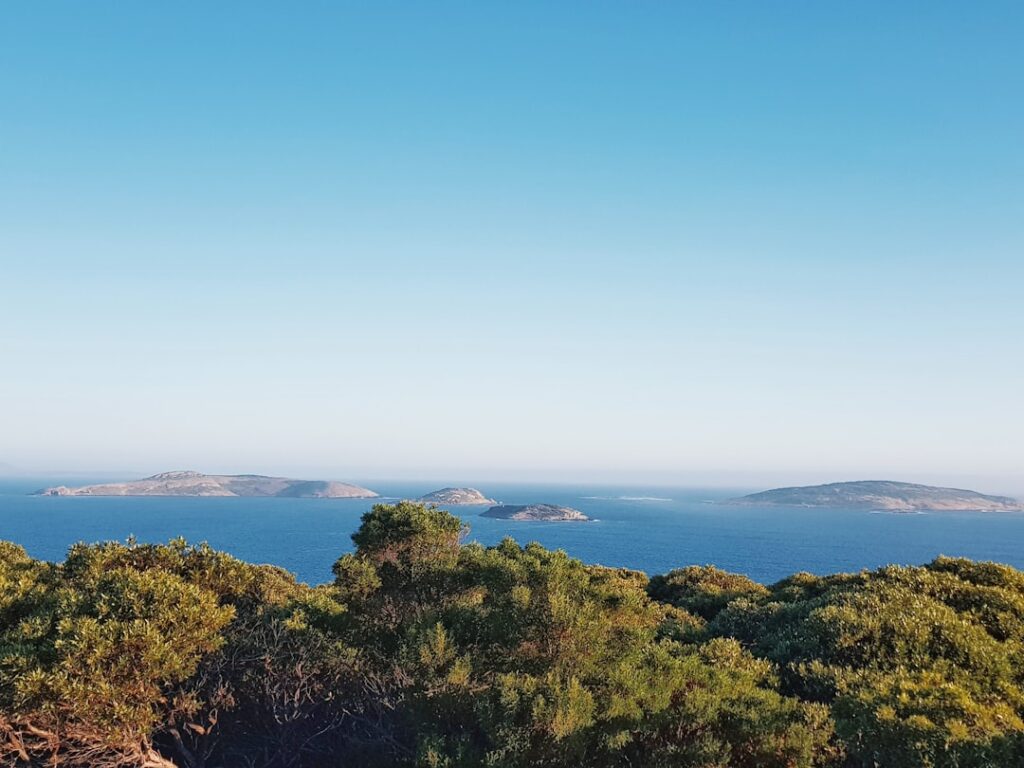
Description: Gavdos, a small island south of Crete, has a few wild and cultivated olive groves that show how the olive adapts to island microclimates. The coastal trail crosses twisted olive thickets and offers exceptional sea views.
Address: Gavdos Island main trailheads, Chora Sfakion ferry landing to Gavdos port; island accessible by ferry from Paleochora or Chora Sfakion.
Opening hours: Free access; ferry schedules vary (check local operators, higher frequency May–Sept).
Price: Ferry crossing €10–25 one-way depending on season; no entrance fees for public olive groves.
Local tips: Bring plenty of water and sun protection; the islet is wild with very few shops. Respect the environment and take your trash with you.
10. Agios Nikolaos Cooperatives and Mills — Agios Nikolaos Olive Cooperatives (Agios Nikolaos, Lasithi)
Description: Near Agios Nikolaos, several cooperatives manage production and export of olive oil. Tours often include a presentation of the value chain, tastings and the option to buy in larger quantities. It’s a great place to understand the modern economics of Cretan oil.
Address: Agios Nikolaos Olive Co-op, 721 00 Agios Nikolaos, Lasithi, Crete (exact address provided by the cooperative when booking).
Opening hours: 08:00–15:00 on weekdays; some tourist visits organized in the afternoon.
Price: Visit & tasting €5–15; 500 ml bottles from €6, 3 L tins from €18.
Local tips: Ask for certificates of origin and storage advice (temperature, colored glass). Buy a tin to bring oil home at a better price and reduce packaging waste.
Conclusion: Traveling at the Pace of Olive Trees — Practical and Ethical Tips
Exploring Crete’s millennia-old olive groves means immersing yourself in a living landscape and cultural economy that has endured since Antiquity. These ten stops showcase the range of experiences on offer: from the millennial Vouves tree to the modern cooperative in Agios Nikolaos, passing through museums, mills, monasteries and island trails. To get the most from this route, plan according to the season: harvest time (October–November) is impressive, while high tourist season (July–August) can complicate visits. Off-season, sites are quieter and prices can be lower.
Always favor direct relationships with producers: buying oil on site helps support family farms and gives you advice on use and storage. Ask for guided tastings, note aroma profiles (green fruity, bitter, peppery) and remember that an oil’s quality depends as much on variety (Koroneiki is common in Crete) as on extraction method and freshness.
Respect sites and communities: some trees and groves have heritage or religious value—ask permission before entering private property. Wear suitable shoes for rocky ground and sun protection; carry water on exposed trails. Finally, think sustainably: reduce packaging, choose local products and prioritize visits that deliver tangible benefits to rural communities.
Whether you are a photographer, foodie or curious traveler, Crete invites you to a route where every olive tree is a page of history. Use this guide as a starting point, adapt the stops to your time and interests, and don’t hesitate to linger with producers—the Cretan hospitality, like the oil it harvests, is generously shared.