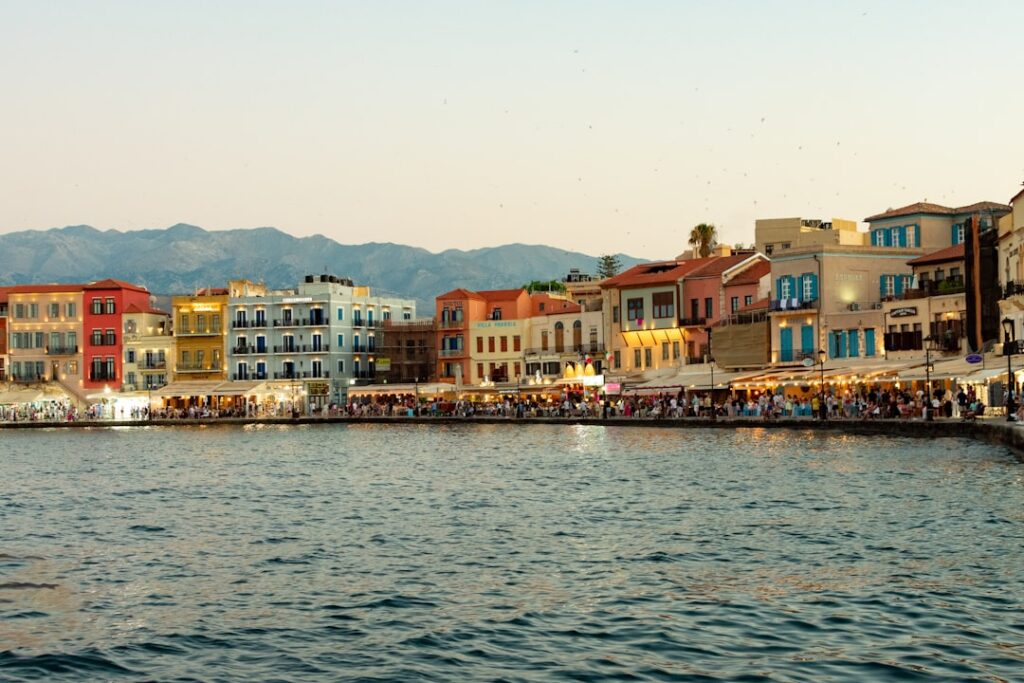






Introduction — Museums and Oral Histories: Approaching Crete in the 20th Century
Crete, an island steeped in myth and a crossroads of civilizations, was also shaped in the 20th century by social change, conflict and competing memories. Visiting Crete today isn’t just about marveling at millennia-old archaeological sites: it’s about listening to local voices, making sense of the upheavals of island life, and reading those stories in museum galleries and oral archives. Contemporary Cretan museums — whether archaeological, historical, ethno-anthropological or focused on the Resistance — preserve not only objects but also testimonies: audio recordings, films, photographs and narratives gathered from eyewitnesses. This guide highlights key places to explore if you want to understand 20th-century Crete through the lens of museums and oral history.
The itineraries suggested here mix permanent exhibitions, archival collections, research centres and local memory-gathering initiatives. Each museum takes a different approach: some structure their narrative around major historical phases (Occupation, war, migration, rural modernization), while others foreground the witnesses and storytellers themselves, with listening booths, testimony screenings and collections of well-used, annotated household items. Addresses, opening hours and prices are provided to help you plan your visit and to organise a coherent route between Cretan towns and countryside.
This guide also offers practical advice for listening to and interpreting oral histories: how to prepare for a visit, which questions to ask, what documents to consult in advance, and how to respect communities and memory donors. You’ll find concrete recommendations on the best times to visit, admission fees (in euros) and exact addresses for each site mentioned. Photographic landmarks and visual cues will help you spot the most photogenic locations and the multimedia installations that enrich the experience of Crete’s living memory.
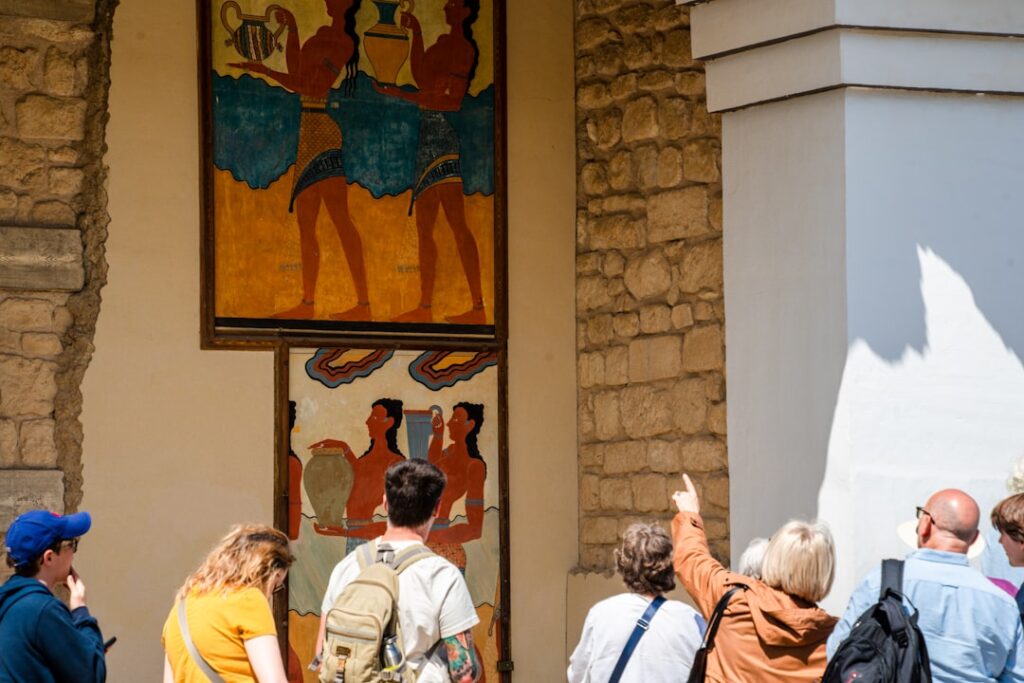
1. Heraklion Archaeological Museum — historical anchor and life stories
The Heraklion Archaeological Museum is one of Greece’s leading museums for Minoan history and for the story of 20th-century Crete. Address: Mitropoleos 1 (sometimes listed as 28is Oktovriou & Xanthoudidou intersections), Heraklion 712 02. Opening hours: typically open daily from 08:00 to 20:00 in high season (April–October) and 08:00 to 15:00 in low season (November–March) — check locally or online for variations. Admission: full adult ticket around €15, concessions for students and seniors about €8, free entry for children under 18 in line with national rules. Prices may change with the cultural season.
Although the museum is best known for its Minoan collections, it also hosts temporary exhibitions and lectures on 20th-century life — including the effects of World Wars I and II on Crete, the German Occupation and the Resistance. The educational wing holds sound archives with extracts from interviews with resistance fighters, civilians who endured famine, and migrants’ testimonies. Audioguides (often in English and Greek) include biographical segments that place objects within personal narratives: military uniforms, letters, modernized agricultural tools and annotated photographs.
Local tip: arrive early to avoid crowds and allow at least two hours for the modern collections. Ask reception about the listening stations dedicated to 20th-century testimonies; they’re sometimes located in temporary exhibition spaces or in the museum library. If you’re working on a memory project, contact the education service in advance to access archives and request extended listening permissions.
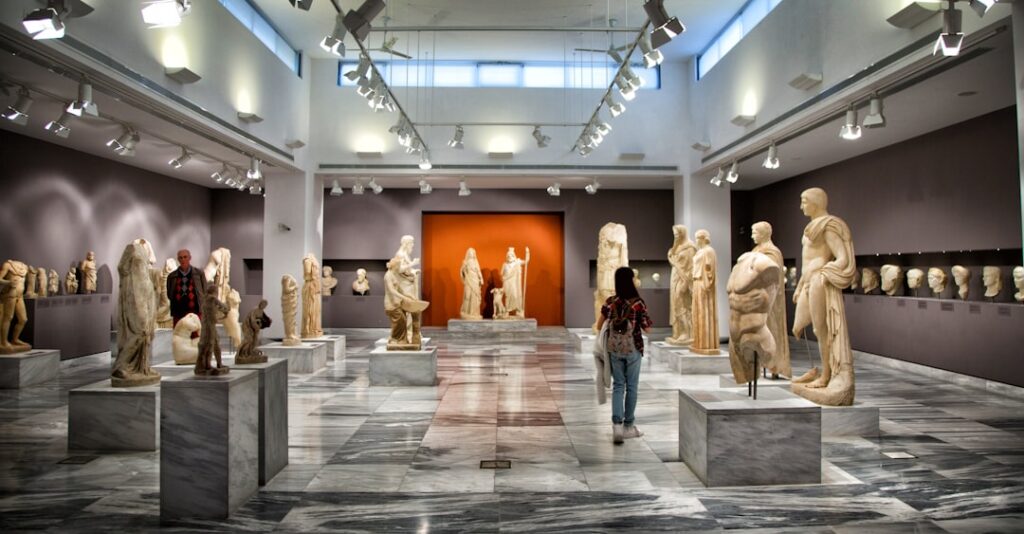
2. Historical Museum of Crete — memory of Cretan modernity
The Historical Museum of Crete is located in central Heraklion at Chalidon 46, Heraklion 713 06. Opening hours: open Tuesday to Saturday, 09:00–17:00, Sunday 10:00–14:00; closed Monday (hours may vary seasonally). Admission: adult ticket around €6–€8, reduced €3–€4, free for certain visitors (young children, ICOM/ICRAM members on presentation). This museum is essential for understanding Crete’s political and social transformation from the late Ottoman period through the consolidation of the Greek state in the 20th century.
The permanent collection traces key events: union with Greece, the Balkan Wars, the German Occupation and the Cretan Resistance, and waves of emigration to North America and Australia. A special strength of the museum is its sound archives: interviews with refugees, recordings of local political meetings and oral histories from men and women who experienced the shift from rural life to urbanization. Listening booths and multimedia tables let you hear local languages and dialects, popular songs from the era and day-to-day life stories — invaluable resources for researchers and curious travellers alike.
On the ground floor, an educational room screens short documentary films in which Cretans describe in their own words how families adapted ancestral farming techniques to 20th-century machinery. Temporary exhibitions often feature items loaned by local families, revealing the intimate side of memory through everyday objects — tools, clothing, ship logs and letters — accompanied by audio excerpts. Practical tip: note down object inventory numbers and ask to consult transcriptions of testimonies if you don’t speak Greek fluently.
3. Resistance Museums and Oral Archives — sites of memory on WWII
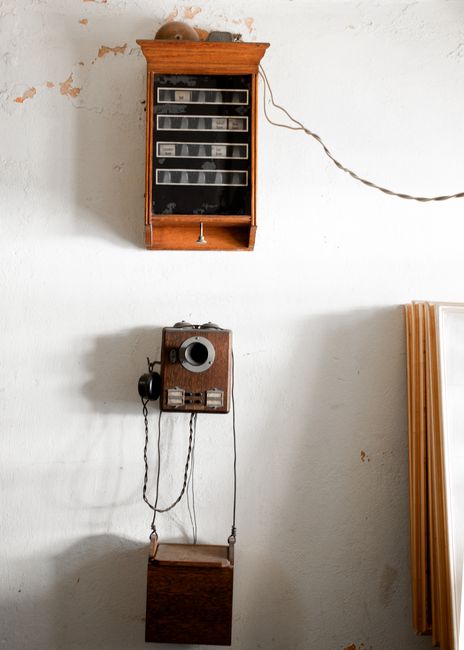
World War II and the Occupation left deep marks on Crete; several institutions preserve these stories. The Museum of the Resistance of Chania is at 25 Chrisostomou Smirnis, Chania 731 32. Opening hours: generally 09:00–14:00 and 17:00–20:00 depending on the season; closed on certain public holidays. Admission: adult ticket around €5, reduced rates for students and groups. The museum brings together artefacts, photographs and — above all — rich oral archives: interviews with veterans, accounts from families affected by deportations and testimonies from civilians who helped Allied parachutists.
Recordings are often available in Greek, sometimes with translations or subtitles. Testimonies are arranged by theme (Resistance actions, collaboration, daily survival, intercommunity relations) and can be accessed via interactive stations. The museum frequently hosts public events where witnesses present their oral histories and answer audience questions — unique opportunities to experience the living dimension of community memory. For researchers, the museum offers appointment-based access to its audio archives, with the possibility of obtaining digital copies subject to administrative conditions.
Other sites: the Resistance Museum in Rethymnon and municipal archives in several villages hold local oral collections. Practical tip: if you plan research on the Resistance, contact museums in advance to reserve listening booth time and request permission for reproducing recordings. Bring a notebook, a personal voice recorder for cross-checking (with permission) and, if possible, an interpreter to capture dialectal nuances in the testimonies.
4. Local Museums and Rural Memory Centres — listening to village Crete
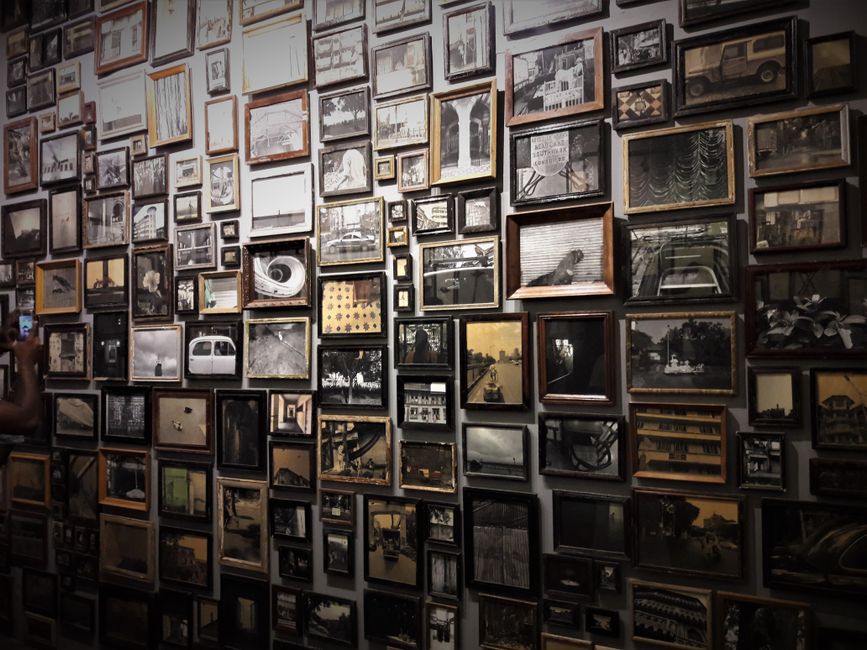
Beyond the main cities, much of Crete’s cultural and memorial life happens in small museums and archive centres. The Folk Art Museum of Rethymno, at Odos Arkadiou 34, Rethymno 741 00, is notable for its domestic collections and recordings of local storytellers. Opening hours: often 09:00–15:00, closed some days; admission: free or a small suggested donation (about €2–€4 depending on the institution).
In mountain villages like Anogeia (Anogeia Folklore Museum, Main Street, Anogeia 740 56), local museums preserve songs, funeral laments, family accounts of reprisals and improvised resistance. Many of these institutions operate thanks to volunteers and community donations: you’ll hear recordings of elderly voices, folk tales and technical descriptions of agricultural tools — materials that reveal the persistence of traditional knowledge despite the ruptures of the 20th century.
Practical advice: for rural visits, favour morning hours (09:00–13:00) and call the museum or centre in advance. Be sensitive to local rules about photographing or recording testimonies — some donors request anonymity or limit dissemination. Always carry water, comfortable shoes and a paper copy of addresses and opening hours — mobile coverage can be patchy. Also, join local events (readings, screenings, discussions): it’s often there that oral histories reveal their fullest depth.
Conclusion — Between archives and voices: planning your memorial route in Crete
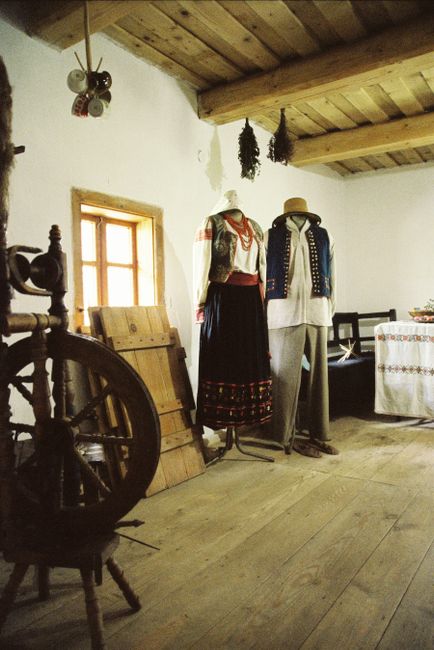
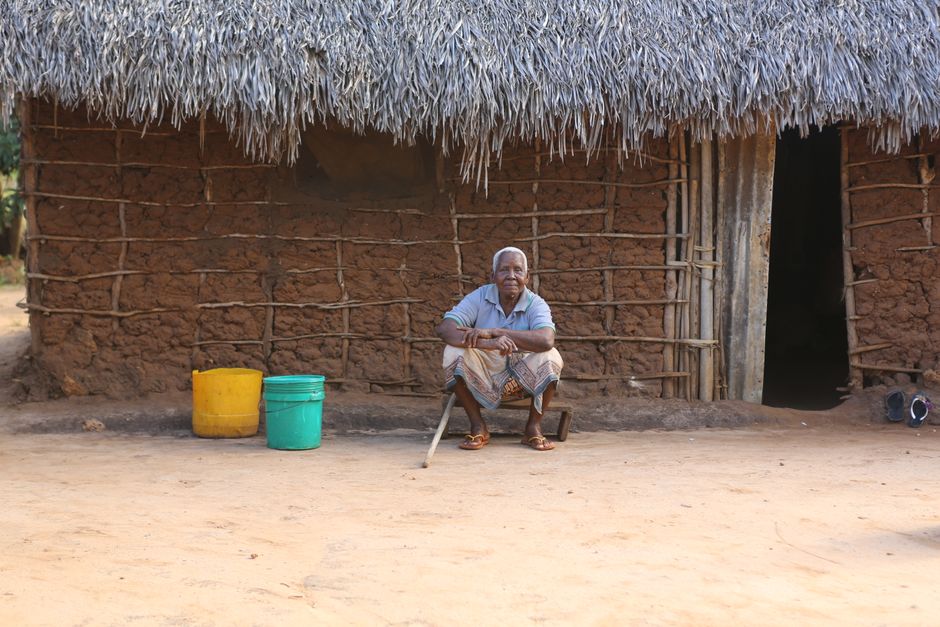
Cretan museums and archive centres offer a living map of the 20th century, where objects converse with voices. To get the most from your trip, combine visits to major institutions (Heraklion Archaeological Museum, Historical Museum of Crete) with discoveries of local museums and rural memory centres. Allow at least half a day for each major museum and set aside time to listen to audio archives: oral testimonies are often the key to understanding everyday practices, emotions and survival strategies in the face of historical ruptures. The addresses, opening hours and fees provided here will help you plan, but remember to verify details closer to your trip — hours change with the season and temporary exhibitions.
Respect the communities that share their stories: ask permission before recording or photographing sensitive documents, follow confidentiality rules and thank volunteers and curators. If you’re doing research, prepare a letter of introduction in advance and collaborate with museum education services. Finally, remember that memory is living: attend lectures, witness meetings and local screenings — these moments outside the collections often offer the most memorable encounters with 20th-century Crete.