





Introduction: On the Olive Mill Route — a deep dive into Crete’s olive oil producers
Crete is often celebrated for its golden beaches, dramatic gorges and millennia-old history, but for anyone who loves to smell, taste and understand the products that shape a place, the real adventure often starts at an olive mill. The Olive Mill Route in Crete is a sensory journey winding through centuries-old groves, stone-built villages, oil museums and small family presses. It’s an invitation to step into a world where soil, climate and human know-how produce a golden liquid synonymous with health and hospitality: Cretan olive oil.
Along this route, every mill tells a different story: some are restored Byzantine relics turned into museums, others are modern workshops where you can follow the whole chain from harvest to bottling, via crushing and malaxation. The landscapes change too: from the white massif of the Lefka Ori and its ancient trees to the gentle plains around Heraklion, via the hills around Agios Nikolaos and the countryside of Elounda. As you travel, you’ll meet producers who still work with traditional stone presses and others who use ultra-modern centrifuges to better preserve aromas. Together, these mills represent Crete’s living heritage and offer a direct reading of the land.
This guide offers a full immersion: the must-see mill-museums, small producers who open their doors, tasting workshops, the best places to buy a faultless bottle, and practical tips to plan your route. You’ll find exact place names, full addresses, opening hours, indicative prices and vivid descriptions to help you prepare. Whether you’re an olive-oil obsessive, a curious foodie, or a traveler hungry for authenticity, the Olive Mill Route in Crete delivers a deep sensory experience. Get ready to breathe in herby and peppery notes from freshly pressed oil, touch the worn stone of traditional presses, and learn gestures handed down through generations.
Keep in mind that season and weather affect visits: the harvest period (generally October to January) is the liveliest and most instructive, while the rest of the year allows for quieter visits and deeper museum explorations. This guide also includes practical travel tips: how to get around by car, where to park, what to ask producers, and how to transport bottles safely. Ready for an aromatic and tasty journey through the heart of Crete? Follow the Olive Mill Route.
The route and the must-see mills
The Olive Mill Route isn’t a single official road: it unfolds into themed itineraries depending on the region. For a first-time visit, you can follow a linear route between Chania and Rethymno, or between Heraklion and Agios Nikolaos. Must-see mills include museum sites and family-run presses: the Olive Oil Museum of Crete in Chania, the Saint George Mill in Kritsa near Agios Nikolaos, and the Kavouras mill in Kolymbari. Each has its own address, history and opening times:
- Olive Oil Museum of Crete – Chania
Address: 12 Halidon Street, Old Venetian Harbor, Chania 731 00
Opening hours: daily 09:00–17:00 (seasonal variations possible)
Price: Guided entry €8 per person, tasting extra €5.
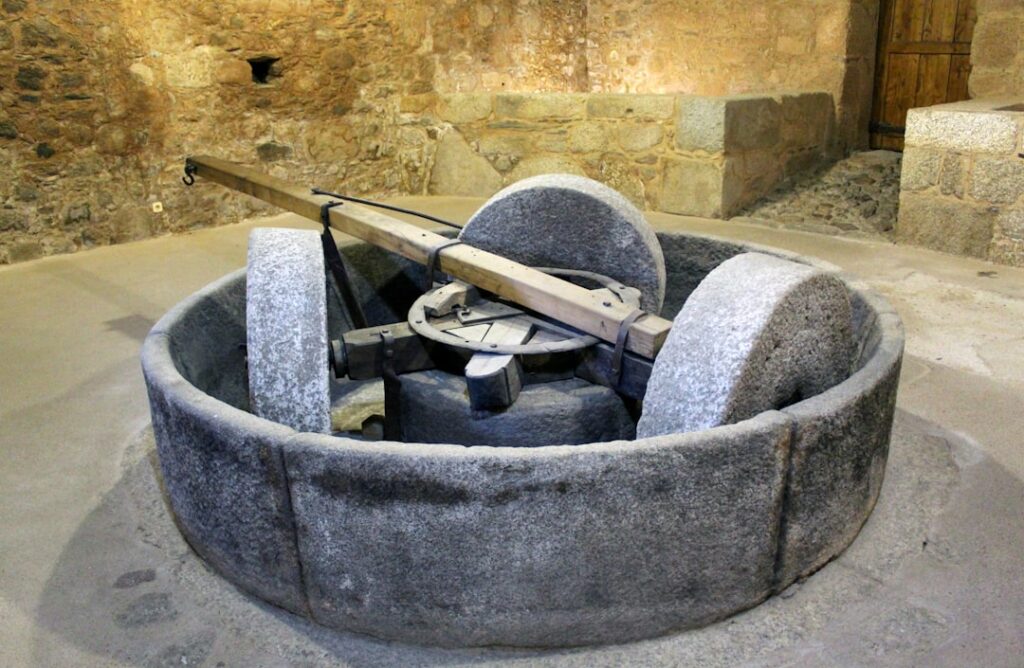
Description: Housed in a restored Venetian building near Chania’s harbor, the museum displays traditional stone presses, amphorae and interpretive panels on the life cycle of the olive. The atmosphere is hushed and oils are presented by aroma and region. - Traditional Olive Mill – Kavouras Mill, Kolymbari
Address: Kolymbari Road 37, Kolymbari, Chania 730 11
Opening hours: 09:00–16:30, closed Sunday mornings
Price: Tour and tasting €10 per person; bottles from €7 (500 ml).
Description: A family-run press on the edge of the Cretan Sea, Kavouras combines an old press with a modern extraction line. The visit includes a walk through the orchards and a demonstration of the crushing process. - Olive Mill of Kritsa (Saint George Mill)
Address: Main Street, Kritsa, Elounda, Agios Nikolaos 720 53
Opening hours: 10:00–14:00 and 17:00–20:00 (closed Mondays)
Price: Free entry; tastings from €6.
Description: Perched above the bay of Elounda, the Kritsa mill is a perfect stop after visiting the historic village. You’ll sample fruity oils and local blends, often served with freshly baked bread and local tomatoes.
Practical tip: plan your stops around producers’ working hours. Many close between 14:00 and 17:00 for siesta, and some only welcome visitors by appointment. In high season (October to December), call the day before to reserve a tasting — workshops can fill up, especially at places that run live harvesting and pressing demonstrations.
 Click here to taste wine and olive oil with snacks
Meeting the producers: portraits and addresses
Meeting the producers is the heart of the Olive Mill Route. Every family has its techniques, terroir and stories. Here are some immersive portraits and exact addresses of producers who regularly welcome visitors:
- Family Farm « Michalis & Sons » – Prinias
Address: Main Road, Prinias Village, Rethymno 740 53
Opening hours: visits by appointment, typically 09:00–13:00 and 17:00–19:00
Price: Pressing workshop + tasting €25 per person (3 hours).
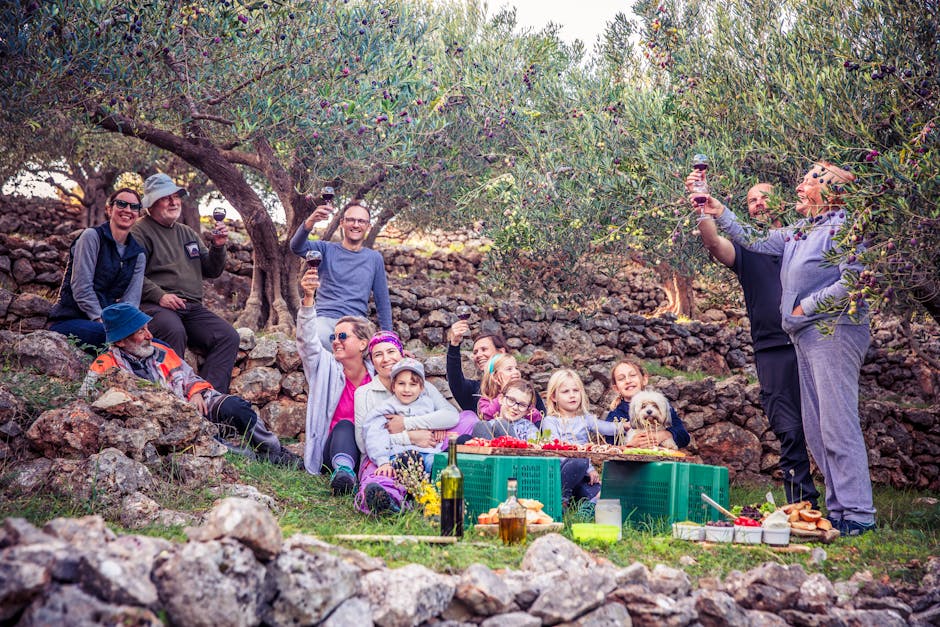
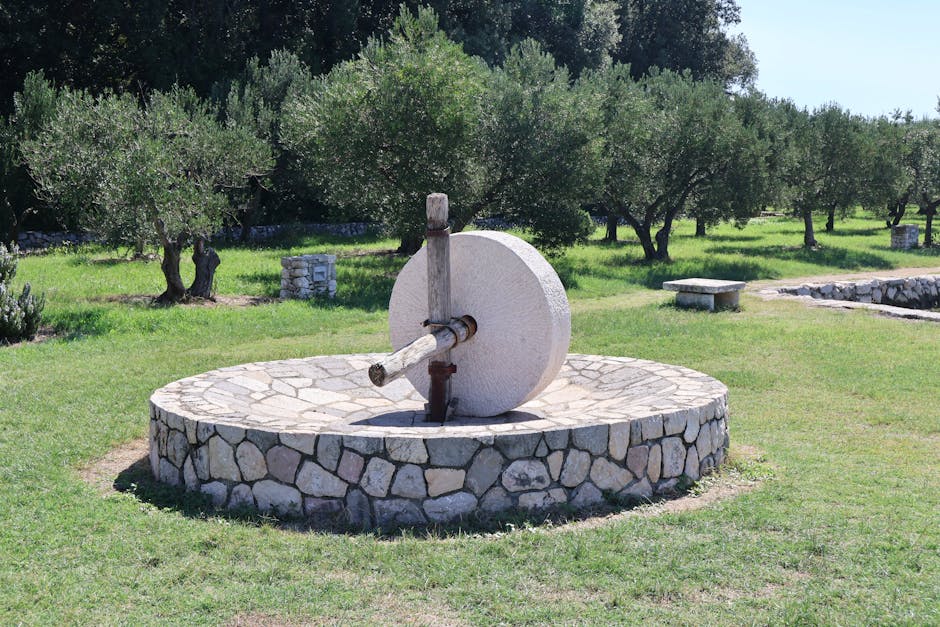
Portrait: Michalis, fifth generation, keeps an 1890 stone press out for demonstrations. He explains the difference between a « ripe » oil and a « green » one and will take you to pick a few olives in season. Tasting takes place under a pergola of centuries-old trees, with graviera cheese and homemade bread. - Cretan Organic Press – Elounda
Address: 5 Agiou Ioannou Street, Elounda, Agios Nikolaos 720 53
Opening hours: 08:30–17:00 Monday to Saturday
Price: Standard visit €8; premium guided tour €20 (includes three bottled oils and a sensory sheet).
Portrait: An organic, EU-certified producer emphasizing gentle cold-extraction methods. The modern sheds contrast with carefully tended groves where trees are espaliered to encourage hand-harvesting. - Miliou Stone Mill – Vamos
Address: 24 Archilochou, Vamos Village, Apokoronas, Chania 730 14
Opening hours: 10:00–16:00, closed Tuesdays
Price: Self-guided visit €3, guided tour €12; 500 ml bottles from €6.
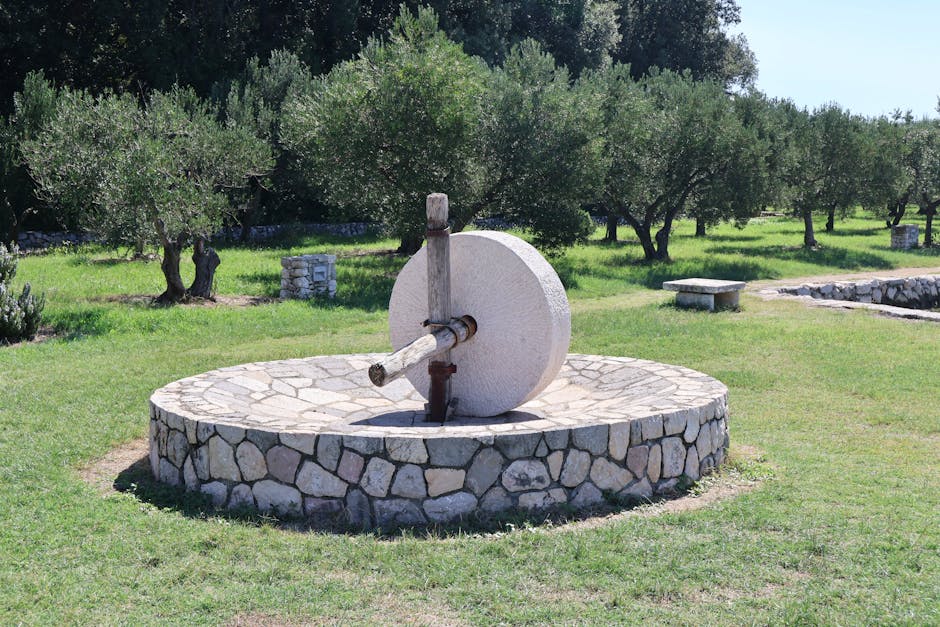
Portrait: This stone mill is a gem for history lovers. The tour includes a short field trip to demonstrate phytosanitary care and a comparative tasting between local valley oils and high-altitude varieties.
Local tip: when you meet a producer, ask three simple questions to learn a lot: 1) What was the harvest date? 2) What’s the dominant variety (Koroneiki, Tsounati, Manaki…)? 3) What’s the acidity level and extraction method? These details help you pick an oil to match your preferences (peppery, fruity, mild) and estimate how it will hold up in cooking. Bring an insulated bag if you buy several bottles during hot weather.
Click here to meet producers and taste olive oil
Tastings, workshops and sensory experiences
Tasting olive oil is an art — and in Crete it holds a central place in food culture. Workshops along the Olive Mill Route often pair tasting with sensory exercises: aroma recognition, oil comparisons and food pairings with cheese and grilled vegetables. Here are the types of experiences you can book and pay for on site:
- « Flavors of Crete » Workshop – Olive Oil Museum Chania
Content: a 90-minute session with six samples, explanations of common faults (rancidity, mustiness), and food/oil pairing suggestions.
Price: €15 per person, €25 for a pair.
Schedule: workshops at 11:00 and 15:00 (during high season). - Hands-on Pressing Workshop – Michalis & Sons
Content: take part in harvesting (seasonal), traditional pressing demo, bottling and personalized labelling.
Price: €35 per person (includes a local lunch).
Schedule: available only during harvest season (October–December); book at least 2 weeks in advance. - Olive Oil and Food Pairing – Cretan Organic Press
Content: blind tasting of four oils (green, mild, aromatic, fruity) paired with bread, heirloom tomatoes, grilled sardines and dakos.
Price: €18 per person.
Schedule: 12:00–14:00 on Saturdays.
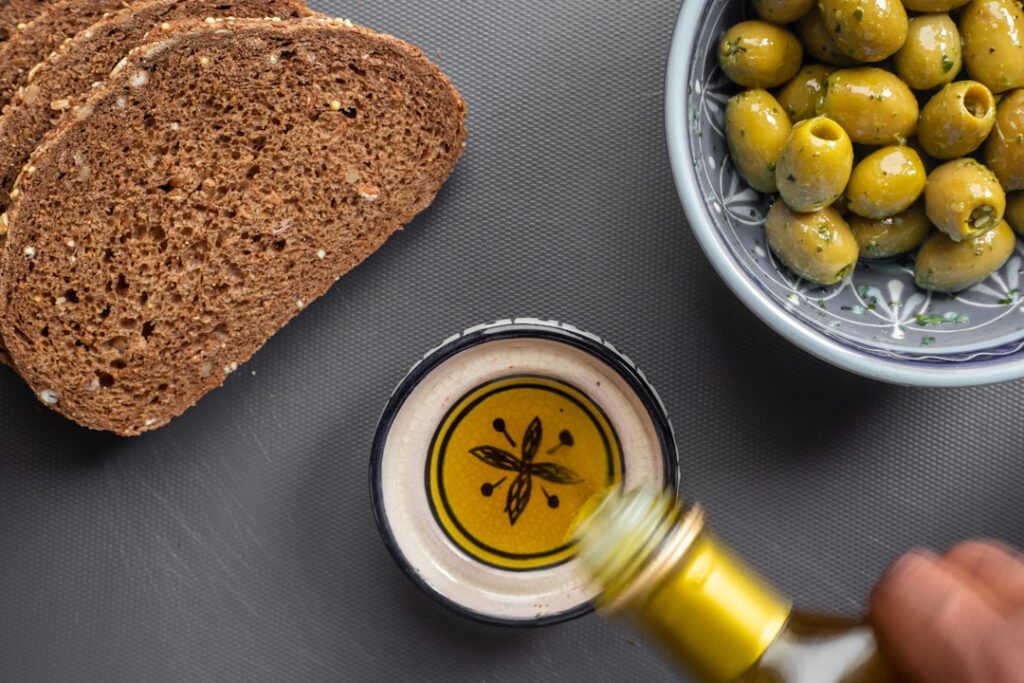
Tasting tips: to taste properly, use a blue or covered tasting glass (to hide the color so you’re not biased), warm the glass slightly in your hands to release aromas, then gently inhale to oxygenate the oil and free volatile compounds. Take notes: fruity, herbaceous, bitterness and pungency (throat heat) are the four sensory axes. If you have allergies or dietary restrictions, warn the host in advance — some tastings include cheese, bread and fish.
Click here to discover wines, olive oil and raki in one day
Practical tips for planning your itinerary
To make the most of the Olive Mill Route, a few logistical tips are worth their weight in gold. Below is a practical two- to three-day plan, plus transport, parking and accommodation recommendations:
- Recommended itinerary (2 days)
Day 1: Chania – visit the Olive Oil Museum (12 Halidon Street, Chania) at 09:00, drive to Kolymbari (Kavouras, Kolymbari Road 37) for lunch, then tour the groves in the afternoon.
Day 2: Head to Rethymno, visit a family mill in Vamos (24 Archilochou, Vamos), then continue to Elounda and the Kritsa mill (Main Street, Kritsa). Most visits take place between 09:00 and 16:00. - Transport and parking
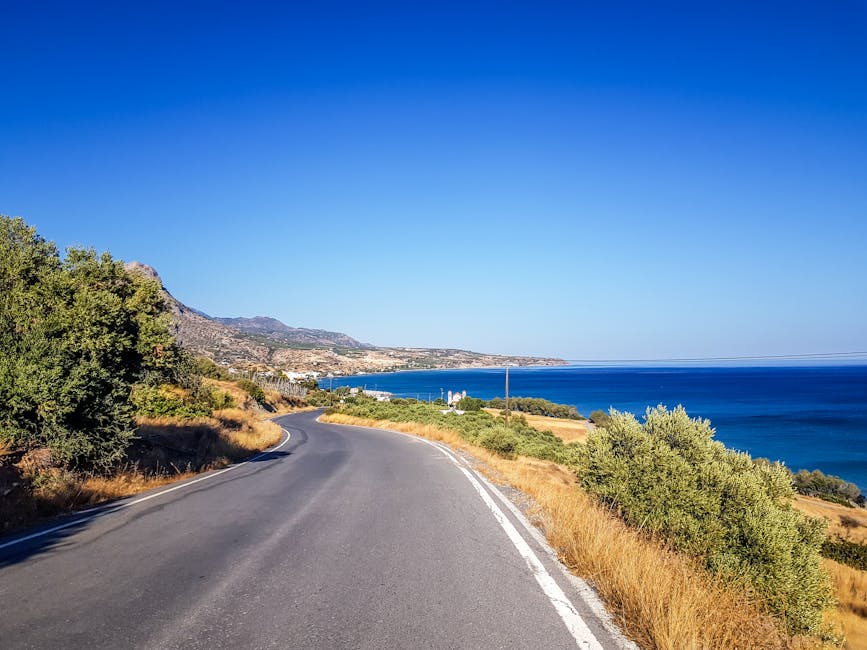
Renting a car is the most practical option: rural roads can be narrow but well signed. Choose a compact car for village lanes. Mill-museums often have a small free parking area (3–10 spaces) or a public lot nearby. In Chania and Heraklion, expect paid parking (€0.50–€2 per hour). - Shopping and packing
Indicative prices: 500 ml bottles range from €6 to €18 depending on quality and label (organic, PDO, first cold press extra virgin). If buying multiple bottles, ask for a reinforced box and use bubble wrap; on a plane, put oils in checked luggage or buy anti-leak protection. Producers often prefer cash; carry €20–50 for spontaneous purchases. - Language and booking
Many producers speak English, but a few Greek words (Kalimera, Efcharisto) are appreciated. During high season and harvest, book at least 48 hours ahead. Private visits usually cost more but provide real depth (for example, the chance to participate in bottling).
Health tip: extra virgin olive oil can sometimes produce a burning sensation in the throat (pungency) — it’s a sign of freshness and high antioxidant content. If you’re buying oil to store for several months, prefer opaque bottles and keep them away from light and heat (ideally 10–18 °C).
Click here to visit Knossos and a private olive mill
Conclusion: why following the Olive Mill Route will change your trip
Following the Olive Mill Route in Crete is more than ticking boxes on a map; it’s a literal, sensory experience that changes how you see the island. You’ll discover that olive oil is more than a condiment — it’s a terroir product shaped by microclimates, olive varieties (like Koroneiki, Tsounati or Manaki) and, above all, by the men and women who tend, harvest and press with patience. The mills and producers are both living museums and contemporary workshops: stone presses bear witness to ancestral techniques while modern centrifuges reflect a commitment to higher quality and organic certifications. Travelers who take this route leave with practical knowledge — how to read a label, which oils suit cooking vs finishing, how to spot a fresh, well-stored oil.
On a human level, it’s the warmth of the welcomes that lingers: a producer shares their table, a guide lets you smell the difference between an oil harvested in November and one pressed later, a grandmother hands you bread rubbed with garlic and drizzled with an extraordinary oil. These moments often come with local stories — memories of wars, village festivals, weddings — binding the olive tree to Cretan identity. In the end, the Olive Mill Route becomes a sustainable way to travel: you support local farms, buy quality products and take home intangible know-how.
Before you go, don’t forget to check opening times and book, especially in October–December during harvest. Bring a tasting notebook, an insulated bag to protect your bottles and your curiosity for technical questions. And most of all: stop in a small village, breathe the olive-scented air and let a bottle of olive oil remind you, long after the trip, of Crete’s flavor. The Olive Mill Route is a must for anyone wanting to understand the island beyond the beaches — and to return home with a small liquid treasure, the fruit of terroir and generations of know-how.