





Introduction
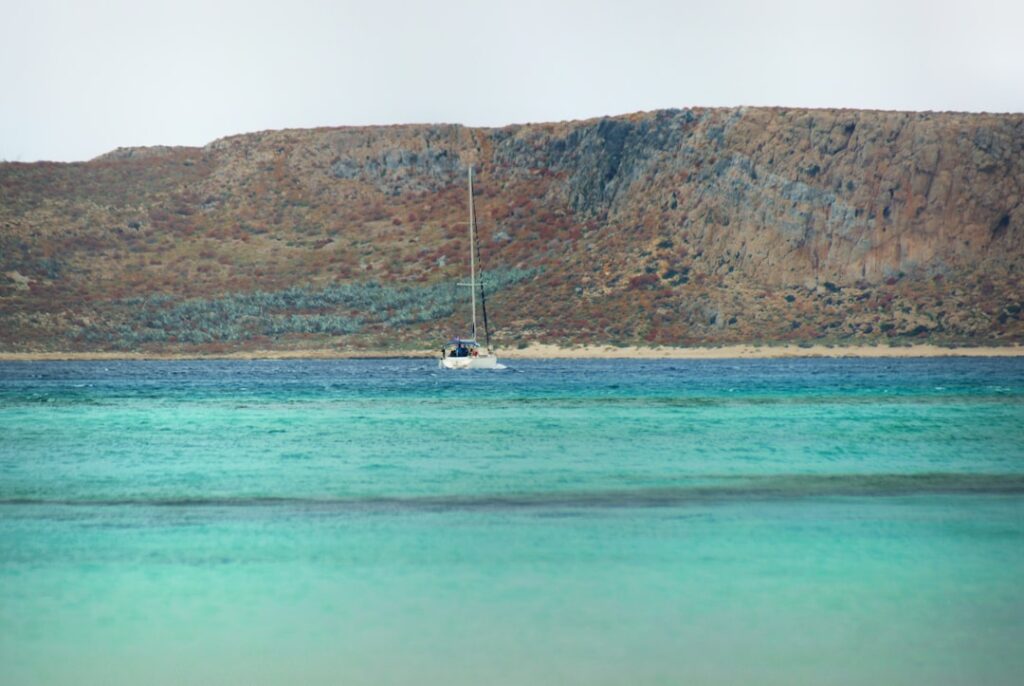
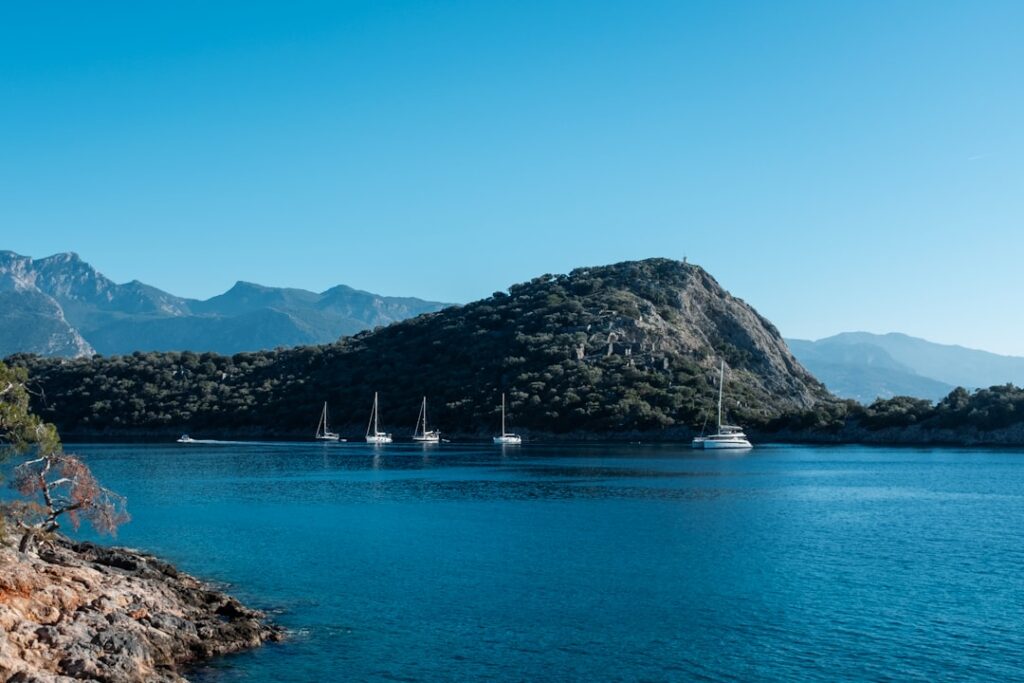
Crete, a land of myth and endless sea horizons, is the perfect jumping-off point for boat trips to islands and islets that pack history, wild nature and Mediterranean charm into compact packages. From picture-postcard harbours and secret coves to Venetian fortresses, sailing around Crete delivers a mix of experiences for every taste: swimming in turquoise waters, hiking forgotten trails, exploring historic sites and sampling island produce. This guide presents a practical, immersive look at 10 islands you can reach by boat from Crete. Each island entry includes concrete details: which port to sail from, useful addresses (ticket offices and harbours), indicative prices in euros, opening hours for notable sites, local tips and activity suggestions to make the most of your day at sea.
Whether you head out from Heraklion, Chania, Rethymnon, Agios Nikolaos or Ierapetra, boat trips range from half-day outings to longer crossings with overnight stays. Depending on weather, season and your appetite for adventure, you can combine islands in a single excursion (for example Gramvousa and Balos from Kissamos) or opt for a slower visit focused on birdwatching and snorkeling in clear water. The Cretan coastline is also full of small local operators offering traditional caïque boats for an authentic feel; prefer insured companies that respect NATURA protection rules.
Before you board, keep some basic rules in mind: check the weather and sea conditions, book your place in high season, bring strong sun protection, water and snacks, and obey signs and instructions on each island (many are fragile or protected). We selected ten must-see islands around Crete and included practical, precise information to help you plan worry-free outings. At the end of the article you’ll find extra practical advice on navigation, recommended gear and protecting island environments. Put on your hat, hoist the sails—or book a ticket—and set off to discover the marine secrets surrounding Greece’s largest island.
1. Spinalonga (Kalydon) — the Venetian fortress off Elounda
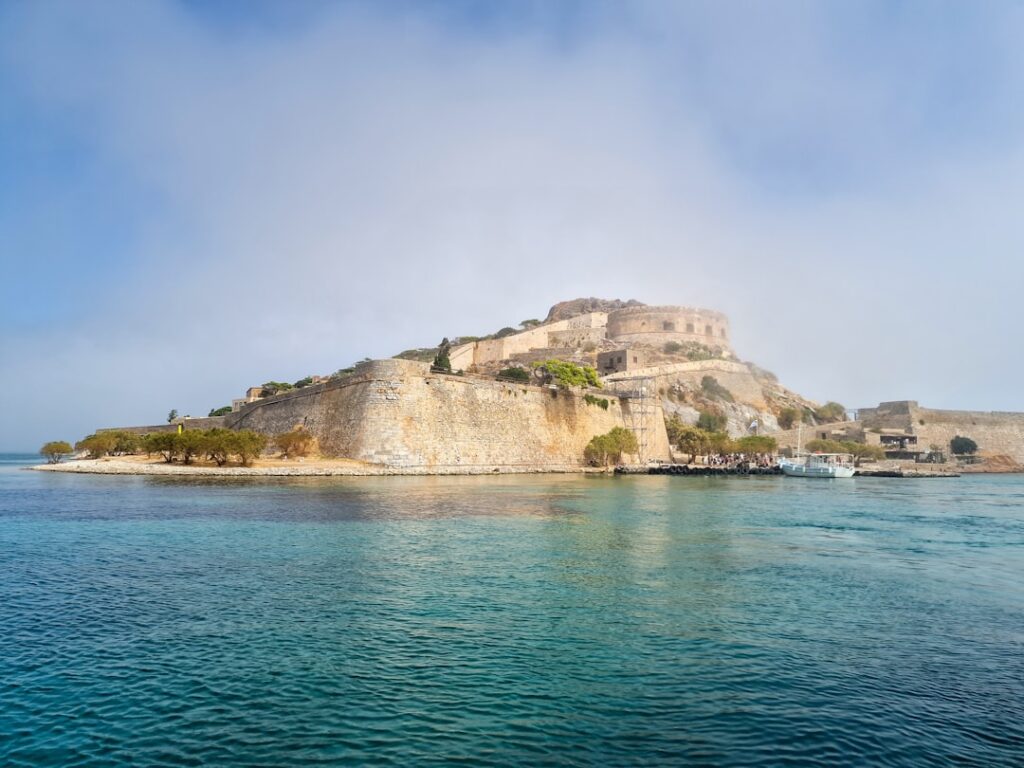
Spinalonga, also known historically as Kalydon, is one of the best-known islands off Crete’s northeast coast. Just a few hundred metres from Elounda bay and the village of Plaka, it hosts an imposing Venetian fortress that later became a leper colony in the early 20th century. The island is mainly visited on excursions from Elounda Port (Elounda Port, 72053 Elounda, Agios Nikolaos, Crete) or from Plaka (Plaka Harbour, 72053 Plaka, Elounda). Departures run year-round but pick up significantly from April to October.
Address and tickets: Tickets are sold at the Plaka quay (Plaka Harbour ticket office, 72053 Plaka) and at the Elounda port kiosk (Elounda Port ticket kiosk, 72053 Elounda). Indicative prices: return boat transfer + guided entry to the island about €12–18 per person in 2026 (prices vary by operator). Entry only (for visitors arriving by private boat): archaeological site admission to Spinalonga around €8.
Opening hours: The archaeological site and fortress are generally open April–October from 08:00 to 19:00, and November–March from 09:00 to 16:00 — check seasonal hours on site. Daily excursions from Plaka/Elounda usually depart between 09:00 and 15:00 and last about 1–3 hours depending on whether you take a guided tour.
Immersive description: As you approach Spinalonga, the massive silhouette of Venetian walls rises from the sea. Warm stone, narrow alleys and stairways leading up to bastions tell centuries of human presence: Venetians, Ottomans and later the island’s role as a health institution. The visit takes you up on the ramparts, past former quarantine rooms and to spectacular viewpoints over Elounda Bay and the Sitia mountains. Local guides detail the island’s transformation, the living conditions of leprosy patients and ancient military strategies.
Practical tips: Arrive early to avoid crowds and heat, especially in July–August. Wear sturdy shoes (stones and steps), a hat and bring water. Facilities are limited; there’s no café on the island, so take snacks in Plaka. If you rent a private boat, moor at the official landing and buy admission at the quay. Photography tip: morning light creates beautiful contrasts on the walls.
 Click here to book a Spinalonga trip from Agios Nikolaos
2. Gramvousa Island — Byzantine fortress and rugged coves
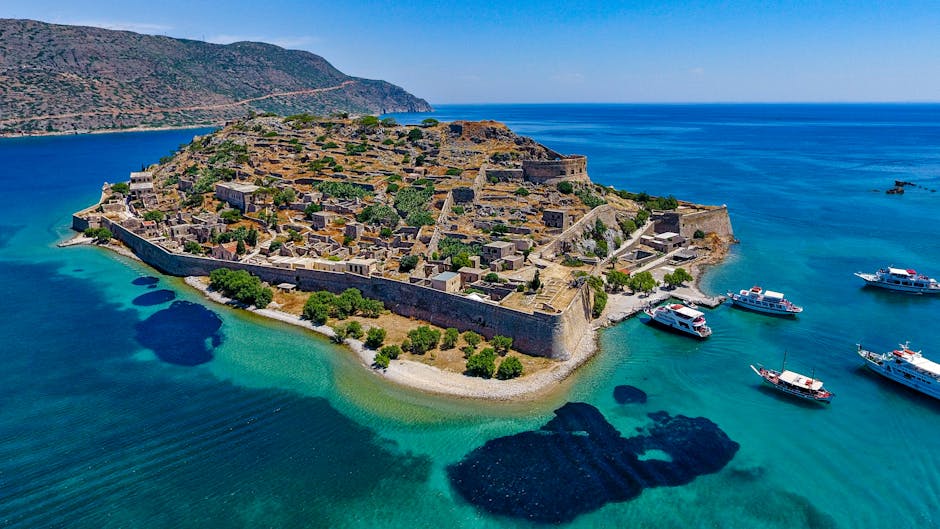
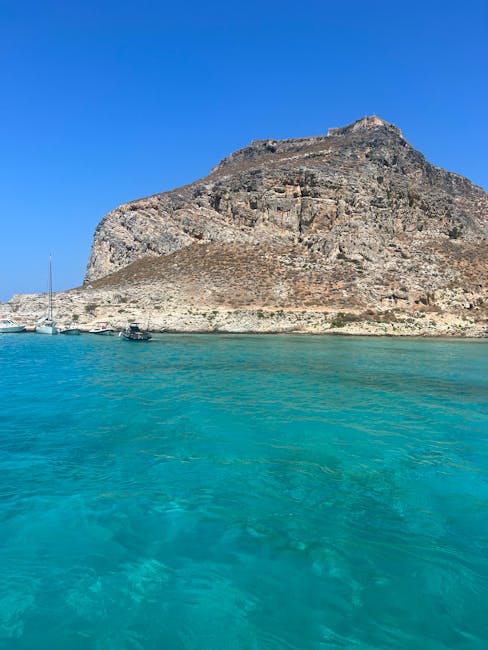
Gramvousa lies off the northwest of Crete, opposite the Rodopou peninsula and the Balos lagoon. There are two Gramvousa islets: Imeri Gramvousa (the one frequented by visitors) and Agria Gramvousa (wilder and less accessible). Imeri Gramvousa is famed for the ruins of a Venetian fortress perched on a rocky spur. Excursions depart mainly from Kissamos port (Kasteli Kissamou Port, 73400 Kissamos, Chania) and often combine a visit to Gramvousa with Balos for a full-day trip.
Boarding / address: Kasteli Kissamou Port ticket office, Port of Kissamos, 73400 Kissamos, Chania. Prices: combined Gramvousa + Balos tours about €25–40 per person (depending on season and inclusions). If you sail in a private boat, budget for mooring fees and respect protected areas.
Timetable: Boats typically leave Kissamos between 08:00 and 09:30 and return late afternoon (16:00–18:00). Times vary widely by company and sea conditions.
Immersive description: Approaching Gramvousa, you see a castle perched on white cliffs overlooking the deep blue sea. The climb to the fortress rewards you with spectacular views over the Libyan Sea and the Cretan coastline. At the top are Venetian wall remains, cannons and watchtowers offering 360° panoramas. Around the island, small coves with crystal-clear water invite swimming and snorkeling where colorful gorgonians and other marine life decorate the seabed.
Practical tips: The climb to the fortress is steep and can be slippery — wear closed shoes. Bring plenty of water and a snack — seasonal kiosks sometimes operate at the base. Crossing can be rough in windy conditions; check sea forecasts at Kissamos port. If you have a private boat, favour morning visits to avoid algae and peak tourist flows.
Click here to book your Gramvousa and Balos excursion
3. The Balos Lagoon — a tiny island and turquoise lagoon
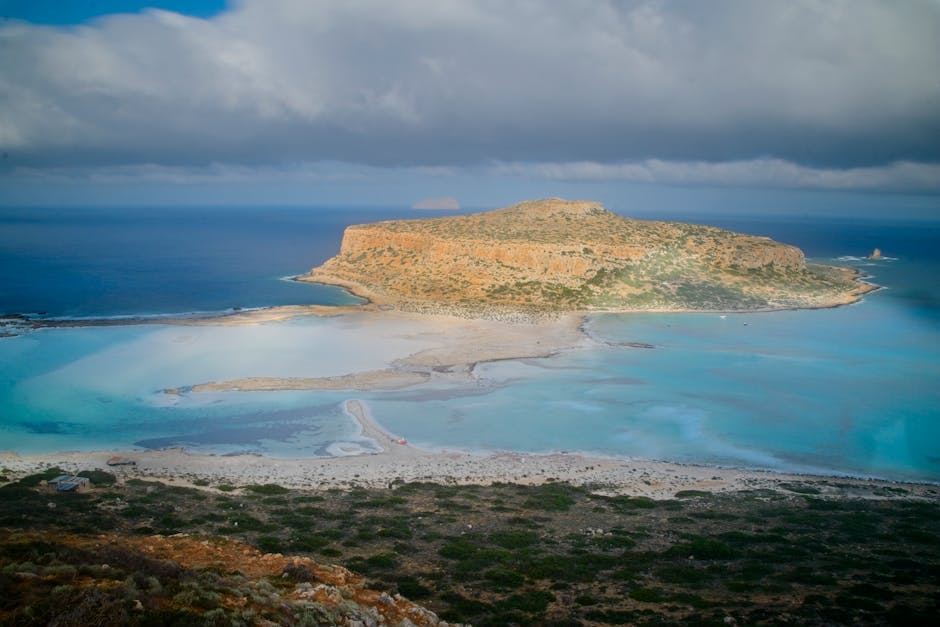
The Balos lagoon and its bordering islet form an exceptional natural site on Crete’s far northwest tip, reachable by boat from Kissamos (Port of Kissamos, 73400 Kissamos, Chania) or by a coastal road plus hike. Balos is famous for its shallow waters, white sandbanks and stunning turquoise hues — ideal for families and photographers.
Access and tickets: Daily trips run from Kissamos. Price: roughly €20–40 per person for return boat trips (prices vary by operator and season). For the terrestrial natural park there’s no classic entrance ticket, but a small access/parking fee applies if you arrive by road (about €2–4 during high season).
Timetable: Boats depart early morning (08:00–09:00) to enjoy calm waters and return in the afternoon (15:30–17:00). The site is busy in high season; the best time is early morning or late afternoon for light and quiet.
Immersive description: From the water, Balos reveals a palette of blues and greens swirling around immaculate sandbanks. Shallow seas allow you to walk far from shore across broad sand flats. The small rocky islet in the centre creates beautiful perspectives. From the boat you may spot Posidonia seagrass meadows and, occasionally, loggerhead turtles (Caretta-caretta). Reefs and small underwater caves make for rich snorkeling.
Practical tips: Bring a hat, biodegradable sunscreen (to protect seagrass), and water shoes. Respect marked nesting zones and avoid anchoring on seagrass beds. Choose a morning trip to escape the crowds; if you’re on a private boat, land only in authorised areas. Wind can rise quickly — monitor local weather bulletins.
Click here to book a Balos and Gramvousa cruise
4. Elafonissi — the pink-sand islet with shallow waters
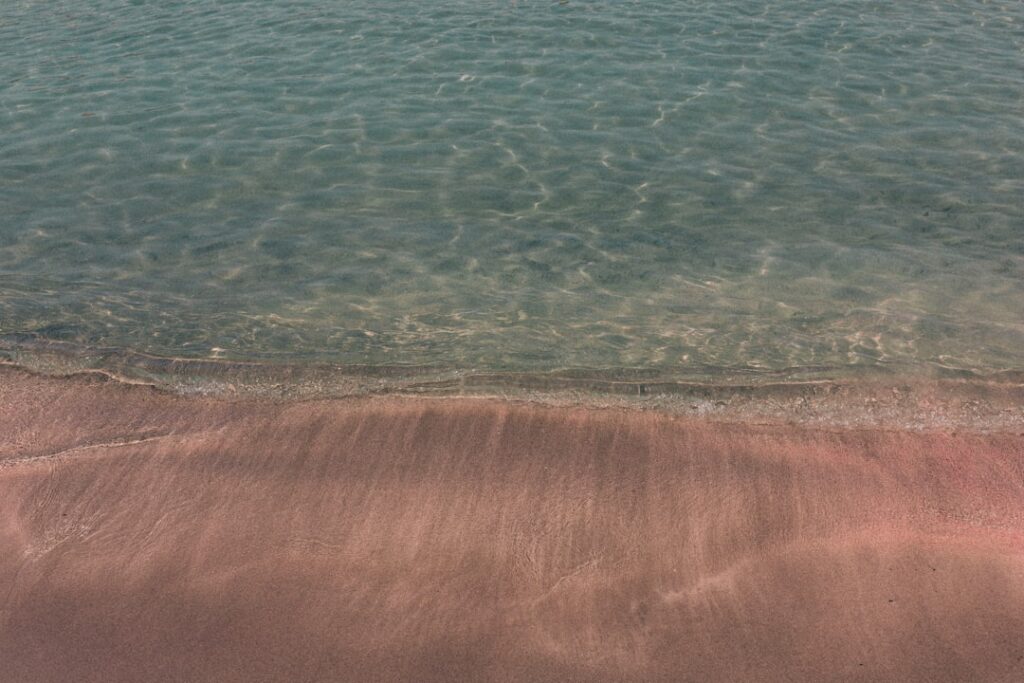
Elafonissi is a sandbar islet at Crete’s far southwest tip, famous for white and pink sands and emerald shallow waters. Although linked to the mainland at low tide, Elafonissi is also explored by sea from Chania or Kissamos for a different perspective and access to quieter coves.
Access: Boat departures typically leave from Kissamos (Port of Kissamos, 73400 Kissamos, Chania) or private charters from Paleochora (Paleochora Port, 73001 Paleochora). Prices: return boat trips between €30 and €60 depending on distance and duration; private boat hire for the day ranges €200–500 depending on size and season.
Hours and season: The beach is accessible year-round, but tourist services (sunbed rentals, bars) are seasonal, usually open April–October from about 09:00 to 18:00. Boat excursions concentrate in April–October with early departures to catch the best conditions.
Immersive description: From the boat, Elafonissi appears as a pale patch on the sea — a halo of pink sand made from crushed shells. Landing there feels like stepping into a still painting: gentle lapping waves, warm sand and lagoons forming between sandbanks. The seabed is soft, perfect for young children and light snorkeling. Dunes and low vegetation add a wild touch to the landscape.
Practical tips: Bring plenty of water (facilities are sparse), a parasol for long stays and high sun protection. If arriving by road, parking costs in high season run about €2–5. From a boat, avoid approaching breeding areas for birds and follow local authority instructions. Do not take or break corals and shells — the beach is fragile.
Click here to book a catamaran trip to Elafonissi
5. Gaidouronisi / Chrissi — the golden island south of Ierapetra
Chrissi, locally known as Gaidouronisi (« Donkey Island »), is a small paradise off Crete’s southeast coast, mainly reached from Ierapetra (Port of Ierapetra, 72200 Ierapetra). The island is covered with cedar groves, golden sandy beaches and incredibly clear water — a perfect spot to unwind and observe Mediterranean biodiversity.
Access and prices: Boats and catamarans depart from Ierapetra harbour (Ierapetra Harbour ticket office, 72200 Ierapetra). Prices: return trips roughly €15–35 per person; some operators offer lunch-inclusive packages around €40–60.
Hours: Services operate mostly from May to October. Departures are usually in the morning (09:00–10:00) with returns mid-afternoon (16:00–17:00). Timetables depend on the weather; crossings can be cancelled in strong northerly winds.
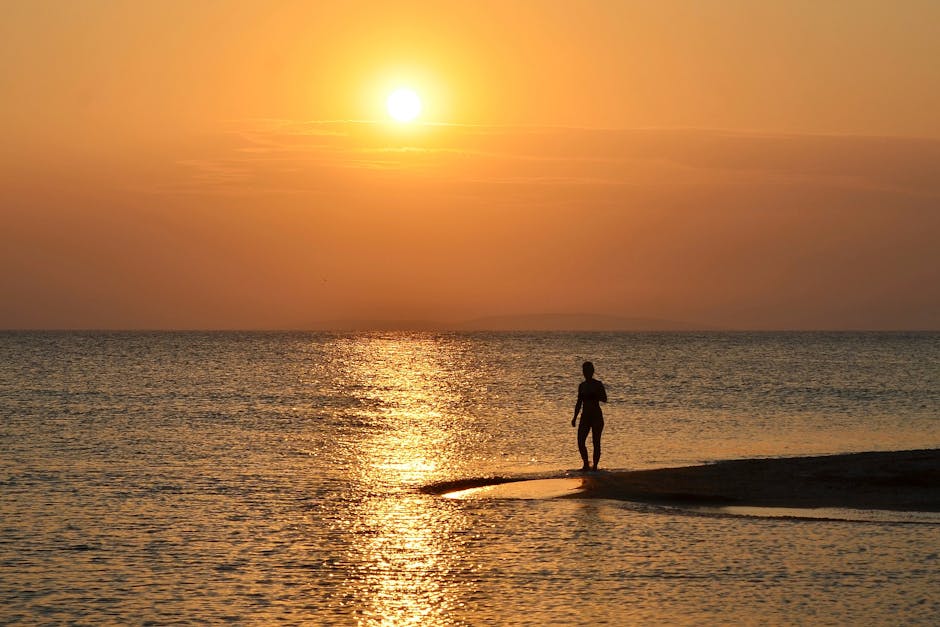
Immersive description: Approaching Chrissi you’ll notice golden vegetation and dunes; the contrast between cedar trees and translucent water is striking. The best-known stretch, Golden Beach (Chrissi Island Golden Beach), curves with fine sand framed by natural breakwaters. Swimming is clear and snorkeling reveals small fish schools and Posidonia meadows. Nature lovers can walk to the lighthouse and old harbour to spot migratory birds and endemic plant species.
Practical tips: The island is protected — stick to marked paths and take your rubbish with you. Bring cash for small purchases and a water bottle; the seasonal kiosk may offer drinks but not always full meals. If you have a private boat, anchor in authorised areas and avoid mooring on seagrass. Take snorkeling gear and a waterproof camera to capture marine life.
Click here to book a Chrissi cruise with lunch
6. Dia — a nature reserve north of Heraklion
Dia lies about 8 km north of Heraklion and is an important nature reserve for seabirds and wildlife. Reachable on excursions from Heraklion (Heraklion Port, 71202 Heraklion), Dia is less visited than other islands, making it ideal for wildlife watching, diving and peaceful escapes.
Access: Departures from Heraklion port (Heraklion Passenger Port ticket counters, 71202 Heraklion). Prices: half-day trips about €20–35 per person; private boat hire from Heraklion €150–400 per day depending on boat size and season.
Hours and rules: Organized visits respect bird nesting seasons and may be limited in spring. Trips usually leave in the morning to enjoy calm currents and return before tides change. Landing is forbidden in some protected zones; follow your guide’s instructions and posted signs.
Immersive description: Dia reads as a rocky, arid silhouette surrounded by crystal-clear water. Steep cliffs host seabird colonies (gulls and storm petrels) and create dramatic dive sites. Marine caves and underwater drop-offs are great for snorkeling and scuba diving, where you can encounter gorgonians, groupers and a range of Mediterranean species. The light here is often exceptionally clear, making each dive vivid and colourful.
Practical tips: If you dive, bring proper gear (weights, fins, dive computer). Navigation to Dia requires caution because of currents — trust an experienced skipper. Pack binoculars for birdwatching and follow reserve rules: no fires, no collecting shells and no pollution.
Click here to book a Dia island cruise from Heraklion
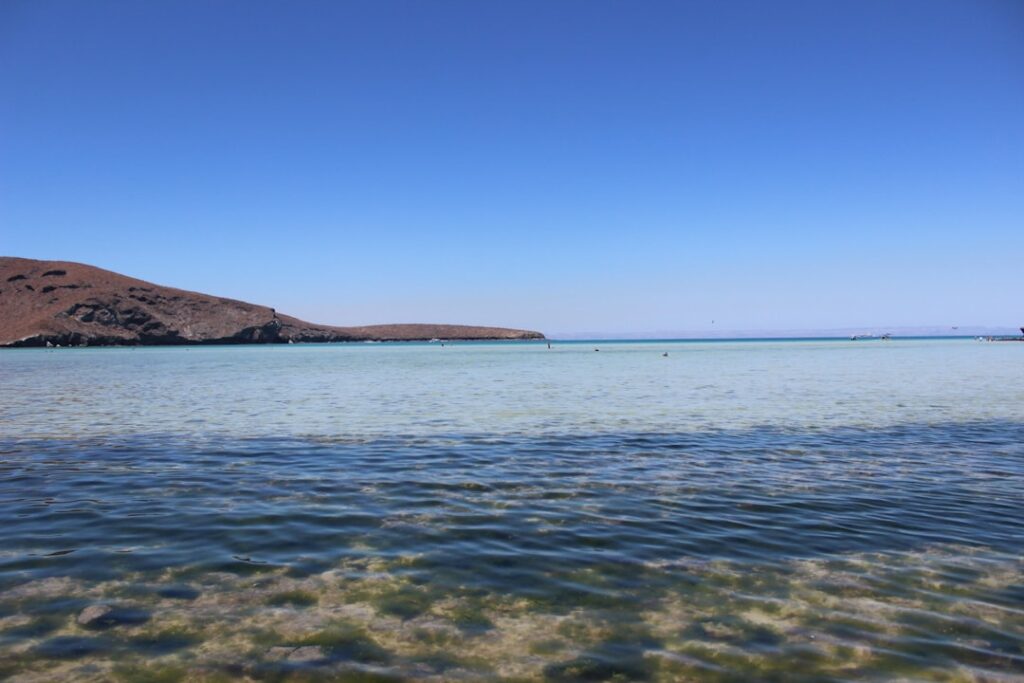
7. Koufonisi (Crete) — preserved coves in the southeast
This Koufonisi is the small archipelago off Crete’s southeast coast (not to be confused with the Cycladic Koufonisi). Accessible from Palaikastro or Ierapetra depending on operators, this Koufonisi features isolated beaches, sea caves and ideal anchorages for a quiet day away from mass tourism.
Access and prices: Departures from Palaikastro Harbour (Palaikastro Port, 72300 Palaikastro) — note that boarding points can vary by operator, so check locally before booking. Estimated prices: shared boat trips €20–45; private hire €200–400 per day.
Timetable: Seasonal activities run April–October, with morning departures to enjoy calm waters and returns late afternoon. Check local schedules and weather because the Libyan Sea can be windy.
Immersive description: Koufonisi reveals emerald-green coves, pebbly beaches and marine caves perfect for snorkeling and sea kayaking. The vibe is wild and quiet, ideal for contemplation. Small bays are great for anchoring and exploring rocky nooks by paddle where light dances on water and rock faces.
Practical tips: Bring beach shoes as some coves are stony. If you rent a boat, check fuel and equipment: life jackets, GPS and a good anchor. Tell someone your day’s plans if you’re exploring little-frequented areas.
Click here to book a Koufonissi cruise with lunch
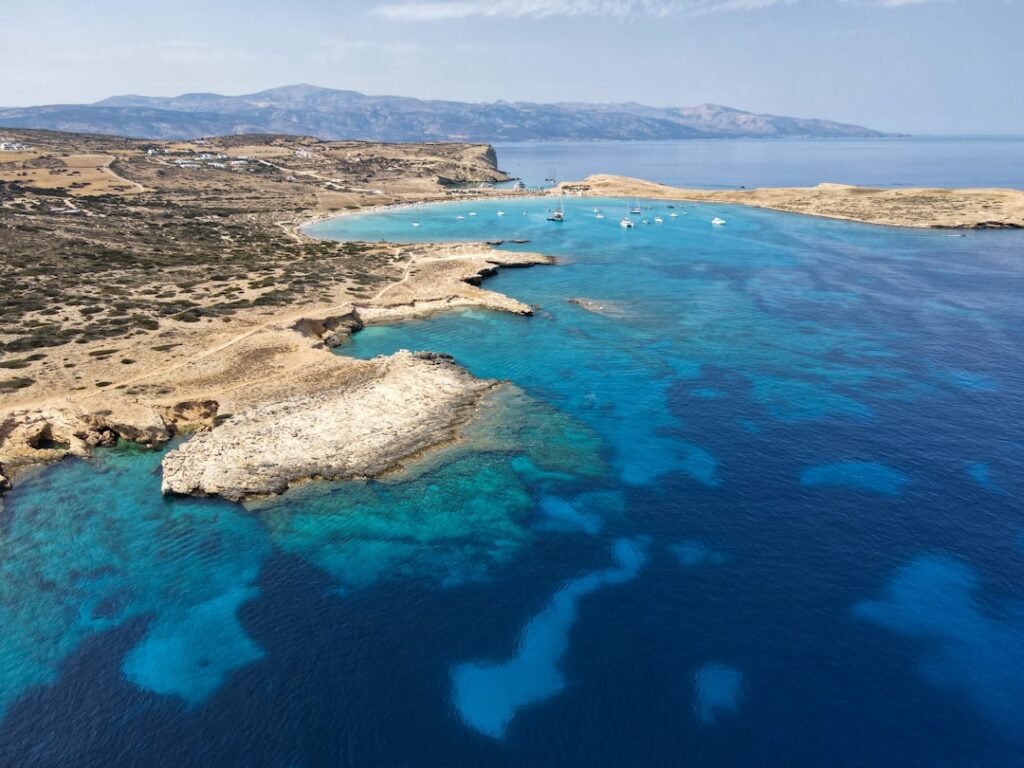
8. Paximadia — the twin islets sculpted by the sea near Matala
The Paximadia islets, sometimes called the « Island of the Gods » in local legend, sit southeast of Crete facing Matala beach. Two small rocky islets visible from shore make for a romantic, wild escape on boat trips from Matala (Matala Harbour vicinity, 70200 Matala) or Agia Galini.
Access: Excursions run from Matala, Agia Galini and Mires. Prices: boat trips €15–30 per person; private hire for the day €150–350 depending on season.
Hours: Boat trips run mainly April–October, departing in the morning or late afternoon depending on the light photographers want. Local guides recommend sunset trips around Paximadia for a magical atmosphere.
Immersive description: Paximadia stand out on the horizon with sculpted cliffs and sea cavities. The nearby waters are ideal for swimming, snorkeling and occasional line fishing. The sea here is clear and evening light warms the rock colours. Some operators offer picnic stops and swimming halts close to the islets.
Practical tips: In high season, arrive early at Matala to secure your spot on the boat. Bring a towel, water and snacks — onshore services are limited. Photographers should aim for golden hour for dramatic shots. Respect protected areas and avoid landing on islets where access is restricted for bird breeding.
Click here to book a sailing excursion from Agia Galini
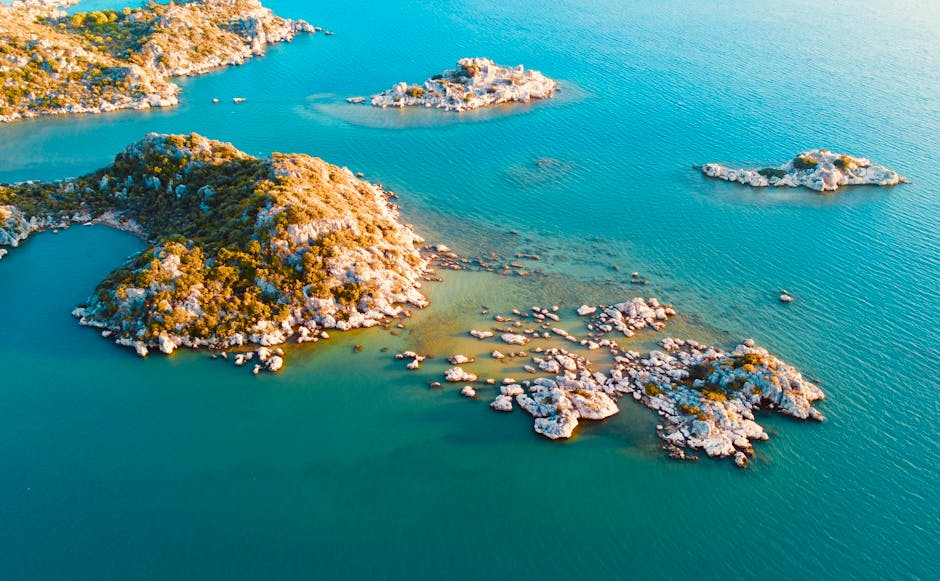
9. Gavdos — Europe’s southernmost inhabited island, the wild one
Gavdos is Europe’s southernmost inhabited island, located southwest of Crete opposite the Sfakia region. It’s a destination for travellers seeking isolation, with deserted beaches, cliffs and little-used trails. Ferries depart from Paleochora (Paleochora Port, 73001 Paleochora) and sometimes from Sougia or Sfakia depending on season.
Access and fares: Ferry crossings from Paleochora cost around €25–45 return (prices vary by season and vessel). Some weekly sailings also link Gavdos with Agia Roumeli and other south Crete ports.
Schedules: Crossings are limited in number; in high season there are several departures per week, while frequency drops considerably in low season. Check departure times at your port and book ahead when possible.
Immersive description: Gavdos gives a sense of the absolute: long deserted beaches (notably Sarakiniko Beach), cliffs, ancient ruins and tiny villages like Kastri with a few tavernas and basic accommodation. Sunsets over the sea are magnificent and the night sky is exceptional thanks to very low light pollution. Walkers can explore coastal trails and isolated lighthouses, while swimmers enjoy coves reachable only by boat or on foot.
Practical tips: Gavdos requires careful preparation: provisions, water and accommodation info if you plan to stay overnight. Services (grocer, tavern) are limited and seasonal — carry cash. If you’re on a private boat, anchor only in authorised spots and observe access notices for protected beaches. Follow rules on wild camping and avoid lighting fires.
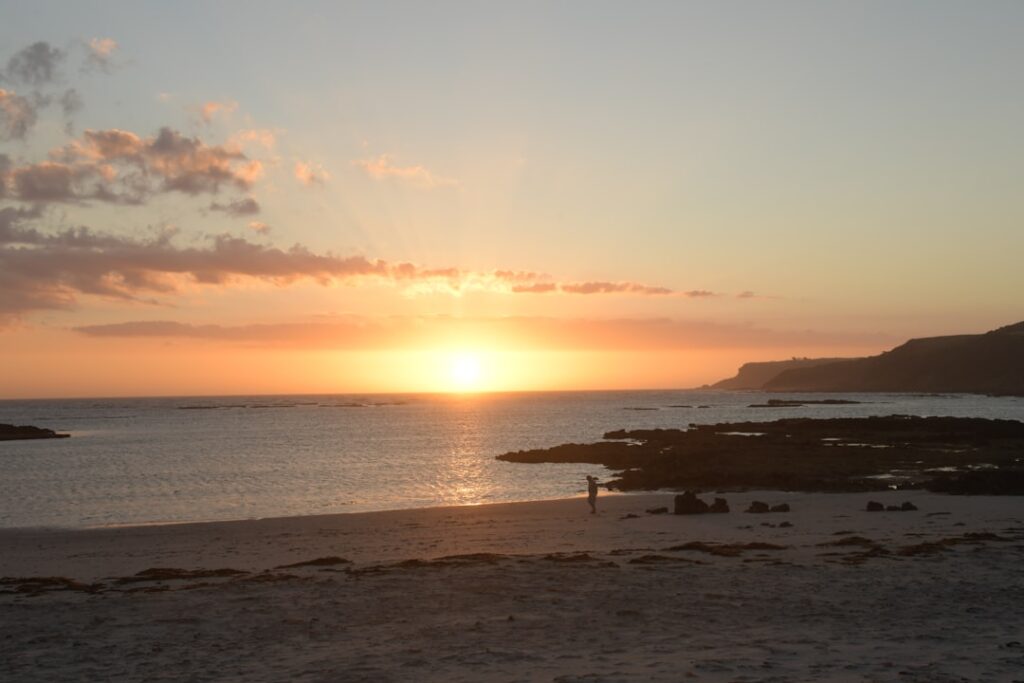
10. Kalathos / Makronisos (islets near Sitia) — quiet corners and diving
The small islands and islets near Sitia, like Makronisos and Kalathos, offer calm stops for diving, fishing and swimming away from mainstream tourist routes. Departures are from Sitia harbour (Port of Sitia, 72300 Sitia). These islets are prized for rocky seabeds, caves and dive sites rich in biodiversity.
Access and prices: Excursions and private rentals depart from Sitia. Prices: half-day shared boat trips around €20–35; private hires €150–350 depending on season and boat size.
Timetable: Trips run chiefly April–October, with early morning departures to catch calm seas and return before afternoon thermal breezes pick up.
Immersive description: Approaching Makronisos and Kalathos, rugged coastlines open to marine recesses, arches and caves that are perfect for snorkeling or scuba diving. Underwater walls attract varied life: moray eels, groupers, nudibranchs and schools of Mediterranean fish. Navigating between the islets is often peaceful and allows for multiple stops for swimming and kayaking.
Practical tips: Hire a local skipper if you’re unfamiliar with the area — they know the best anchorages and caves. Bring dive gear or book a guided dive to enjoy biodiversity without impact. Respect signs delimiting sensitive zones and avoid anchoring on seagrass meadows.
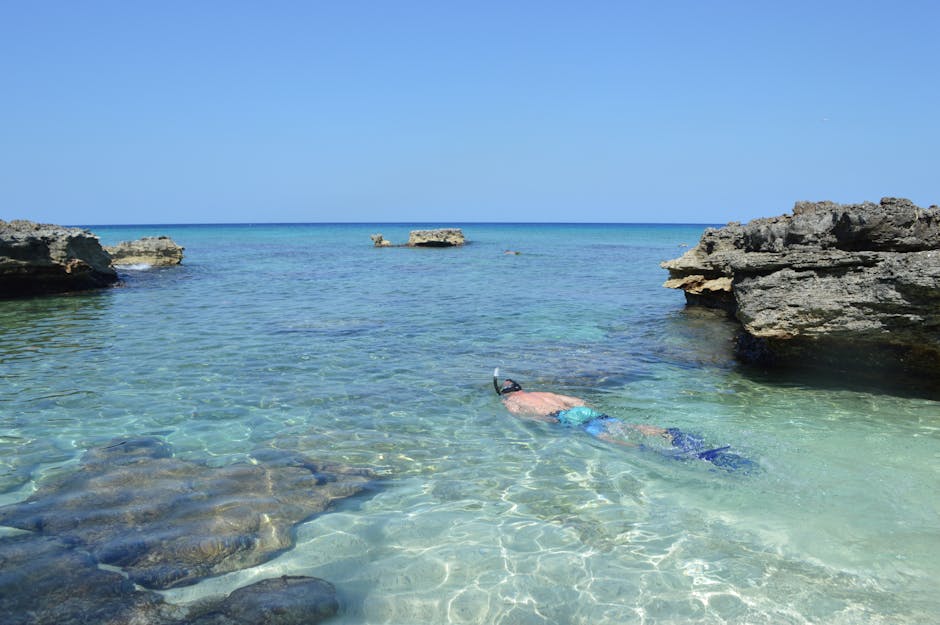
Conclusion
Crete is more than beaches and mountains: it’s a gateway to a constellation of islands and islets offering diverse marine experiences — historical heritage, turquoise lagoons, wild beaches, nature reserves and spectacular dives. From Spinalonga’s ramparts to Gavdos’s tranquil waters, every island tells a different story and calls for a respectful, prepared approach. To enjoy these sea escapes to the fullest, remember a few simple rules: always check weather and sea conditions before leaving, book excursions in high season, choose insured local operators who respect the environment, and bring essentials: biodegradable sun protection, water, suitable footwear and snorkeling gear.
Logistics — boarding ports (Heraklion, Chania, Kissamos, Elounda, Ierapetra, Paleochora, Sitia), schedules and prices — vary by season and operator; the rates given here (in euros) are estimates based on common practice and may change. For historical sites like Spinalonga or Gramvousa, check archaeological site opening hours and guide availability to enrich your visit. For protected islands — Dia, Chrissi, Paximadia — strictly follow reserve rules and avoid disturbing habitats.
Finally, leave room for the unexpected: some of the best discoveries happen off the beaten track — a secluded cove spotted from the foredeck, a colourful jellyfish drifting past your anchor, or an impromptu dinner in a port taverna where Cretan hospitality shines. Whether you’re a photographer, diver, hiker or simply after relaxation, Crete’s surrounding islands promise memorable experiences. By respecting the sea and its rules, you help preserve these fragile places so future travellers — and generations to come — can discover these marine treasures too. Fair winds and happy island-hopping!