





Introduction: The mysteries of Crete’s uninhabited islets
Crete, an island of many faces, dots its coastline with a scatter of uninhabited islets that capture the imagination of travelers, photographers and sea lovers. These rocky outcrops and limestone knobs—sometimes cloaked in scrubland, sometimes bare—carry traces of ancient histories, Venetian fortifications and maritime legends passed down through generations. Just off the ports of Heraklion, Chania, Agios Nikolaos, Ierapetra and Plakias, small lands rise from the sea—Dia, Paximadia, Glaronisi, Koufonissi, Spinalonga and other tiny islets—each offering its own landscape and experience: crystal pebble beaches, wave-carved cliffs, sea caves and vibrant underwater life.
This article aims to reveal the secrets of those islets: how to get there, what you can explore, local regulations, what gear to bring and how to respect these fragile environments. You’ll find exact departure ports, indicative prices in euros for crossings or entrance fees, typical departure times and hands-on tips to make the most of every stop. Whether you’re a photographer chasing golden light on cliff faces at sunset, a diver hunting underwater caves, a hiker wanting to roam a deserted loop or a history buff curious about Venetian remains, this guide will help you plan your trip with practical info and local recommendations.
Uninhabited islets around Crete are often vulnerable: nesting seabirds, posidonia seagrass meadows and archaeological remains require responsible behavior. Many of these lands are protected by local or European laws; access, fishing and anchoring are sometimes regulated. Here you’ll learn not just where to go, but how to go without leaving a trace: recommended visiting times to avoid crowds, maps of the best anchorages, contacts for local skippers, typical excursion prices and tips for an eco-friendly picnic (pack everything out and never burn rubbish).
With immersive descriptions, precise addresses (departure ports, meeting points), price ranges in euros and typical departure and opening times, we invite you to a thoughtful and inspiring exploration. Pack your water shoes, snorkel mask and curiosity: Crete’s coast hides quieter treasures than the busy main beaches—places where time feels suspended and every bird call and wave tells a story. Open your eyes, respect the sites and let the sea breeze carry you around these forgotten islets.
Dia: the wild islet opposite Heraklion
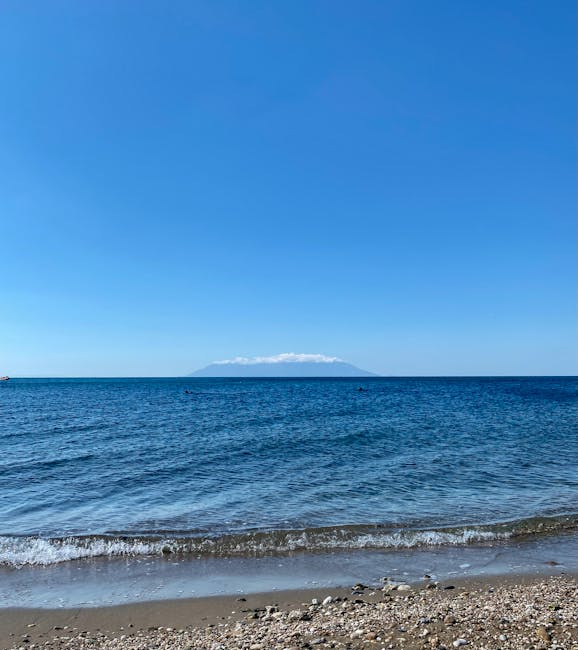
Dia (Νήσος Δία), a small islet about 6 km north of Heraklion, is often described as the « secret garden » visible from the harbor promenade. It’s a nature reserve where many seabirds nest and Mediterranean vegetation cloaks the limestone ridges. Access is regulated: the islet is largely protected and camping and leaving rubbish are forbidden. Daily excursions from Heraklion port typically include short swimming and snorkeling stops around Dia’s coves, but landing ashore is strictly controlled by local authorities depending on nesting seasons.
Recommended departure point: Port of Heraklion, address: Leoforos Nearchou 1, Heraklion 71202. Local companies offering trips to Dia use small boats and RIBs; the crossing usually takes 20 to 40 minutes depending on weather. Indicative price: between €15 and €30 per person for a group trip (round-trip, swim included). Typical times: morning departures between 09:00 and 10:30, returns between 13:00 and 16:00. During high season (June to September) there are often extra afternoon departures. Exact schedules vary by operator and weather; arrive at the port at least 30 minutes before departure and book ahead for July and August.
Immersive description: as you approach Dia you first notice the bright white of the limestone cliffs against the deep blue sea. Small coves shelter exceptionally clear water that invites you to jump in. The seabeds around Dia host Posidonia oceanica meadows, vital to the ecosystem, and anchoring on those areas is forbidden. Skippers will point out authorized anchorages, often near small underwater caverns where visibility is excellent for snorkeling.
Practical tips: bring your snorkel gear (rentals available at Heraklion port, Leoforos Nearchou 1), water (minimum 1.5 L per person) and a cap for the sea crossing. Follow signs and guides’ instructions: don’t land on restricted zones, don’t feed the birds, and avoid using non-biodegradable sunscreen before swimming. If the meltemi wind is blowing, the crossing can be choppy; check the forecast and, when possible, choose morning trips when the sea tends to be calmer.
 Click here to book a cruise to Dia island
Paximadia: the two sisters off Agia Galini bay
The Paximadia islands (Παξιμάδια), made up of Mikra Paximadia (Small Paximadia) and Megala Paximadia (Big Paximadia), lie off southern Crete, opposite the coastal village of Agia Galini and the Messara Bay. These two rocky outcrops, with golden sandy beaches and turquoise waters, carry myths—some link them to stories of Aphrodite. Their beauty makes them a popular destination for boat trips from Agia Galini and Plakias, and from the seaside resort of Agios Pavlos.
Recommended departure point: Agia Galini Port, address: Agia Galini, Rethymno 74057 (usual meeting point at the main quay in front of the taverna « To Kyma »). For departures from Plakias or Agios Pavlos, meet at Plakias Harbour, Plakias 74060. Indicative price: half-day excursions between €20 and €40 per person, with private options sometimes around €120 to €200 depending on boat size. Typical times: morning departures between 09:30 and 11:00, returns between 14:00 and 17:00. In high season longer trips including lunch on board and cave exploration cost more.
Immersive description: arriving by sea, you first see the clean silhouette of the Paximadia islands cut against the horizon. The surrounding waters shift from cobalt blue to emerald green; underwater visibility is often outstanding. Fine pebble and light sand beaches invite you to relax, and gentle currents make the area ideal for snorkeling. There are no permanent facilities on the islands: no tavernas, no toilets—bring everything you need and strictly follow the « take your rubbish with you » rule.
Practical tips: favor an early departure to enjoy calm waters and avoid sailing into the afternoon winds. If you plan to land on the beach bring a light parasol, provisions and a dry bag for valuables. Check with the captain whether anchoring is allowed at your intended spot—Posidonia meadows are protected and anchoring is strictly prohibited there. Photographers will find dusk light particularly flattering on the rock faces; protect your gear from salty spray.
Click here to book a sailing trip from Agia Galini
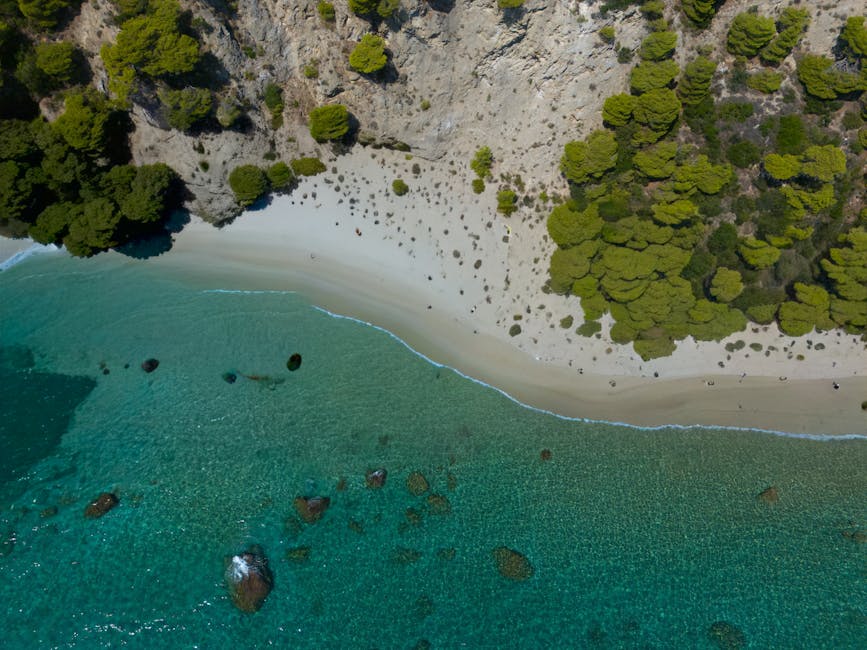
Koufonissi and Glaronisi: sea caves and hidden coves in the southeast
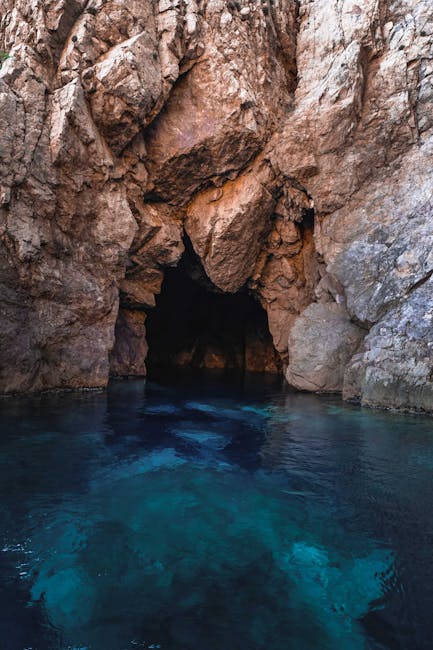
Koufonissi (Κουφονήσι), off Crete’s southeastern tip near Palaikastro and Cape Sidero, and Glaronisi (Γλαρονήσι), a small rocky islet nearby, are less-visited but rich in underwater caves, natural arches and rocky seabeds teeming with marine life. Don’t confuse Koufonissi with the Cycladic islets of the same name—this Koufonissi is known for caves where technical divers and advanced snorkelers can explore tunnels and natural pools sheltered from the wind.
Recommended departure point: Port of Sitia, address: Port Authority of Sitia, Ethnarchou Makariou III 11, Sitia 72300, or Palaikastro port, meeting near the main quay at Kouremenos Beach Road, Palaikastro 72300. Indicative price: full-day boat trips between €45 and €80 per person (often including transfers to several sites and sometimes snorkeling gear), or private boat hire with skipper around €180 to €300 per day. Typical times: early departures between 08:30 and 09:30 to enjoy the caves while the water is calm, returns late afternoon depending on the route length.
Immersive description: the journey to Koufonissi reveals rugged cliffs and deep blue water. Sea caves have a unique acoustics—entering with a mask and snorkel you hear the sea’s breath and see schools of small fish clustering at the entrances. Salt-tolerant wildflowers cling to the rock walls; on the heights you might spot wild wasp nests—be cautious and respectful. The rocky seabeds host varied flora and fauna: gorgonians, occasional groupers, and shoals of seabream for patient observers.
Practical tips: tell your skipper if you want extended snorkel sessions; they’ll pick the best access points depending on tide and water clarity. Bring water shoes for slippery rocks, a safety buoy if you swim far from the boat and a first-aid kit. The islets offer no supplies: pack water and food and make sure the boat has enough fuel and radio for a full day. Finally, respect seabird nesting zones—avoid landing between March and July in coves indicated by local guides.
Click here to book a cruise to Koufonissi island
Spinalonga: the historic islet near Elounda and Agios Nikolaos
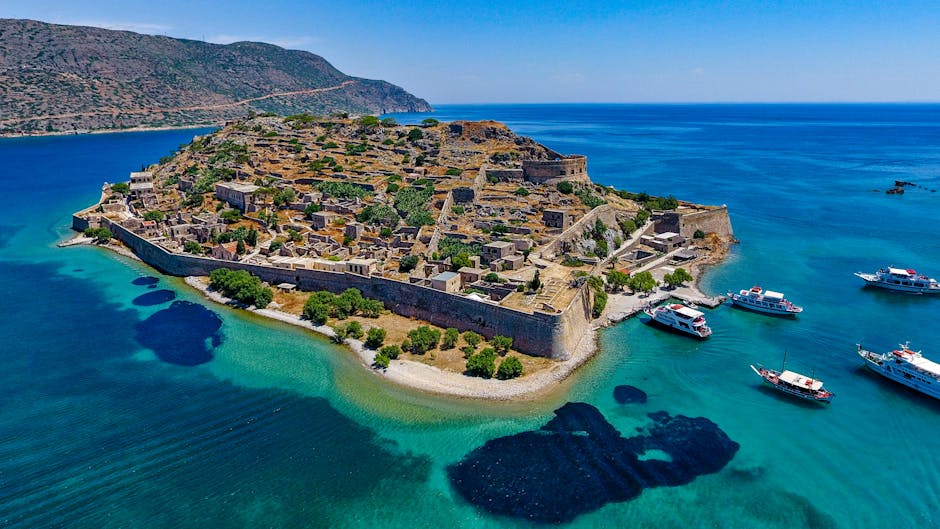
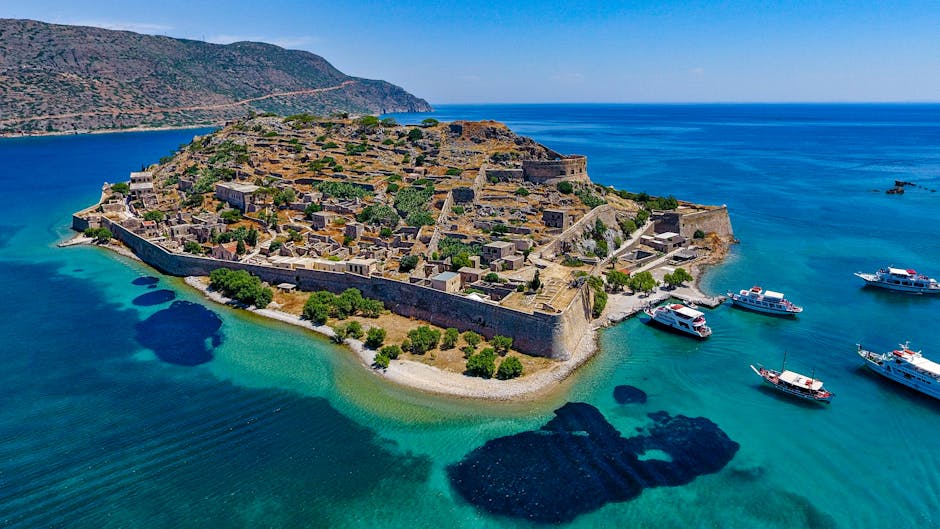
Spinalonga (Σπιναλόγκα) is arguably the best-known islet off Crete’s northeast coast. A former Venetian fortress later used as a leper colony in the early 20th century, Spinalonga is now a moving historical site. The fortress ruins, abandoned houses and ramparts dominate the little bay facing the village of Plaka and the resort of Elounda. The island is easily reached by boat from Plaka, Elounda and Agios Nikolaos.
Recommended departure point: Elounda Port, address: Elounda, Plaka, Elounda 72053, or Port of Agios Nikolaos, address: Limeni Agiou Nikolaou, Agios Nikolaos 72100 (main quay). Tickets and fares: regular crossings from Plaka/Elounda usually cost €8 to €12 round-trip (2024 prices, check locally). Suggested entrance fee to visit the ruins (if applied by the local authority): around €8 (varies by season and management). Typical times: first boats from around 09:00, with last returns often between 17:00 and 18:00 in high season; in low season schedules shrink and some days may only have a morning and an afternoon crossing.
Immersive description: arriving on Spinalonga feels like stepping into a shared memory: empty alleys, doors open on dusty interiors, sun- and salt-bleached walls. The Venetian fortress still stands with a weathered silhouette; you can climb some ramparts for panoramic views over Elounda bay and the sea stretching to Agios Nikolaos. Local guides tell the poignant history of the colony and its survivors, mixing oral accounts with documents preserved in the community memory.
Practical tips: book your tickets early in summer to avoid crowds. Allow at least two hours on the islet to explore ramparts, alleys and to sit by the water for a moment of reflection. Comfortable shoes are essential (pebbles and uneven steps). Bring water and a hat; shade is scarce on the islet. Respect no-entry signs for unstable buildings and stick to marked routes. For photographers, morning light when the sea is calm offers great contrast between stone and water.
Click here to book a Spinalonga trip from Agios Nikolaos
Practical tips, safety and environmental respect
Exploring Crete’s uninhabited islets requires careful preparation: weather can change quickly, winds may pick up and most islets have no infrastructure. Here are concrete rules and tips based on local practice and feedback from skippers and guides.
- Bookings and operators: for Dia, Paximadia and Spinalonga book through reputable operators departing from Heraklion, Agia Galini, Plakias, Elounda or Sitia. Useful Heraklion address: Leoforos Nearchou 1, Heraklion 71202 (Heraklion Port Office). Agios Nikolaos address: Limeni Agiou Nikolaou, Agios Nikolaos 72100.
- Typical prices: short trips (2–3 h): €15–€35 per person; full-day trips and guided snorkeling: €40–€80; private small boat hire (with skipper): €120–€300 per day depending on size. Prices rise in high season and sometimes include food and equipment.
- Timings: favor morning departures (08:00–10:30) for calmer seas. Last boats usually return between 16:30 and 18:30 in summer; in low season check departures carefully as there may only be one or two trips per day.
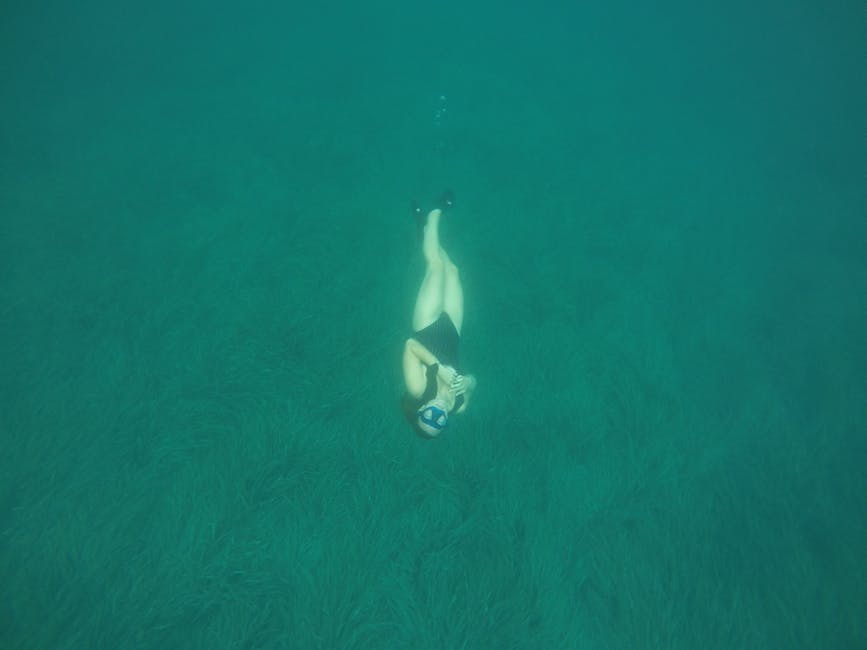
- Equipment: snorkel/mask, water shoes, biodegradable sunscreen, plenty of water, a small dry bag, first-aid kit. If you dive, bring certifications and inform the skipper.
- Environmental respect: do not anchor on Posidonia meadows; take all your rubbish with you; do not pick local plants or disturb birds; obey signs and restricted zones. Local penalties can include fines for pollution or illegal anchoring.
- Safety: always inform the harbour master of your route, check the boat’s condition and lifejackets (for adults and children), and be aware that mobile coverage can be spotty around some remote islets.
- Useful contacts: Port Authority of Heraklion, Leoforos Nearchou 1, Heraklion 71202; Port Authority of Agios Nikolaos, Limeni Agiou Nikolaou, Agios Nikolaos 72100; Port of Sitia, Ethnarchou Makariou III 11, Sitia 72300. For private hires, ask for references and read recent reviews on local platforms.
Conclusion: between preservation and wonder
The uninhabited islets off Crete’s coast form a complex tableau where nature, history and adventure meet. Dia, Paximadia, Koufonissi, Glaronisi and Spinalonga each tell their own story: bird reserves, deserted beaches, sea caves or poignant historic sites. Visiting these lands, even for a few hours, feels like stepping into a world out of time where the sea sets the rhythm and the color of the day. But that privilege comes with a shared responsibility: travelers, skippers and local authorities must work together to preserve ecosystems, protect wildlife and conserve ruins for future generations.
Practically, plan your outings around schedules and seasons, book crossings in advance during high season, equip yourself properly and follow operators’ instructions. Prices in euros vary but remain reasonable for organized trips; for a more tailored experience, private boat hire with a skipper lets you move at your own pace (approx. €120–€300 per day). Remember that the best photo or dive is worth nothing if you leave traces behind: pack out your rubbish, avoid anchoring on seagrass beds and leave sites as you found them.
When you leave the coast after a day of exploration, take with you images of sunlit cliffs, mysterious caves, deserted beaches and ruins filled with feeling. Remember each islet is fragile: respect bird breeding seasons, check local restrictions and favor operators who follow good ecotourism practices. In doing so, you’ll help preserve the mosaic of islands that gives Crete its singular beauty, while keeping for yourself the pure pleasure of discovery.