





Introduction — Tracing the Uprisings: Museums Focused on Modern Cretan Struggles
Crete, that crossroads between Europe and Africa, is an island where history is written in stone, harbors and valleys. Beyond Minoan palaces and sun-soaked Mediterranean scenery, the modern era — from the 19th century through World War II and the resistance movements that forged Cretan identity — is central. Visiting Crete today without understanding its modern struggles means missing a deep layer of its soul. Museums devoted to uprisings, resistance and the fight for independence present tangible stories: personal belongings, official documents, period photographs, uniforms and maps that outline battle lines. They show how local people organized, resisted, and rebuilt their future.
This practical guide, written for the curious and discerning traveler, highlights several museums and museographic sites in Crete dedicated to modern struggles and revolts. For each place you’ll find the exact address, prices in euros, opening hours, an immersive description of the collections and practical tips to get the most out of your visit. Whether you’re into military history, social history, or just want to understand why Cretans are so proud of their past, these museums reveal both intimate and collective stories. They tell of resistance against the Ottoman Empire, the 19th-century Cretan uprisings, the struggle for union with Greece (Enosis), and the tenacious—often tragic—resistance during the German occupation of 1941–1945.
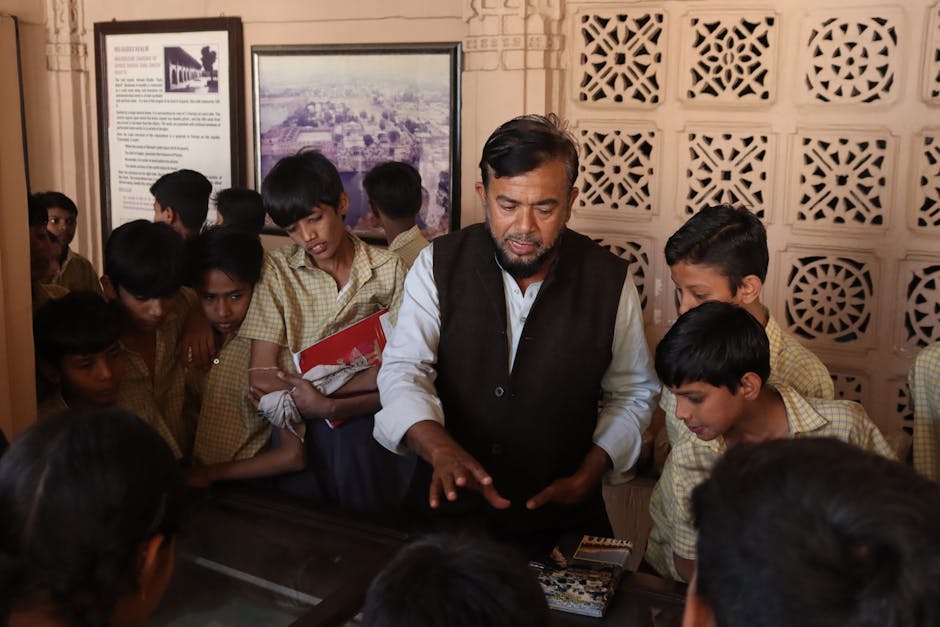
As you walk the galleries you’ll see how each object — a hastily scribbled letter, a sepia photograph, a rusted weapon, a patched flag — bears witness. Exhibitions are often enhanced by interactive maps, reconstructions and audio testimonies that bring voices and emotions to life. Many of these museums are housed in historically significant sites themselves (former strongholds, patriots’ homes, military cemeteries), which layers historical references into the landscape. We also include local tips to optimize your route, avoid peak crowds, and talk with staff or volunteer guides who frequently share family stories that won’t appear in display cases. Expect moving visits: Cretan memory is vivid, often celebrated, sometimes painful, but always illuminating.
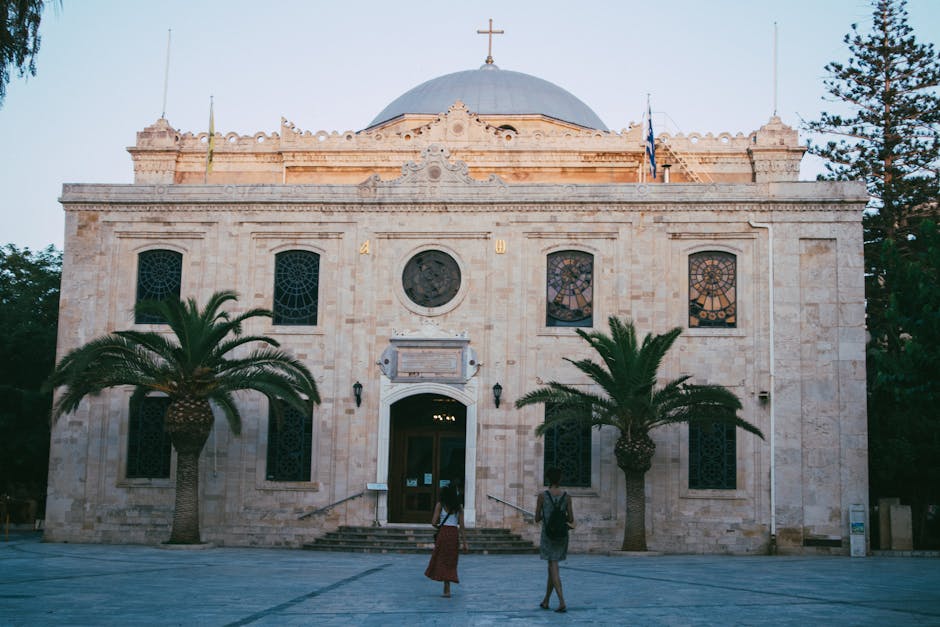
1) Historical Museum of Crete — Heraklion
Full name: Historical Museum of Crete (Ιστορικό Μουσείο Κρήτης)
Address: 6 D. Sofokleous, Heraklion 713 06, Crete, Greece
Price: Regular €6.00; reduced (students, seniors) €3.00; children under 18 free. Occasional combined ticket for temporary exhibitions: €8.00.
Opening hours: Open Tuesday to Sunday, 09:00–17:00; closed Mondays. In July–August some days extend to 20:00 (check the official website).
The Historical Museum of Crete in Heraklion is essential for anyone wanting to understand the Cretan uprisings of the 19th century and the modern era through the post-war years. The permanent collection traces the island’s political, social and military life: Ottoman administrative documents, proclamation posters, uniforms and everyday objects that speak to life during insurgency. The section covering 1897–1913 explains Enosis and the complexity of international alliances. More recent galleries dedicated to World War II feature archival photographs, testimonies from Cretan resistance fighters and strategic maps showing operations across the island.
Local tips: arrive at opening to avoid tour groups and grab an audio guide if available — it puts objects into context. Afterward, stroll through the historic Kastelli neighborhood to see buildings that served as meeting places during the uprisings.
 Click here to book your skip-the-line guided tour of the Palace of Knossos
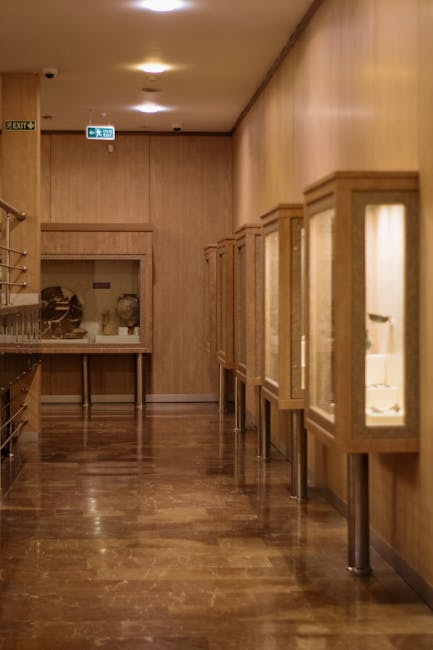
2) Museum of the Battle of Crete and the National Resistance — Chania
Full name: Museum of the Battle of Crete and the National Resistance (Μουσείο της Μάχης της Κρήτης και της Εθνικής Αντίστασης)
Address: 1 Skalidi Street, Chania 731 31, Crete, Greece
Price: Regular €5.00; reduced €2.50; students €2.00. Entry free for children under 12 on weekends in low season (varies).
Opening hours: Open Monday to Saturday, 09:00–15:00. Closed Sundays. Hours may vary during commemorative events (May, June).
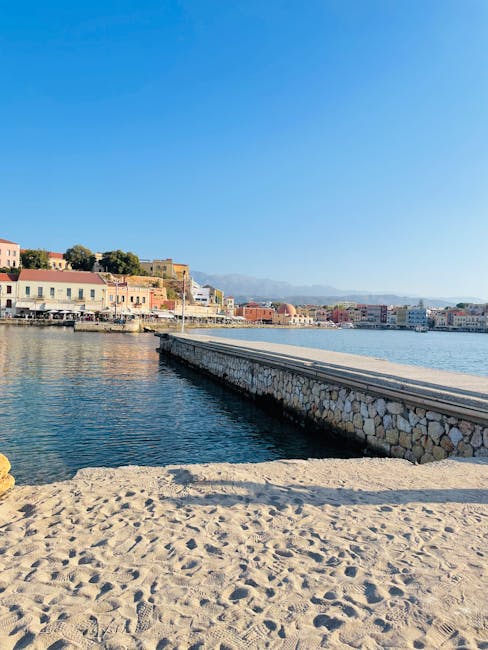
Housed in a building near Chania’s harbor, this museum offers an immersive account of the Battle of Crete (May 1941) and the island’s subsequent resistance actions. You’ll find airborne equipment, maps detailing German landings, and relics recovered from battle sites. Video testimonies from resistors and civilians make the visit vivid — you’ll hear stories of village mobilization and evacuation efforts. One room focuses on German paratroopers and civilian experiences, highlighting the brutality and complexity of both urban and rural combat.
Local tips: combine the visit with a trip to the Allied War Cemetery at Souda and the Maleme sites (see next section). Museum guides are often local volunteers full of family anecdotes: strike up a conversation — they can point you to lesser-known spots and neighborhood memorials.
Click here to discover Crete during World War II
Click here to book a private tour to the Palace of Knossos
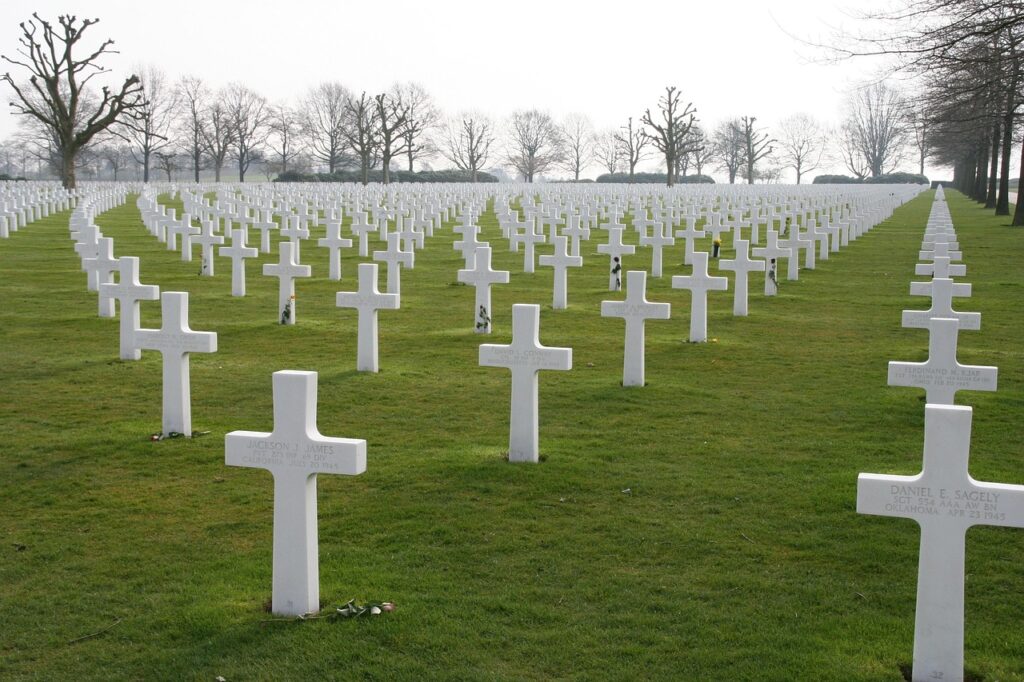
3) Maleme War Cemetery and Maleme Aviation Museum — Maleme (Platanias)
Full name: Maleme War Cemetery & Maleme Aviation Museum (Allied War Cemetery and local Maleme Aviation exhibits)
Address: Maleme, Platanias, Chania 730 14, Crete, Greece (near Maleme Beach)
Price: Cemetery entry free; Maleme Aviation Museum suggested contribution €3.00–€5.00 (donation box).
Opening hours: Cemetery accessible daily, 08:00–20:00 in season; the small museum is often open mornings and afternoons with variable hours — check with the Platanias tourist office.
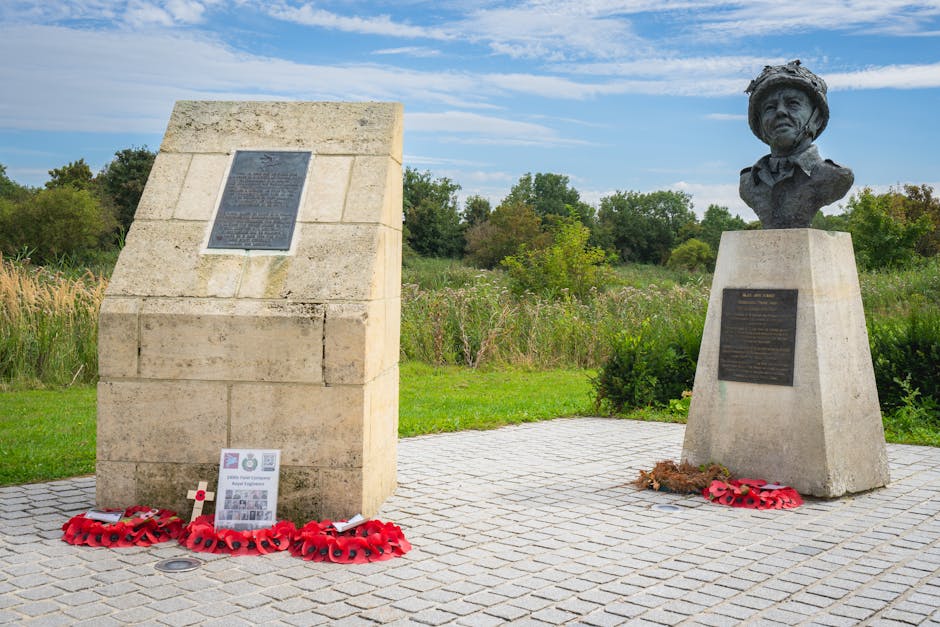
Maleme is central to understanding the Battle of Crete. The Maleme War Cemetery, maintained by the Commonwealth War Graves Commission, is a stark place of remembrance where Allied soldiers who fell in 1941 are buried. Nearby, the small Maleme Aviation Museum (a local non-governmental exhibit) displays aircraft models, parts recovered from the area, and documents related to airborne operations. The site is especially moving at sunrise or sunset, when the light carves the landscape and the strategic positions that made the Maleme valley so contested become palpable.
Local tips: walk along the cliff to spot crash sites and remnants. Bring a hat and water in summer — the site is exposed to wind and sun. Taxis from Chania are common, and many half-day tours include Maleme alongside other battle sites.
4) Municipal Museum of Rethymno & Local Resistance Collections — Rethymno
Full name: Municipal Museum of Rethymno (with Local Resistance Collections)
Address: Rimondi Fountain area, Arkadiou Street 2, Rethymno 741 00, Crete, Greece
Price: Municipal museum entry €4.00; temporary resistance exhibitions €2.00–€5.00 depending on programming. Discounts for groups and residents.
Opening hours: Open Tuesday to Sunday, 10:00–17:00; closed Mondays. Afternoon closures on some winter days; check before you go.
The Municipal Museum of Rethymno is multi-faceted but includes a well-documented section on local resistance — sabotage acts, information networks and arrests during the occupation. It complements military sites by illustrating the civilian and communal side of the struggles: clandestine posters, smuggled objects, school buildings used as hiding places, and portraits of local figures. The museum sits within the old town fabric, making it easy to continue your visit on foot through the lanes where many events unfolded.
Local tips: pair the museum visit with a trip to the Arkadi Monastery (20 km), a symbolic stronghold of 19th-century Cretan struggles. Staff can often point out commemorative plaques and homes of resistance members still visible around the old town.
Conclusion — Why These Museums Deserve Your Visit
Visiting museums dedicated to modern Cretan struggles means stepping into a story of resistance, endurance and collective reconstruction. Whether major institutions in Heraklion or small local museums in Maleme, the collections offer complementary perspectives: 19th-century political movements, the fight for union with Greece, and the tragedies and acts of heroism of World War II and the resistance. Touring these sites helps you understand how local memory is preserved — not only in glass cases, but across landscapes, cemeteries and place names.
Practical advice: schedule visits in the morning, always check seasonal opening hours, and look for combined tickets or discounts for students and seniors. Talk with staff and volunteers — oral accounts often fill gaps left by exhibit panels. Respect the solemnity of cemeteries and memorials and, if possible, plan a quiet moment of reflection. Finally, mix museum visits with walks across the actual sites (Maleme, Souda, historic neighborhoods), because geography explains a lot about tactical choices and historical events.
These museums don’t just list battles and dates: they honor the people, families and communities who shaped modern Crete. For the attentive traveler, they offer a deeper reading of the island — one that goes beyond beaches and tavernas and enriches every landscape and encounter during your Cretan stay.