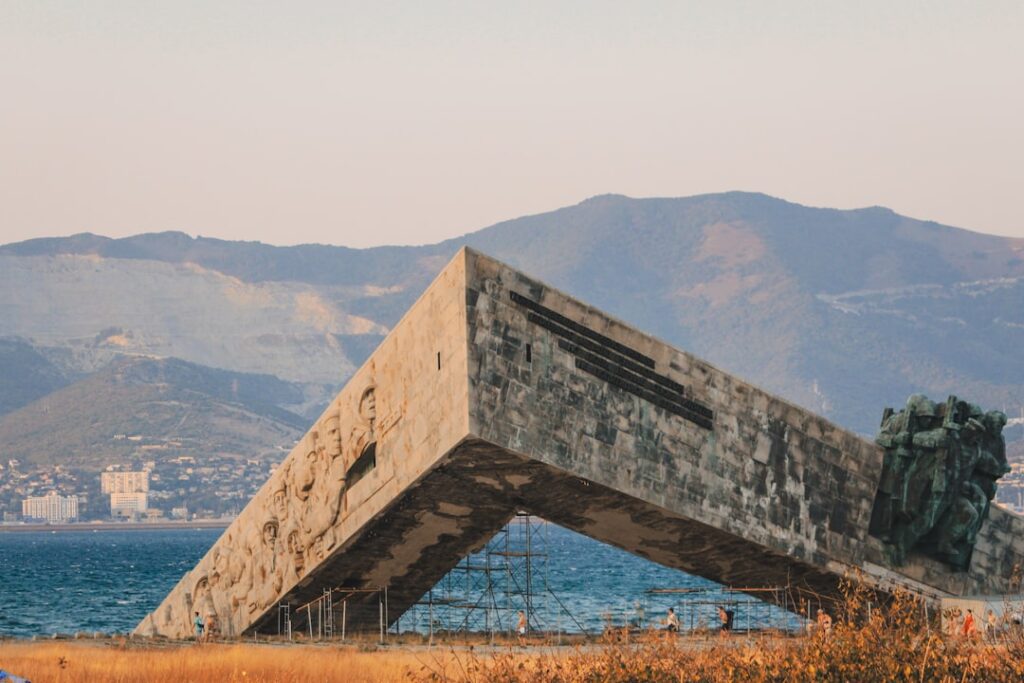






Introduction: War Memory in Crete — Why Visit Archives and Artifacts
Crete is an island where the landscape still bears scars and traces of conflicts that shaped not only the region but the modern memory of the eastern Mediterranean. From monasteries that recall heroic sacrifices to military cemeteries by the sea, and museums preserving archives, personal diaries, uniforms, photographs and everyday objects — the war memory of Crete is multifaceted, intimate and grand. Understanding these places lets you read local history with emotional and scholarly depth: every object, every archive file tells a story that is both individual and collective.
This article is a practical, general guide for travelers, researchers, families of the missing and curious visitors who want to explore the material traces of modern Crete’s wars (19th–20th centuries, with an emphasis on World War II and the resistance movements). You’ll find detailed descriptions of the main museum sites, public archives and cemeteries, exact addresses, opening hours, entry prices in euros, visiting tips and historical context to better appreciate each collection. The goal is not an exhaustive academic analysis, but a useful and immersive map to help you plan a thoughtful, respectful itinerary — whether you have half a day in Heraklion, a full day in Chania, or a deeper exploration of Rethymno and Akrotiri.
Visiting these places is often an emotional experience: photos of civilians, personal belongings, memorial plaques and graves call for respect and discretion. Cretan museums often combine local narratives, handwritten archives, letters found in houses, uniforms and weapons left on the battlefield. They tell stories of occupation, collaboration, resistance, deportations, and the social consequences of war on whole villages. In addition, some public and municipal archives provide digitized registers, state archive catalogs or very rich temporary exhibitions for those who want to dig deeper.
In this guide you’ll find must-see sites like the Historical Museum of Crete in Heraklion, Souda Bay War Cemetery in Souda (Chania), the German War Cemetery at Maleme, the Arkadi Monastery near Rethymno, as well as local museums devoted to the Battle of Crete, the German occupation and the national resistance. For each stop I give the exact address, usual opening hours, admission fees in euros, immersive descriptions of the collections, and practical tips: how to behave on site, quieter visiting times, and how researchers can access archives by request. The guide also suggests ways to combine memorial visits with cultural discoveries — for example, extending a trip to Souda Cemetery with a walk along the bay, or pairing Arkadi Monastery with a visit to nearby gorges and villages.
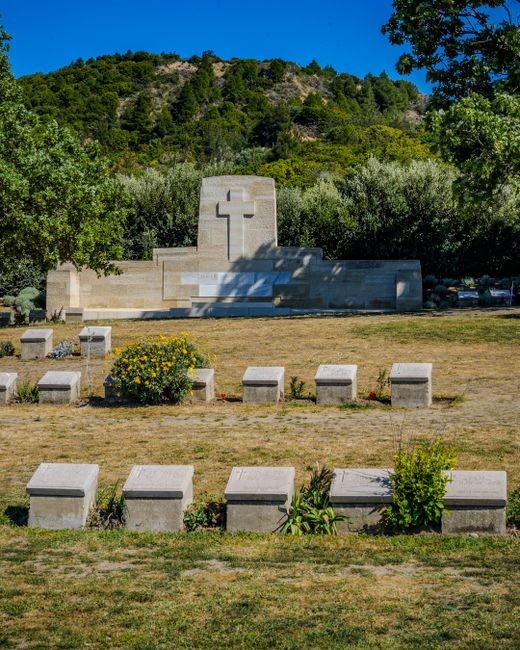
Historical Museum of Crete — Heraklion: Archives, Objects and Permanent Collections
The Historical Museum of Crete (Ιστορικό Μουσείο Κρήτης) in Heraklion is one of the main entry points for anyone wanting to understand the island’s modern history. Address: Historical Museum of Crete, 3 Chalidon Street, 71202 Heraklion. The museum houses archives, collections of civilian and military objects, photographs and documents concerning the German occupation (1941–1945), the Cretan resistance and the social and economic consequences of the war.
Opening hours: typically 09:00–17:00 (last admission 16:30), closed on Tuesdays (hours may vary by season). Prices: general admission around €6.00; reduced €3.00 (students, seniors, groups); free for children under 6. Audio guides or brochures in English and Greek are often available for a few euros extra. The museum also offers reading rooms for researchers: it’s possible to request an appointment and access the archives on site by presenting ID and a written request in advance.
Immersive description: on entering you’re struck by the juxtaposition of everyday objects (utensils, clothing, parish registers) with military items — helmets, cartridge belts, yellowed letters and annotated strategic maps. One room is dedicated to the Cretan resistance, featuring audio testimonies, sabotage accounts, maps of resistance networks and clandestine photographs. Another section focuses on the human impact: family photos, deportation lists and civil archives that help reconstruct local life.
Local tips: arrive early to avoid tour groups. If you’re looking for specific documents, contact the museum 2–3 weeks ahead by email (address available on their official website) to book the reading room. Follow the rules for note-taking and photography — some documents can only be photographed with permission. Finally, allow time to visit the museum shop, which sells exhibition catalogues and reproductions of historical maps.
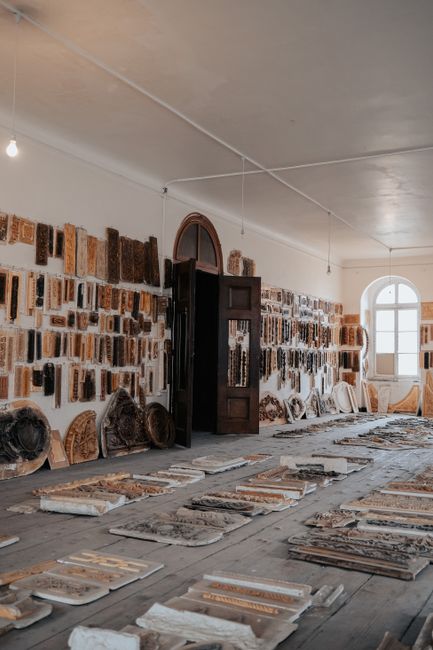
Souda Bay War Cemetery and Souda Bay Museum — Remembering Allied Soldiers
The Souda Bay War Cemetery (Commonwealth War Graves) is an essential stop to grasp the scale of Allied losses during World War II. Address: Souda Bay War Cemetery, Souda Bay, Chania, 73100 Chania. The site is maintained by the Commonwealth War Graves Commission and sits close to Souda Bay, a strategic area during the war.
Opening hours: the cemetery is outdoors and accessible daily, generally 08:00–18:00 in high season; it’s recommended to check with the local commission for any commemorative events. Admission: free. Nearby, the Maritime Museum of Crete (Maritime Museum of Crete, address: Akti Kountourioti 6, Souda, 73100 Chania) offers complementary exhibits on naval warfare and the bay’s defense — hours 09:00–16:00, admission around €5.00.
Immersive description: the cemetery stretches across terraced lawns, rows of perfectly aligned white headstones, each bearing the name, unit and age of the fallen. The atmosphere is serene yet heavy with history — the view over the bay adds a poignant dimension. Near the entrance, panels explain naval and land operations carried out in the bay. At the Maritime Museum of Crete, nautical charts, wreck fragments, sailors’ uniforms and logbooks complete the story, providing an overview of Allied operations in the eastern Mediterranean.
Local tips: respect the site and observe silence during ceremonies. If you’re looking for a relative’s grave, the CWGC offers an online service to locate graves: print the record and bring it with you. Combine the cemetery visit with a walk along Souda harbor and a coffee at the museum cafe, where local guides often share personal stories about individuals commemorated there.
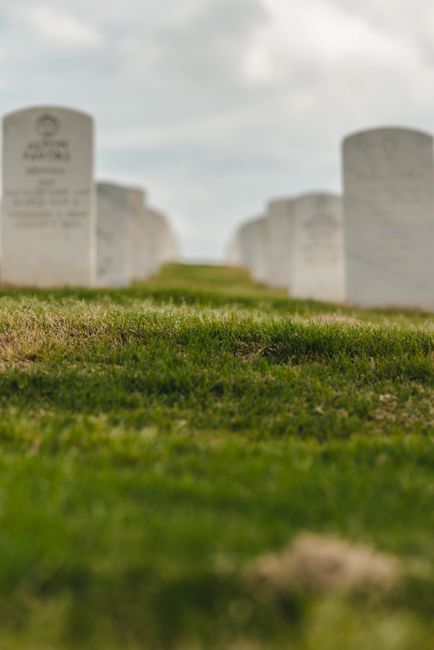
Maleme German War Cemetery, Battle of Crete Museums and Memory Sites in Chania
The Chania region concentrates several key sites related to the Battle of Crete (May 1941). The Maleme German War Cemetery (German War Cemetery Maleme) is located in Maleme, approximate address: Maleme War Cemetery, Maleme, 73100 Chania. This cemetery, established by German authorities, contains the remains of Wehrmacht soldiers who fell during the April–May 1941 operations.
Opening hours: outdoor site accessible daily, 08:00–18:00 in summer; admission free. Nearby are small local museums devoted to the Battle of Crete, often run by historical associations: for example, the Museum of the Battle of Crete and the German Occupation (small local museum, address: Maleme village centre, Maleme, 73100 Chania) — hours vary, entry €3.00–€5.00 depending on the exhibition.
Immersive description: the view from Maleme hill is spectacular — you can see the sea, the airstrip where German paratroopers were deployed and the olive groves that provided cover during fighting. Local museums display German uniforms, radios, artifacts recovered from the field, handwritten maps and civilian souvenirs. Oral histories from local witnesses, often available in English as recordings, give a human dimension to military movements: confusion, solidarity, betrayals and acts of courage all interweave.
Local tips: combine a visit to the German cemetery with stops at nearby battlefields and the Chania War Museum (Chania War Museum, address: 1, Halidon Street? — check locally for the exact address) for a balanced perspective. Hire a local guide specialized in military history: they can provide period maps and testimonies not always found in official museums. Respect rules of decorum at all cemeteries, whether Allied or Axis.
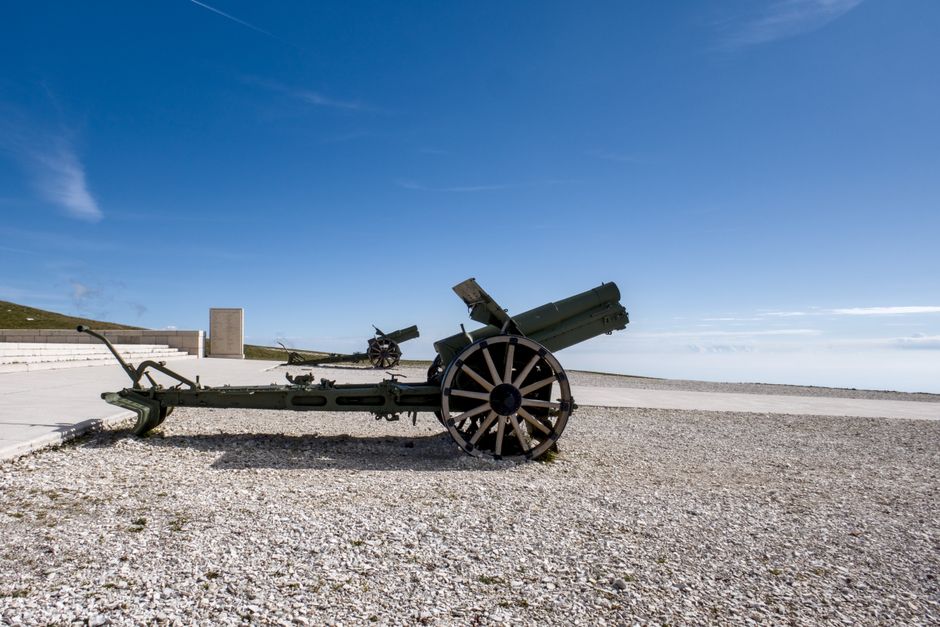
Arkadi Monastery and Civilian Memory: Archives, Objects and Commemorations
The Arkadi Monastery, located near the village of Arkadi, is a cornerstone of Cretan memory. Address: Moni Arkadiou, Arkadi, Rethymno, postal code 74055 (Monastère d’Arkadi, Arkadi, Rethymno). The monastery is best known for the 1866 event (Cretan uprising), but it also holds traces of more recent conflicts and houses religious and civil archives and iconography linked to resistance.
Opening hours: generally 08:00–18:00 in high season (hours vary off-season). Prices: monastery entry is free; guided tour and monastery museum around €3.00–€5.00. The small adjacent museum displays icons, liturgical objects and parish archives, along with narratives showing the continuity of resistance in Cretan memory.
Immersive description: the monastery courtyard, paved in stone, still bears marks of lead and old impacts; the walls tell of the pressure placed on local populations across centuries. Objects on display — crosses, manuscripts, stained liturgical garments — give a tactile reality to memory; interpretive panels explain links between 19th-century uprisings and 20th-century resistance movements. The site tells the story of a rural community’s resilience that turned the monastery into a national symbol.
Local tips: visit early in the morning to avoid crowds and enjoy the soft light illuminating the frescoes. Listen to local guides: they often recount precise family stories tied to parish archives. Respect the religious nature of the site: dress modestly and keep quiet in sacred spaces. Pair the visit with explorations of nearby villages to better understand the rural context of resistance.
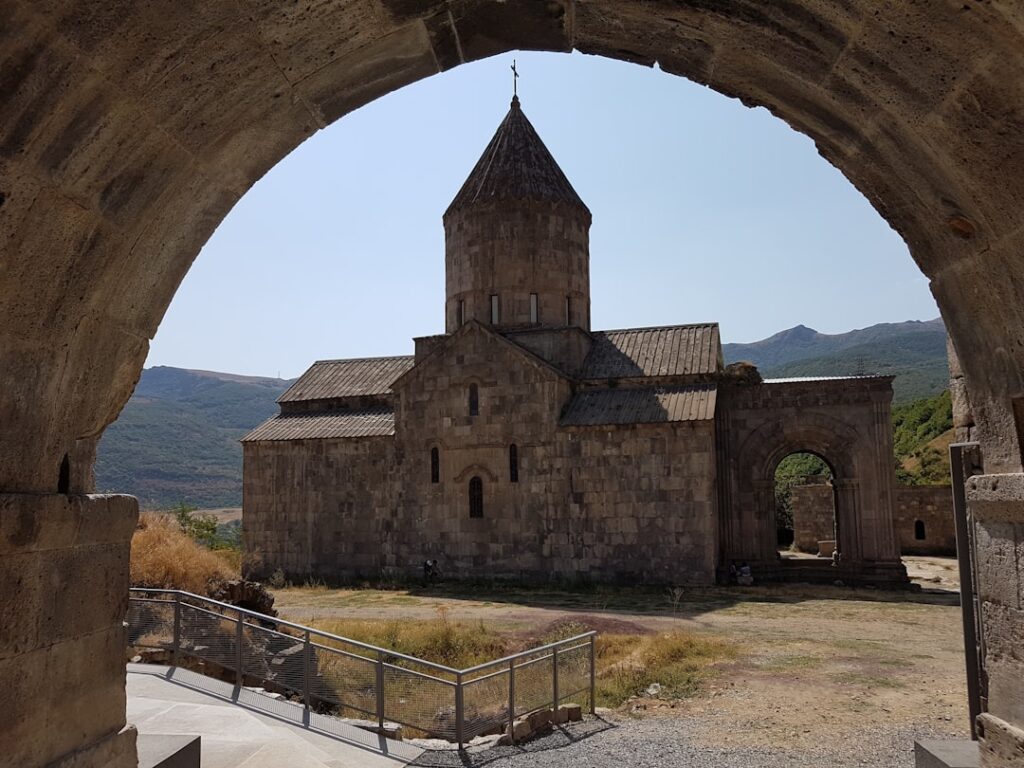
Accessing Public Archives and Tips for Researchers
Beyond museums and cemeteries, Crete offers several public and municipal archive services, often linked to the municipalities of Heraklion, Chania and Rethymno or to church archives. To consult civil registers, notarial acts, conscription lists or military files, it is recommended to contact:
- General State Archives – Regional Directorate of Crete (Γενικά Αρχεία του Κράτους, Περιφερειακή Διεύθυνση Κρήτης): address and procedures should be checked online; consultation is by appointment. Fees: consultation is generally free, document reproductions €0.10–€1.00 per copy depending on format.
- Municipal Archives of Heraklion (Δημοτικά Αρχεία Ηρακλείου): consultable on request; appointment recommended; photocopies and scans charged per item.
- Archives of the Orthodox Church in Crete: some baptism, marriage and death registers are held by dioceses; request procedures go through the diocesan office.
Practical tips for researchers: prepare a motivation letter in Greek or English, clearly state the periods and families you’re interested in, and email it at least three weeks before your trip. Local archives often operate on limited schedules (mornings only); plan several half-days. Digital copies can usually be obtained but often for a fee; check reproduction rights before any publication. Finally, hire a local translator if you don’t read modern or older Greek, since many records are handwritten.

Conclusion: How to Plan a Respectful and Productive Visit
Visiting Crete’s war memory sites requires preparation, sensitivity and curiosity. Museums and cemeteries offer complementary narratives: museums provide context, archives enable deep research, and cemeteries evoke commemoration and emotion. Before you go, plan your itinerary around opening times (many of these institutions close off-season or have limited visiting hours), book archive consultations in advance, and allow moments for reflection. Respect each site’s regulations — restrictions on touching certain objects, photography limits, and behavioral rules in sacred or commemorative spaces.
For a well-balanced trip, combine a museum visit (for example the Historical Museum of Crete in Heraklion) with field sites (Souda Bay War Cemetery, Maleme), alternating structured information and quiet walks among olive groves and graves. Involve local guides when possible: they bring oral histories and field details that don’t always appear on exhibit panels. If you’re a researcher, know that regional archives require administrative steps — anticipate lead times and reproduction costs.
Finally, remember that Crete’s war memory is alive: commemorations, local ceremonies and public discussions happen regularly, especially around anniversary dates. Participating respectfully in a local ceremony can give a deep human understanding of what these monuments mean to residents. This island, which has suffered and resisted so much, invites the visitor to listen, learn and commemorate with humility. Safe travels — and may your visit be both enlightening and respectful.