





Introduction
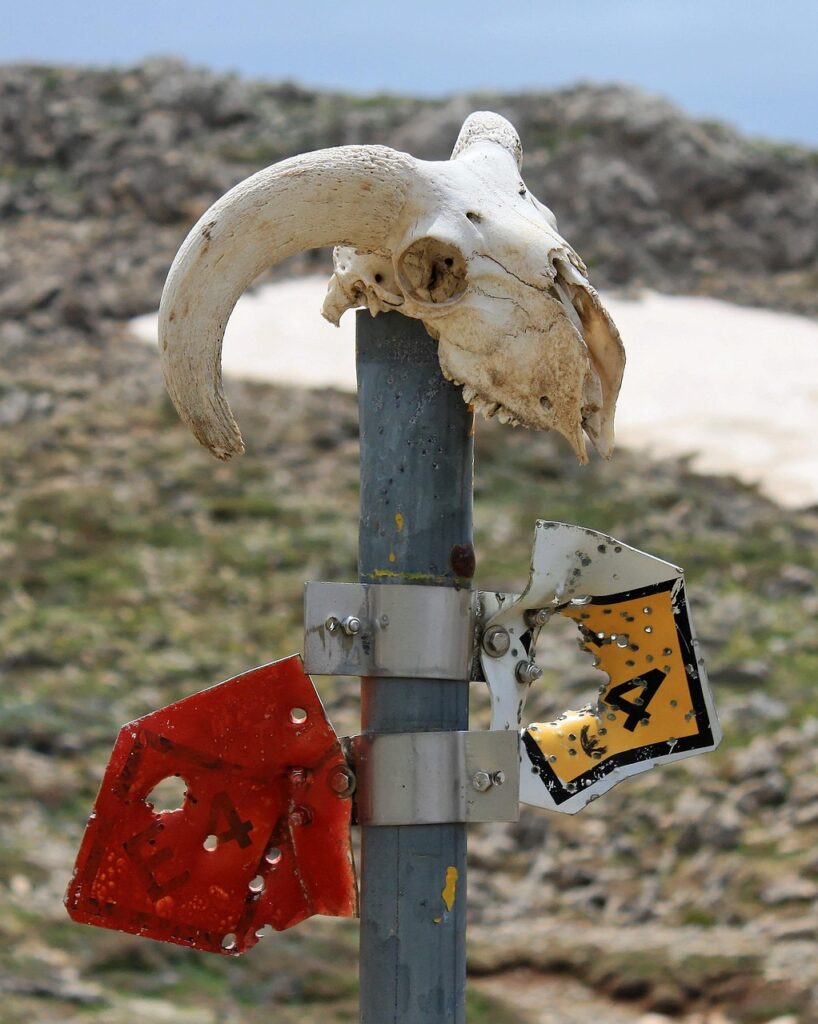
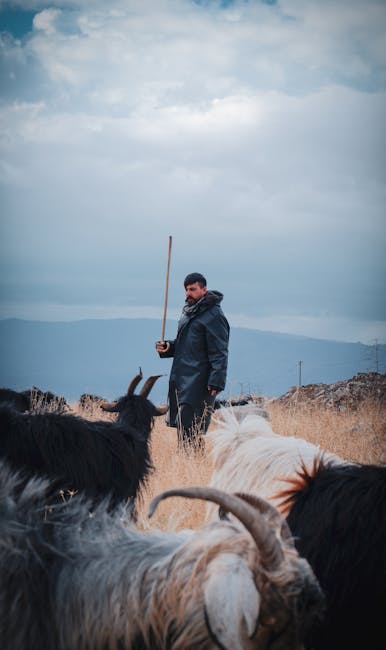
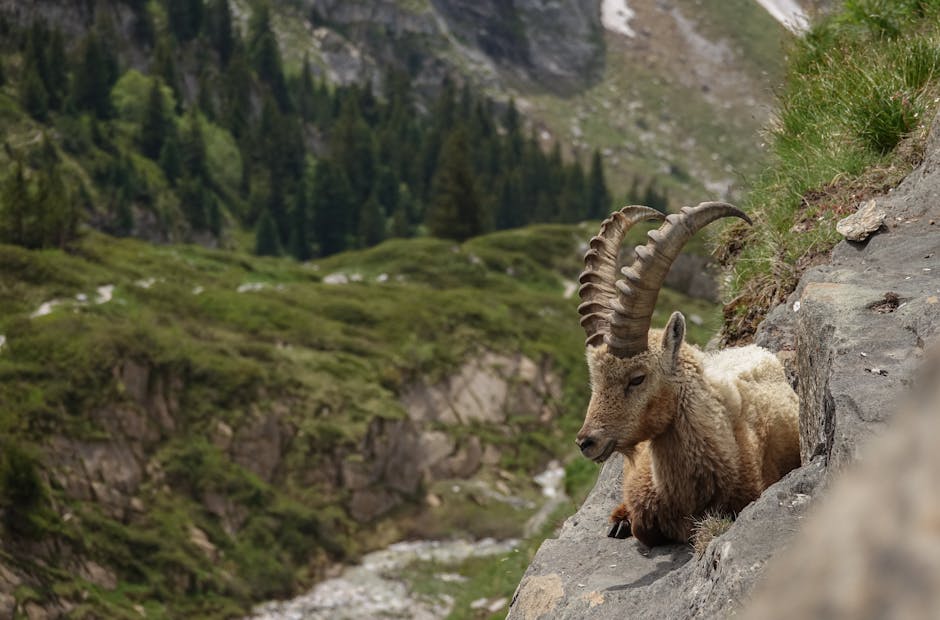
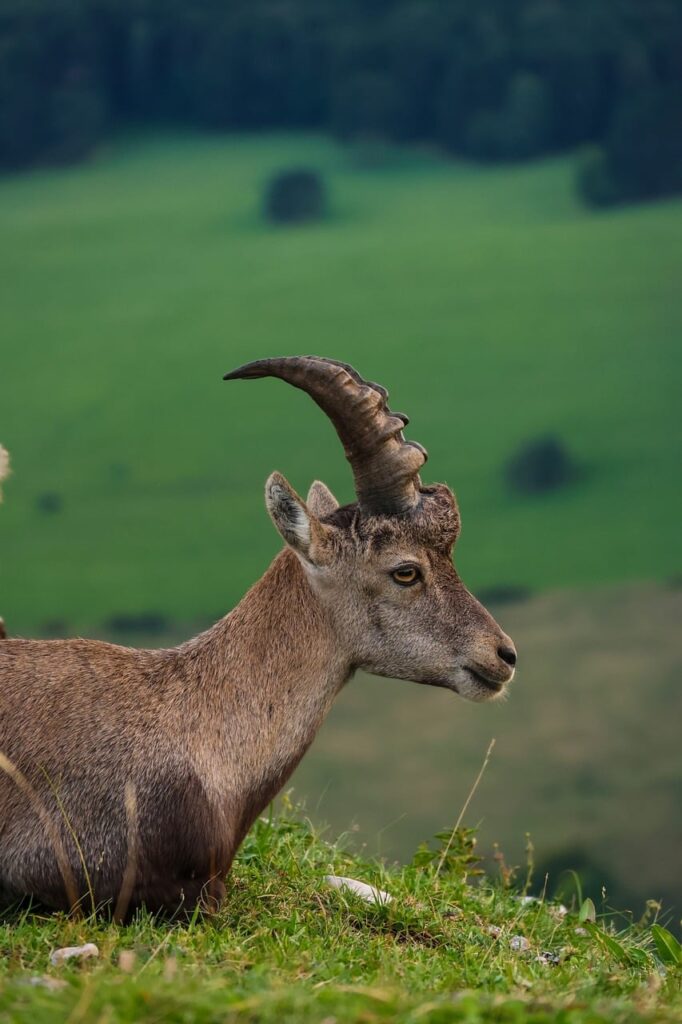
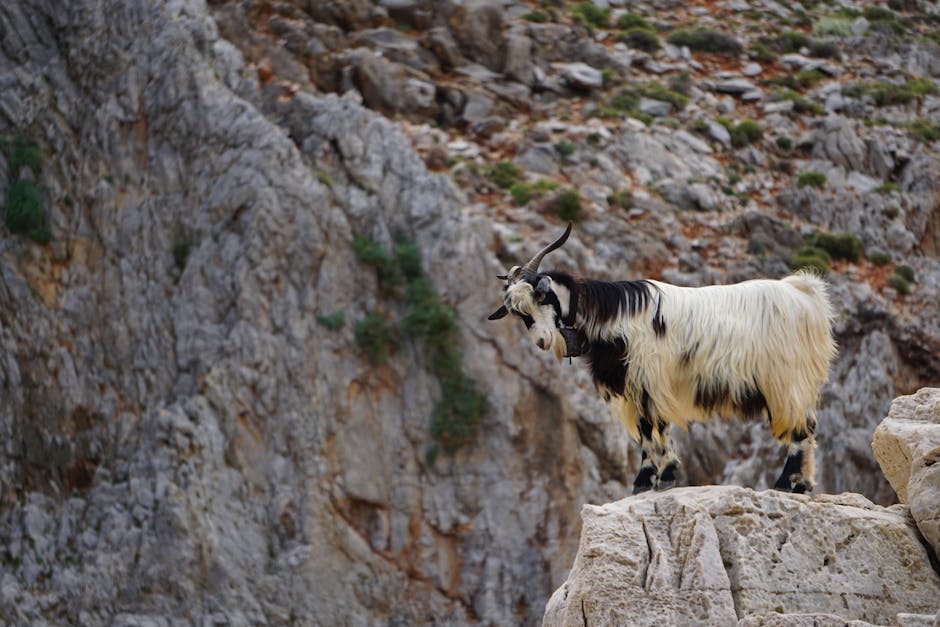
Crete, Greece’s largest island, is much more than sandy beaches and postcard villages: its mountains hide a unique wildlife, starting with wild goats and ibex that roam the gorges, plateaus and sheer ridgelines. These animals — notably the famous kri-kri (Cretan wild goat, Capra aegagrus cretica) — embody the island’s untamable spirit. Encounters with them are great opportunities to watch natural behavior, learn how species adapt to mountain life, and understand why protected areas are essential for conserving endemic wildlife.
This practical guide focuses on the best spots in Crete to increase your chances of seeing mountain fauna, how to get there, typical opening times and costs, plus tips for ethical and safe wildlife watching. I give precise places with addresses and practical info: for example Samaria Gorge and the Omalos plateau, but also lesser-known spots like the Psiloritis massif (Mount Ida) and the islet of Dia off Heraklion. Immersive descriptions will help you pick routes that match your fitness, sense of adventure and photographic aims.
Keep in mind that wildlife sightings are never guaranteed; they depend on the season, the time of day and how you behave. Dawn is often the most productive time: goats descend to sunlit slopes to feed, while young ibex test their vertical skills on cliffs. In summer many animals move to cooler higher ground, while in autumn and winter sparser vegetation can make them easier to spot. I also cover gear recommendations (hiking boots, binoculars, sunscreen, water), safety advice (don’t feed or approach animals, keep dogs on a leash) and local rules inside national parks.
This guide is aimed at responsible travelers, wildlife photographers and curious hikers: you’ll find exact addresses (park administrations or trailheads), prices in euros and opening times, plus practical local tips (best photo spots, busy periods, simple accommodation options and useful contacts). Encounters with Crete’s wild goats and ibex are memorable — with the right preparation you’ll help protect these special landscapes and improve your chances of a respectful, successful sighting.
Samaria and the White Mountains (Lefka Ori): the heartland of Cretan goats
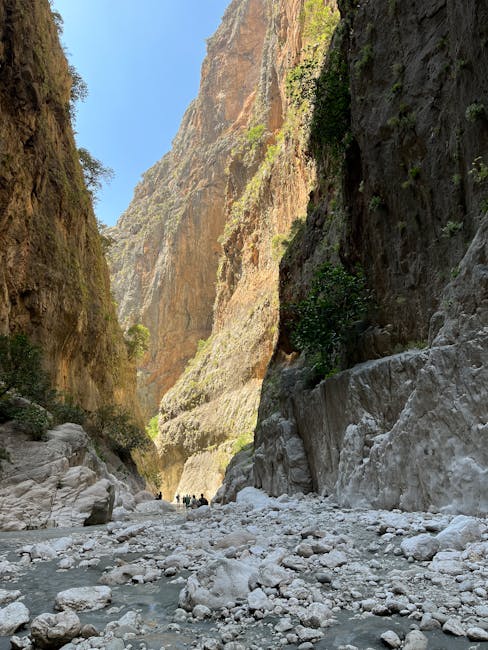
Samaria Gorge (Samaria National Park) in the White Mountains — Lefka Ori — is probably the most iconic site to observe the kri-kri and other mountain species. The national park is accessed from the Omalos plateau and finishes at the sea in Agia Roumeli. The park administration is roughly located at:
- Samaria National Park Administration, Omalos, 73011 Chania, Greece.
Opening times and season: the park is generally open from early May to late October, weather permitting. Recommended entry times for hikers are between 06:30 and 13:00 to ensure a safe descent before sunset. Visitor booths at the entrance (Xyloskalo, Omalos) often open around 06:00 in high season.
Costs: official entry fees vary; expect roughly €5 per person for park access (indicative — check locally or with the tourist office). Boat transfers from Agia Roumeli to Chora Sfakion or Sougia cost between €10 and €20 depending on destination and season (2024 standard: Agia Roumeli → Chora Sfakion about €15).
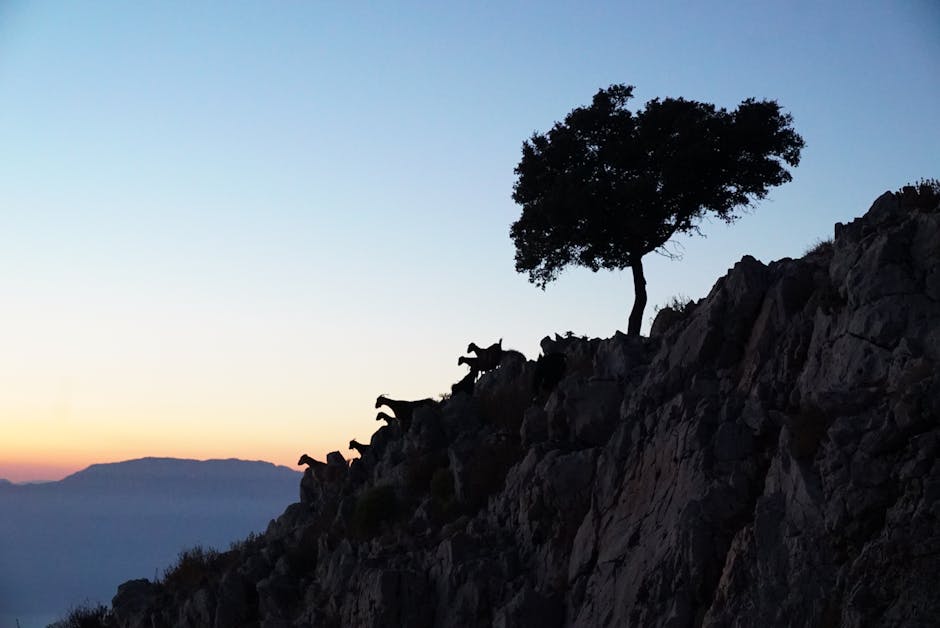
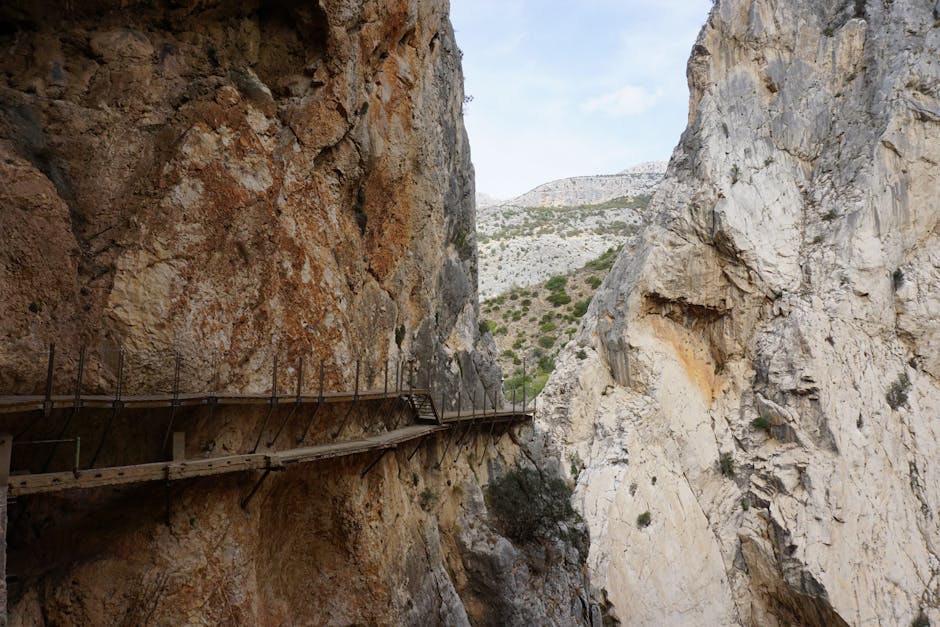
Immersive description: starting the descent from Xyloskalo (Omalos) you enter a corridor flanked by limestone cliffs over 500 meters high. At dawn the angled light sculpts the rocks and highlights the silhouettes of goats moving with near-acrobatic ease. Young ones scramble along narrow ledges, sometimes just tens of meters above the trail. The shyer animals stay high up, watching hikers pass — approach slowly and quietly, and you might be rewarded with curious stares and defiant postures.
Local tips: to maximize wildlife sightings, set off early: between 06:30 and 09:30 wildlife is most active. Bring binoculars (8× to 10×), a spotting scope if you have one, and a camera with a 200–400mm telephoto lens. Stick to marked trails: venturing off to get closer to a herd can damage fragile plants and stress the animals. Mountain huts at Omalos (e.g. Samaria Refuge) offer basic drinks and food — Omalos Plateau start point: Omalos Plateau, 73011 Chania, approximate GPS 35.2870° N, 23.8520° E.
The Psiloritis massif (Mount Ida) and central Crete slopes
Psiloritis, also called Mount Ida, is Crete’s roof (2,456 m) and offers varied habitat for wild goats and ibex. The area lies in the Rethymnon/Rouvas region with access from several mountain villages. One of the main gateways is:
- Psiloritis / Mount Ida Visitor Centre, Anogia – Nida Plateau direction, Anogia, 74051 Rethymnon, Crete, Greece (using Anogia village as a base).
Access and opening times: climbs and hikes are possible year-round, though access to the highest trails may be limited by snow in winter (December–March). Local refuges and information centers in Anogia are open in the high season (May–October), typically from 08:00 to 19:00. Maps and local guides are available at Anogia’s tourist office, in the main square (Municipal Library of Anogia, 74051 Anogia).
Costs: trails on Psiloritis are largely free to access. Guided visits with a naturalist guide cost roughly €40–€70 per person for a half-day, varying by provider and group size.
Immersive description: Psiloritis’ slopes alternate alpine meadows, scrub and broken rock. Goats slip through the vegetation to graze on aromatic herbs and shrubs; their sandy coats often blend with the stone. In the morning clouds cling to the ridgelines and the views over the Messara plain and the Aegean Sea are dramatic. The Nida plateau, a classic start for ascents, is a lookout where family groups of goats are often seen moving along the crest.
Local tips: park in Anogia (Anogia Square, village center) and pick up supplies before you climb. Trails can be stony and exposed; good boots and trekking poles are recommended. Respect local pastures where domestic herds graze: tell the difference between domestic goats and wild kri-kri by their behavior — wild ones are more alert and avoid open lawns when human traffic is high. For a less intrusive approach, hire a local Anogia guide (Anogia tourist office phone: +30 28340 51700) who knows the best observation spots for each season.
Imbros, Agia Roumeli and secondary gorges: quieter alternatives
While Samaria is famous and can be crowded, other gorges and trails offer calmer encounters with equally rich wildlife. Imbros Gorge (Imvros Gorge) is an excellent, shorter and often less busy alternative, located at:
- Imbros Gorge Trailhead, Imbros Village, 73011 Sfakia, Chania, Crete, Greece (the village of Imbros).
Opening times and costs: Imbros is accessible year-round. Entry is usually free or by voluntary contribution (plan €2–€5 for trail maintenance). The trail drops about 8 km and takes 2–3 hours depending on pace.
Immersive description: Imbros Gorge has narrower walls in places and sunlit clearings where goats like to bask. Shorter than Samaria, the route allows closer observation of social behavior, interactions with dominant males and group hierarchies. Scents of thyme and wild lavender perfume the air, while filtered light creates intimate photographic scenes.
Agia Roumeli, the coastal village at the end of Samaria, is both an observation point and a place to rest. Useful address:
- Agia Roumeli Port, Agia Roumeli 73011, Chania, Crete, Greece. Regular boats to Chora Sfakion and Sougia.
Boat schedules and prices: in high season boats run several times a day; for example Agia Roumeli → Chora Sfakion (about €15), Agia Roumeli → Sougia (about €10). Check timetables at the Port Office in Chora Sfakion (Port of Chora Sfakion, 73011 Chania). These crossings give views of cliffs where goats gather — watching from the sea is a great complementary perspective.
Local tips: Imbros is well suited to half-day outings for families and photographers seeking quieter scenes. Bring a hat and enough water (at least 1.5–2 L per person in summer). In Agia Roumeli local tavernas (e.g. Taverna To Steki, Agia Roumeli Main Square) serve fresh fish and Cretan dishes; expect a typical meal to cost €10–€18 per person. After an outing, stay discreet so you don’t disturb the animals: avoid shouting, littering and getting closer than 20–30 meters.
Dia islet and the northern slopes of Heraklion: a coastal sanctuary for kri-kri
Near Heraklion, the islet of Dia (Día Island) off the north coast provides important habitat for kri-kri populations; it can be reached via excursions from Heraklion’s port. Hikers and wildlife watchers can combine sea and mountain to boost their chances of sightings.
- Heraklion Port (Limani Irakleiou), 71202 Heraklion, Crete, Greece — boarding for Dia Island from the tourist quay.
Opening times and costs: Dia excursions are offered by several local operators (3–5 hours); indicative prices are €30–€45 per person including boat transfer and a guide (check seasonality, typically May–October). Departures are usually in the morning around 09:00–10:00 to get the best sea conditions and viewing opportunities.
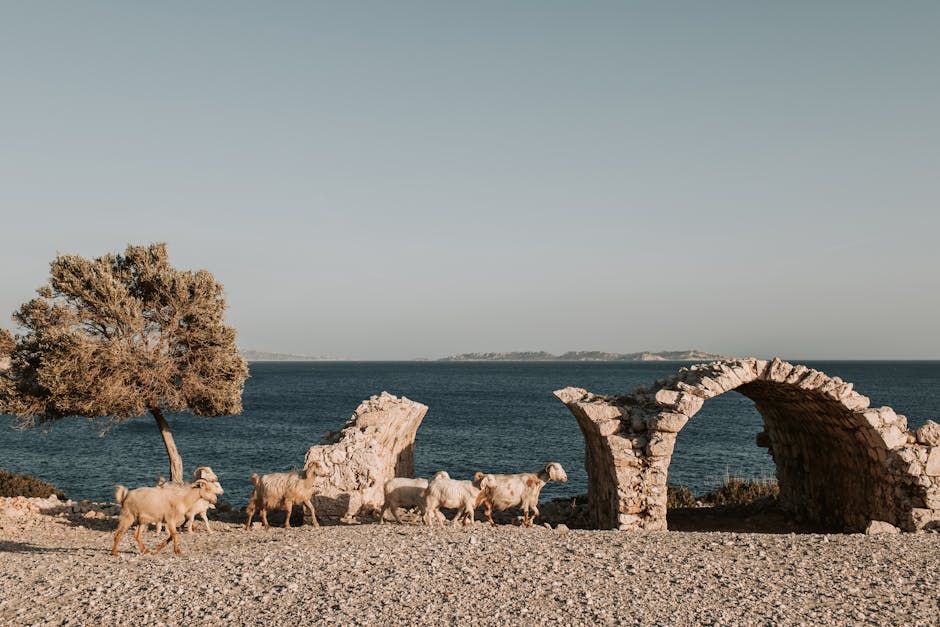
Immersive description: Dia’s white cliffs and arid grasslands feel like a mini nature reserve. Kri-kri are often very visible on ledges; from a boat or from the northern Heraklion coast you can spot groups of goats on rocky terraces. The sea–mountain mix reveals daily movements: some animals head down to coastal zones to lick mineral-rich soils, others stay higher up to escape summer heat.
Local tips: choose an excursion with a naturalist guide who respects access restrictions to protected areas on Dia. In Heraklion, organize your departure at the Heraklion Tourist Information Office, Plateia Eleftherias, Heraklion 71202 (or by phone +30 2810 225000). Bring sunscreen, water and closed shoes; many trips include a short island walk and a swim stop. If you prefer to stay on the mainland, head to the Koules peninsula for distant views: Koules Fortress, Koules Port, Heraklion 71202, open 08:30–19:00 depending on season, museum entry around €3–€5.
Practical tips, gear and ethical behavior
Watching mountain wildlife in Crete requires some essential gear and, above all, respectful behavior to keep both animals and people safe. Here are practical recommendations and must-have items:
- Personal gear: sturdy hiking boots (Vibram soles recommended), trekking poles, hat, sunglasses, windproof jacket, dry bags if you combine hiking with boat transfers.
- Observation: 8×42 binoculars for general viewing; 200–400mm telephoto lens for photography. Bring spare batteries and extra memory cards.
- Water and food: at least 1.5–3 L of water depending on length and season. In high season heat can be intense; favor morning outings and carry energy snacks (bars, dried fruit).
- Safety and first aid: compact first-aid kit, paper map or GPS, powerbank and a phone with reception (note: some deep gorges have limited coverage).
- Ethical behavior: never feed wild animals, keep at least 20–30 meters distance, don’t use flash in close-up photography, avoid unleashed dogs, and stay on marked paths. Quiet, calm behavior increases your chances of good sightings.
Useful contacts: for official information contact Chania’s tourist office (Chania Regional Unit Office, 72100 Chania, tel. +30 28210 12345) or Heraklion’s tourist office (Heraklion Tourism Office, Plateia Eleftherias, tel. +30 2810 225000). For naturalist-guided tours, look for certified local operators in Chania (city center), Rethymnon and Heraklion who run wildlife and botany-focused tours.
Where to sleep and eat after watching wildlife: practical addresses and prices
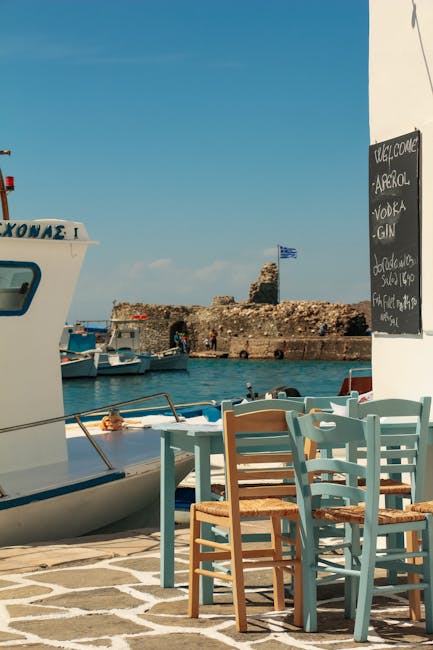
After a day tracking curious faces and horns, Crete offers accommodation and tavernas to suit all budgets. Here are convenient, well-located options for mountain lovers:
- Omalos / Samaria area: Omalos Guesthouse (Omalos Plateau, 73011 Chania) — double room around €60–€90/night off season; breakfast often included. Book ahead in high season.
- Agia Roumeli: To Spiti ton Filon, Main Square, Agia Roumeli, 73011 Chania — simple rooms €35–€60; local tavernas serve dishes €8–€15 (grills, dakos, fish).
- Anogia / Psiloritis base: Hotel Anogia, Anogia Village Center, Anogia, 74051 Rethymnon — double room €45–€80; traditional Cretan cuisine in the village (meze €10–€20).
- Heraklion (base for Dia): Lucky 4 Studios, Heraklion Port area, Limani Irakleiou, Heraklion 71202 — studios from €50 in low season. Plenty of seafront tavernas: meal budget €8–€20.
Practical advice: book in advance for July–August. If you plan early starts ask your accommodation about packed breakfasts. Mountain tavernas often have limited hours: they mainly serve lunch (12:30–15:00) and sometimes dinner (19:00–22:00). Always carry water and a snack if you head out before shops open.
Conclusion
Crete combines easy access with well-preserved nature: its mountains and coasts host populations of wild goats and ibex that showcase the resilience of a unique Mediterranean ecosystem. Whether you pick the famous Samaria Gorge, the solitude of Psiloritis, the quieter Imbros alternatives or the island perspective at Dia, each site offers a different experience both scenically and naturalistically. The practical details provided — addresses, opening times and indicative prices — will help you plan informed, responsible outings.
Remember that the best sightings come from patience, respect and good preparation: start early, bring the right gear, stay discreet and enjoy the cultural richness that accompanies your trips (mountain villages, local tavernas and Cretan hospitality). By acting responsibly you’ll contribute to protecting these valuable populations and the landscapes that sustain them.
Finally, for deeper observations or specialized tours (wildlife photography, naturalist monitoring), favor certified local guides: they know the routes, peak activity periods and conservation rules for each protected area. Well prepared, your trip to Crete can turn into an unforgettable encounter with mountain wildlife — images and memories that will last long after you leave the island’s sunlit ridges.